
All articles
Engineering articles on closed-loop control for refining, chemicals and polymers, cement, mining and minerals, and gas.
Refining
44
Connecting refinery optimization silos with closed-loop AI
Gil Cohen's February 2021 feature in Hydrocarbon Processing on connecting a refinery's separate optimization silos with closed-loop AI to recover margin.
Executive Viewpoint: interconnected neural networks in plant optimization
Gil Cohen's Executive Viewpoint column in the March 2021 issue of Hydrocarbon Processing, on interconnected neural networks for plant optimization.
Where real-time process optimization adds margin in oil and gas
Where real-time optimization adds margin in refineries and gas plants, from cut points and fired heaters to giveaway, reliability and crude changes.
Vacuum gas oil: properties, processing pathways and refinery value
How VGO sulfur, nitrogen, metals and aromaticity shape FCC versus hydrocracker routing, refinery-wide constraints and margin as feed quality varies.
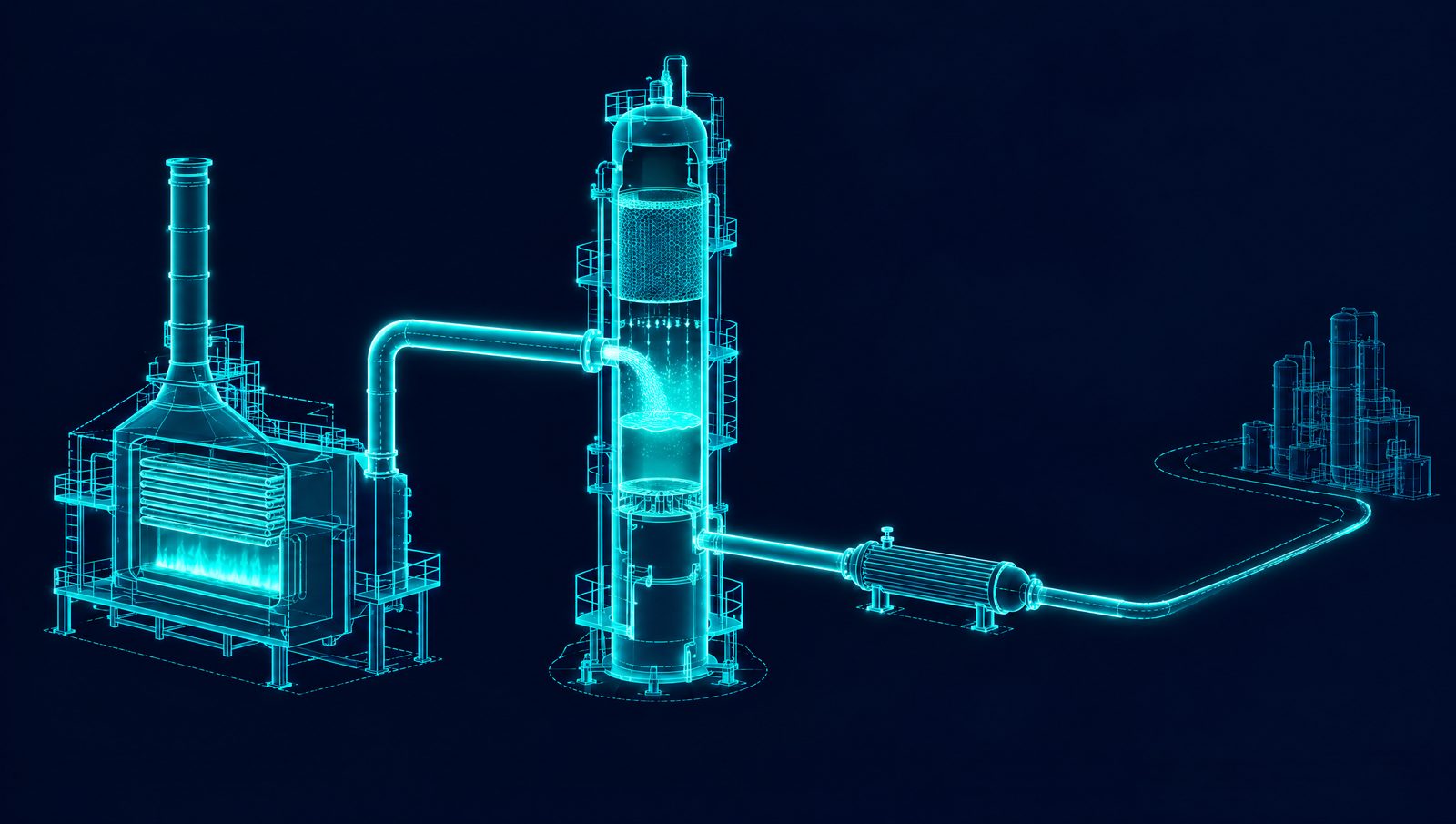
Vacuum distillation unit: recovering value below atmospheric limits
How flash zone pressure, heater limits, wash section stress and ejector performance erode VGO yield between turnarounds, and how to recover it.
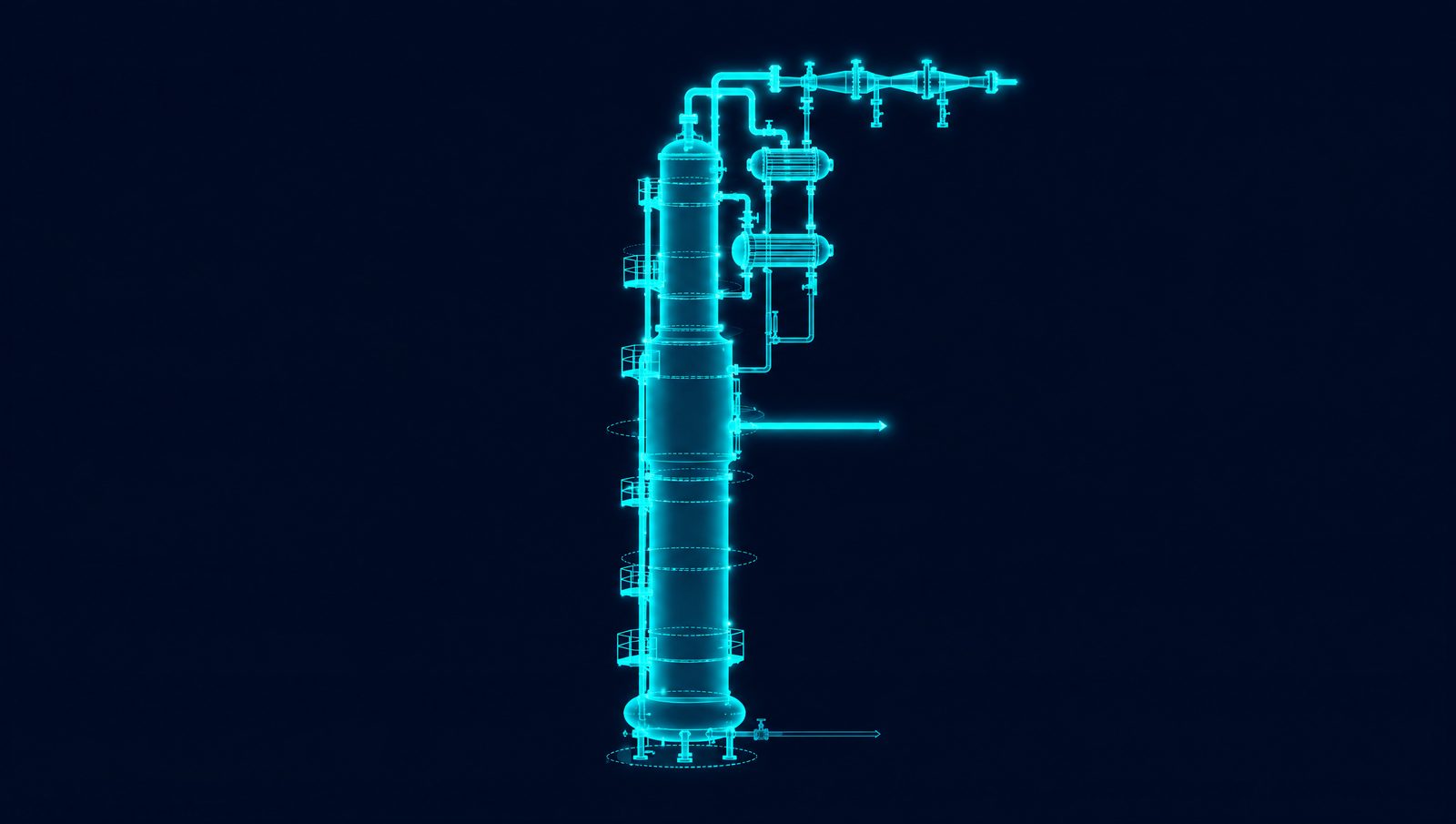
Vacuum distillation optimization in process operations
How overhead pressure, column internals and ejector health set vacuum column economics, and why fixed control targets leave gas oil in the bottoms.
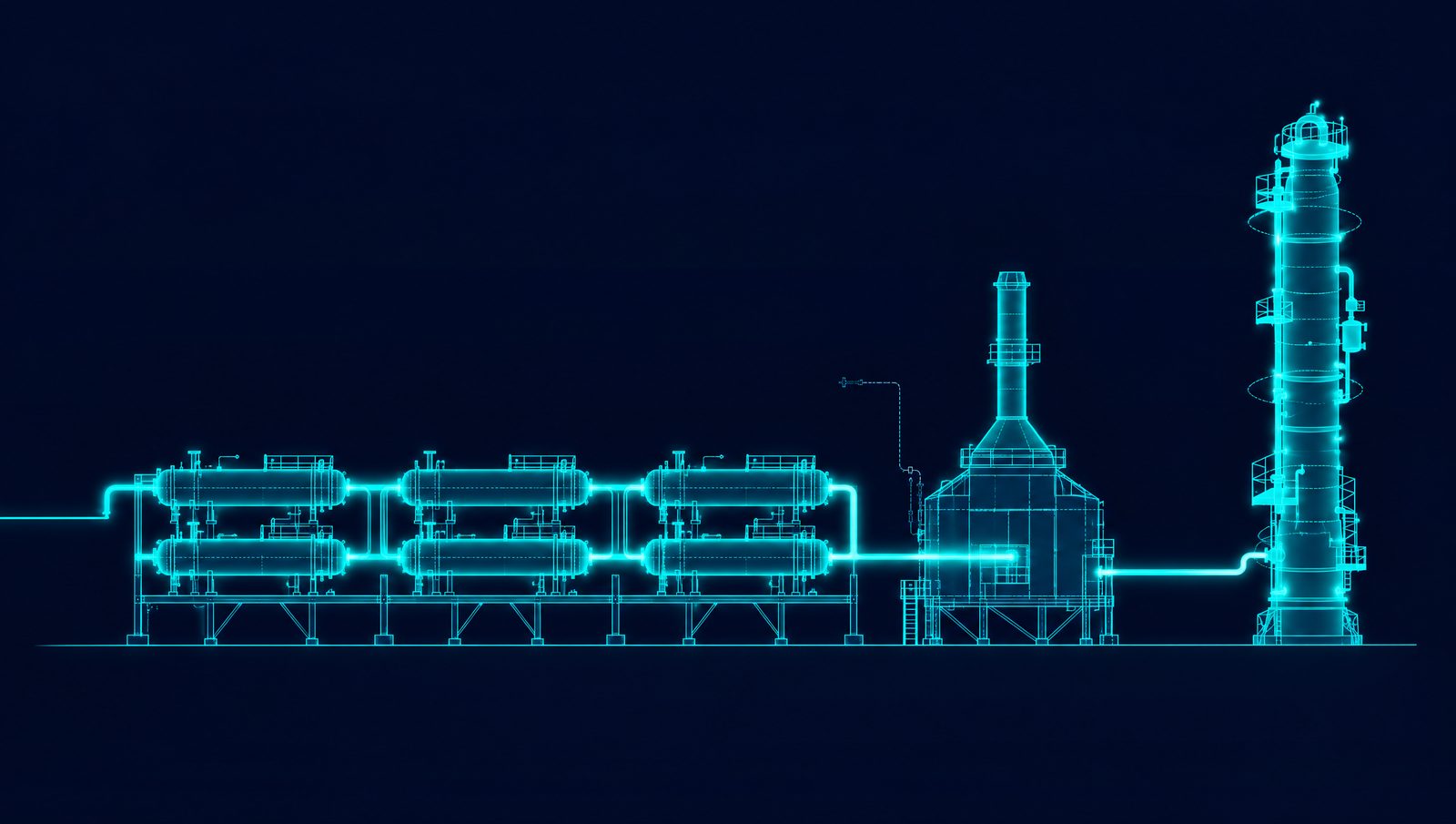
Three strategies to manage energy in oil and gas operations
How oil and gas operators cut fuel and power use by metering energy in real time, tying it to operating conditions and automating energy-intensive setpoints.

Three steps to accelerate the energy transition in oil and gas
How oil and gas operators build a credible emissions baseline, cut methane and energy use, and choose the low-carbon technologies that fit their assets.
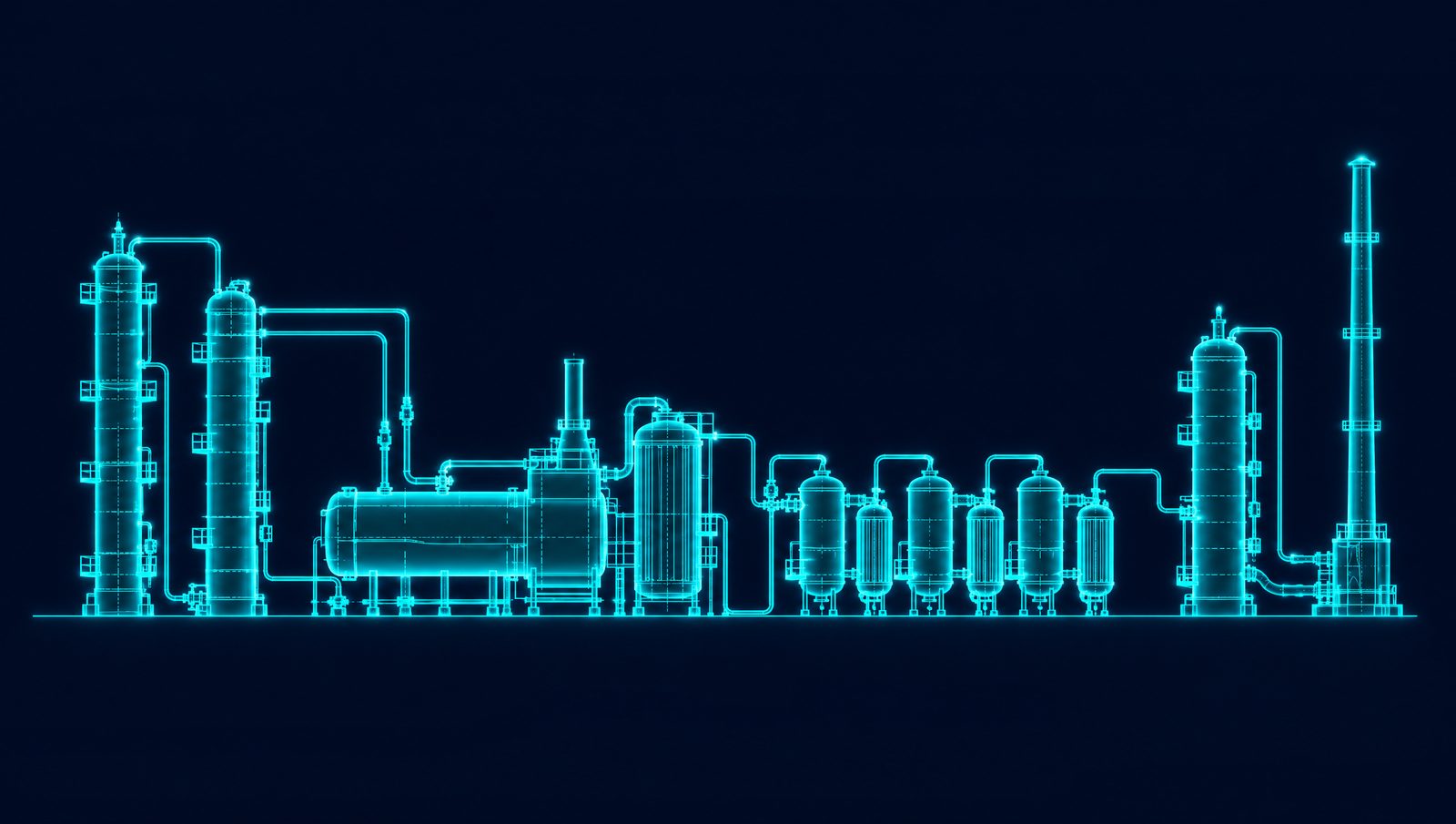
Sulfur recovery unit optimization for margin and compliance
Why the sulfur block limits sour crude capacity, why fixed-model control struggles with SRU feed swings, and how a block-wide model reaches closed loop.
Six ways to extend run length in thermal cracking units
How pass balancing, early coke detection, closed-loop control and steadier feed transitions extend run length in coker heaters and visbreakers.
Six ways AI addresses common challenges in oil and gas
How AI models help oil and gas operations cut unplanned downtime, lower energy use, steady process variability and run the whole facility closer to its optimum.
Six elements of a successful AI pilot in oil and gas
The six elements that take an AI pilot in oil and gas from experiment to production: objectives, data, teams, architecture, operator adoption and monitoring.
Seven operational excellence gains from closed-loop AI in oil and gas
How closed-loop control on refinery and gas plant units lifts throughput, cuts fuel, tightens quality and safety margins, and holds gains as conditions change.
Reducing gasoline blending giveaway across the component pool
Why octane and RVP giveaway build up at the blend header, from nonlinear blending to lab delay and shared components, and how a learned model reduces it.
Optimizing propylene recovery units with AI: six steps to start
A six-step path to optimizing a propylene recovery unit, from data readiness and baselines to hybrid models, closed loop and scale-up.
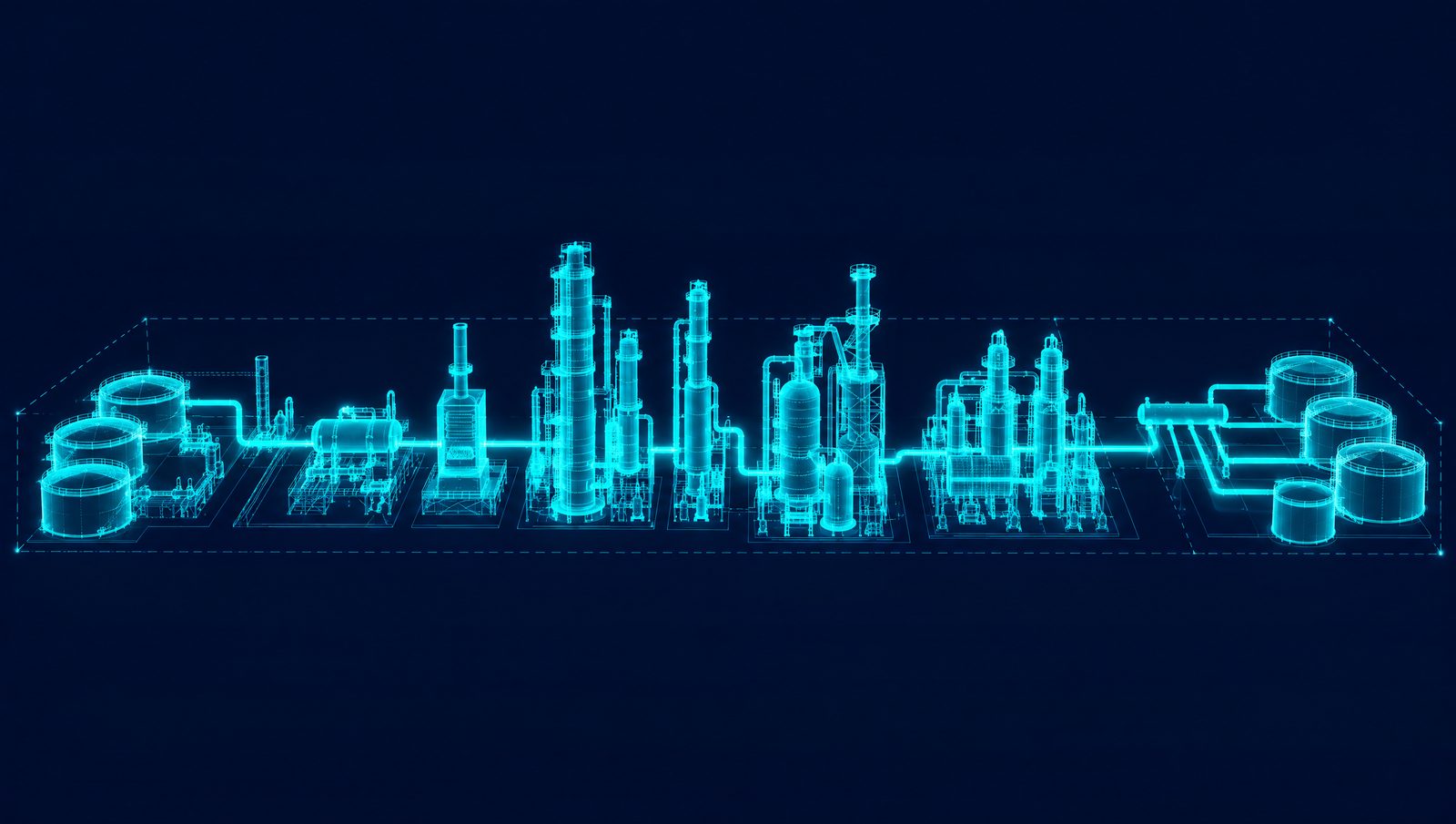
Oil refinery process: from crude receipt to margin recovery
How a crude change cascades from desalting and distillation through conversion, hydrogen and blending, and where refinery margin leaks between units.
Oil refinery optimization: how AI builds on what LP models leave behind
Why refinery margin slips between the LP plan and the plant, and how models learned from plant data recover yield, energy and blending giveaway.
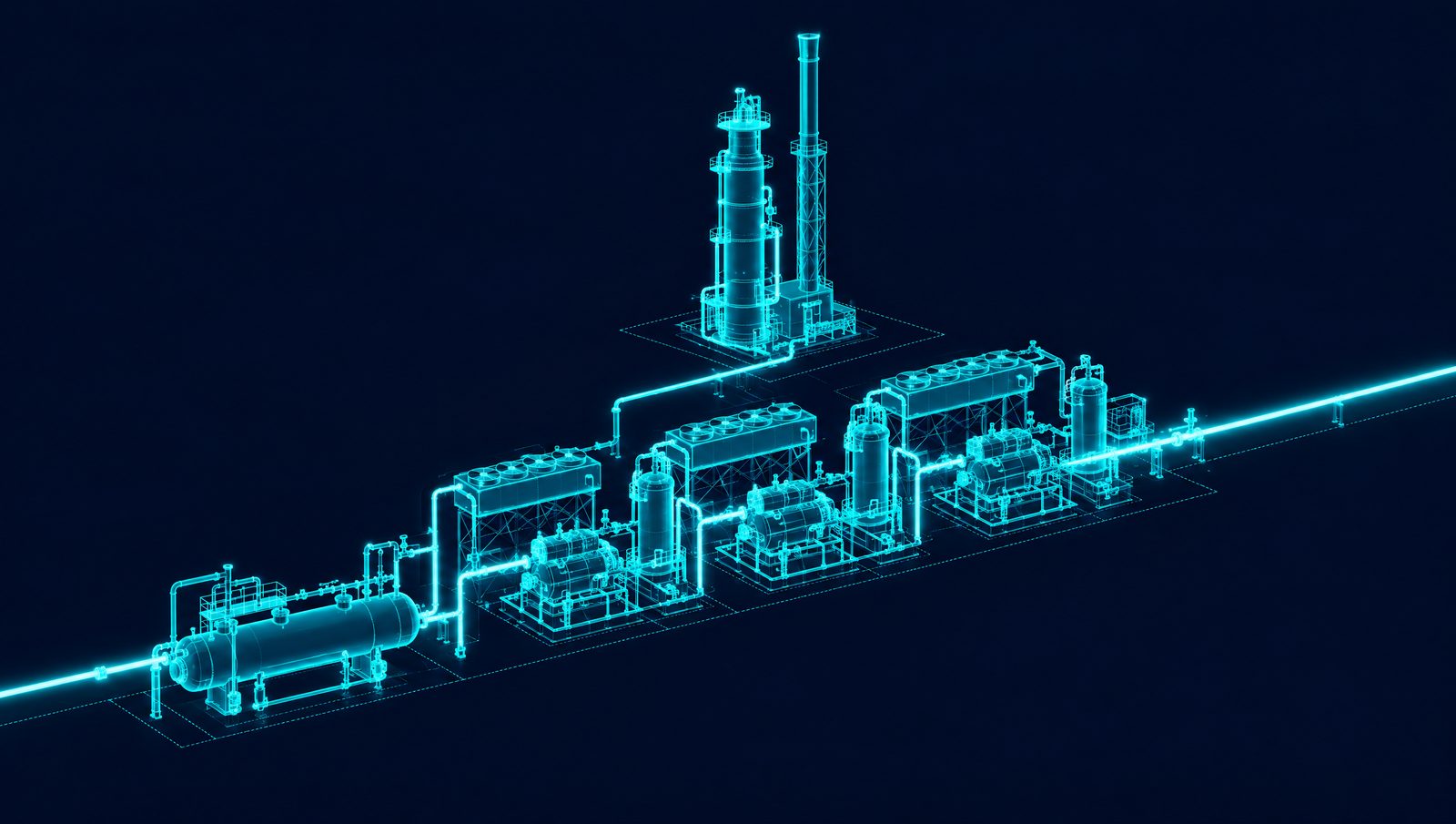
Industrial AI for oil and gas production: five applications
Five places industrial AI improves oil and gas operations: compressors and heaters, plant energy, product quality, equipment coordination and operator support.
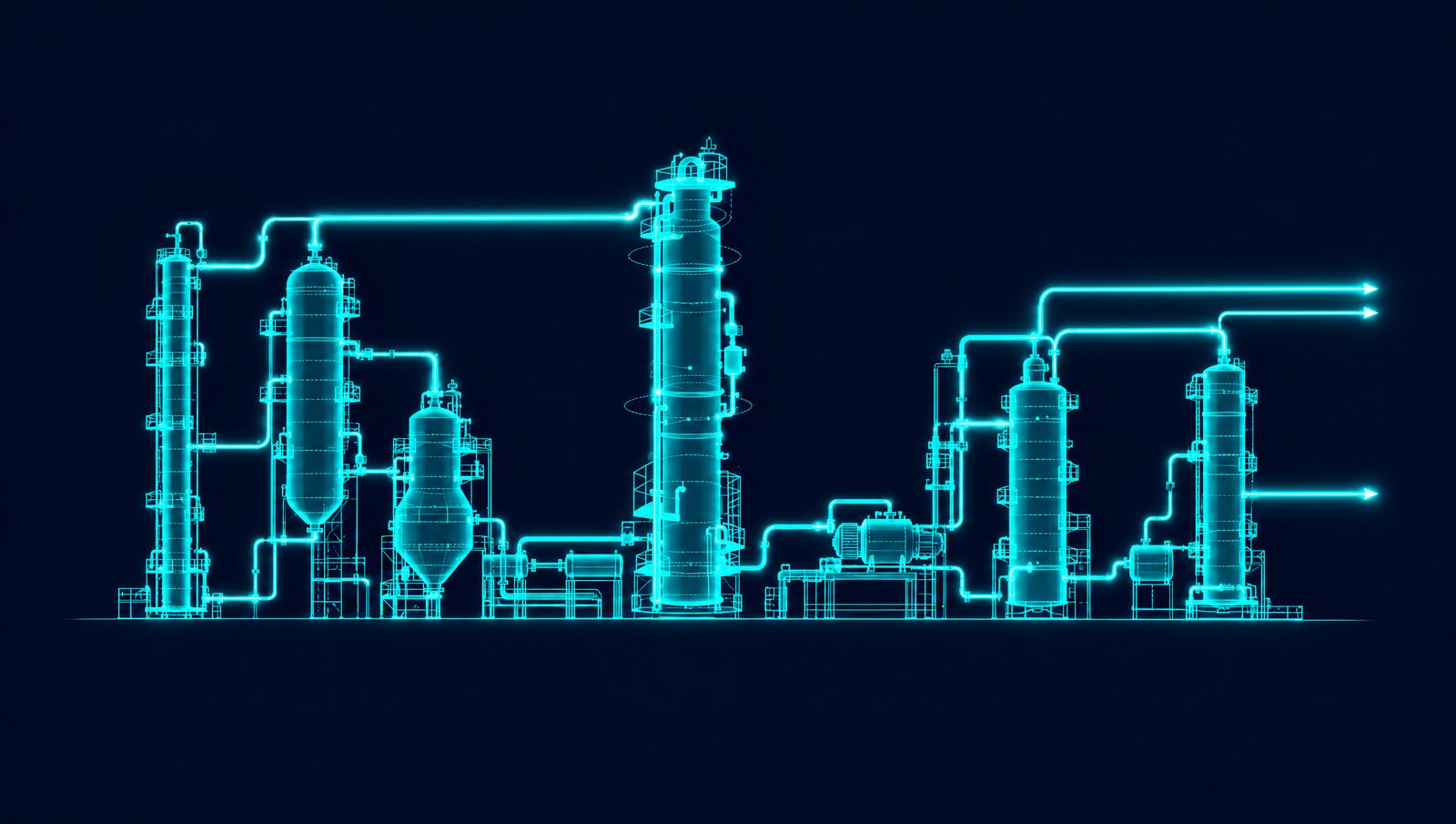
Improving fluid catalytic cracking (FCC) yields with closed-loop AI
Why FCC units run inside their capability, where linear APC models lose accuracy, and how models learned from plant data recover FCC yield and margin.
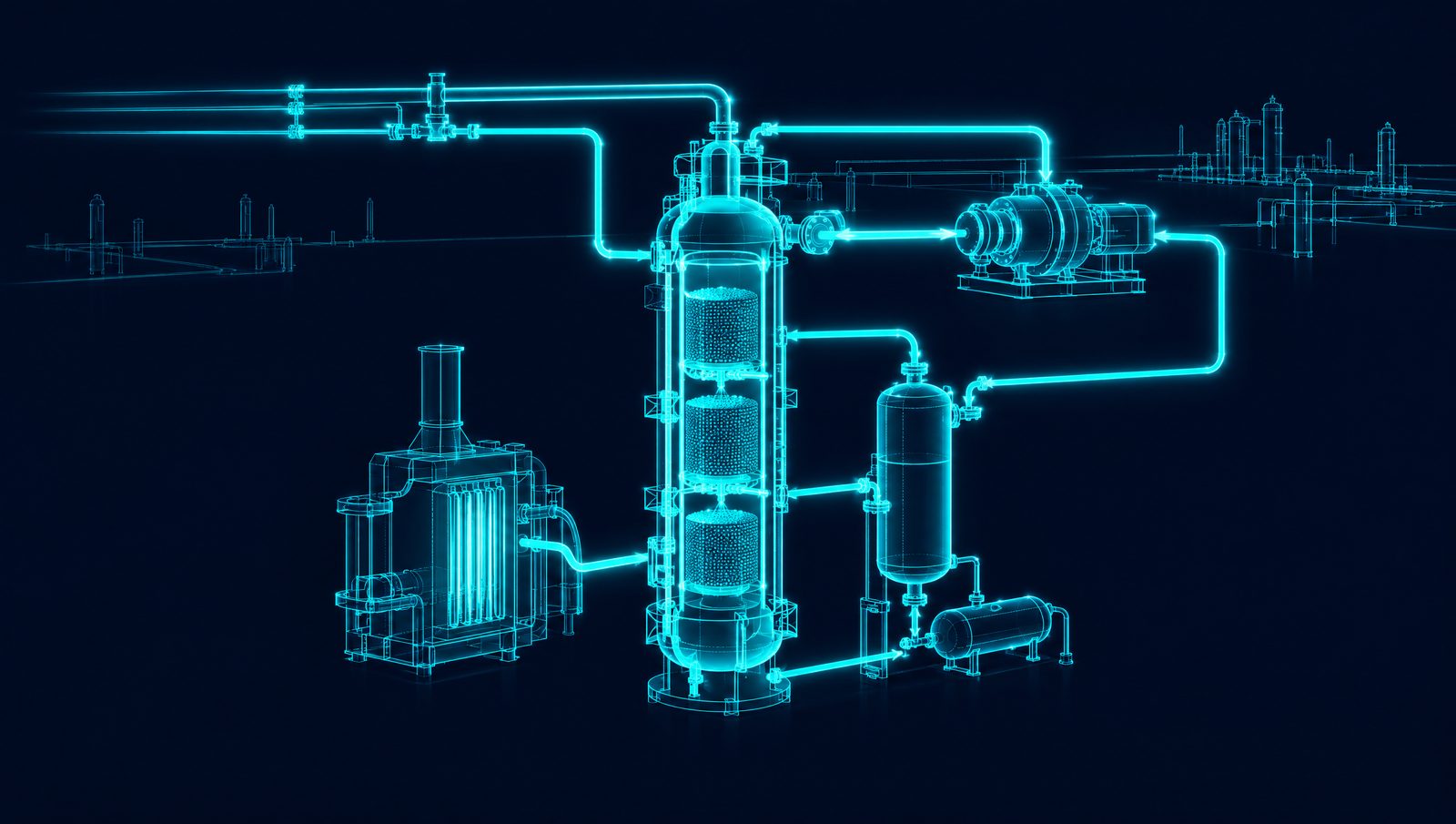
Hydrotreating optimization across the catalyst cycle
Why hydrotreaters carry extra WABT, hydrogen and throughput cushions, how end-of-run limits converge, and how coordinated control reduces them safely.

Hydrocracking yield optimization through the full catalyst run
How configuration, WABT, recycle quality and catalyst aging interact to narrow the hydrocracker operating window as the catalyst run progresses.

How to increase distillation yield without capital projects
Recover distillation yield from existing columns with tighter cut points, less quality giveaway, inferential quality models and real-time economics.
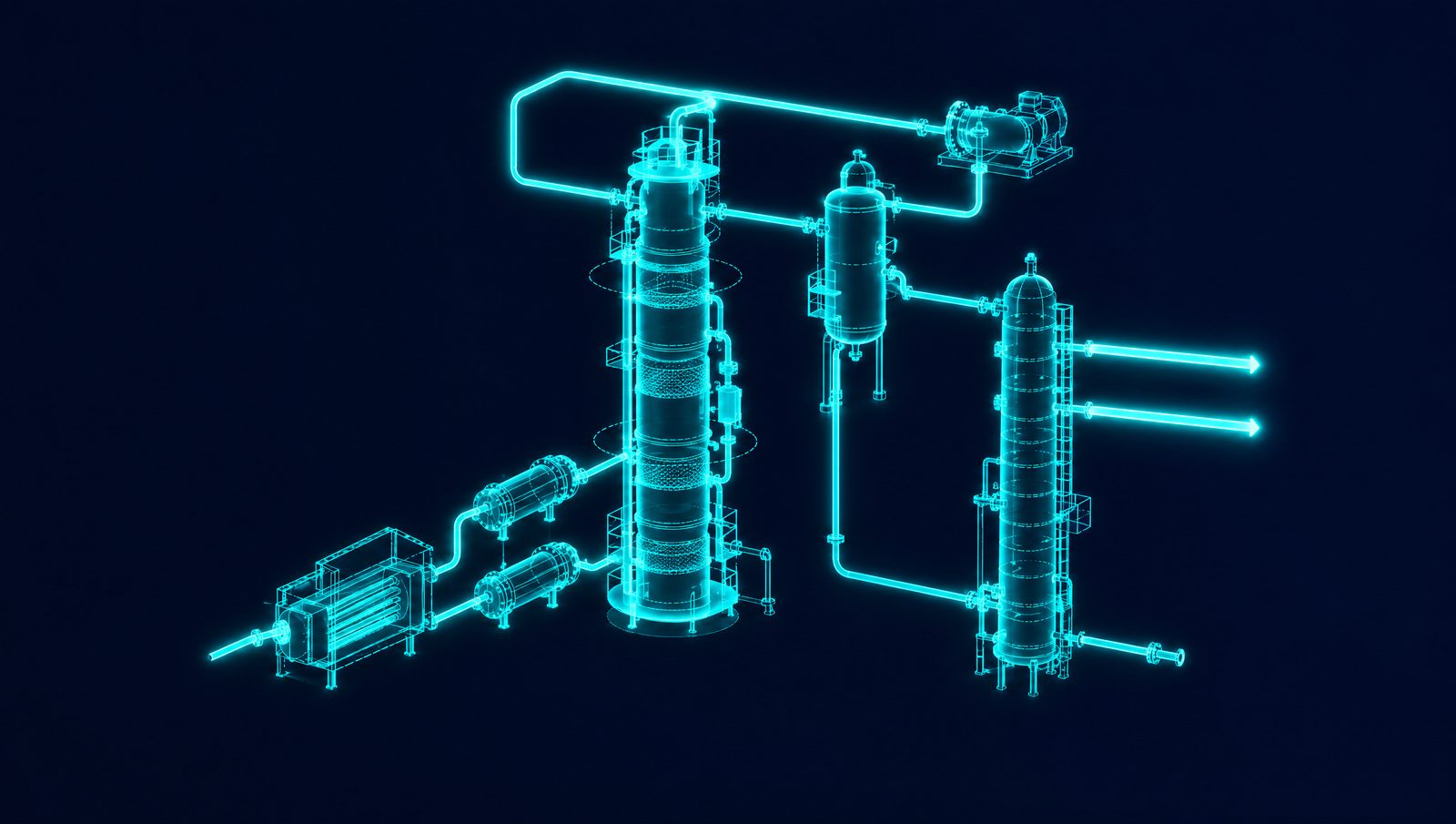
How to improve hydrocracker yields with closed-loop optimization
The data, catalyst health signals, feed changes, transitions and early warnings that matter when a learned model takes on hydrocracker yield.

How to extend delayed coker heater run length
Why heater fouling sets delayed coker run length, how pass balancing and fouling monitoring buy time, and where a learned model extends the heater cycle.
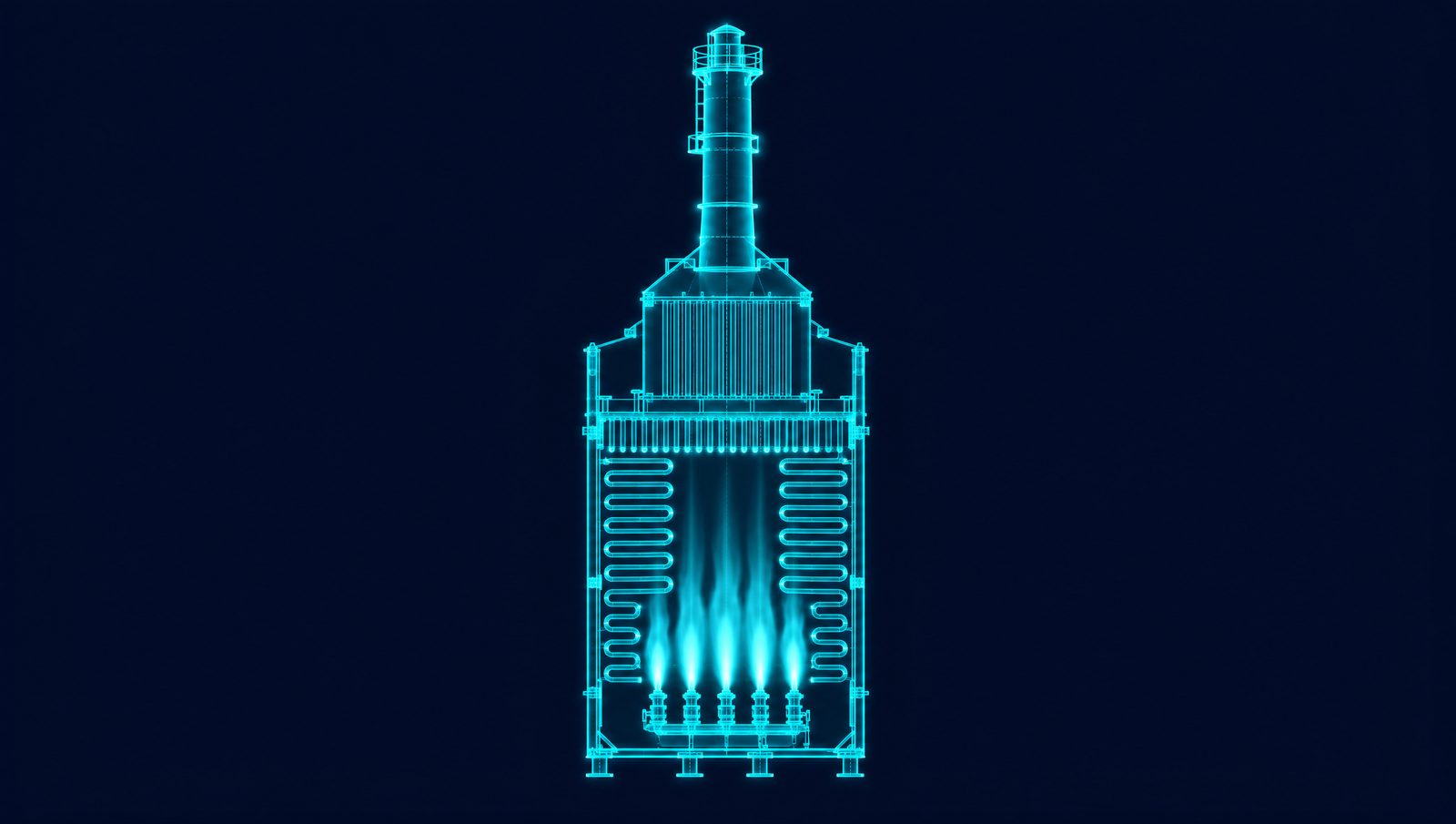
How a refinery furnace works and how to optimize it
How refinery fired heaters work, the operating habits that foul and overheat them, and how learned models help extend run length and cut fuel use.
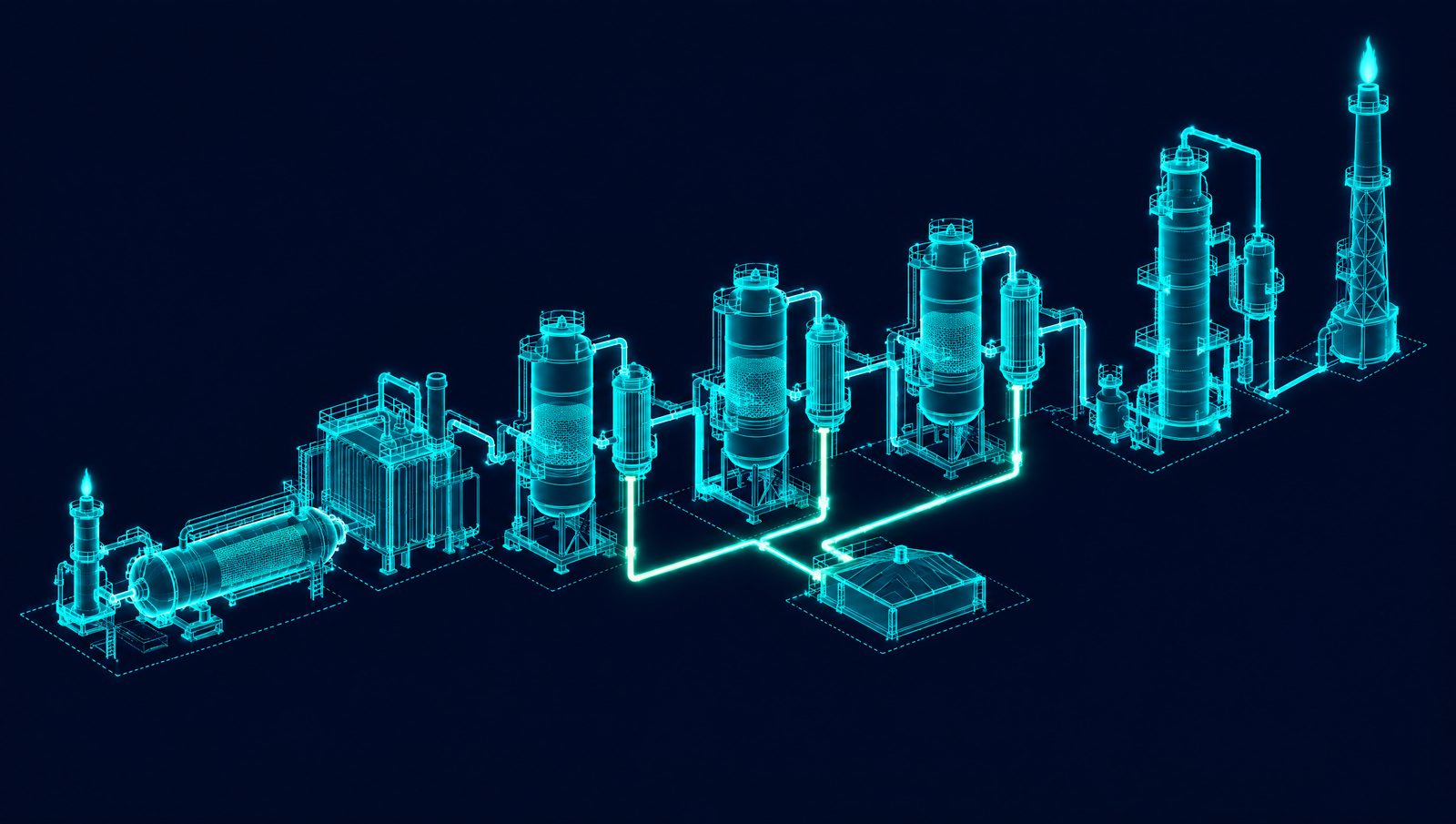
How Claus process constraints shape refinery sulfur recovery and margins
How Claus chemistry, acid gas feed variability and stack limits make the sulfur recovery unit a ceiling on the crude slate, and where learned models help.
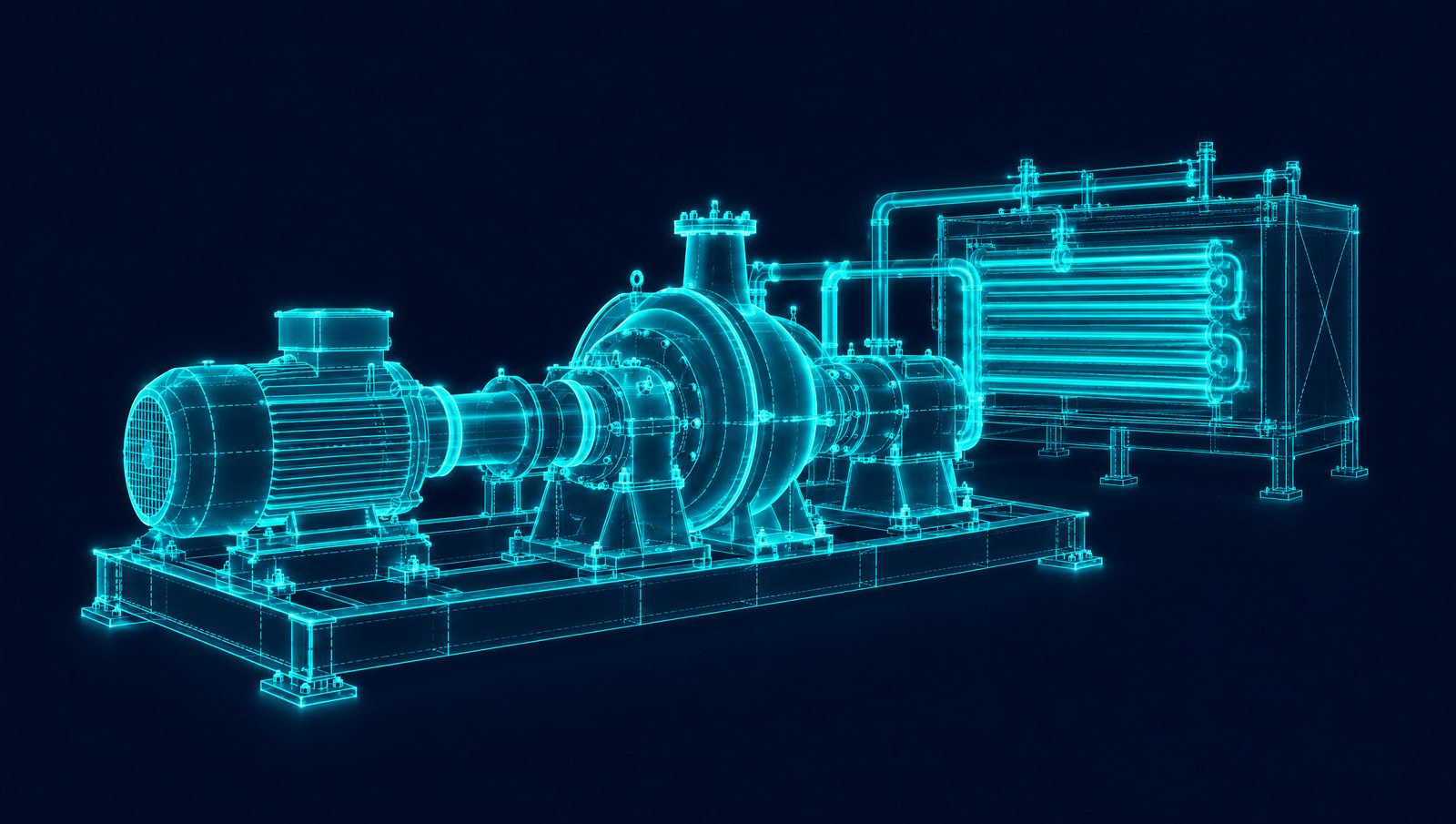
How AI improves plant reliability in refinery operations
Five ways AI helps refineries run more reliably: real-time optimization, predictive maintenance, faster root-cause analysis, earlier warnings and lower costs.
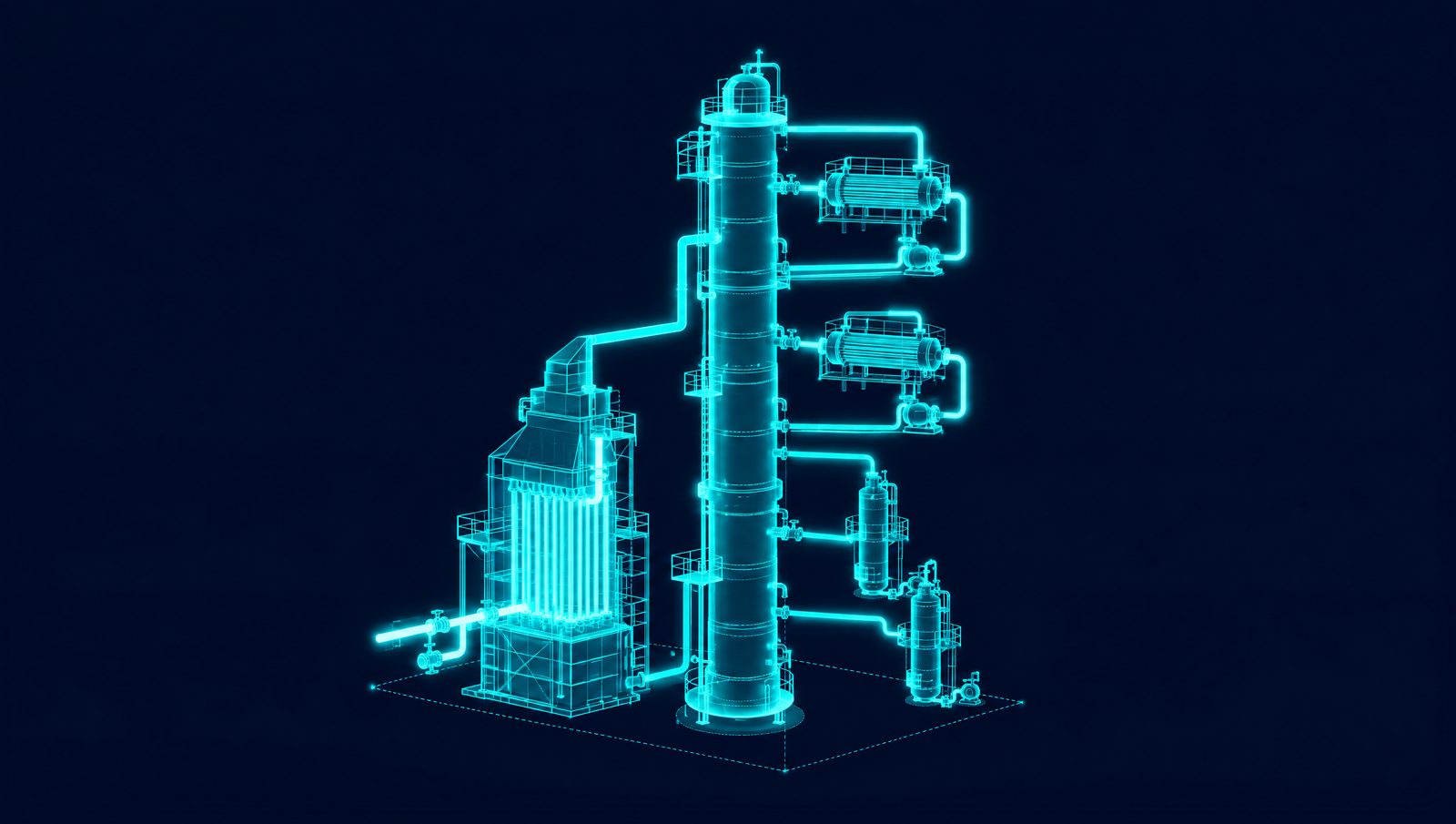
How AI improves efficiency in downstream oil and gas
Five places AI improves downstream efficiency: energy management, real-time process control, supply chain and logistics, safety, and predictive maintenance.

Fractionation column optimization and troubleshooting
How feed, pressure and equipment drift push fractionation columns off target, how to read flooding, fouling and weeping signals, and where learned models help.

Four ways AI can reduce carbon emissions in oil and gas operations
How process optimization, methane monitoring, site energy management and predictive maintenance cut oil and gas emissions without cutting production.
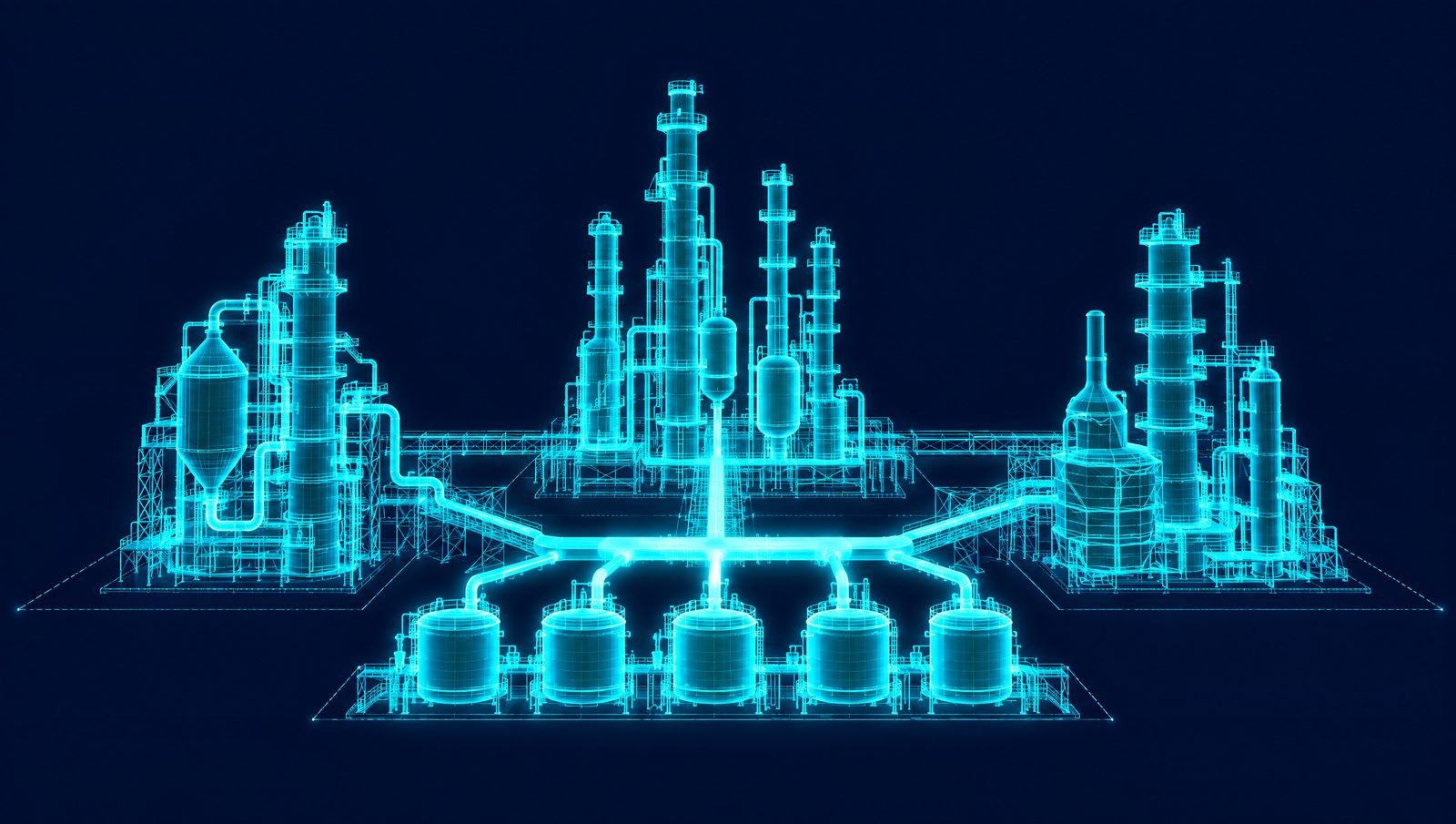
Four refinery operations issues that erode margin
Unit-to-unit variability, slow response to market swings, reactive maintenance and control room bandwidth limits: four ways refinery margin leaks.
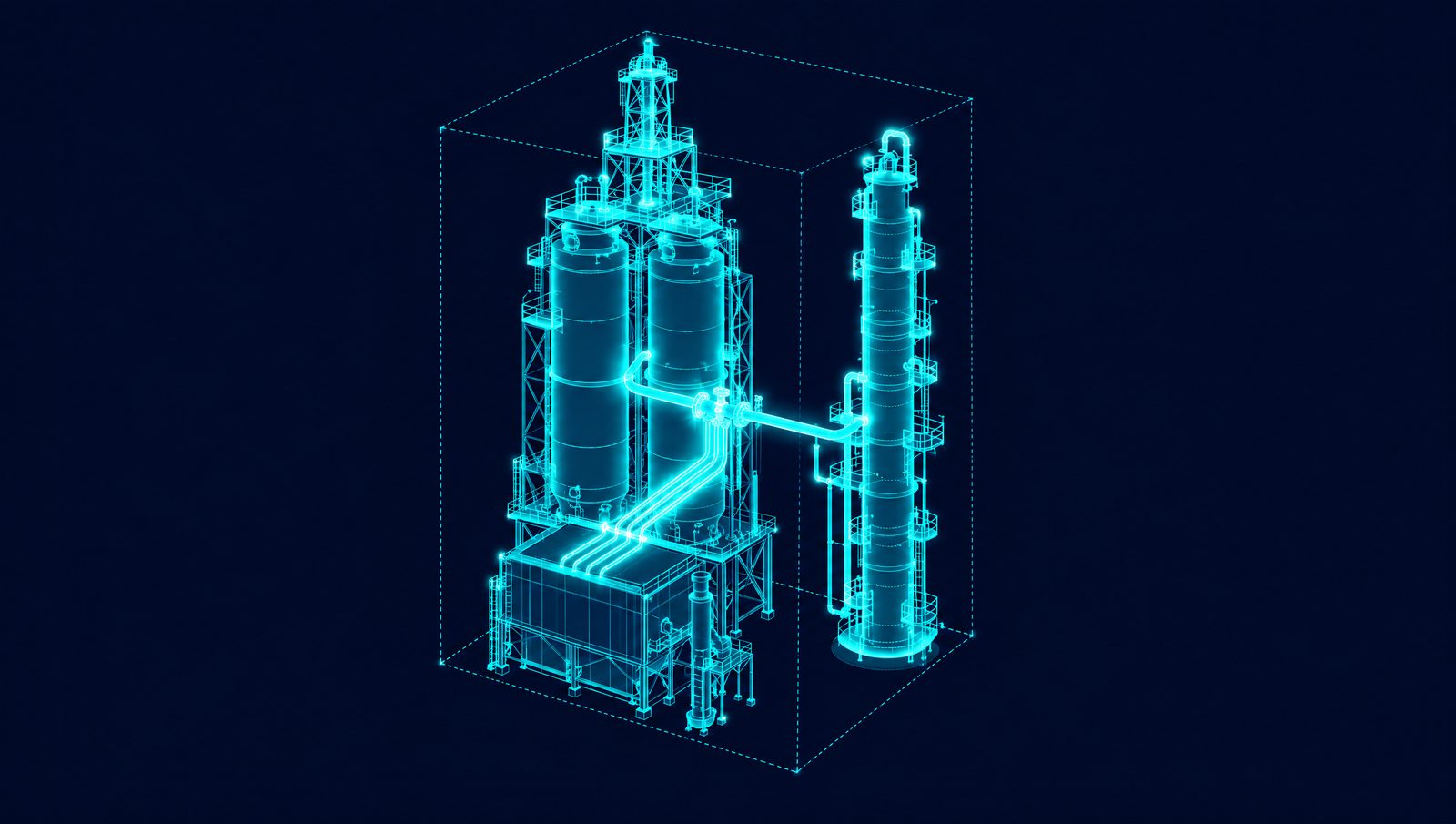
Five ways to reduce unplanned downtime in a delayed coker
How balanced heater passes, early fouling prediction and coordinated control across the residue chain help a delayed coker avoid unplanned decokes and outages.
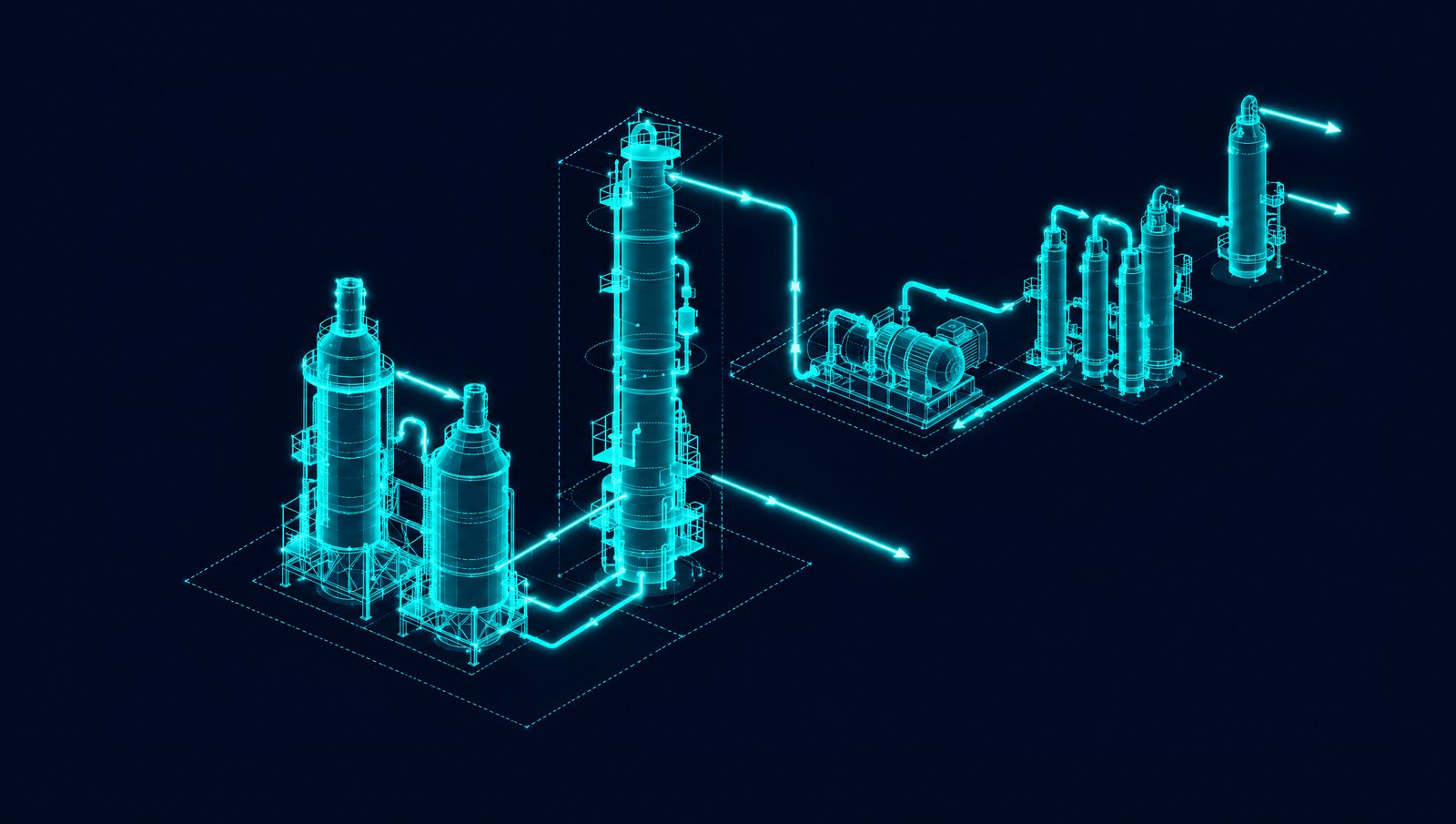
FCC unit: equipment layout, operating modes and performance
How FCC equipment layout, operating modes, feed quality and control gaps interact to set the unit's ceiling, and where refiners can recover FCC margin.
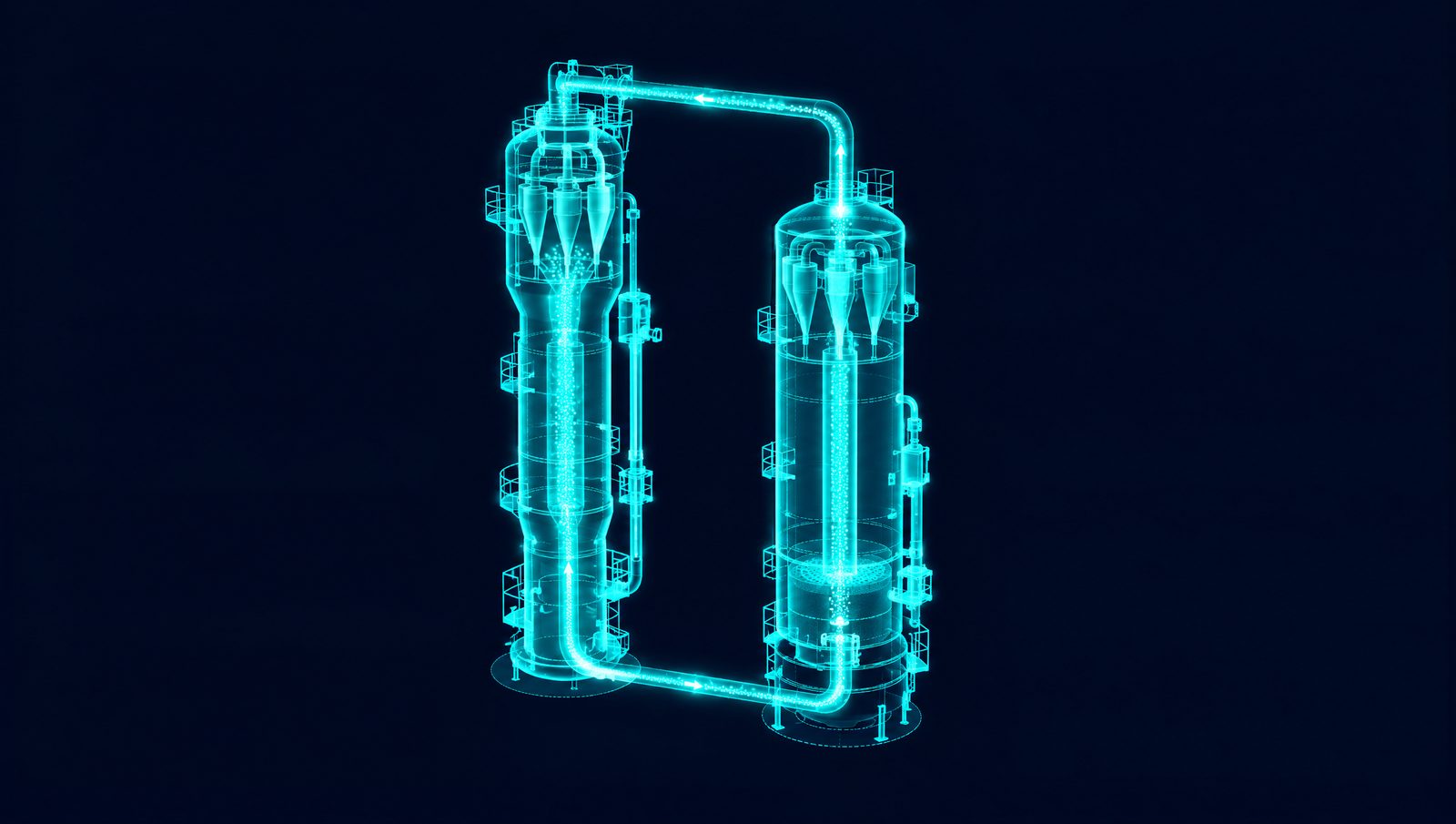
FCC catalyst management and the impact on unit economics
How FCC catalyst selection, Ecat activity and metals, and the limits of linear APC shape conversion, constraint headroom and refinery margin.
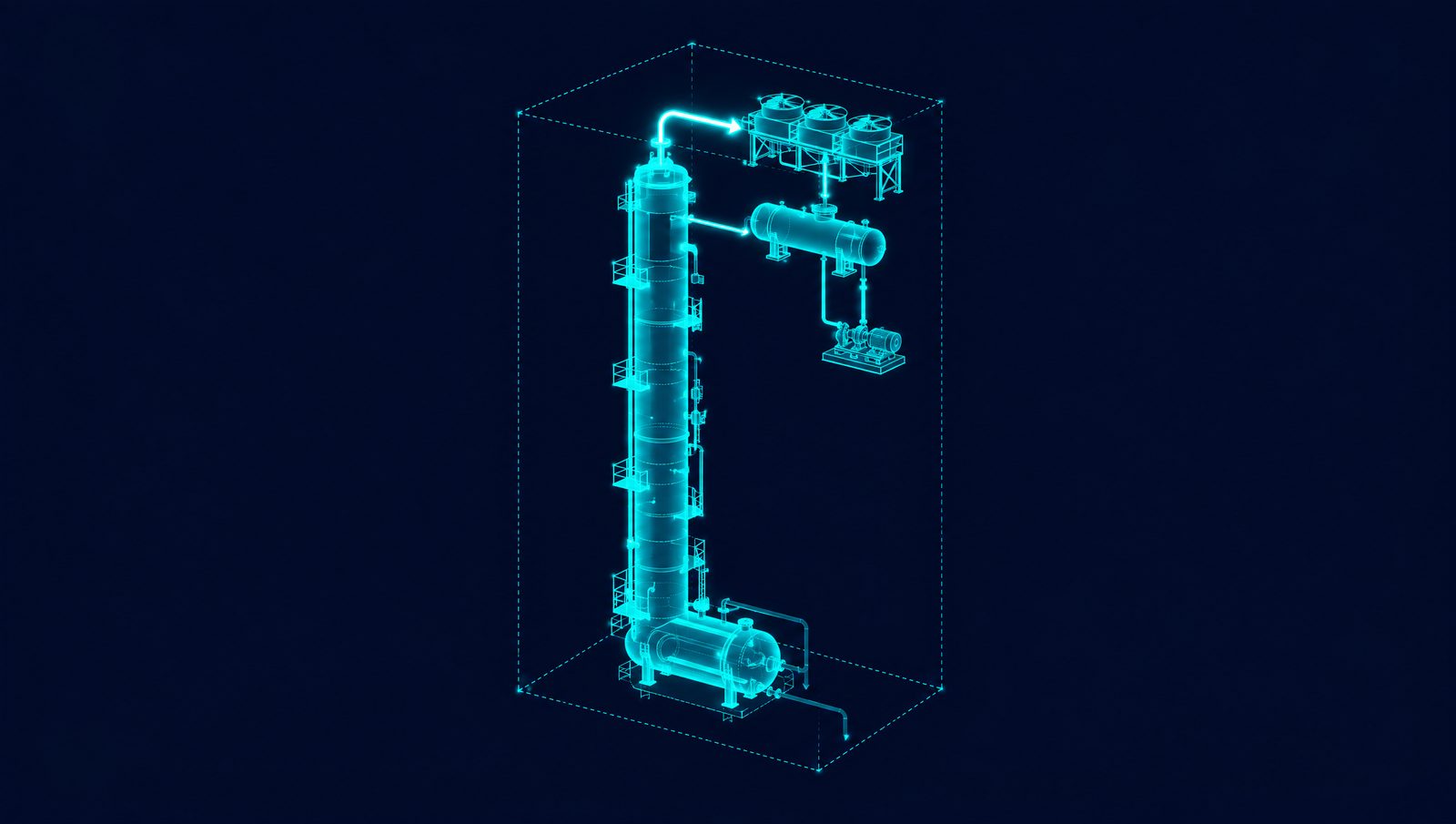
Depropanizer optimization with analyzer lag and coupled variables
How top pressure, reflux, reboiler duty and analyzer dead time shape depropanizer propane recovery and energy, and how a learned model tightens the window.
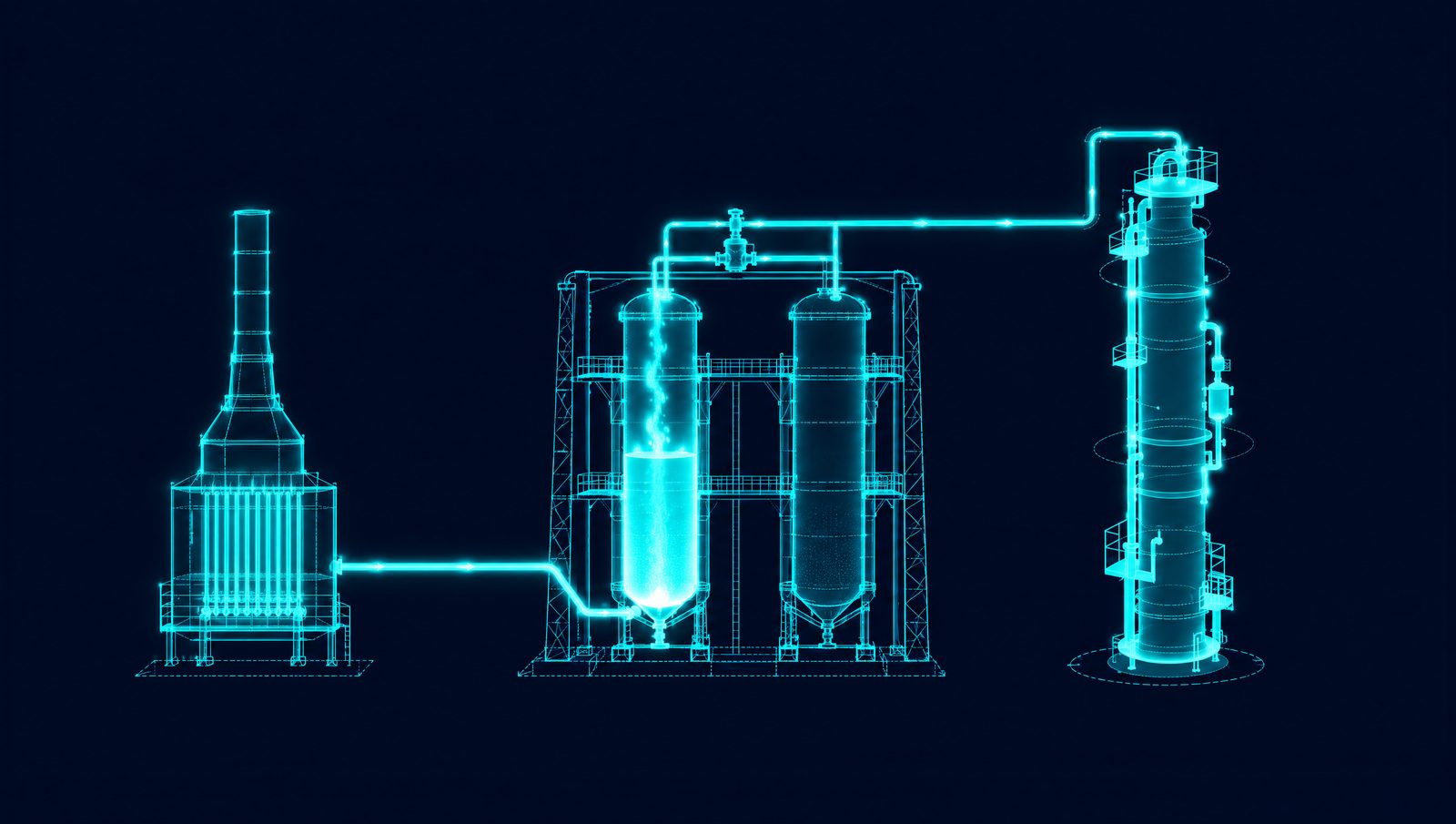
Delayed coker optimization across drum cycles and yield levers
How drum cycle phases, oil partial pressure, recycle ratio, coking temperature and feed quality set delayed coker margin, and why linear control struggles.
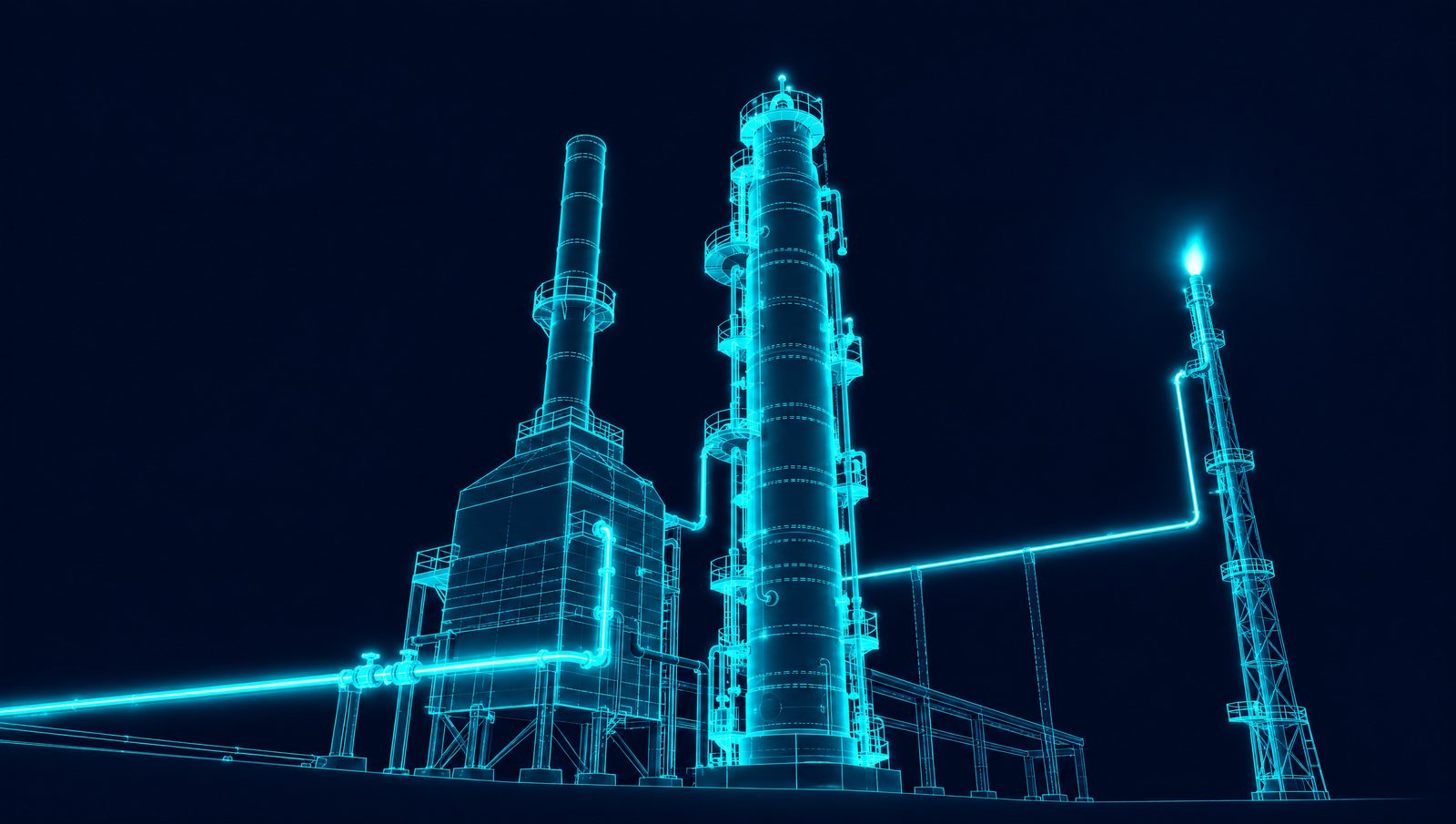
Decarbonization in oil and gas: five trends and the role of real-time AI
How hybrid power, carbon capture, process optimization, low-carbon fuels and regulation are shaping oil and gas decarbonization, and where real-time AI fits.
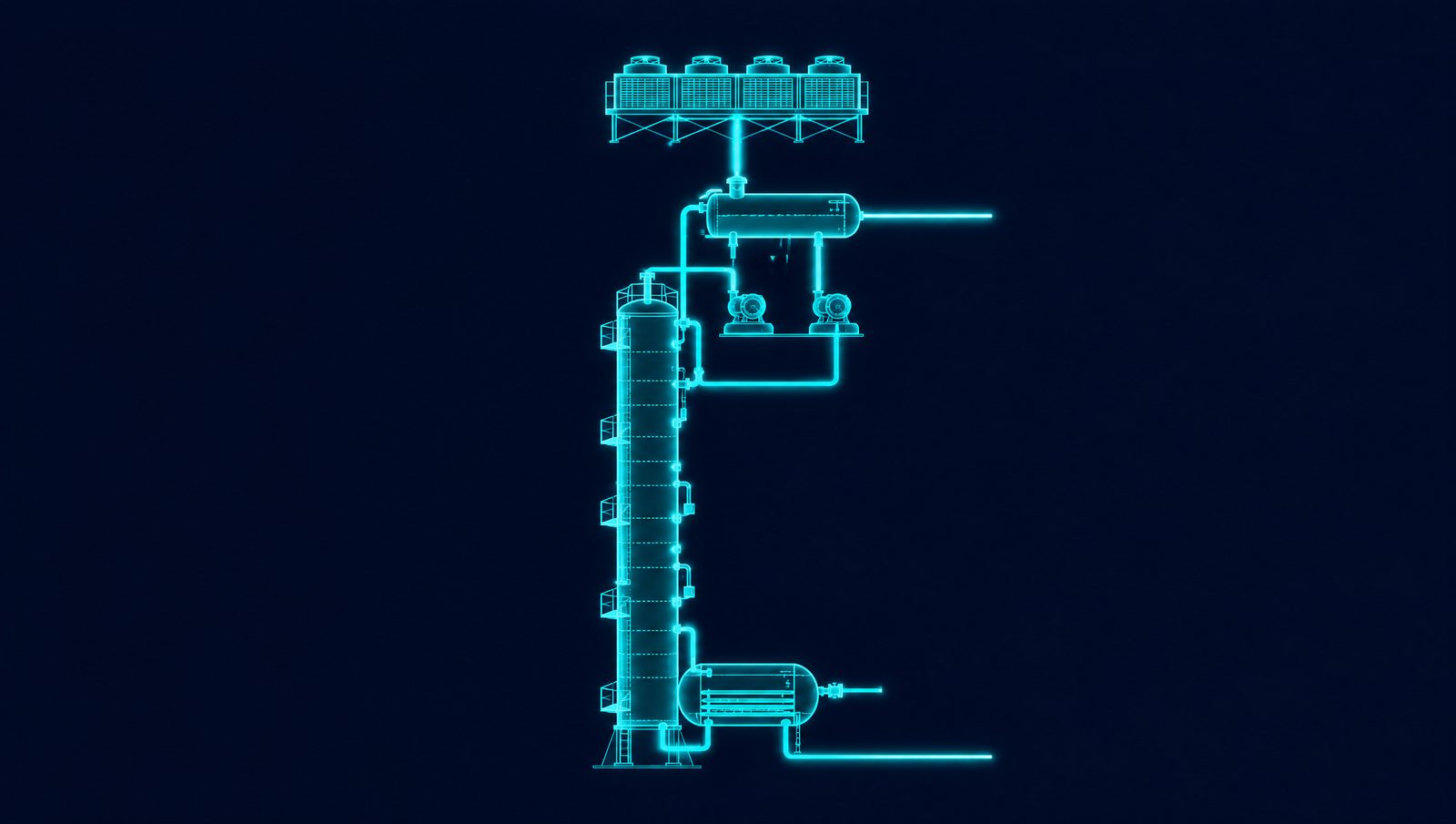
Debutanizer optimization: holding product specs with less reboiler steam
How feed swings, tray hydraulics and reboiler fouling push a debutanizer off target, and how monitoring, soft sensors and learned control help.
Closing the performance gap in day-to-day refinery operations
Why refinery margin leaks between units, plans and shifts, why LP models and APC leave gaps in execution, and how cross-unit optimization closes them.
Alkylation unit optimization when the variables move together
Why acid strength, olefin feed, reactor temperature and I/O ratio erode alkylation margin together, and how a learned model coordinates them with the FCC.
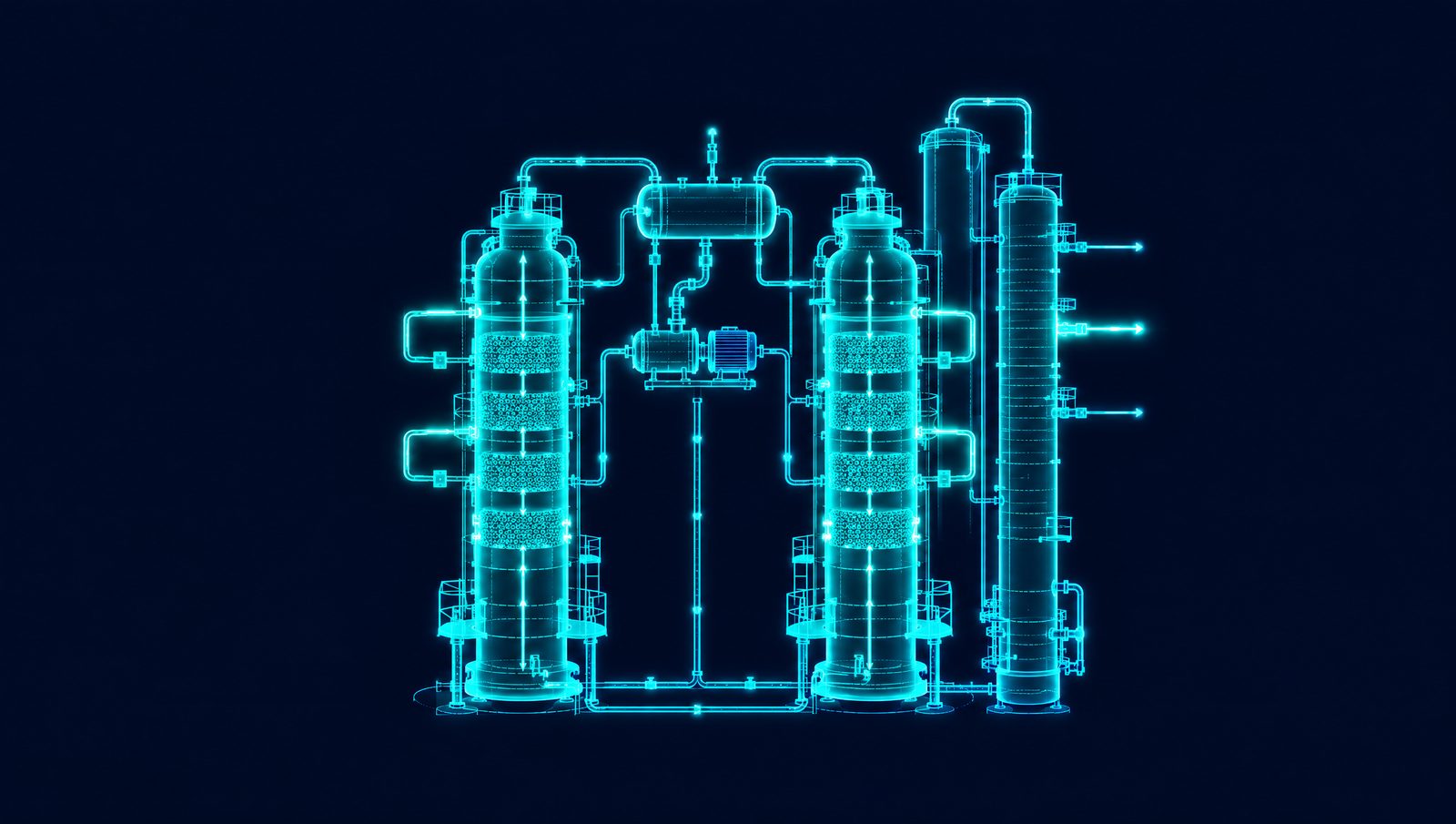
Adding AI to hydrocracker control
The variables, safety limits and control gaps that shape hydrocracker optimization, and the practices that help a learned controller earn operator trust.
AI in the crude oil refining process: crude slates, fired heaters and product yields
How crude slate swings, fired-heater combustion and nonlinear unit yields erode refinery margin, and how learned process models address each one.
AI for oil and gas: a practical plan for refinery reliability
Five near-term moves and seven steps to cut refinery downtime, from unified OPR and OEE metrics to predictive maintenance and closed-loop control.
10 best practices for digital transformation in oil and gas
Ten practices for digital transformation in oil and gas, from clear business goals and data quality to cybersecurity, closed-loop AI and measured iteration.
Chemicals and polymers
42
What is a petrochemical plant? Processes, products and how modern plants run
How a petrochemical plant turns feedstock into olefins and aromatics, where energy and transition losses build, and how its control layers keep it stable.
Three strategies to manage energy in polymer manufacturing
How polymer plants lower energy per kilogram with real-time metering, process-to-energy analysis and automated setpoints, using data they already collect.
Six operating challenges AI addresses in chemical manufacturing
How AI helps chemical plants with unplanned downtime, energy-intensive reactions, process variability, product quality, safety and yield.
Six industrial AI applications for polymer manufacturing
Where industrial AI helps polymer plants: reactor and catalyst control, grade transitions, soft sensors, energy, throughput and operator support.
Signs a chemical plant is ready for closed-loop process optimization
Five readiness indicators for chemical plants weighing closed-loop optimization: data, margin pressure, leadership, skilled teams and improvement culture.
Seven ways AI improves batch-to-batch consistency in chemical plants
Seven AI methods for batch consistency in chemical plants, from predictive quality and dynamic recipes to transition planning and golden batch profiles.
Seven operational excellence gains from closed-loop AI in polymer manufacturing
How closed-loop control on polymer reactors and finishing lines raises throughput, trims energy, steadies quality and holds gains through grade changes.
Seven operational excellence gains from closed-loop AI in chemical plants
How closed-loop control adds to Lean and Six Sigma in chemical plants, from throughput, energy and safety margins to batch consistency and emissions.
Reducing off-spec production in chemical plants
Where off-spec comes from in chemical plants, from grade transitions and feed swings to catalyst decay and drift, and how learned models catch it early.
Pyrolysis gasoline composition, processing and value recovery
How cracker feed, two-stage hydrogenation and routing between gasoline blending and BTX extraction decide the value recovered from pyrolysis gasoline.
Protecting margins in polypropylene manufacturing
How polypropylene producers can protect margin through propylene use, specialty-grade transitions, catalyst life, finishing quality and uptime.
Profitable decarbonization in the chemical industry
Five levers that cut chemical plant emissions and cost together, from heat integration and off-spec reduction to electrification and closed-loop control.
Polymer reactor types and the control constraints they create
How CSTR, tubular, loop and fluidized bed polymer reactors create distinct control constraints, and where learned models reduce off-spec production.
Olefins plant operations: where margin compounds from feed to product recovery
How feed choice, furnace severity, cracked gas compression and the separation train interact in an olefins plant, and where yield and energy leak.
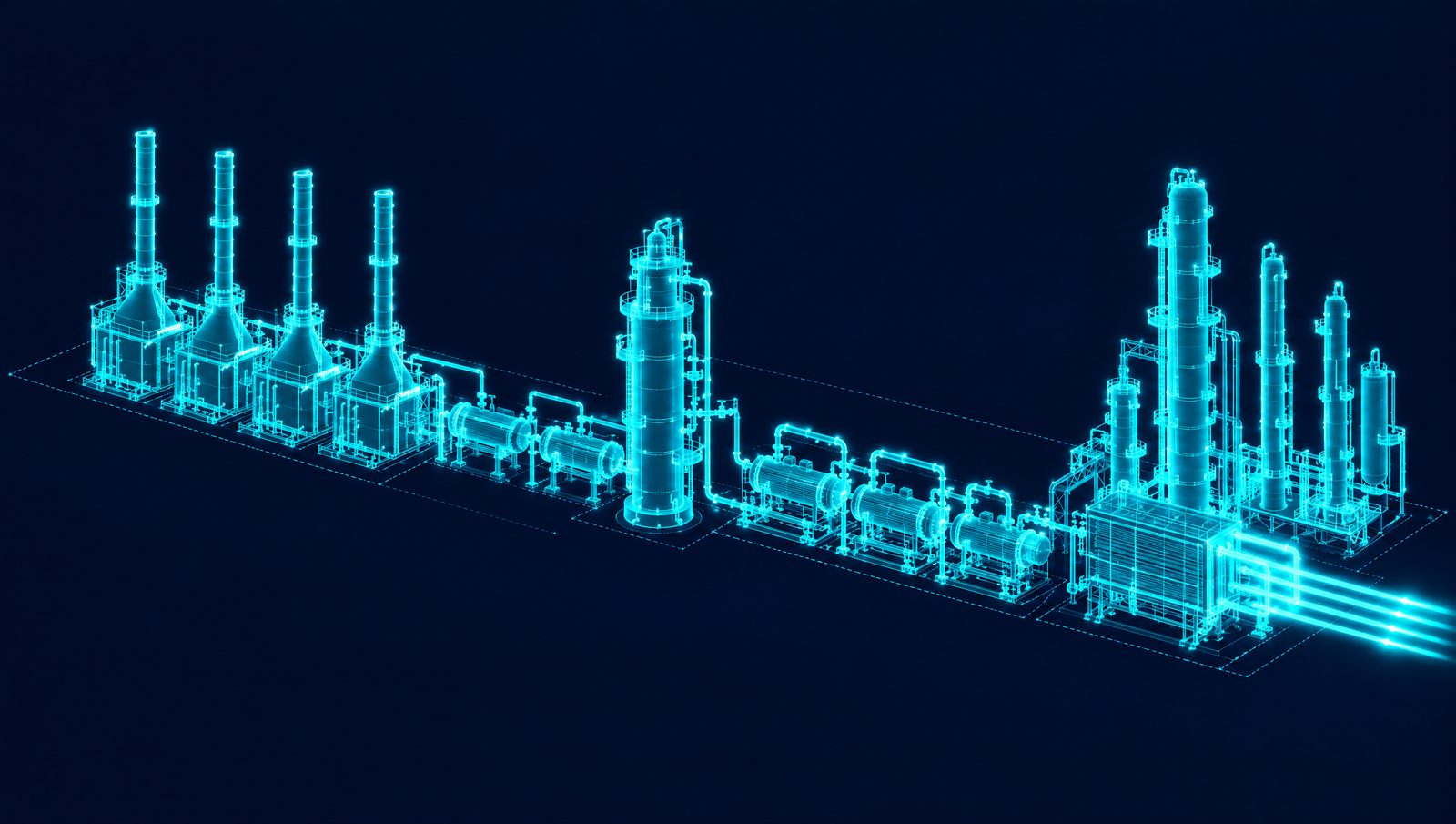
Olefins plant operations and optimization
How an olefins plant works from cracking furnace to cold-end separation, why it resists unit-by-unit control, and how one plant-wide model coordinates it.
Melt flow index: what it measures, how to test it and what the results mean for production
How polymer plants test and read melt flow index, why lab delay hurts grade transitions, and how inferred MFI models give operators an earlier signal.
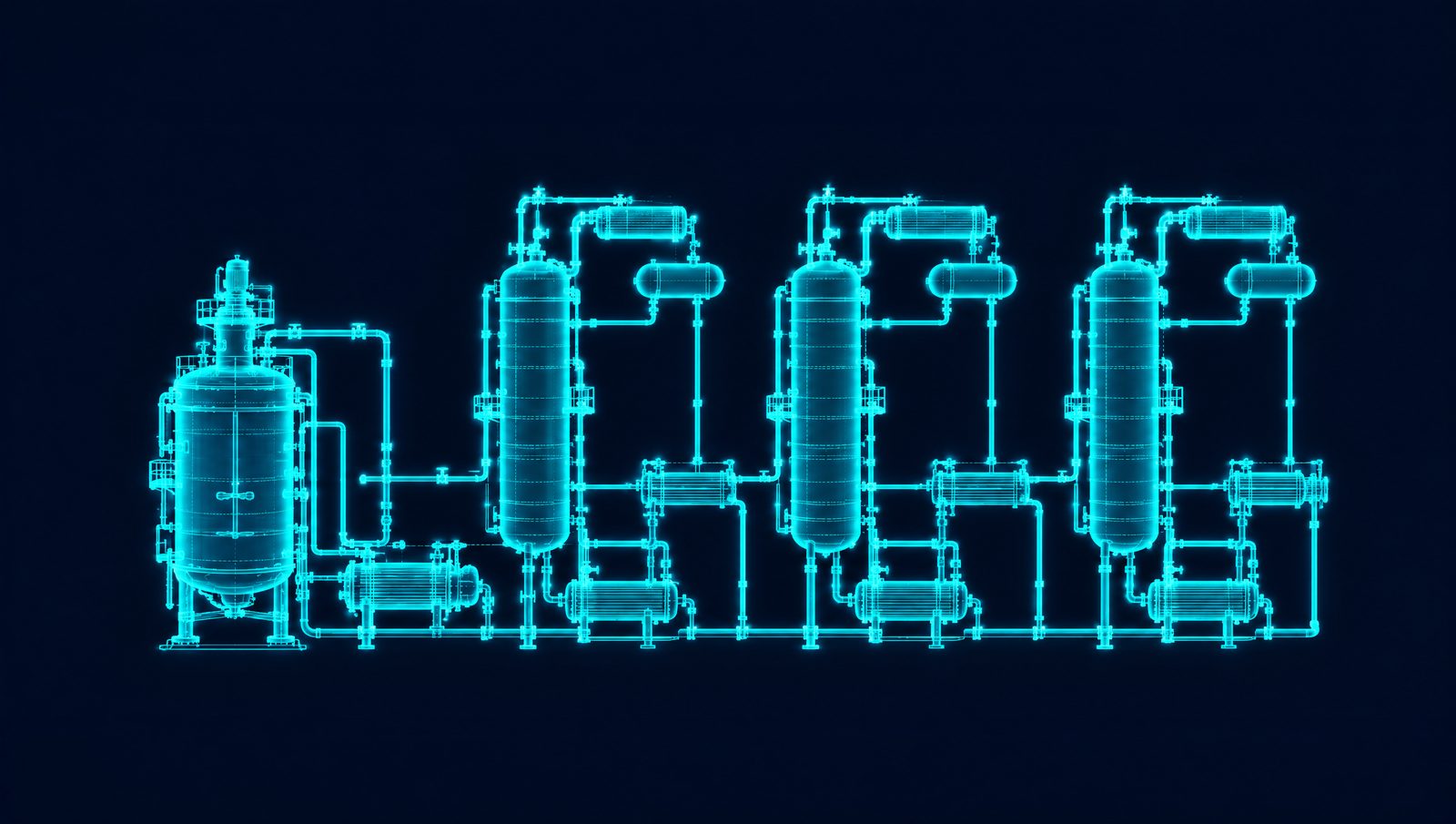
Industrial AI in chemical manufacturing
Where industrial AI adds value in chemical plants, from reactors and quality to energy, why many projects stall, and how plants move to closed-loop control.
How to capture and repeat the golden batch with AI
A step-by-step guide for process engineers on finding the golden batch in historian data, modeling its fingerprint and holding new batches to it.
How the ethanol dry mill process works and where AI improves efficiency
How a corn dry mill makes ethanol, where feedstock swings, thermal energy and shift differences cost yield, and how learned process models help.
How real-time optimization protects margins in polymer manufacturing
Eight places real-time optimization protects polymer margin, from feed variability and reactor conditions to grade transitions, catalyst use and energy.

How pyrolysis furnace coking drives temperature and throughput decisions
How coke build-up raises tube metal temperature, narrows severity, shortens run length through pass imbalance and couples decisions across a cracker fleet.
How plant turnaround management reduces duration, cost and risk
How chemical and petrochemical plants cut turnaround duration, cost and risk through scope challenge, critical path control and faster restart recovery.
How petrochemical feedstock selection shapes plant economics
How ethane, LPG and naphtha feeds differ in yield, co-products, capital and coking, and why cash cracker margin depends on executing the feed strategy.
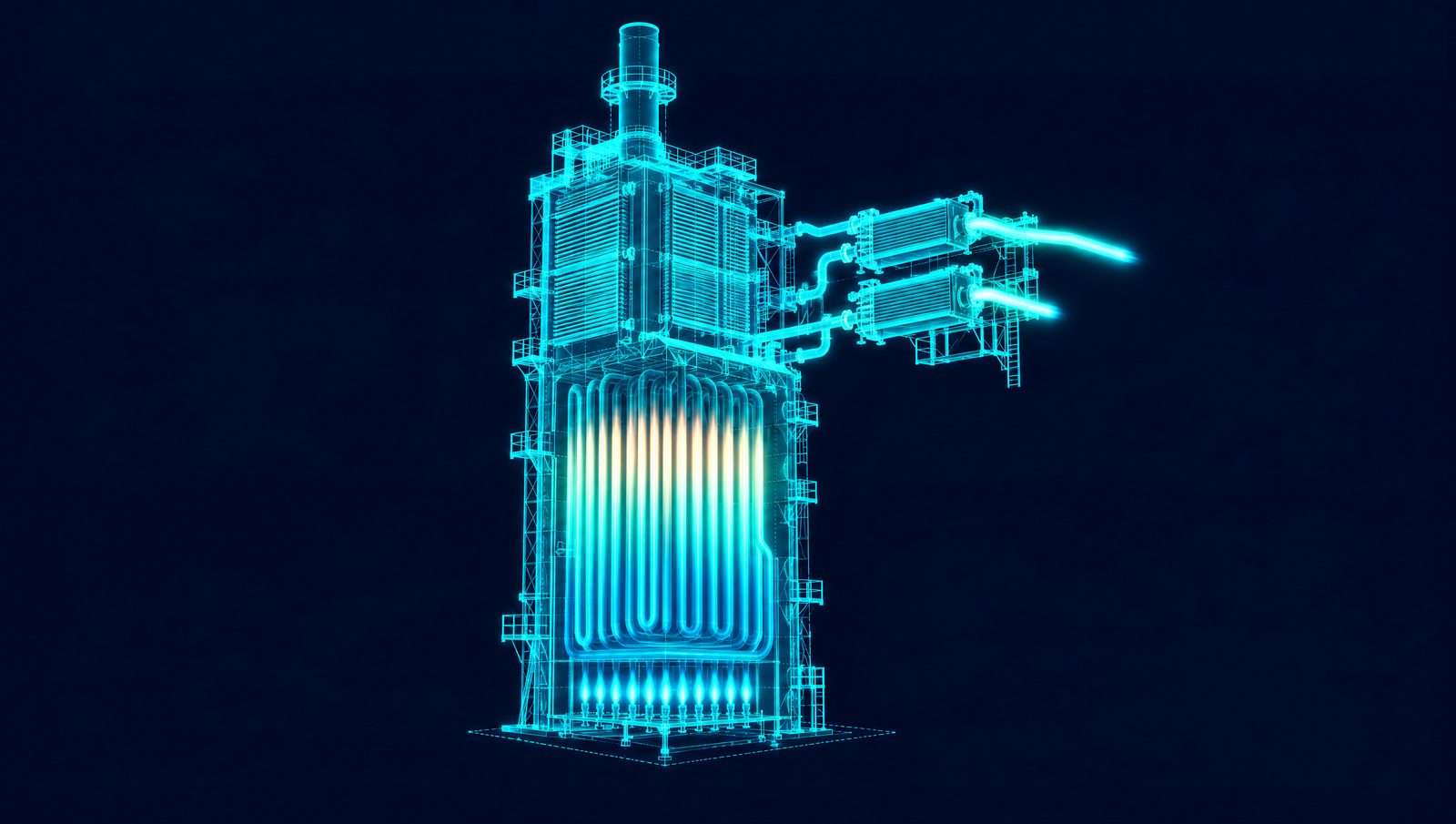
How fouling, severity and coking erode cracking furnace efficiency
How convection fouling, coking and severity interact across a run cycle to erode steam cracking furnace efficiency, and where learned control closes the gap.
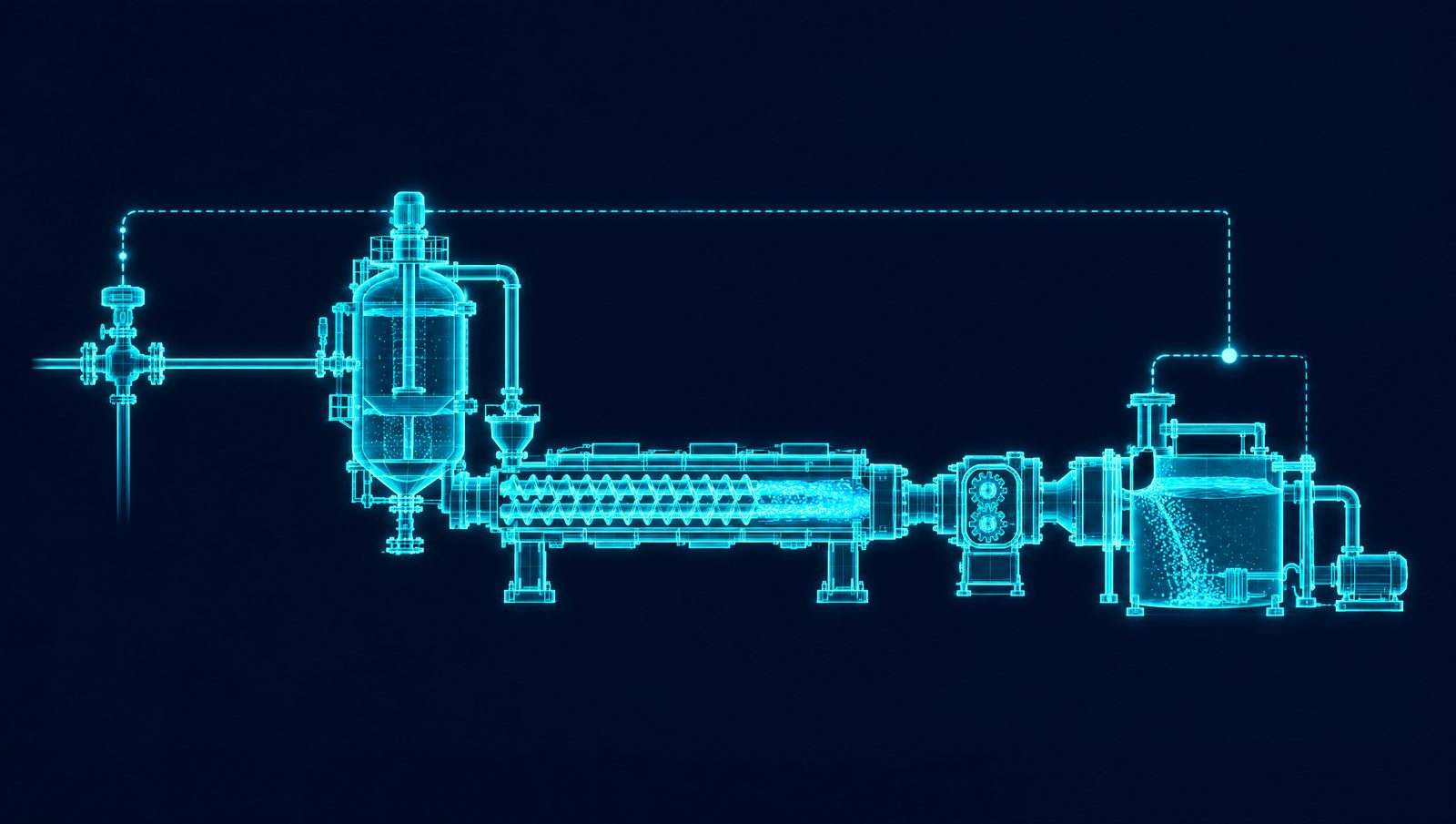
How closed-loop optimization improves polymer processing efficiency
How closed-loop optimization cuts non-prime polymer, raises throughput with less energy, and keeps veteran operators' knowledge in polymer plants.
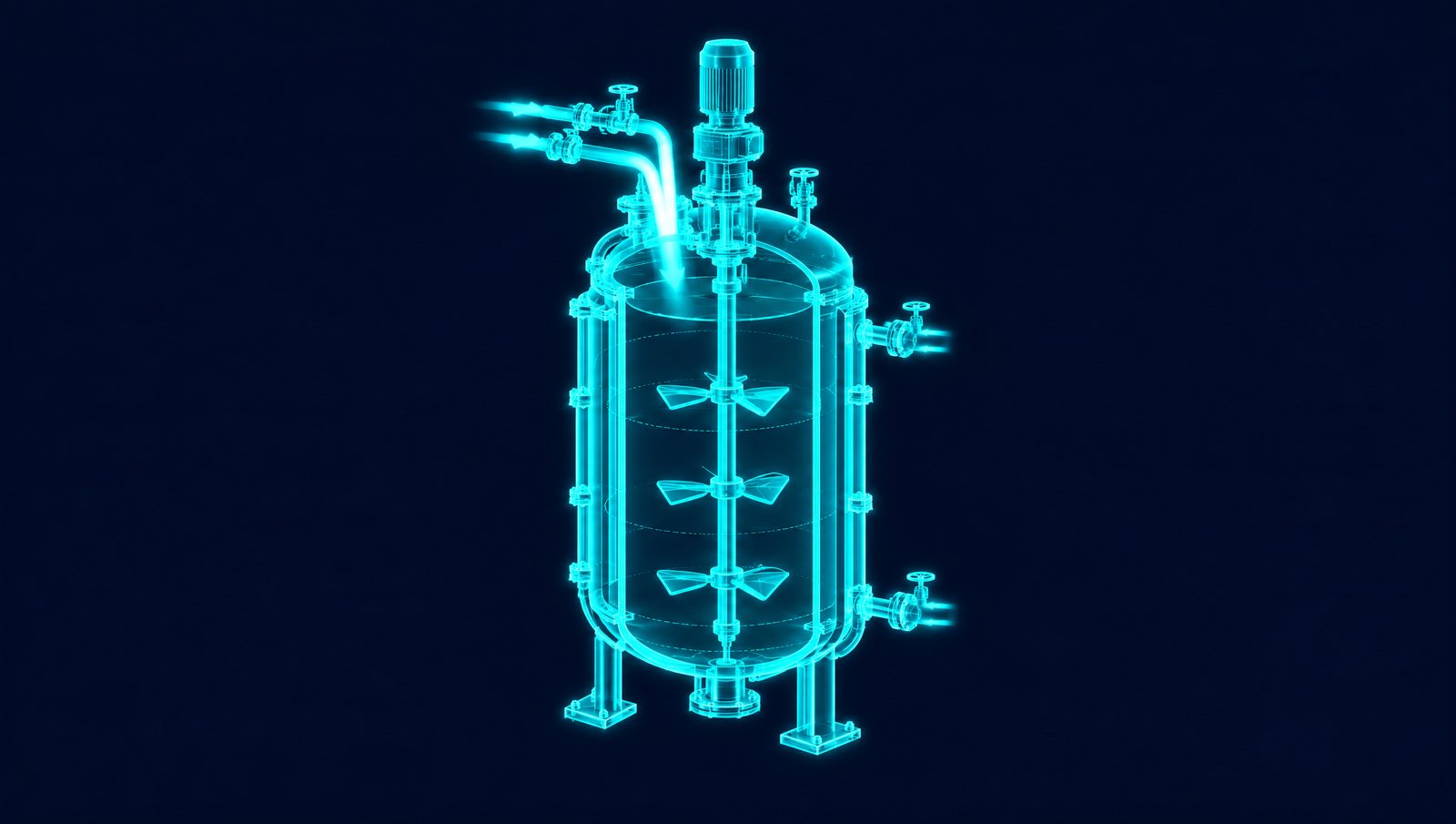
How AI improves batch chemical reactor performance
Where batch reactors lose yield, purity, cycle time and energy to manual steps and reactive PID loops, and how learned models and closed-loop control help.
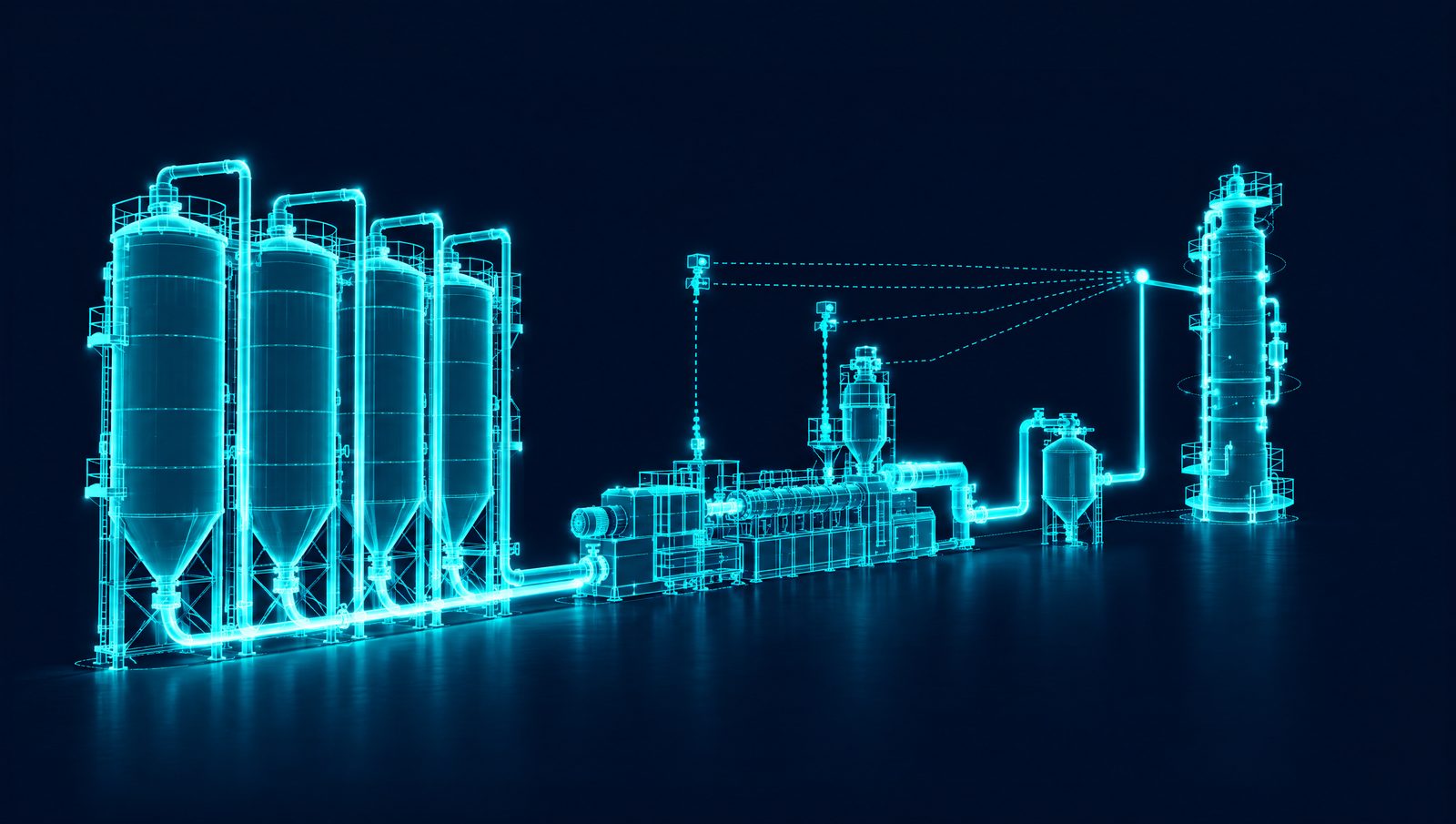
Five ways to protect margins in polyethylene manufacturing
How polyethylene producers protect margin through furnace and compressor energy, catalyst life, grade transitions, reactor stability and reliability.
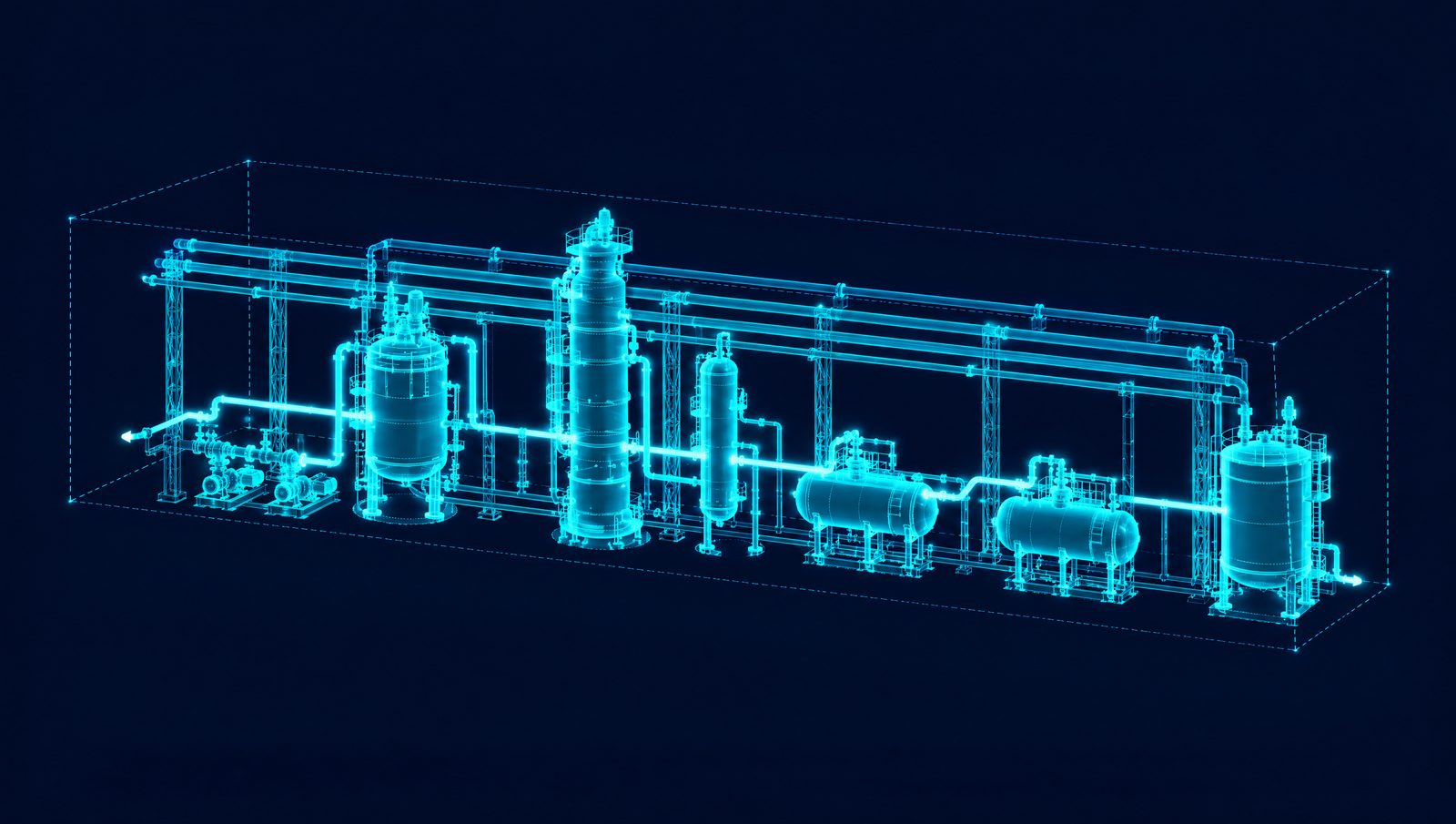
Five ways AI improves overall equipment effectiveness in chemical plants
How anomaly detection, setpoint optimization, adaptive control, faster transitions and utility tuning lift OEE availability, performance and quality.
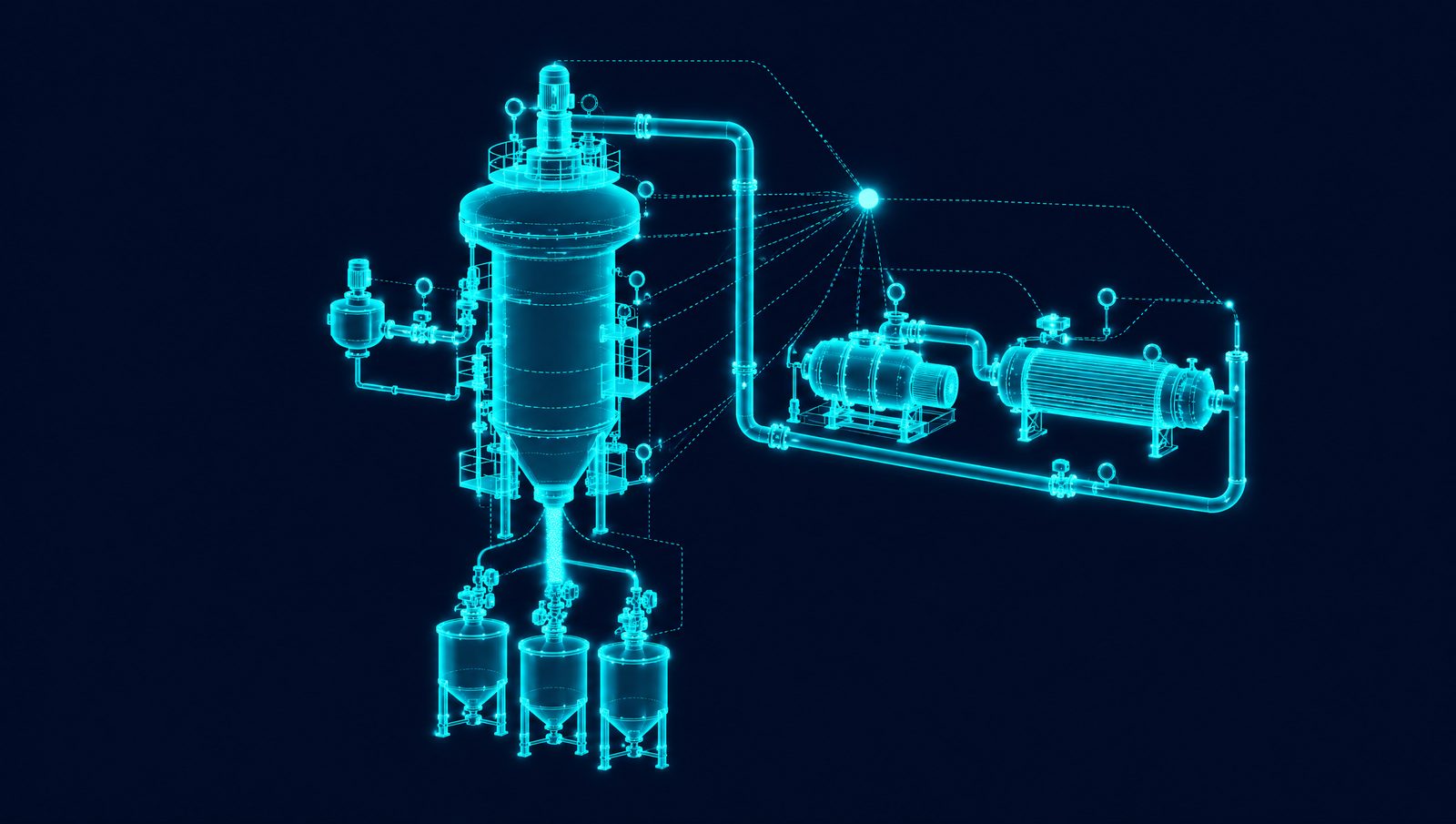
Five polymer production challenges closed-loop control addresses
How closed-loop AI control handles off-spec production, feedstock swings, energy intensity, catalyst wear and quality records in polymer plants.
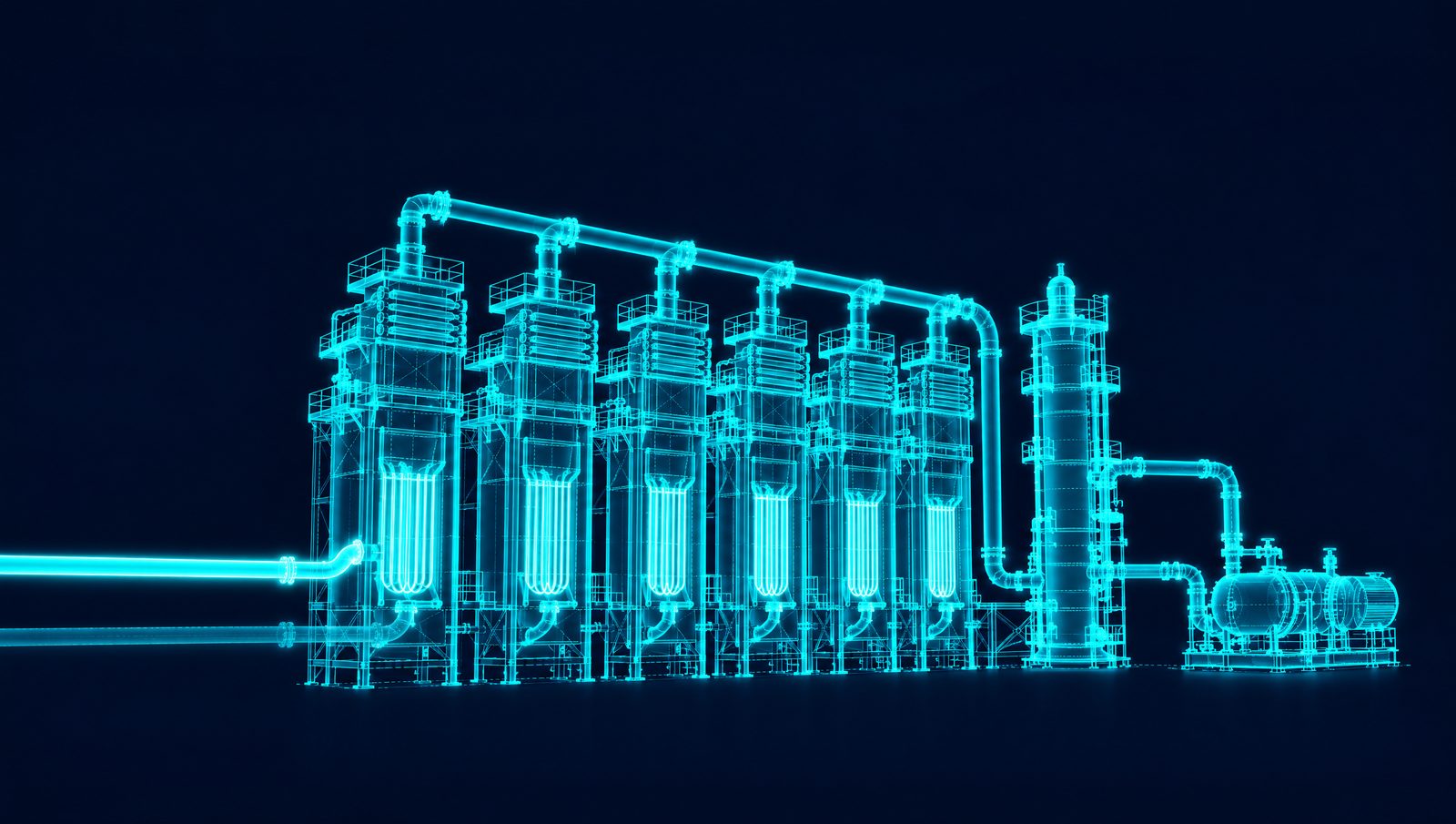
Feedstock flexibility in petrochemical plants: adapting without sacrificing yield
Why steam cracker feed transitions cost more yield than planning models expect, where linear control and team handoffs break down, and how to manage severity.
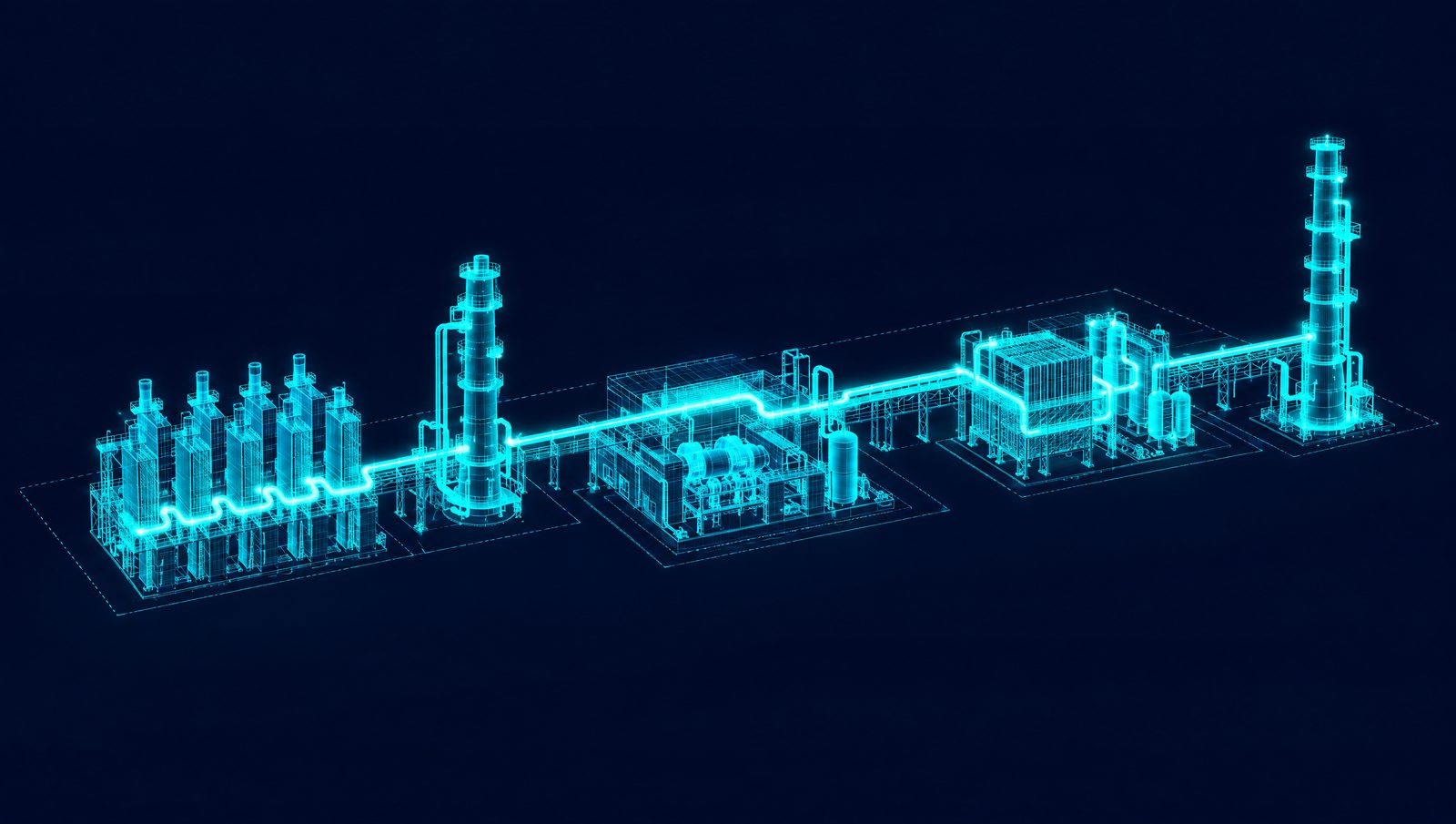
Ethylene plant optimization: the plantwide performance drivers
Ethylene plant margin depends on running furnaces, compression and fractionation as one coupled system, which unit-level APC was not built to coordinate.
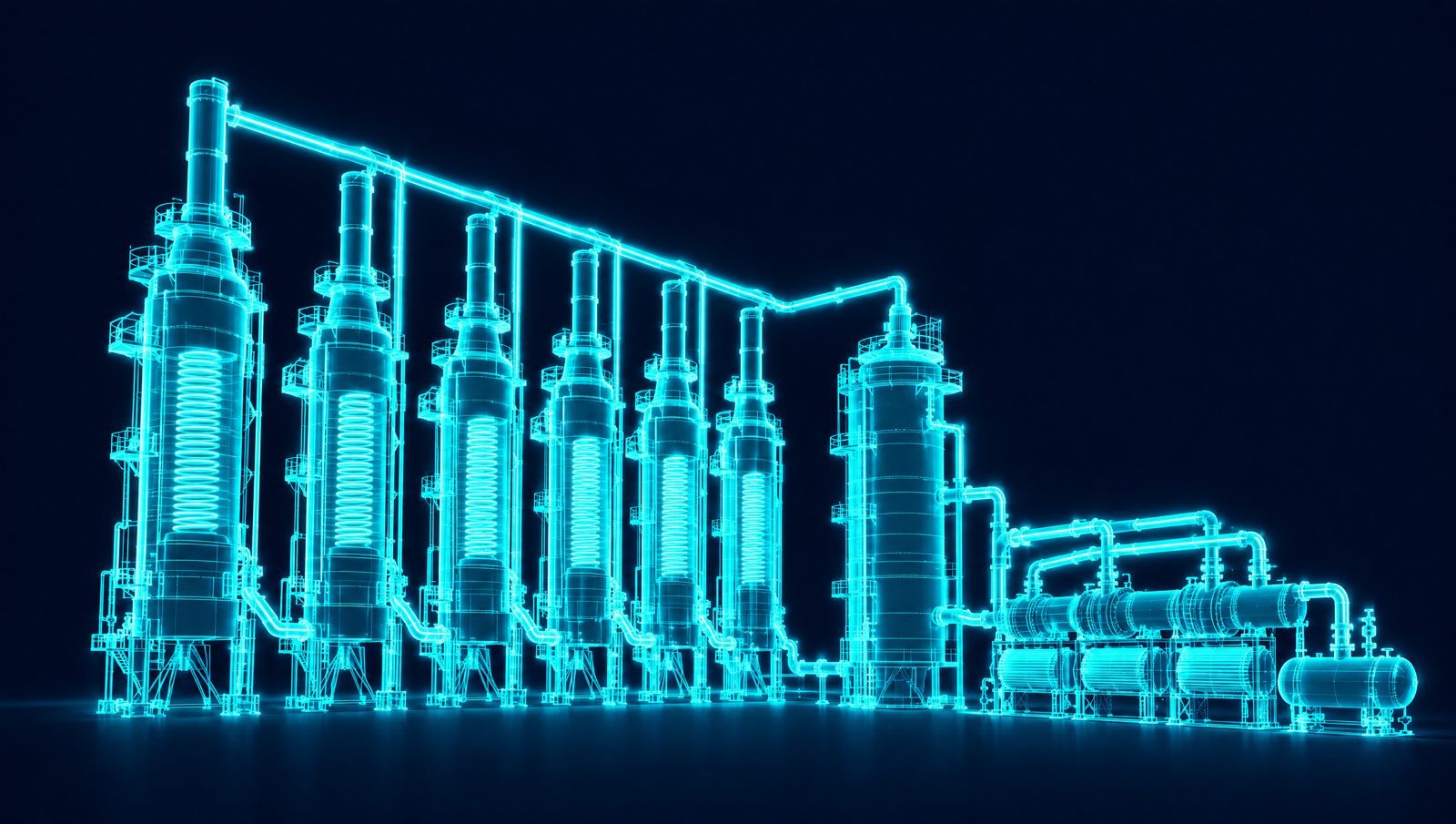
Ethylene cracker efficiency: where margin erodes and how to recover it
Ethylene cracker margin erodes across feed, furnaces, coking and separation as conditions drift from the APC design basis, and much of it can be recovered.
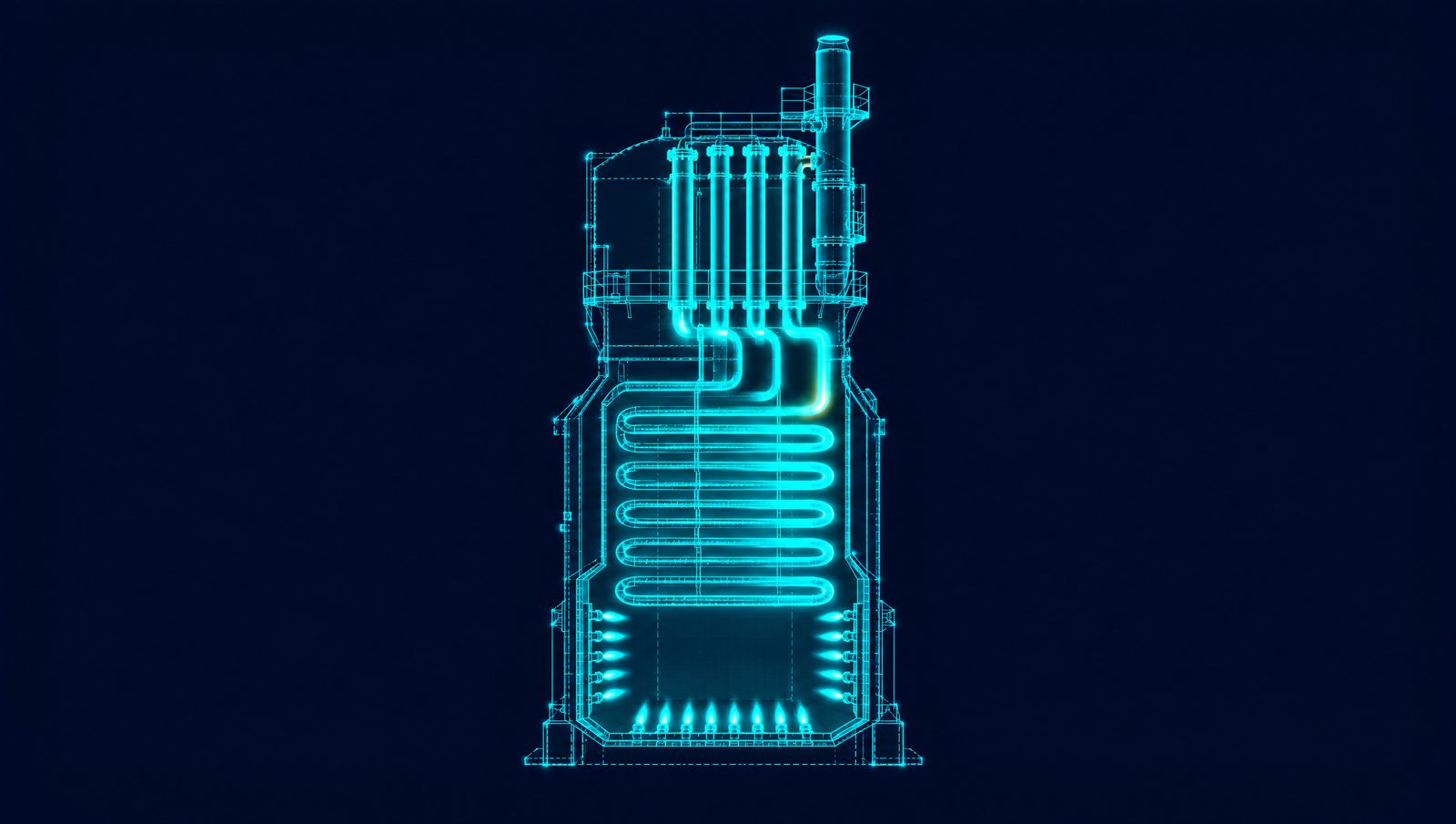
Ethane cracker optimization: balancing yield, severity and run length
How ethane crackers balance coil outlet temperature, run length and decoking to protect ethylene margin, and where a learned model closes the gap.
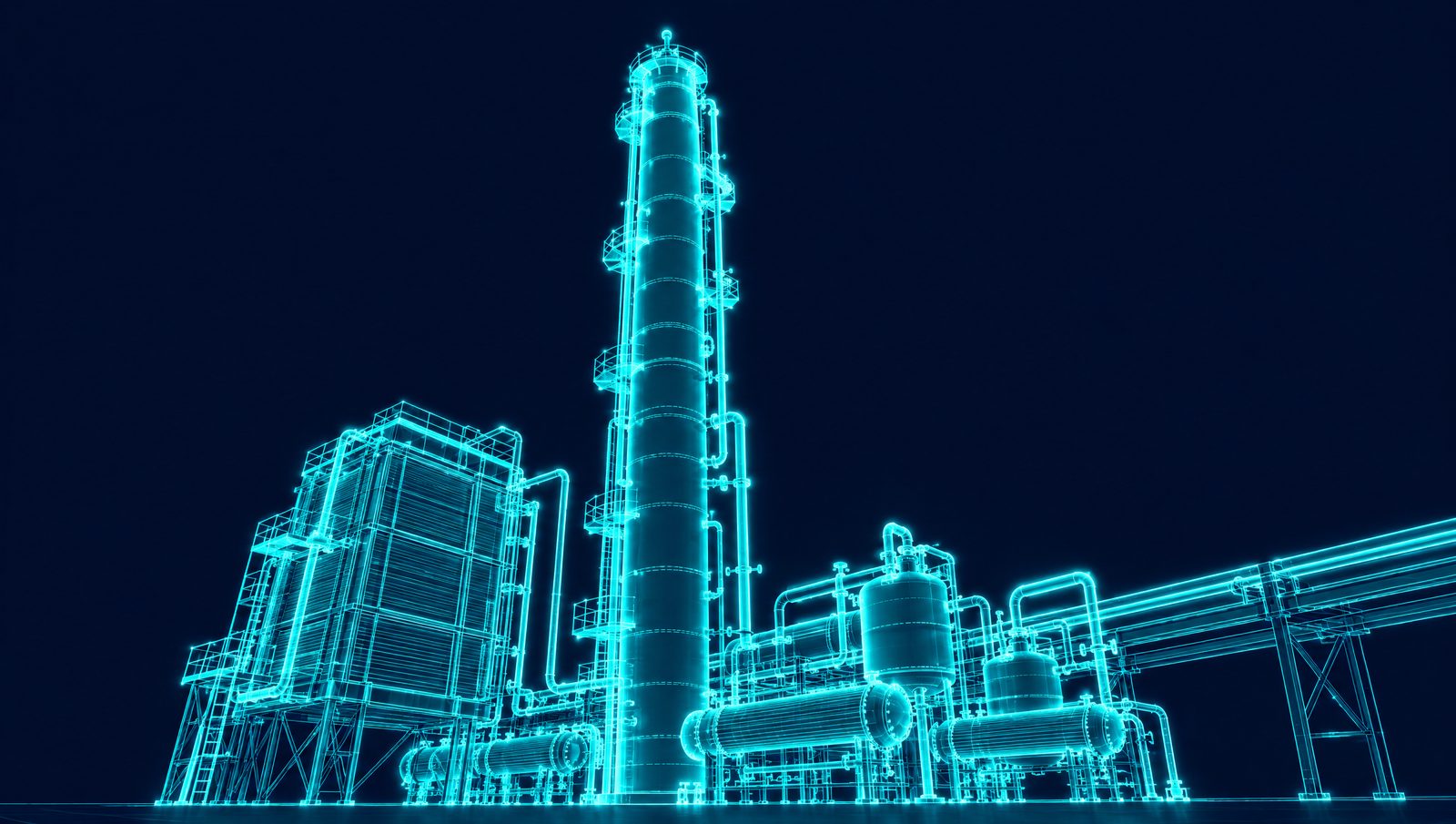
Demethanizer optimization and the pressure, recovery and energy trade-offs
How column pressure, reflux and heat integration set demethanizer recovery and refrigeration energy, and why CO₂ freeze-out and fouling move the optimum.

Decoking in steam crackers and how to time it
How coke buildup, TLE fouling and steam-air decoking cycles set steam cracker run length, and how a learned model forecasts each furnace's run end.
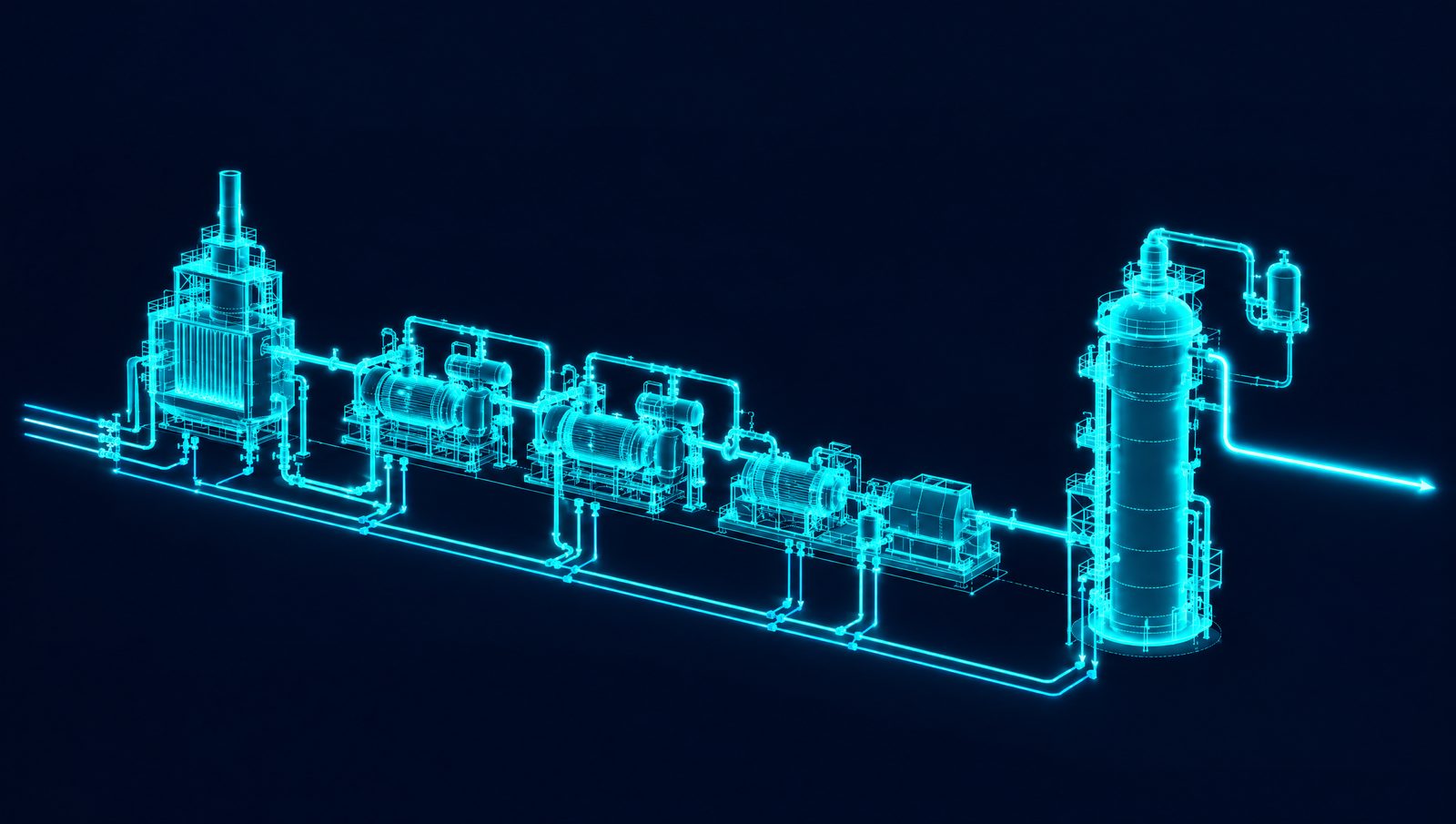
Decarbonization in polymer manufacturing with closed-loop AI
Where polymer plants lose energy and carbon, from furnaces and compressors to flaring and conversion, and a staged path from emissions baseline to closed loop.
Debottlenecking petrochemical plants when the constraint keeps moving
Why the binding constraint in a petrochemical plant moves with feed, catalyst age and season, and how continuous optimization tracks it across units.
Batch reactor control: where consistency breaks down and how to recover margin
How heat transfer limits, fixed tuning and static recipes make batch reactors drift, and how reference profiles and a learned model close the gap.
Ammonia production process challenges and how AI addresses them
Where ammonia plants lose energy, catalyst life and stability in reforming and synthesis, and how learned models and closed loop address them.
A step-by-step path to a self-optimizing petrochemical plant
Six phases for a petrochemical plant, from clean data and tuned loops through model predictive control and advisory models to closed loop.
A practical guide to decarbonizing chemical plants with AI
How chemical plants can cut emissions with AI at three scales, from catalysts to process units to industrial parks, plus readiness checks and pitfalls.
3 strategies to optimize energy management in chemical manufacturing
How chemical plants cut energy use without major capital: real-time visibility of utilities, linking process conditions to energy, and AI setpoint control.
Cement
21
The AI advantage in cement manufacturing
Molly Pace of Imubit writes in World Cement on how closed-loop control helps cement plants handle raw material variability and support decarbonization.
Three practical applications of AI in the cement production process
How AI helps cement plants cut kiln and grinding energy, hold clinker quality with soft sensors, and catch equipment problems before they force unplanned stops.
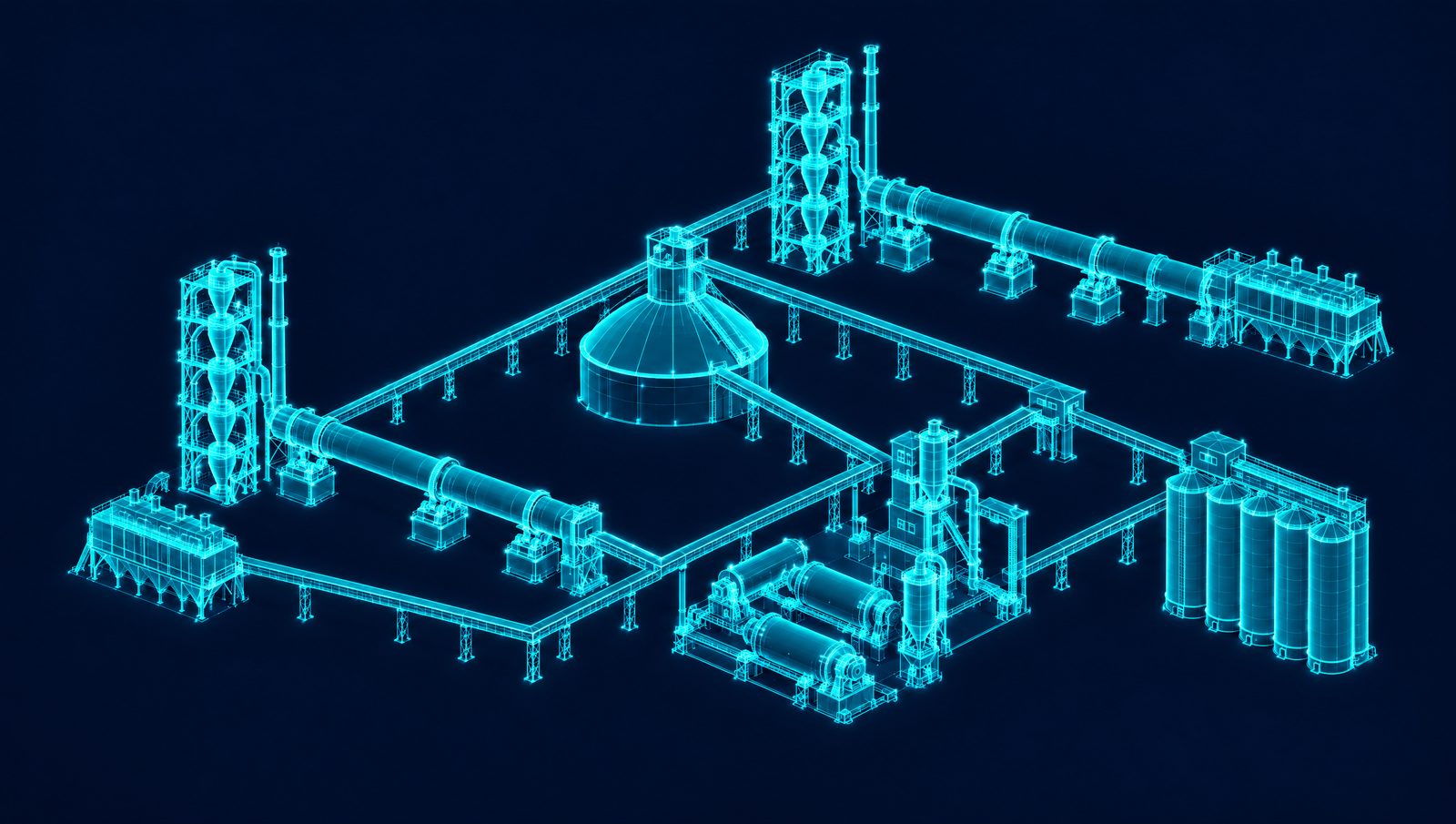
Seven operational excellence gains from closed-loop AI in cement plants
How closed-loop control on cement kilns, coolers and finish mills raises throughput, cuts fuel, steadies clinker quality and holds the gains between tune-ups.

Process optimization strategies for cement plants
Where cement plants lose fuel, power and clinker consistency between kiln and mill, and how learned models and closed-loop control close the gap.
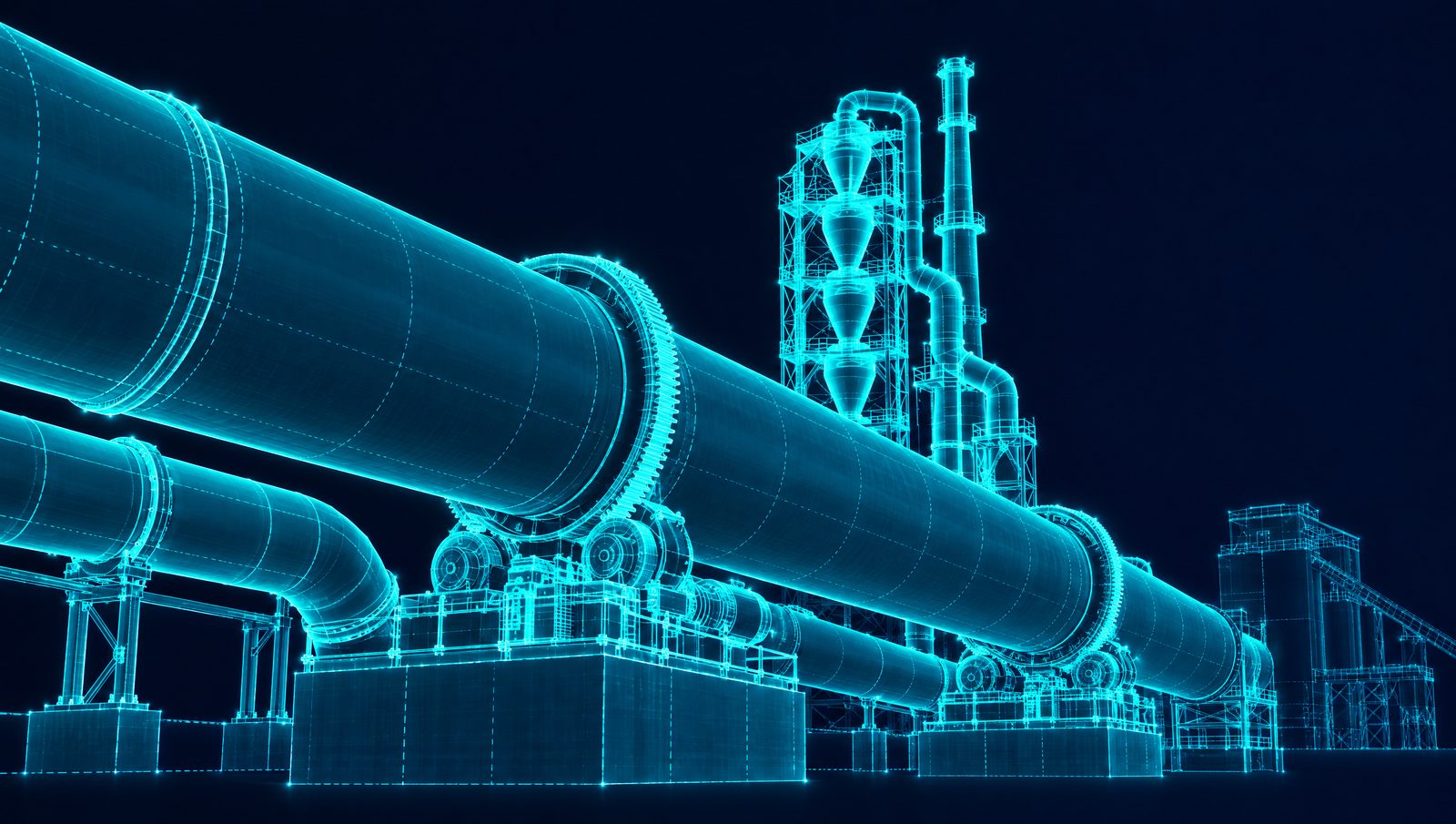
Process control tactics that cut cement plant carbon emissions
Where a cement plant's CO₂ comes from, and how tighter kiln, draft, grinding and raw-mix control cuts fuel, power and clinker factor without a retrofit.
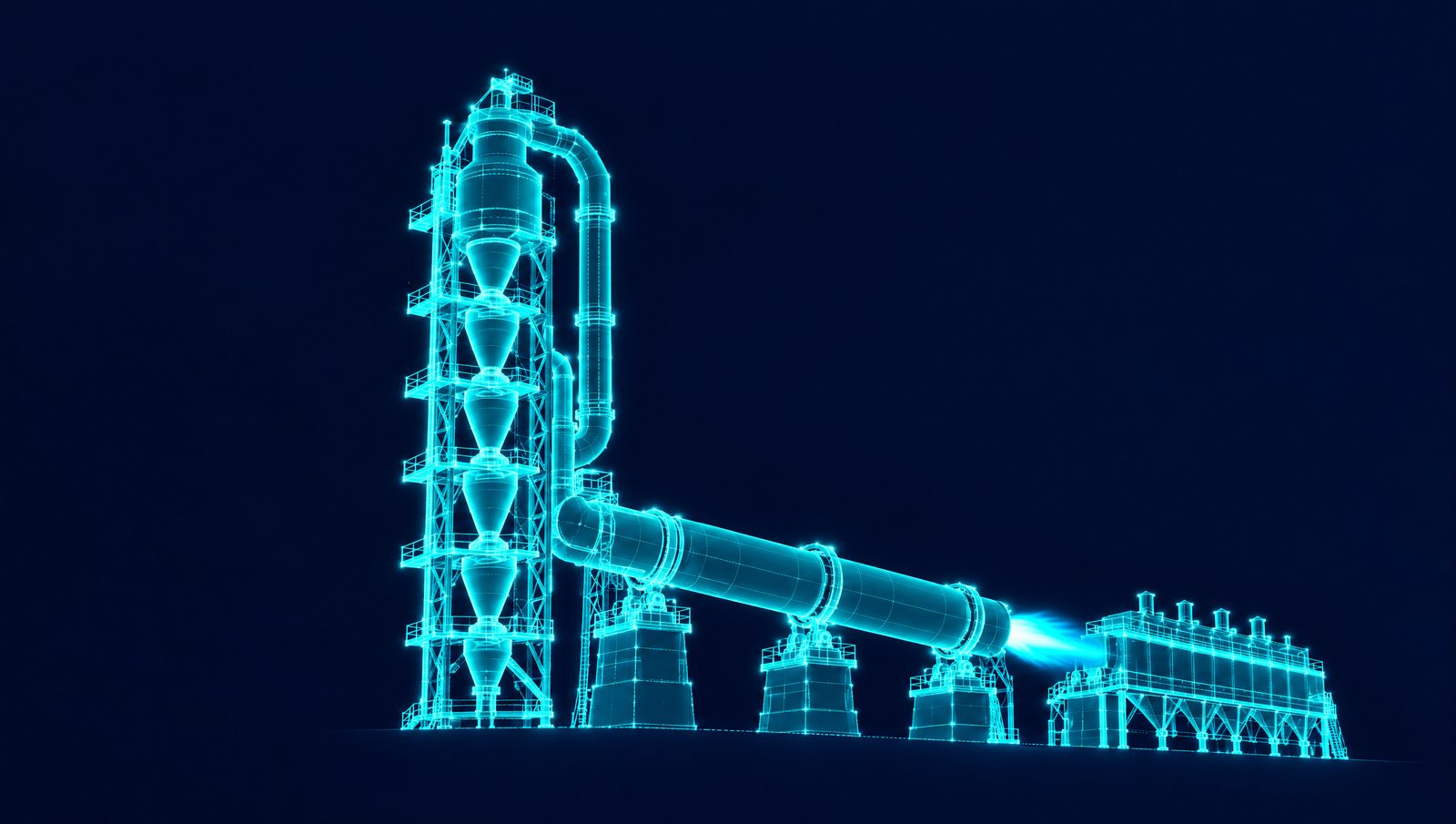
Lowering pyroprocessing costs in cement plants with AI
How combustion control, predictive maintenance and free lime soft sensors reduce fuel use, downtime and quality variation in the cement kiln pyroprocess.
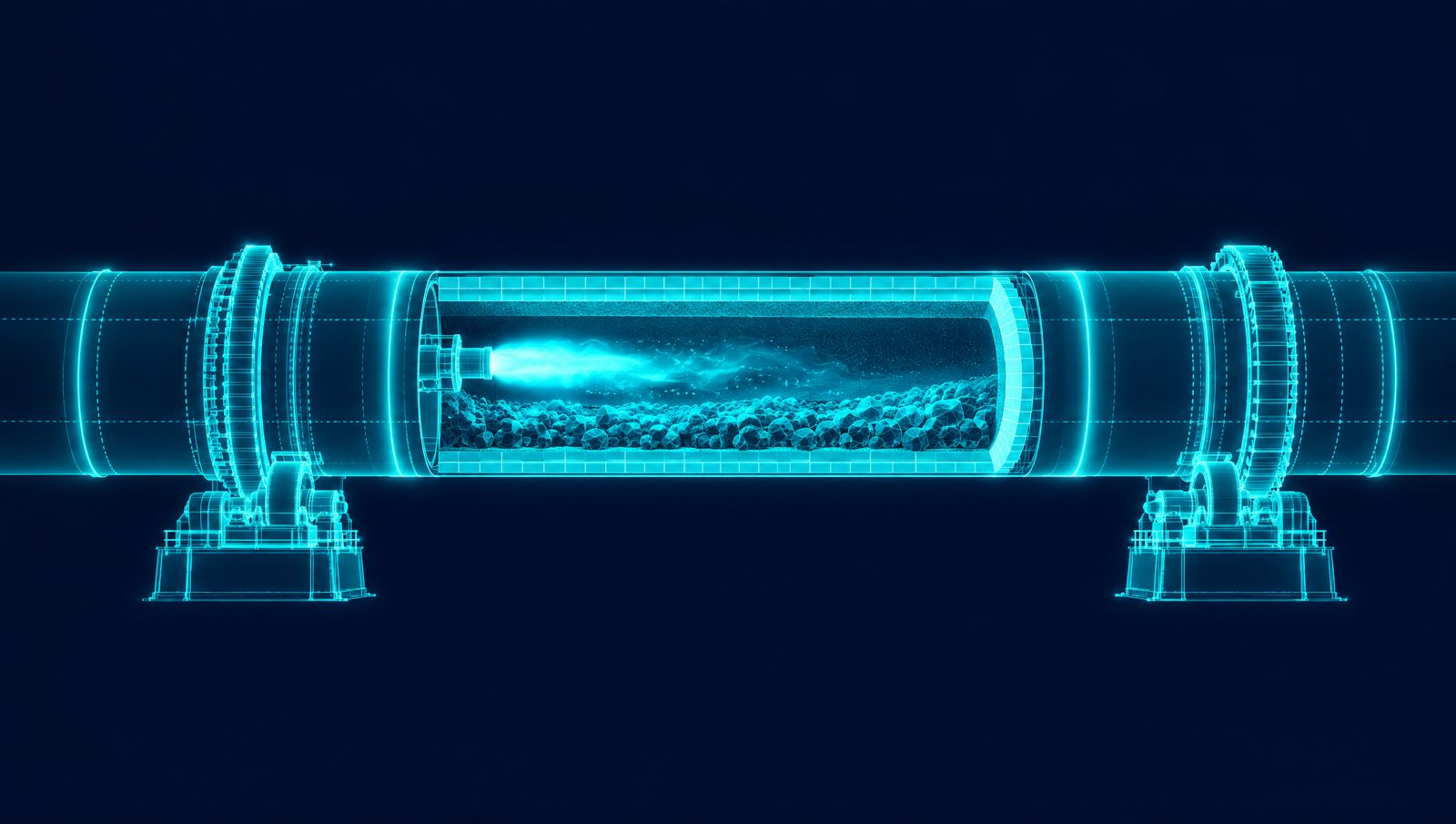
Kiln refractory management: how operating stability extends lining life
Why kiln refractory campaigns fall short despite good brick, and how coating stability, shell monitoring and coordinated control extend lining life.
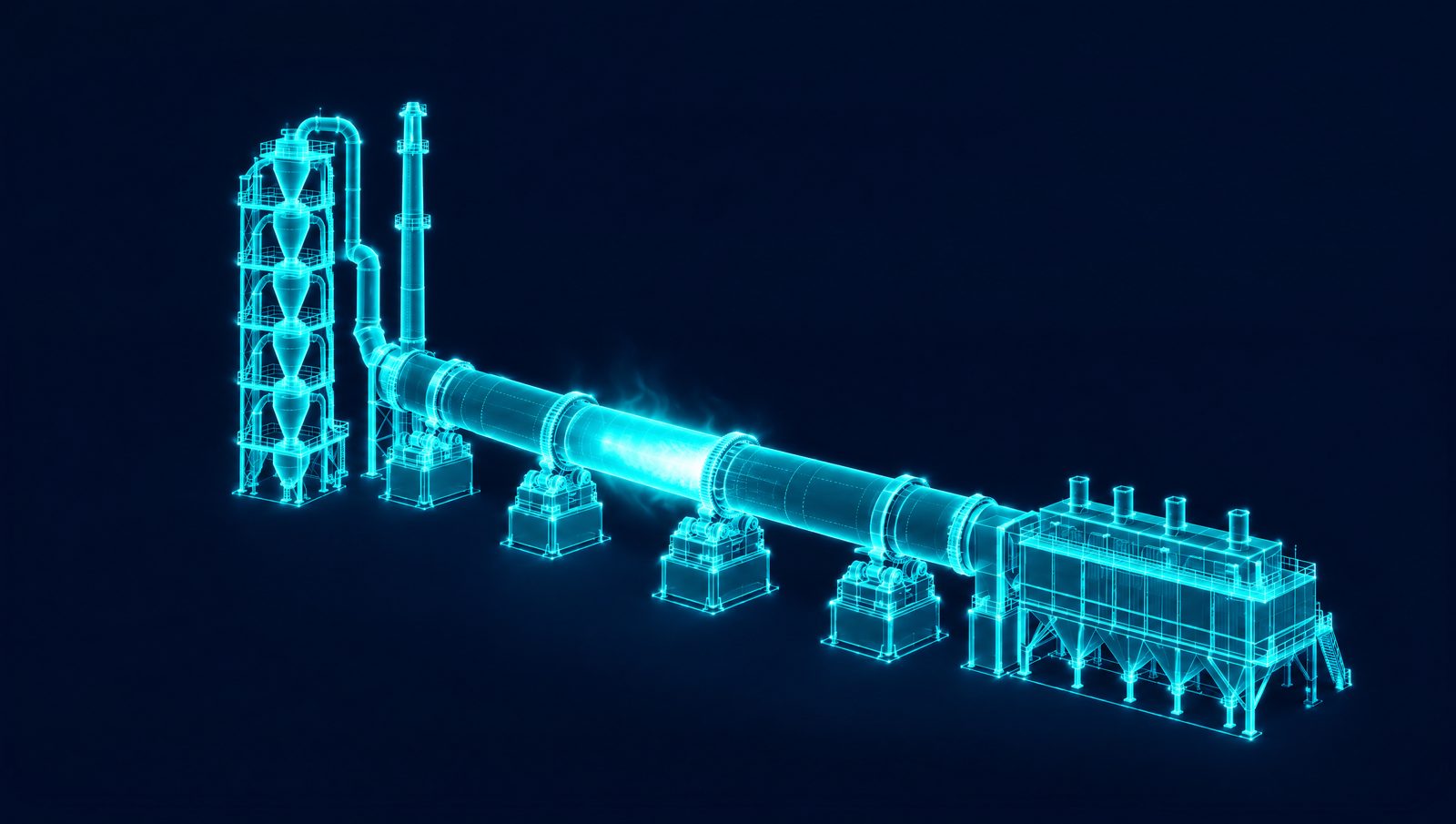
Kiln process optimization: fuel, uptime and clinker quality
How learning models help kiln operators cut fuel per tonne, avoid unplanned stops and hold free lime on target in cement, lime and minerals kilns.
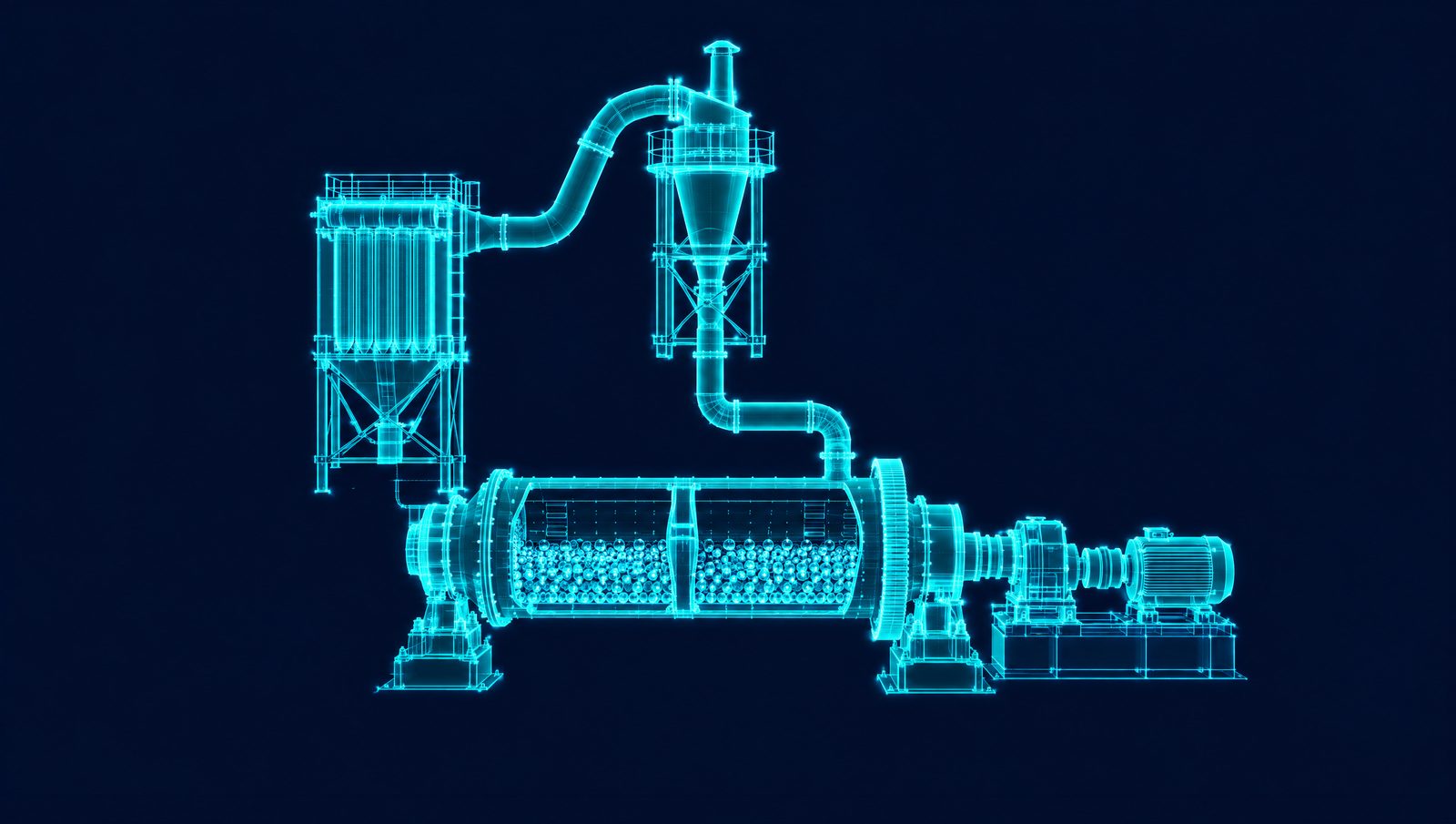
How charge and ventilation control recover cement ball mill performance
How ball charge drift and ventilation imbalance raise specific energy in cement ball mills, and why coordinated control recovers the lost capacity.
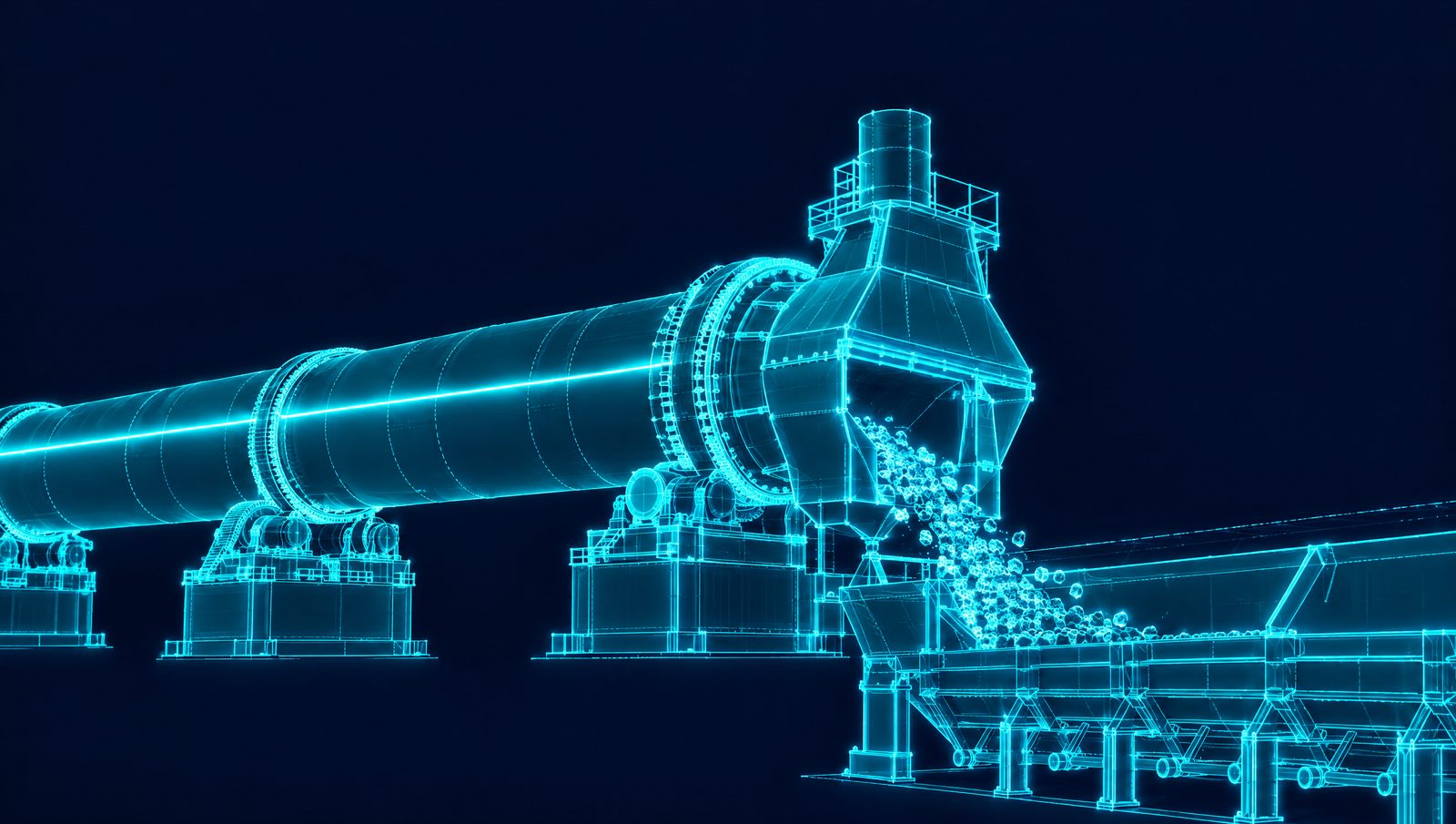
Free lime prediction for real-time fCaO control in cement clinker
Why lab delay pushes cement kilns into over-burning, and how a soft sensor built on DCS signals gives operators a continuous free lime estimate between samples.
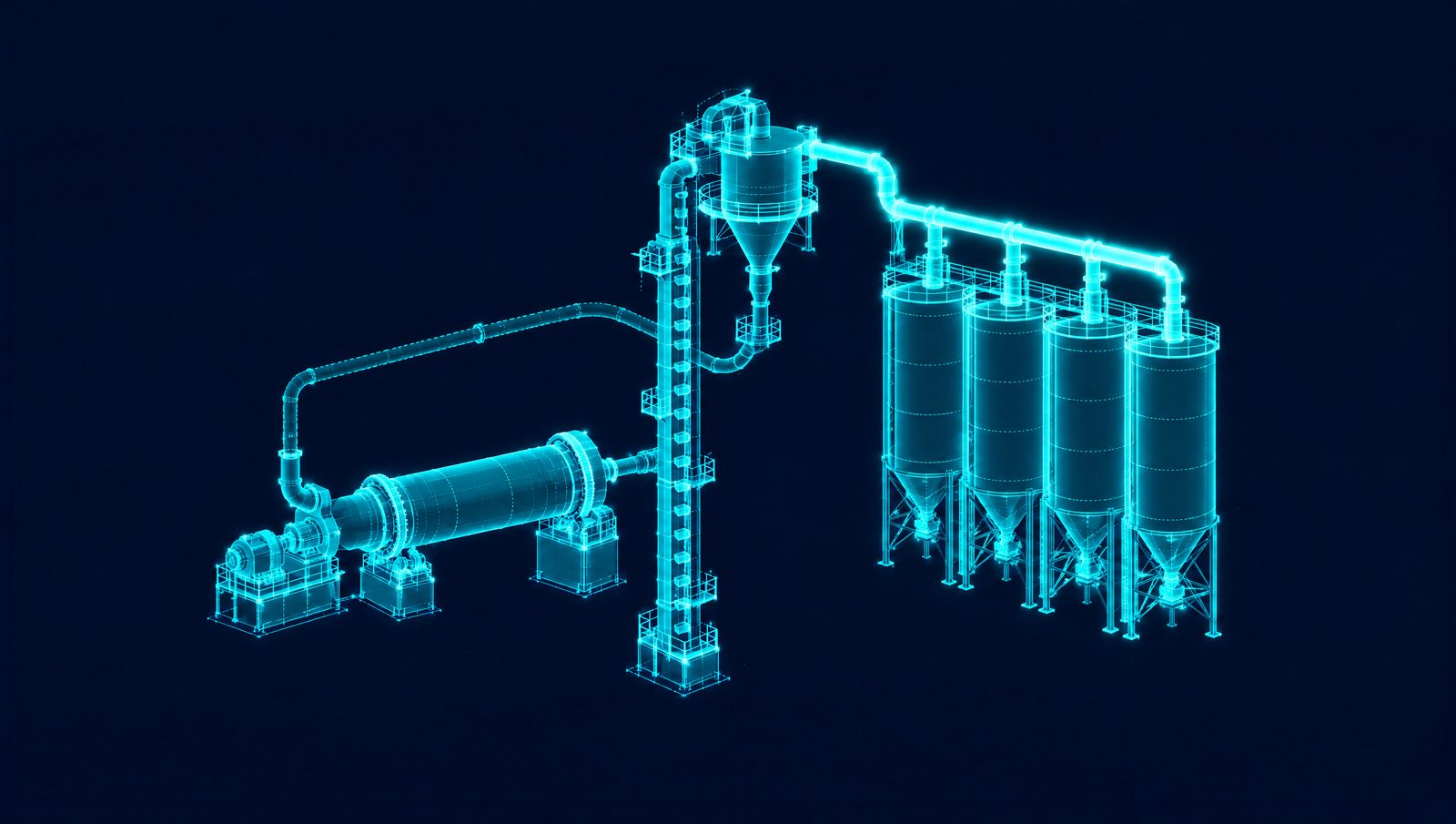
Finish mill throughput, fineness and the energy trade-off
Why cement finish mills overgrind and run conservatively, and how coordinating feed, separator and ventilation holds throughput, fineness and energy together.
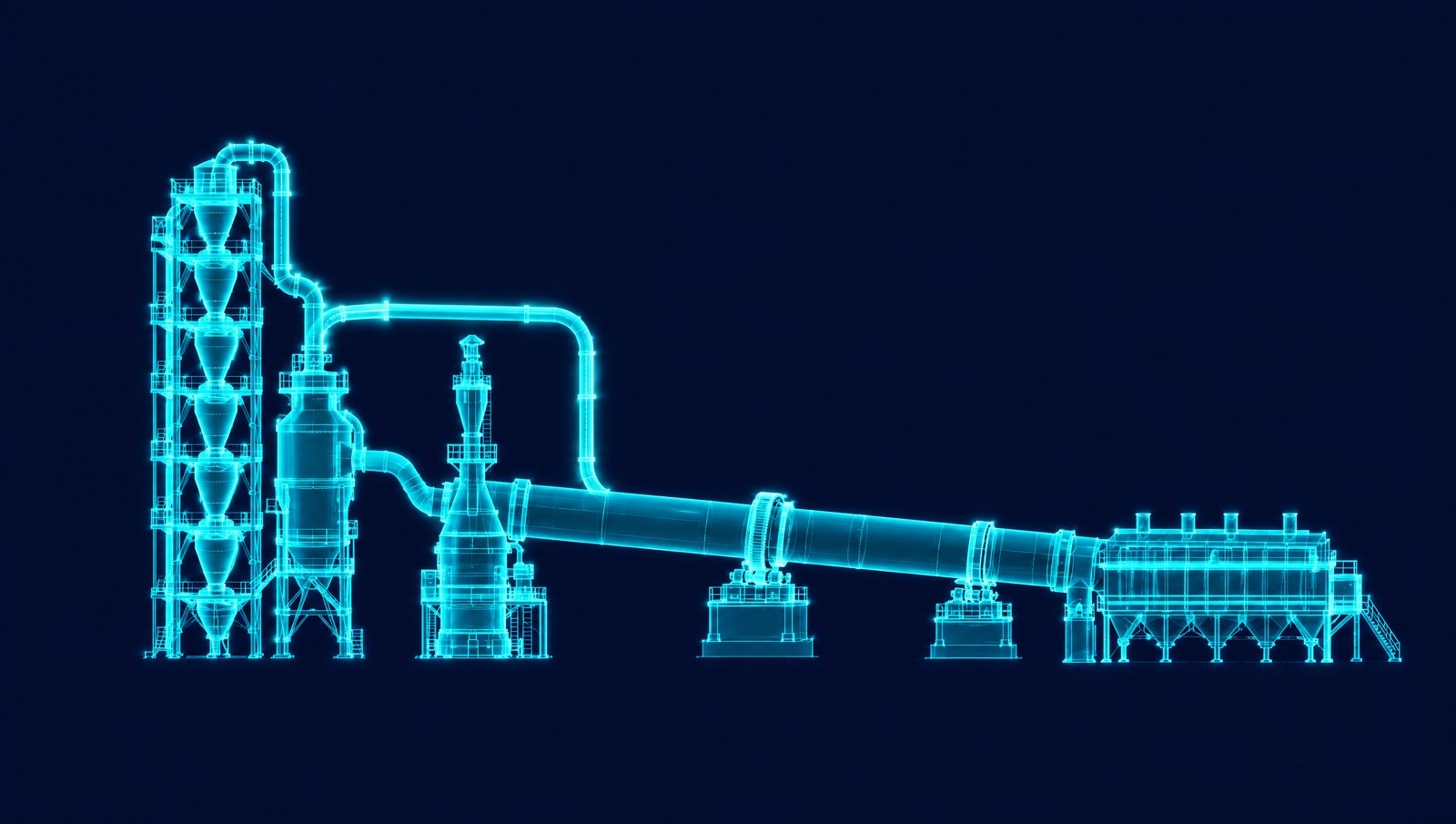
Energy-intensive processes AI can optimize in cement manufacturing
Where a cement plant's fuel and power go, from clinker and the kiln to grinding, preheaters, coolers and auxiliaries, and how closed-loop control helps.
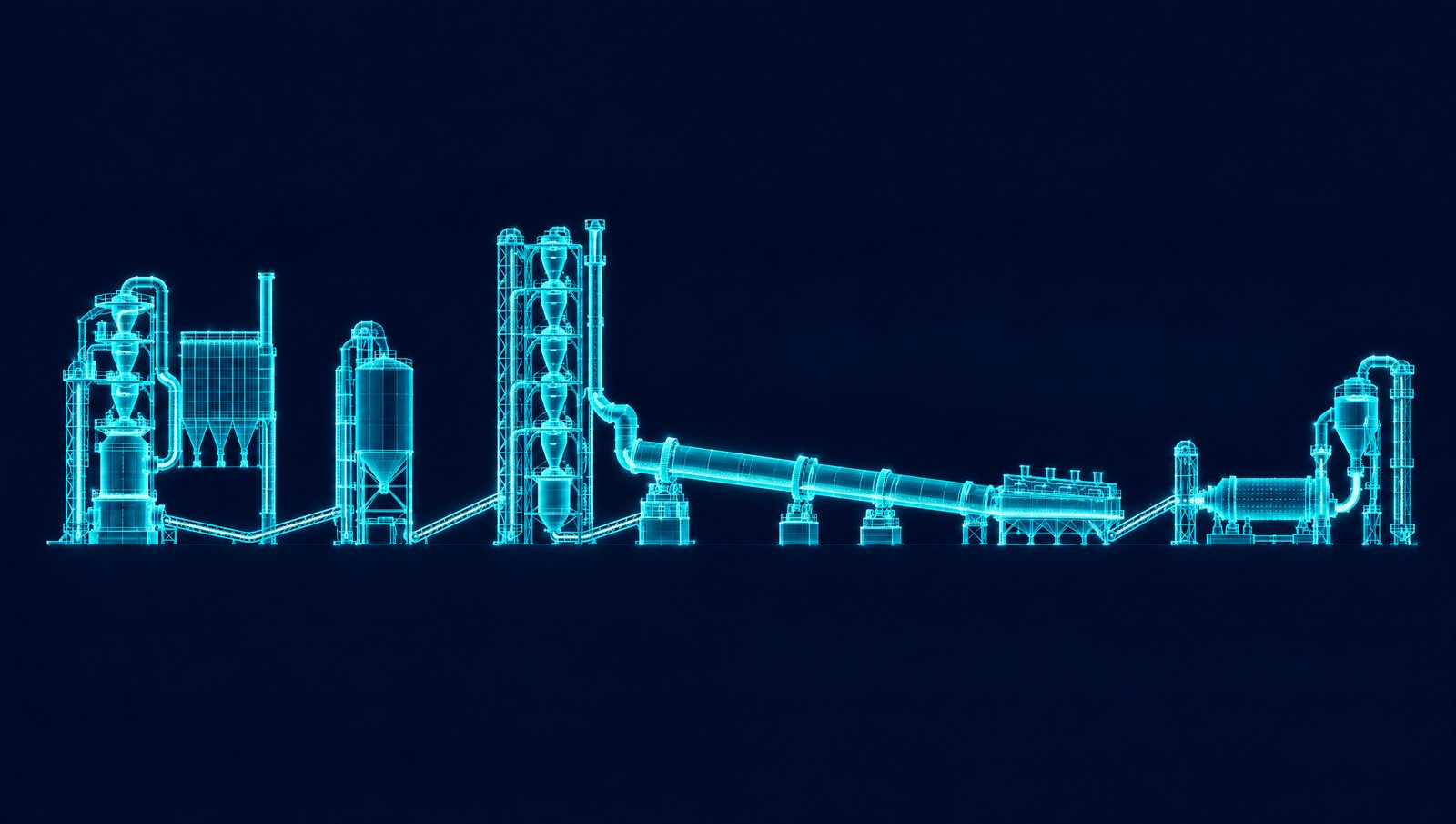
Cutting energy and maintenance costs in the cement manufacturing process
Seven ways to cut cement production costs, from kiln, preheater and grinding efficiency to clinker factor, waste heat, maintenance and real-time control.
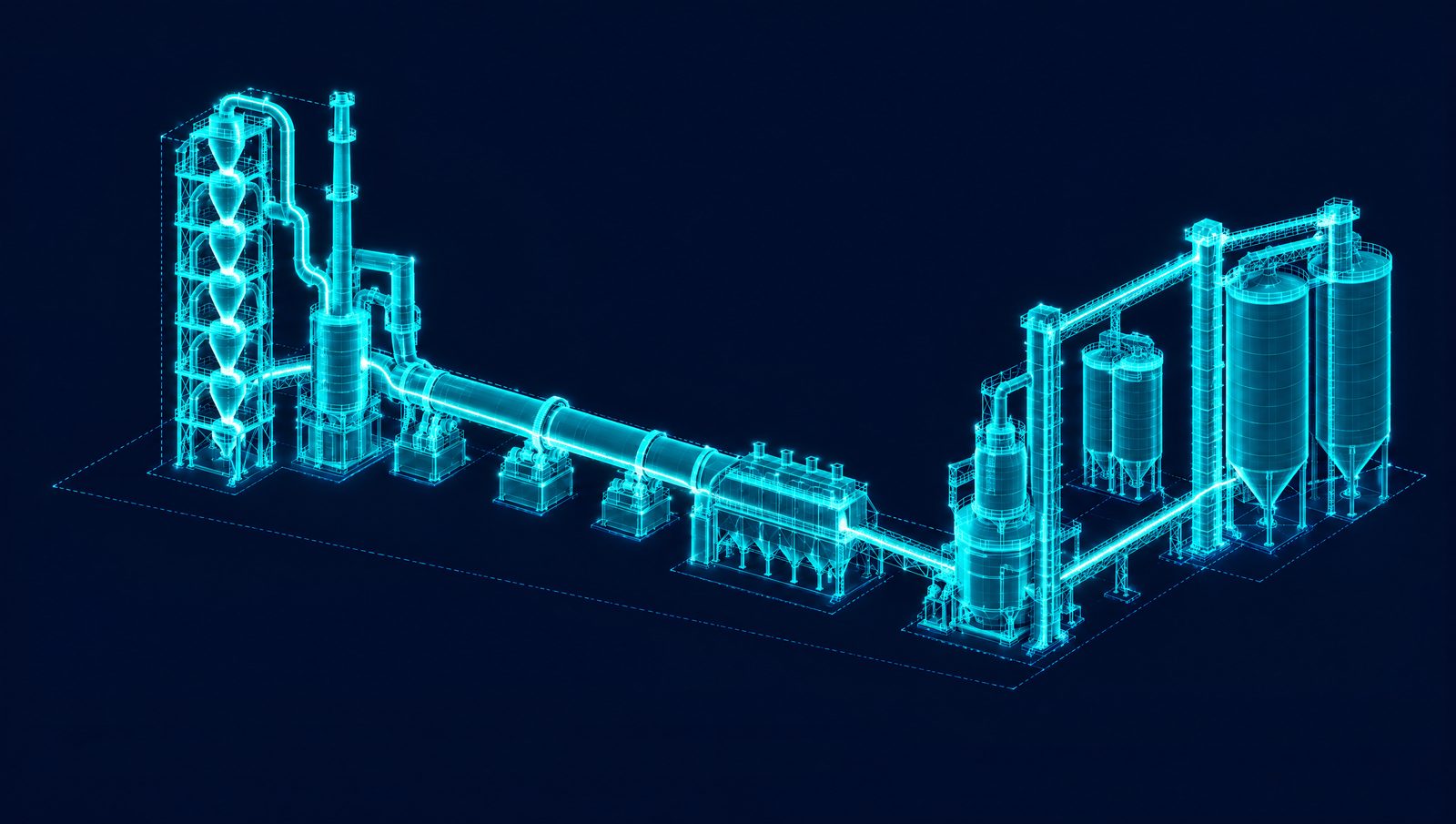
Common challenges AI solves in cement manufacturing
Six constraints that limit cement plants, from kiln stability and raw mix chemistry to emissions and grinding energy, and how closed-loop control helps.
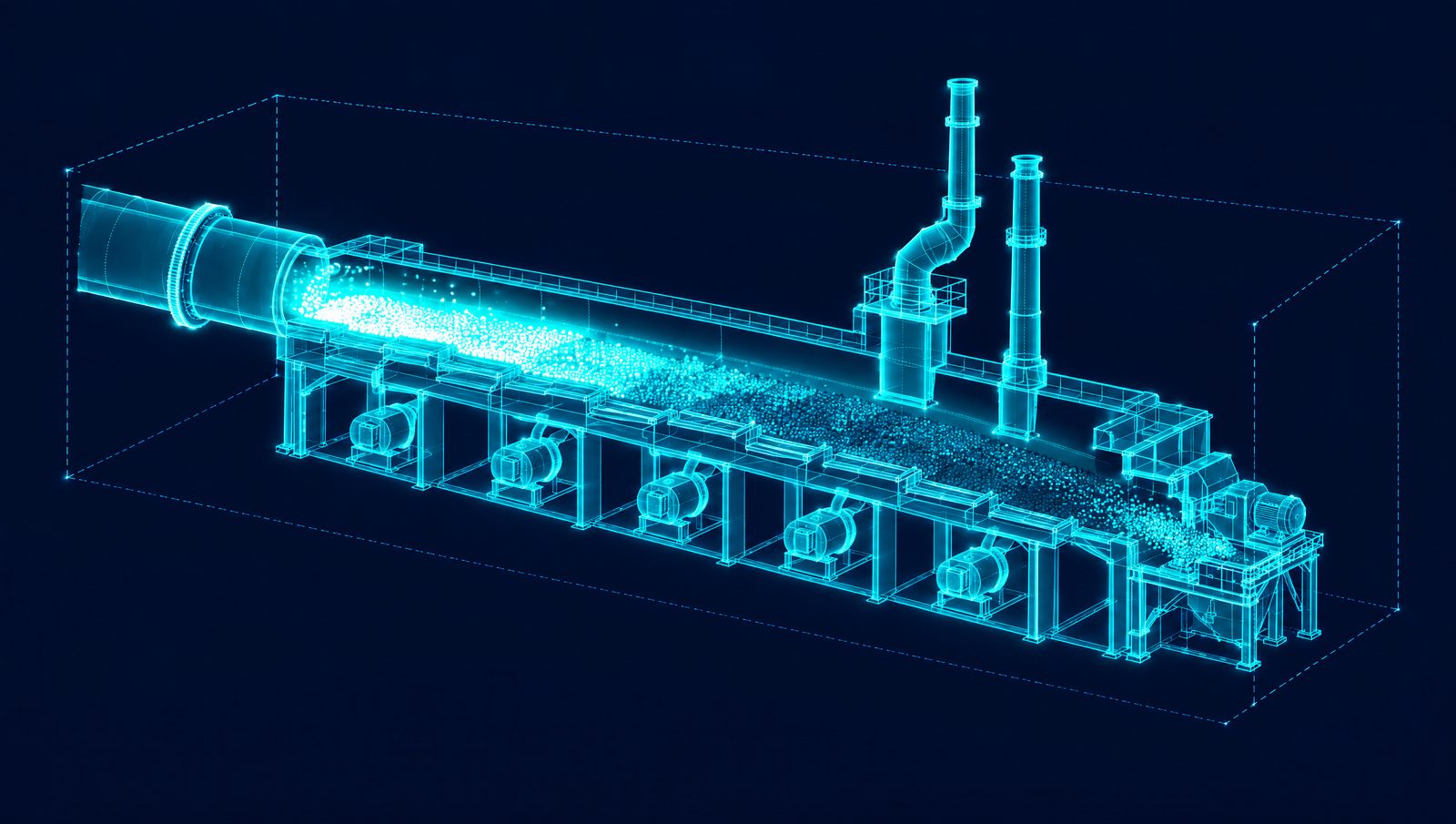
Clinker cooler heat recovery, air distribution and throughput
How cooler recuperation, air distribution across the clinker bed and cascading upsets set kiln fuel use and throughput, and what multivariable control changes.
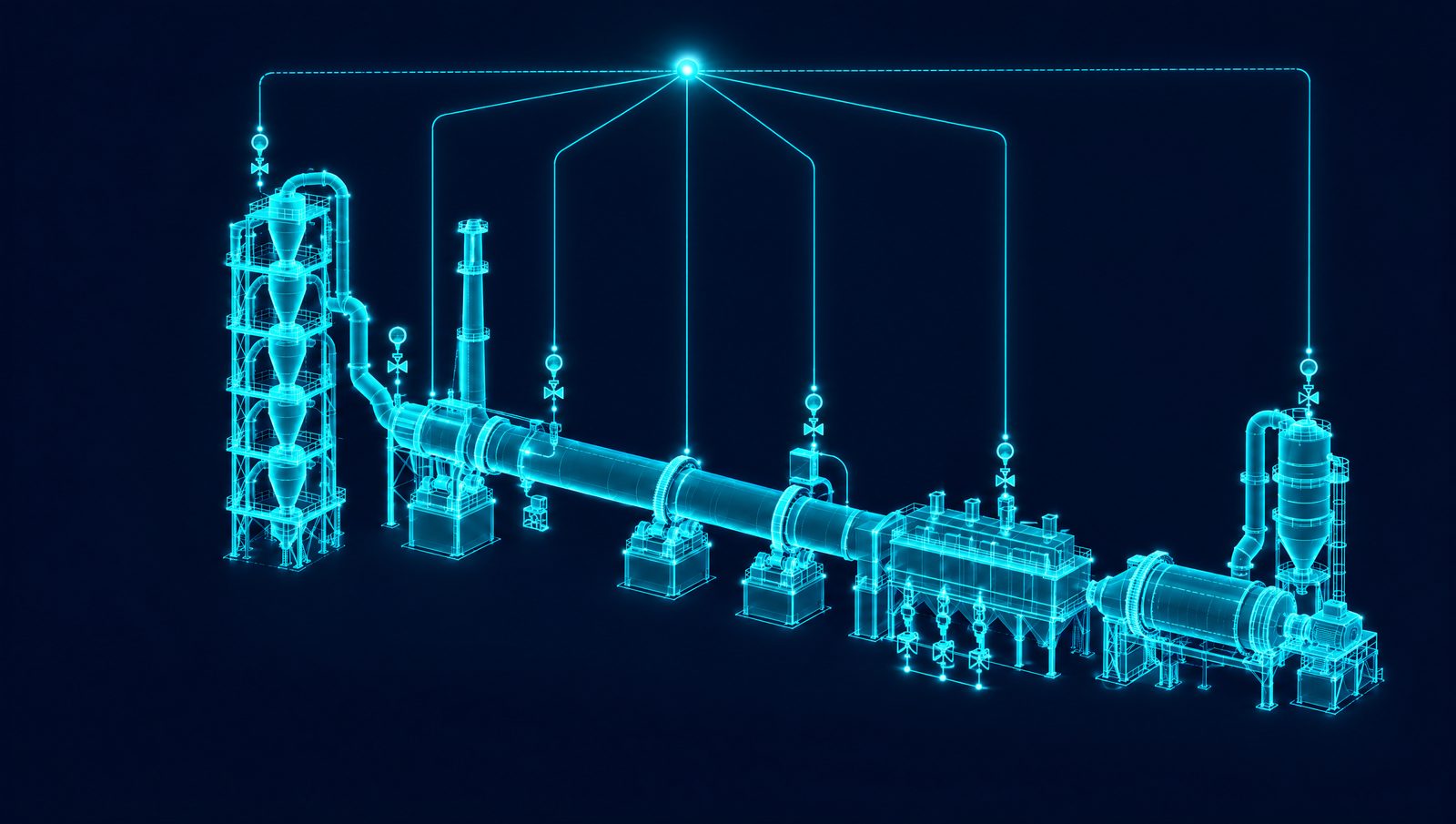
Cement plant operational efficiency with AI, step by step
A practical sequence for taking a cement kiln or finish mill to closed-loop control, from data foundation and validation to deployment, scale-up and training.
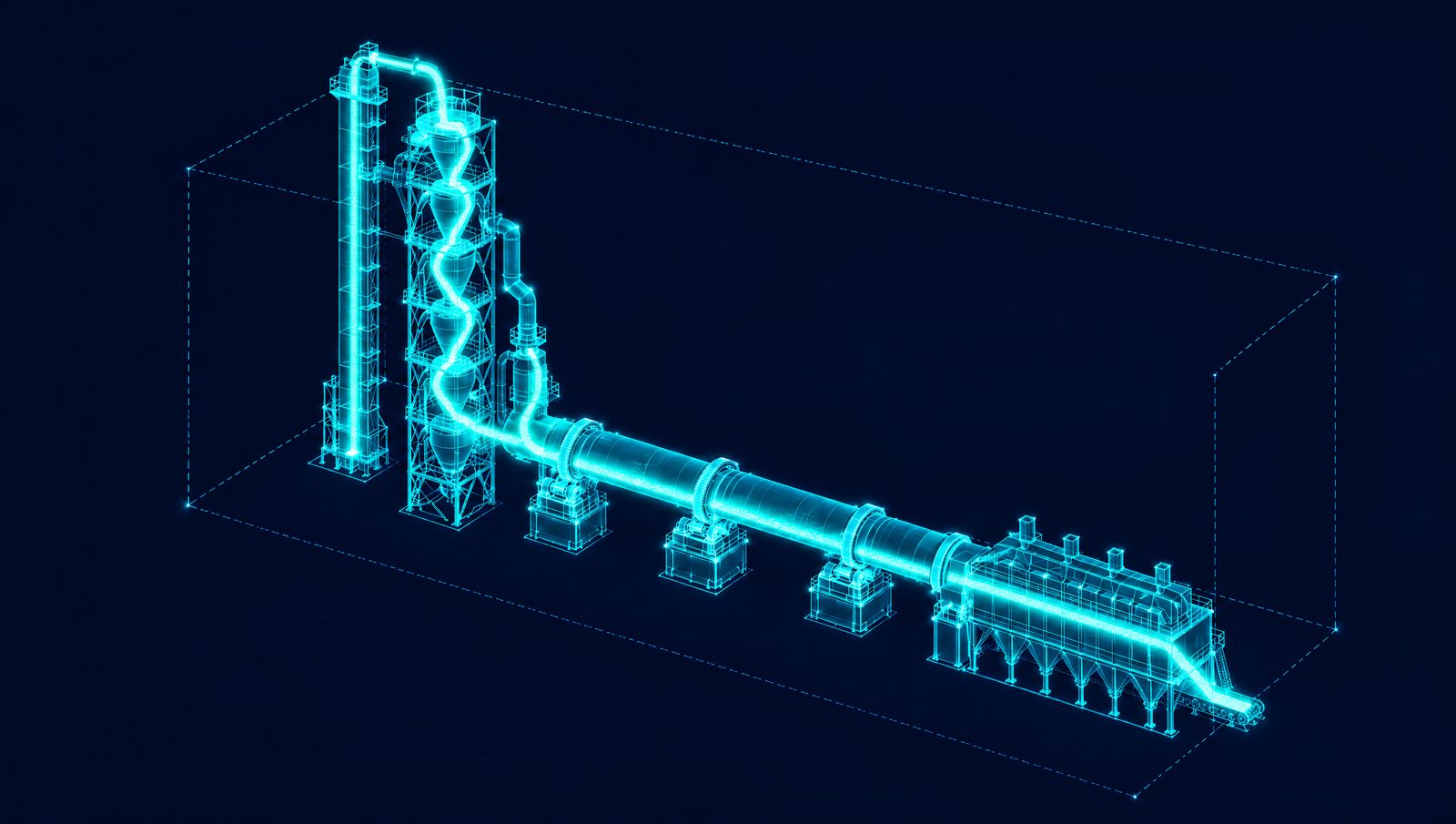
Cement manufacturing: process, constraints and where AI helps
How cement is made from limestone to finished product, the constraints that shape kiln and mill operation, and where AI models help plants hold quality.
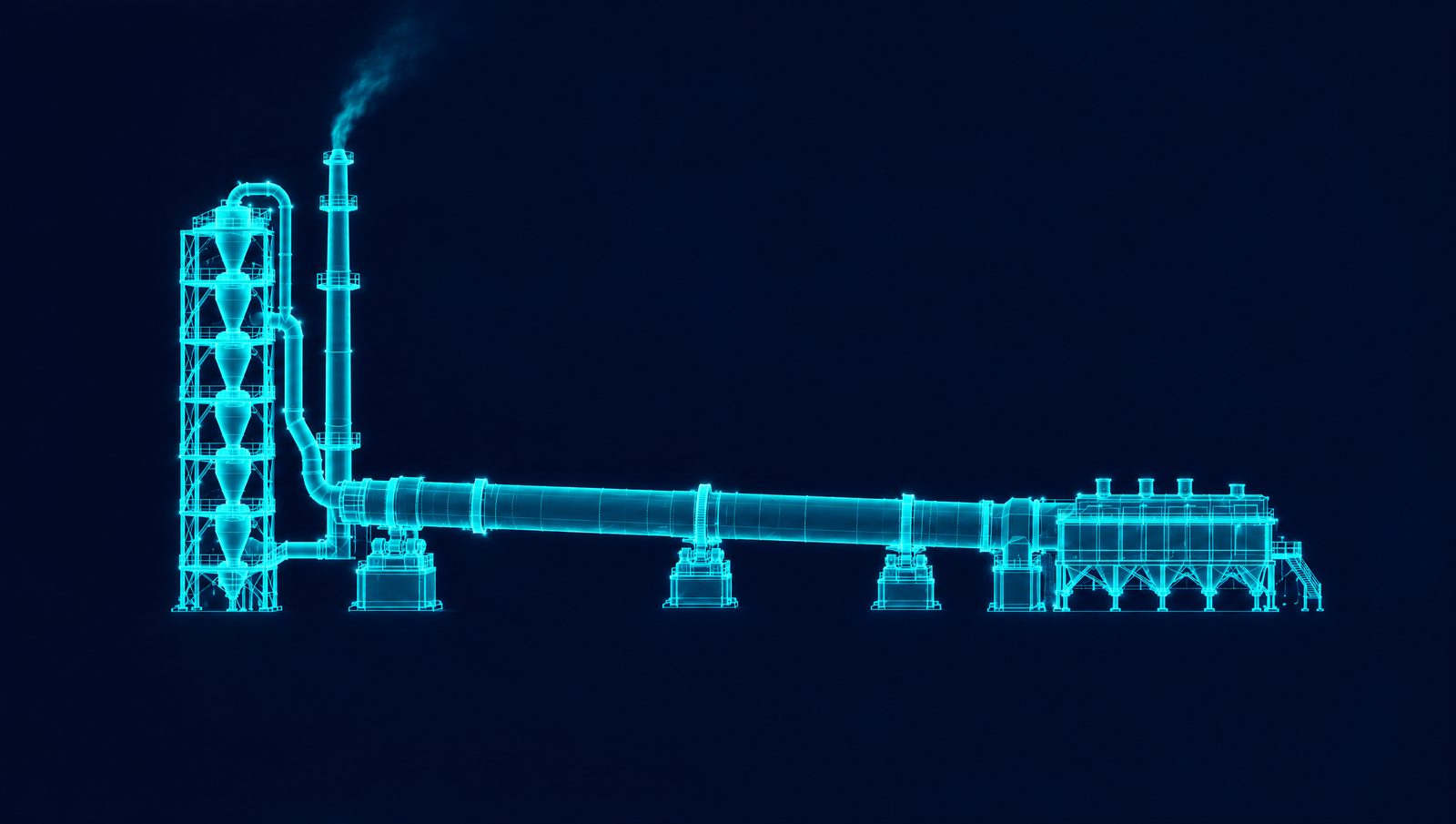
Cement industry decarbonization: the process control levers that cut CO₂
Why clinker drives cement's CO₂, and how tighter kiln control, a lower clinker factor and more alternative fuel cut energy and emissions per tonne.
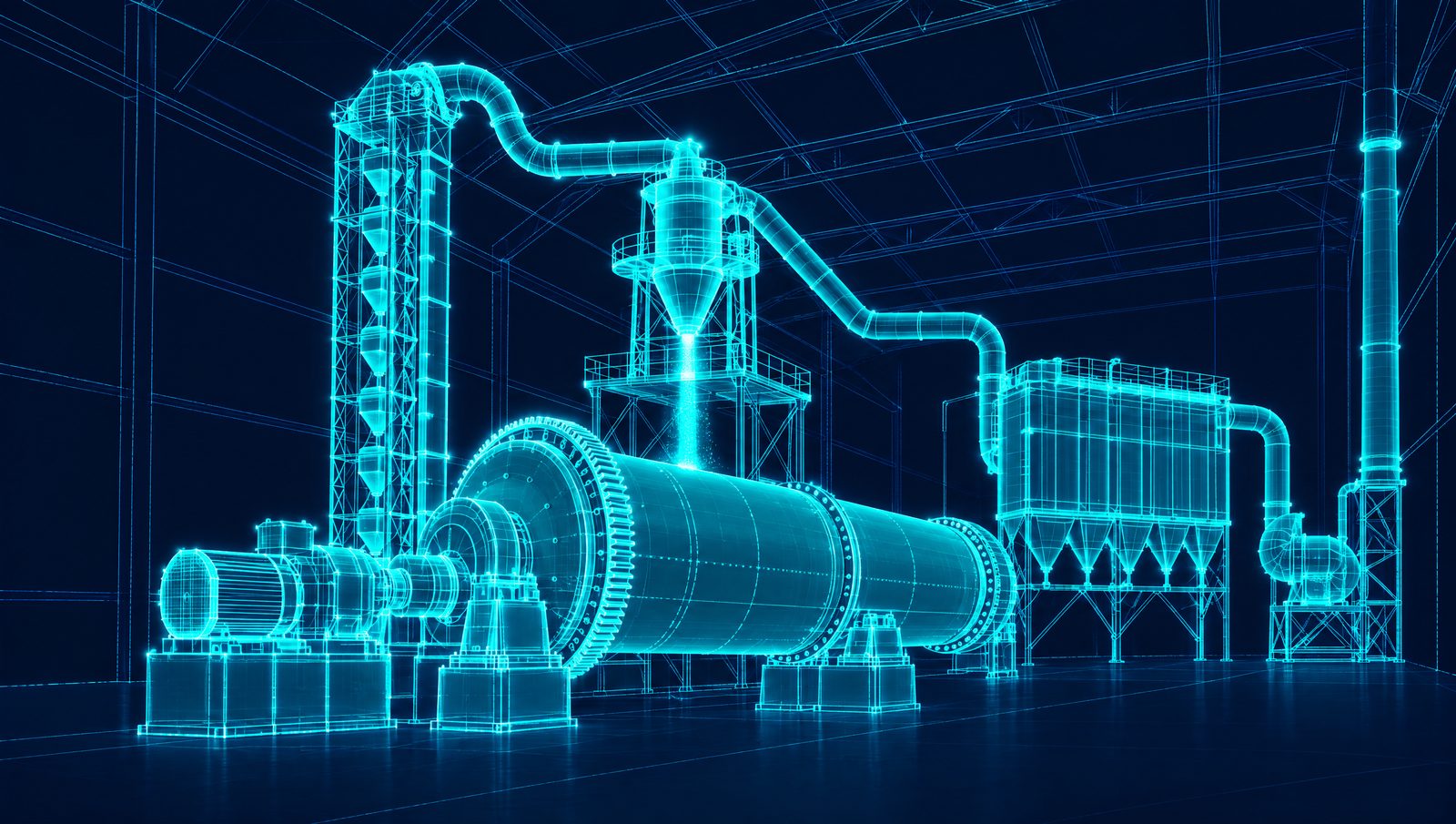
Cement grinding optimization: mill types, circuit design and multivariable control
How ball mills, VRMs and HPGR circuits set the efficiency ceiling in cement finish grinding, and why coordinated control decides how close a plant runs to it.
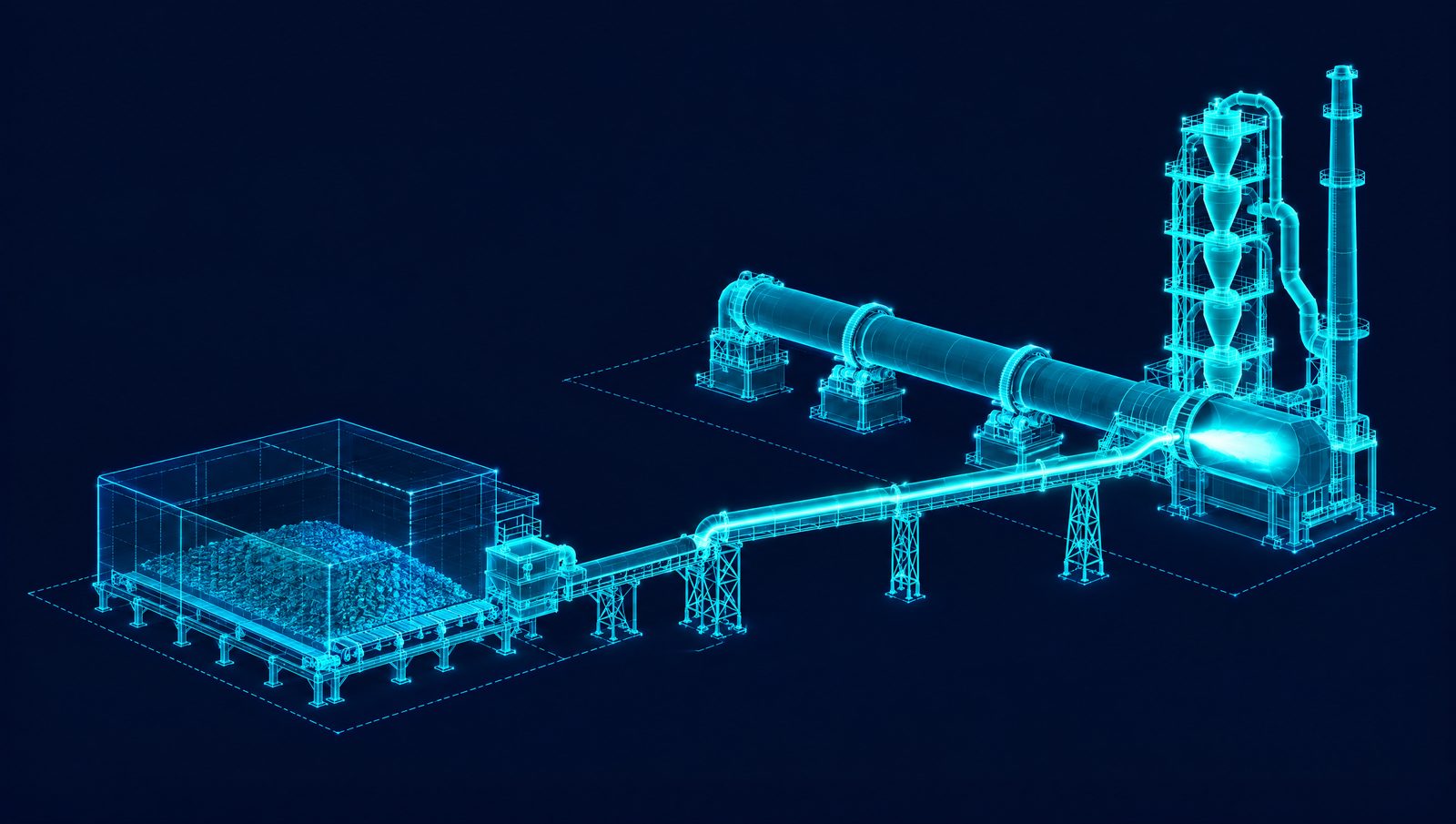
Alternative fuels in cement kilns and combustion control
Why alternative fuels destabilize the kiln as substitution rises, and how learned models hold clinker quality ahead of the free lime lab result.
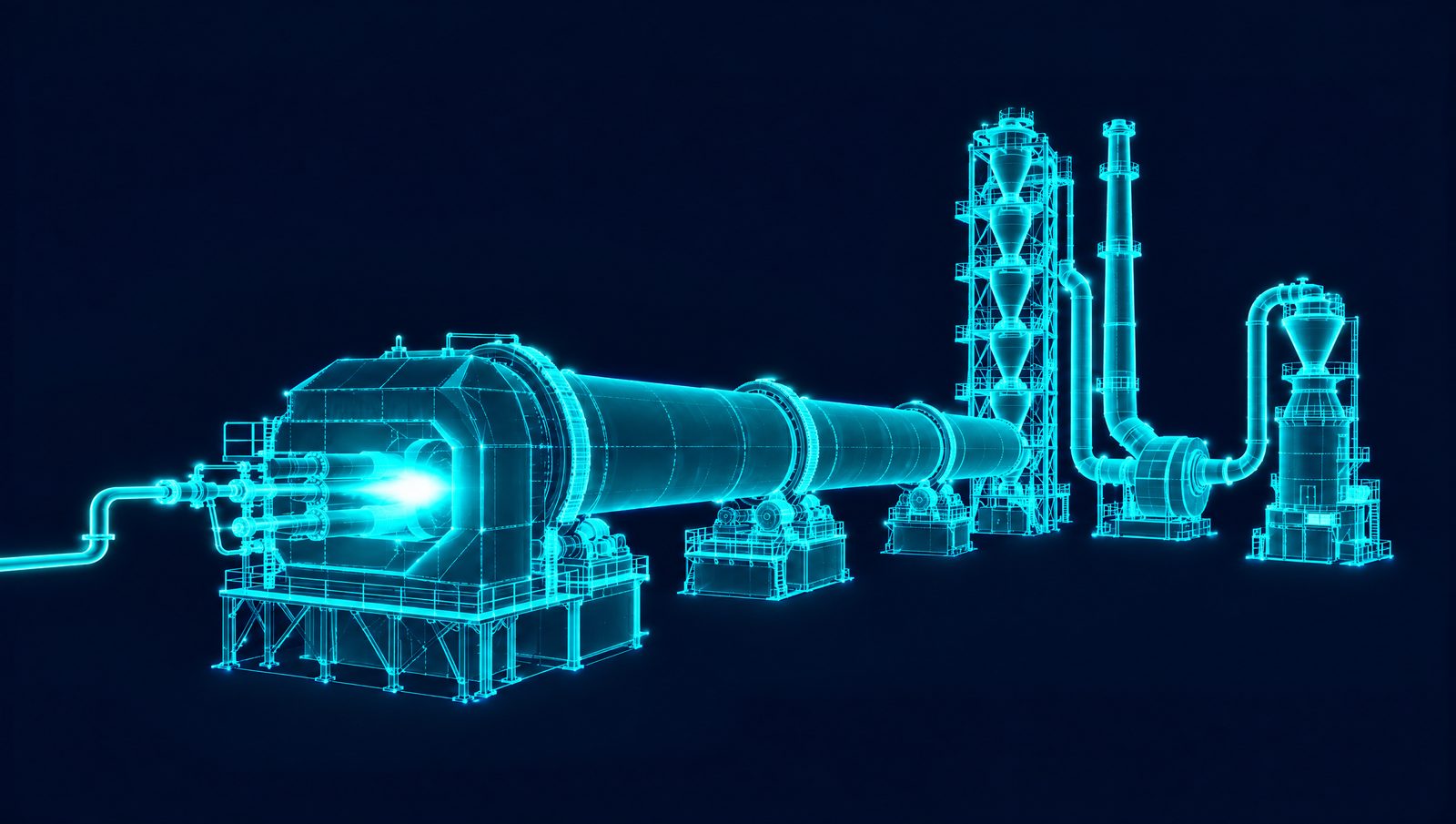
3 strategies to optimize energy in cement production
Three ways cement plants cut fuel and power per tonne: real-time energy visibility, linking kiln and mill conditions to consumption, and AI setpoint control.
Mining and minerals
12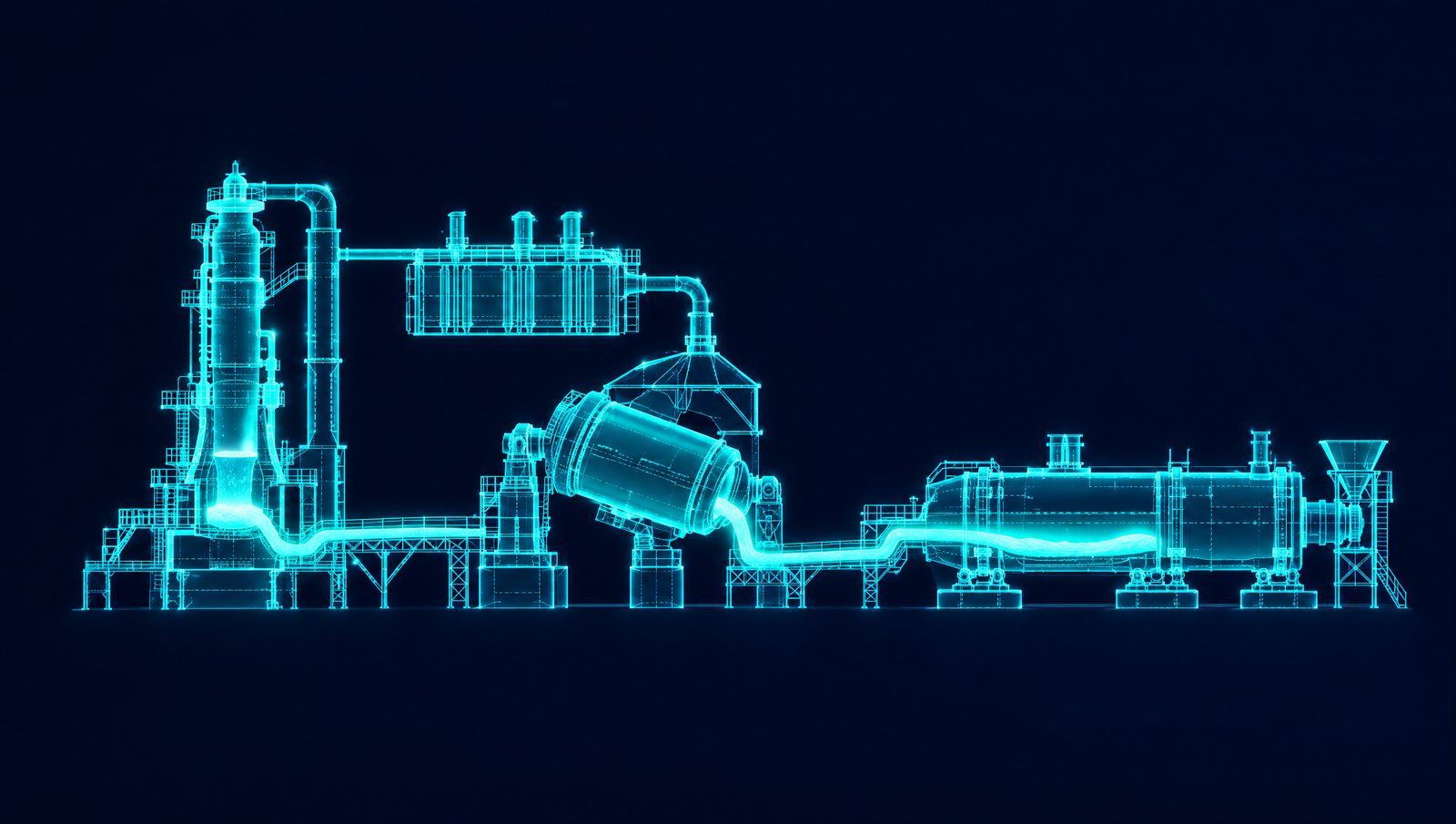
The smelting process, its methods, and where operations recover margin
How smelting works from roasting to slag, how the main methods and furnace types differ, and where smelters lose and recover margin heat by heat.
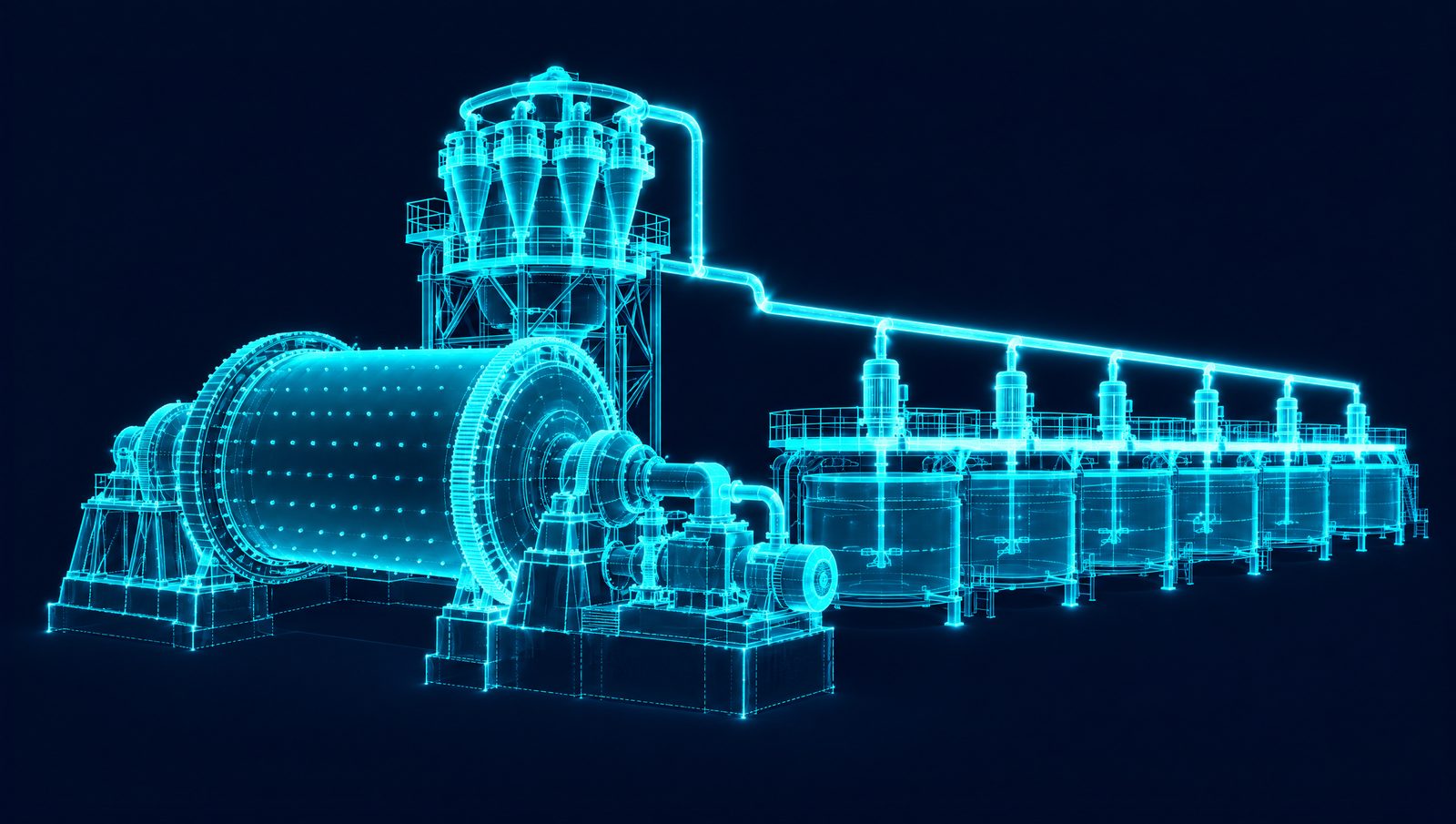
Seven profit drivers in a concentrator's recovery rate
Where concentrators lose recovery and margin, from grind size and pulp chemistry to feed variability, tailings and the trade-off with throughput.
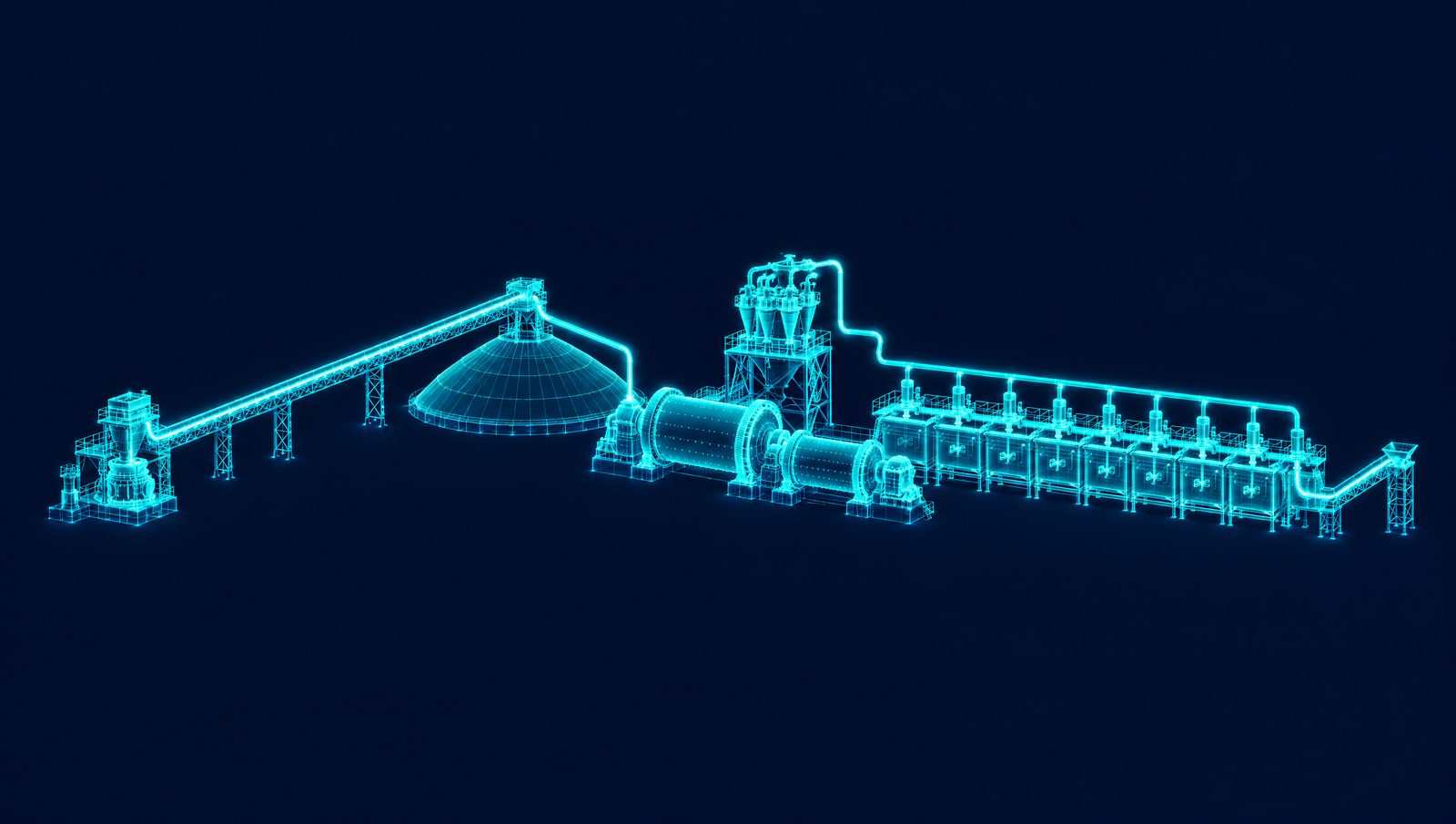
Seven operational excellence gains from closed-loop AI in mining
How closed-loop control on crushing, grinding and flotation circuits lifts throughput, cuts grinding energy, steadies concentrate grade and holds the gains.
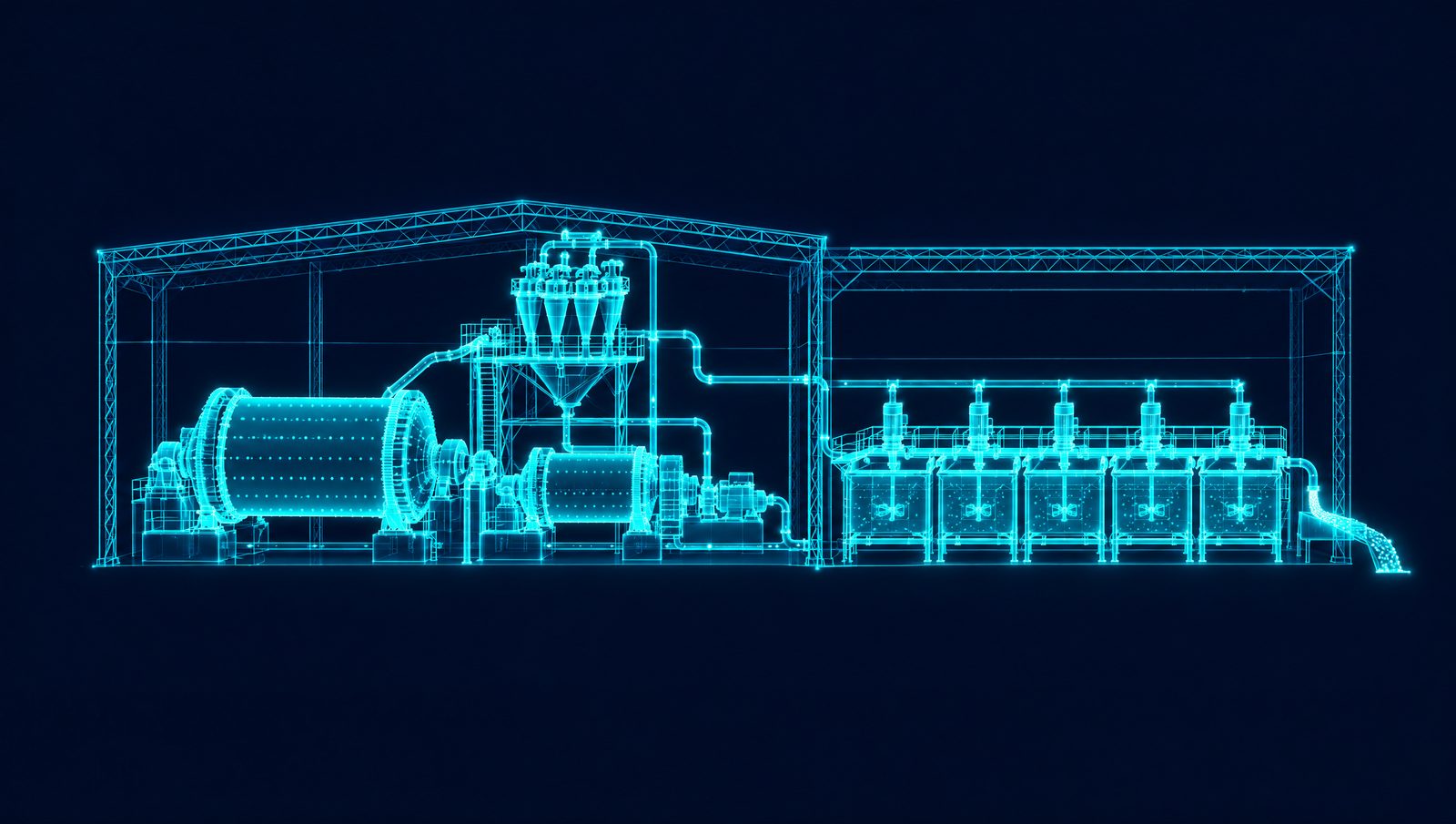
Mineral processing: how the circuit works and where AI changes it
How comminution, classification, flotation and dewatering work, where conventional control loses recovery and energy, and how AI coordinates the circuit.
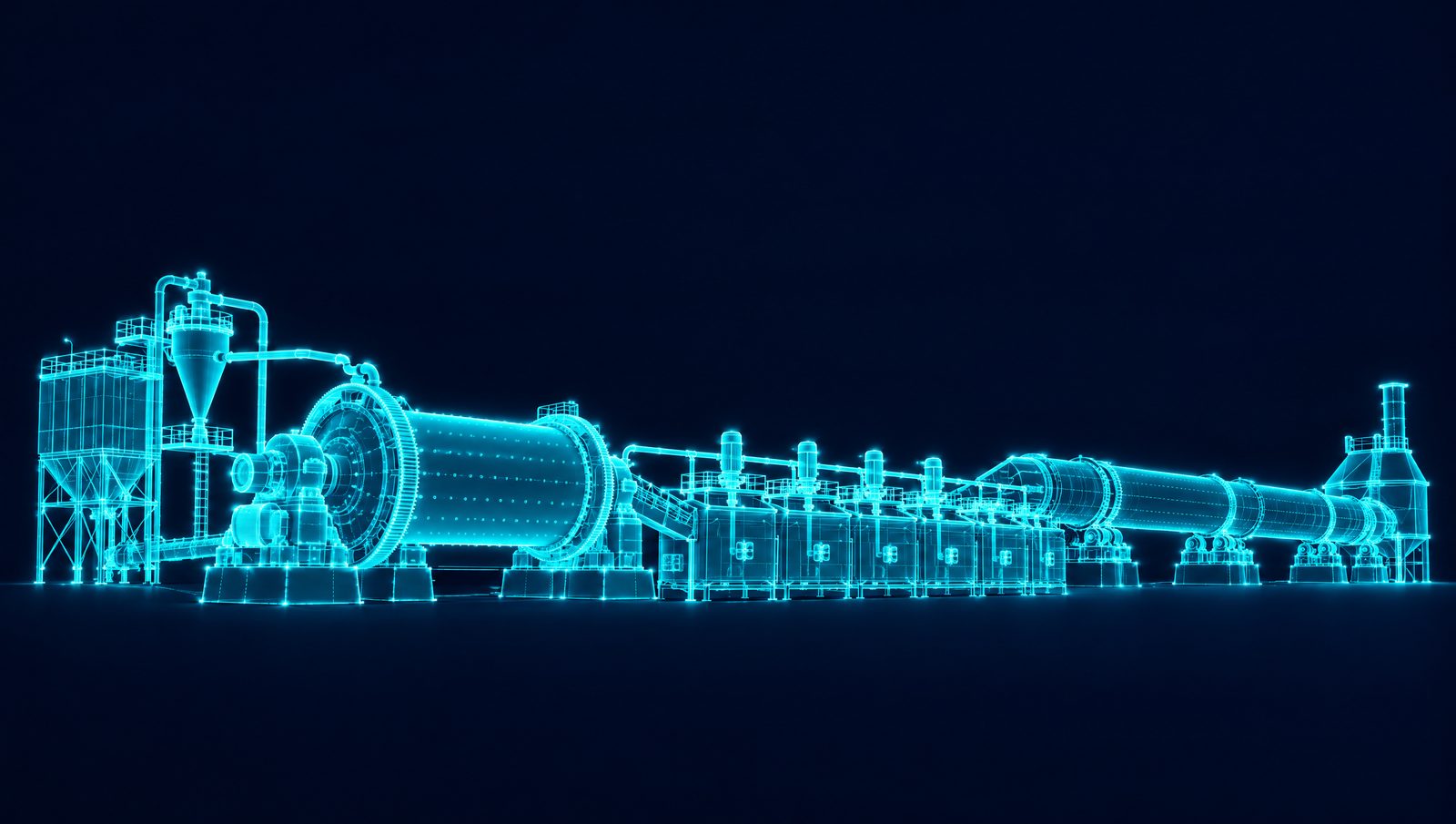
Lithium processing optimization: recovery, energy and product quality
Where hard-rock lithium plants lose value in flotation, grinding, calcination and crystallization, and how closed-loop control helps recover it.
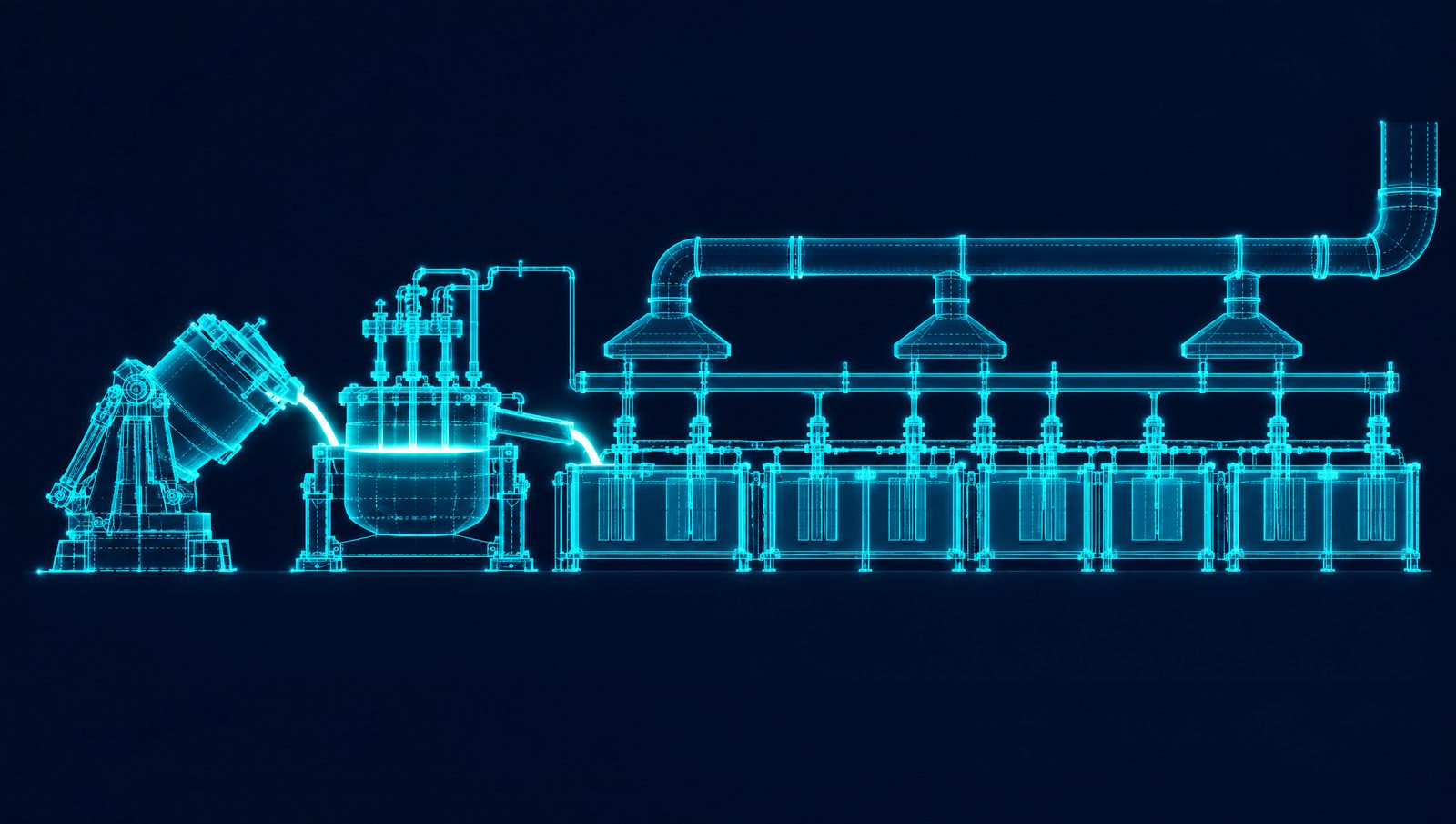
Gold refining optimization for purity, cost and uptime
How real-time control of furnace temperature, flux and reagent dosing can raise gold purity and recovery, cut energy and reagent use, and catch failures early.
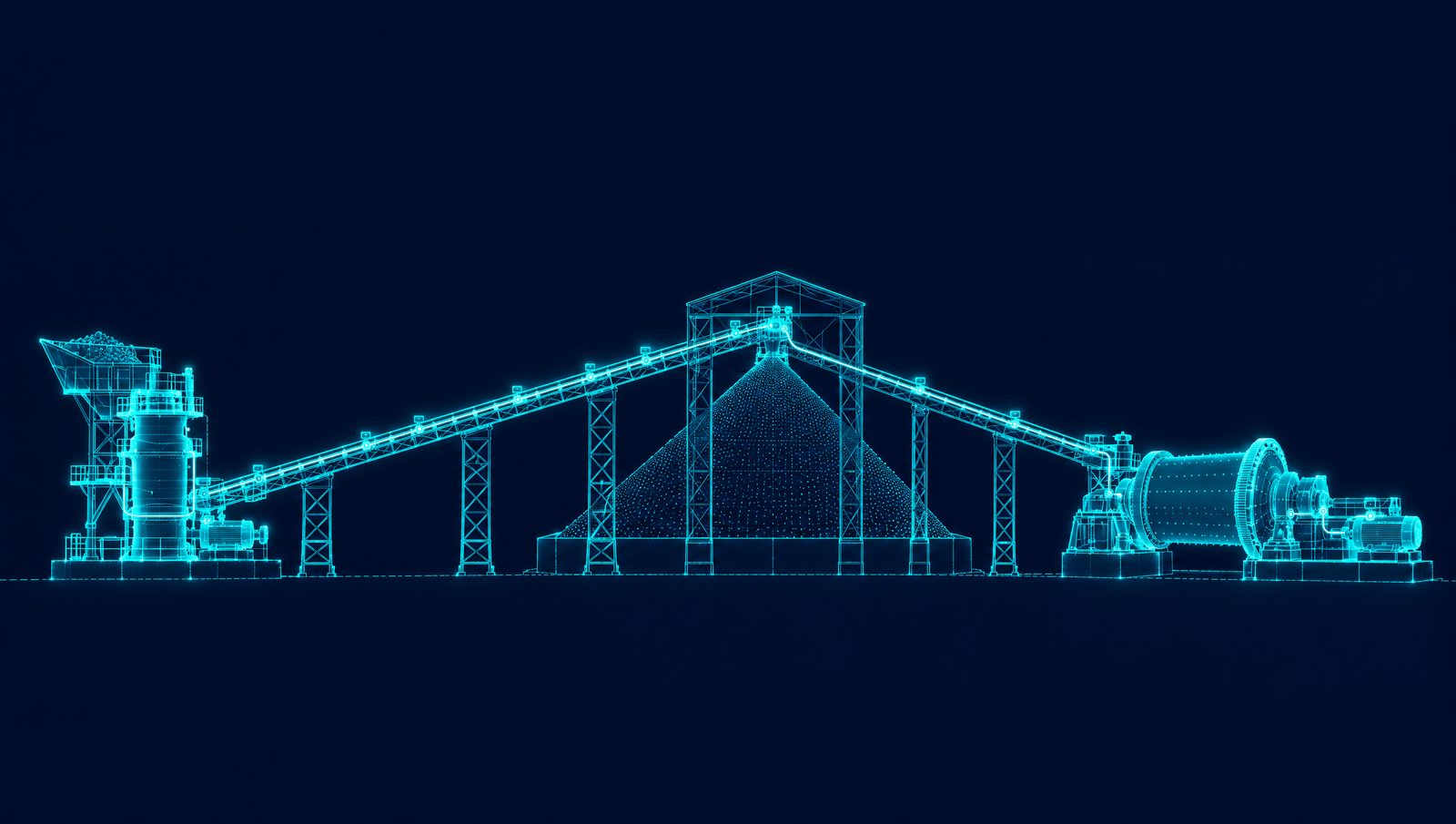
Five ways to reduce unplanned downtime in mining
How failure prediction, condition-based maintenance, real-time monitoring and a shared view of risk cut unplanned stops on crushers, conveyors and trucks.
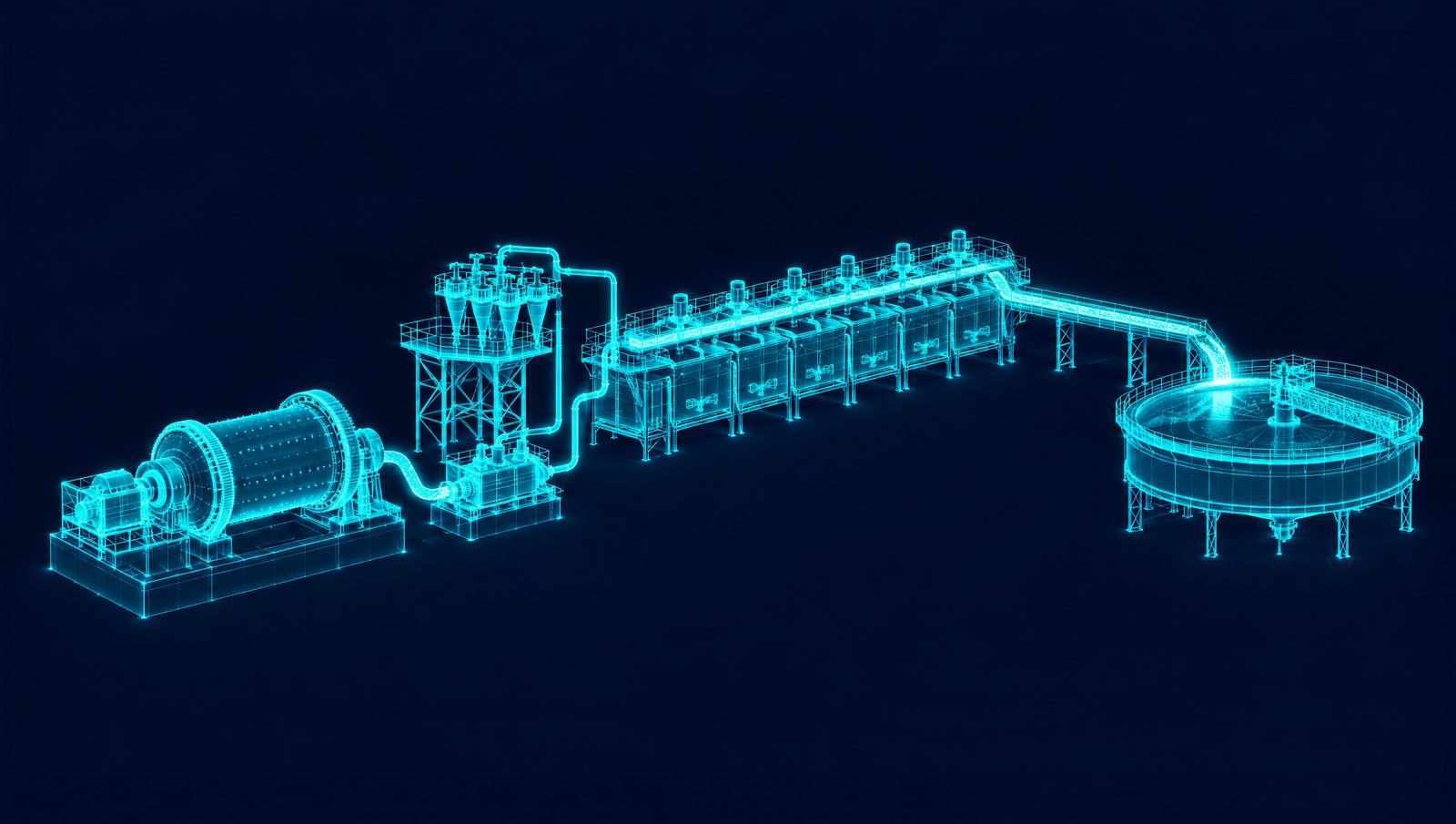
Five ways AI improves critical mineral separation efficiency
Five methods for critical mineral recovery plants: predict conditions, optimize variables together, adapt to ore, cut reagent use and run in closed loop.
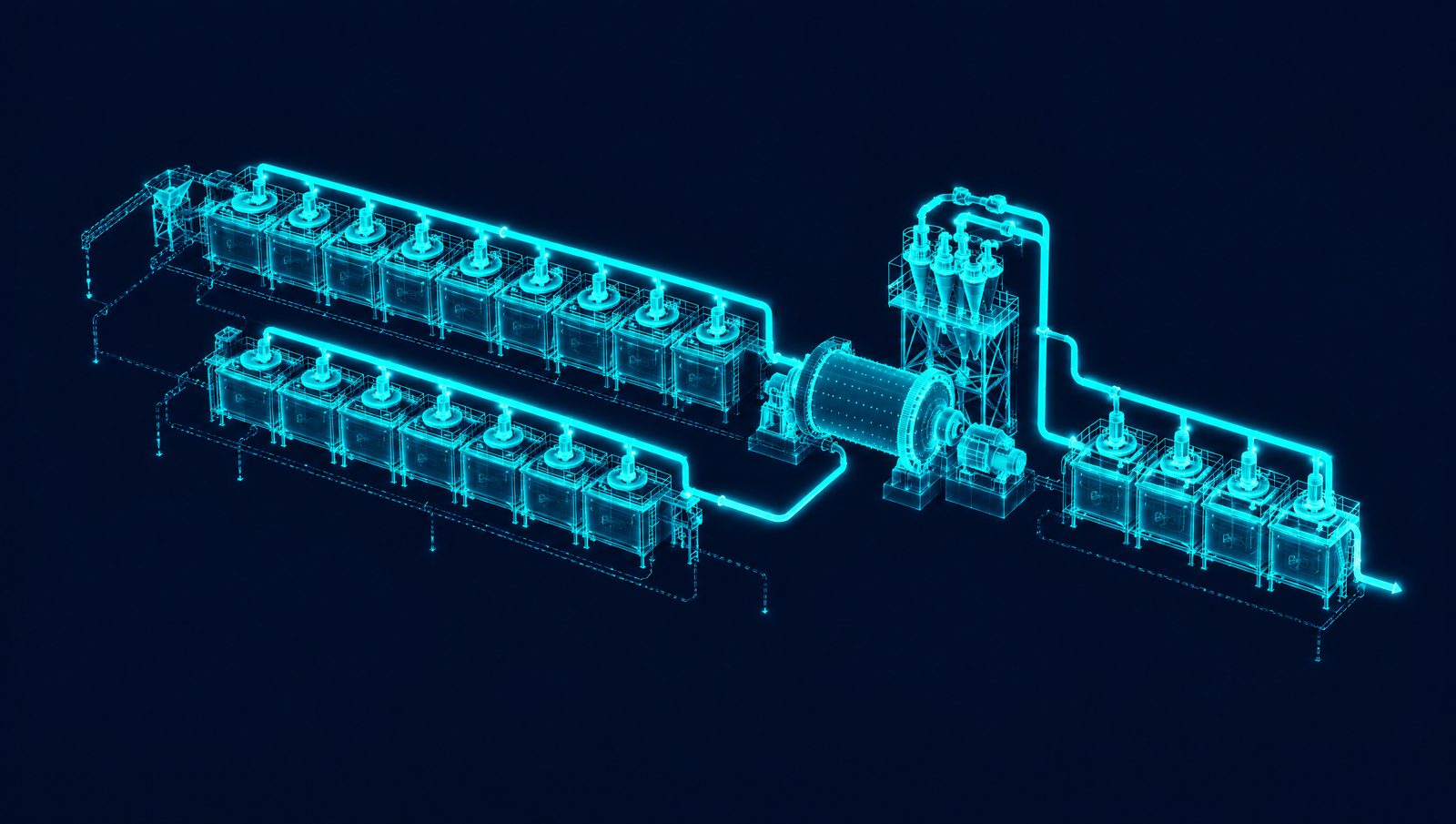
Five AI methods that improve critical mineral separation
How prediction, multivariable control, ore adaptation, reagent dosing and closed loop raise recovery and cut reagent and energy use in mineral separation.
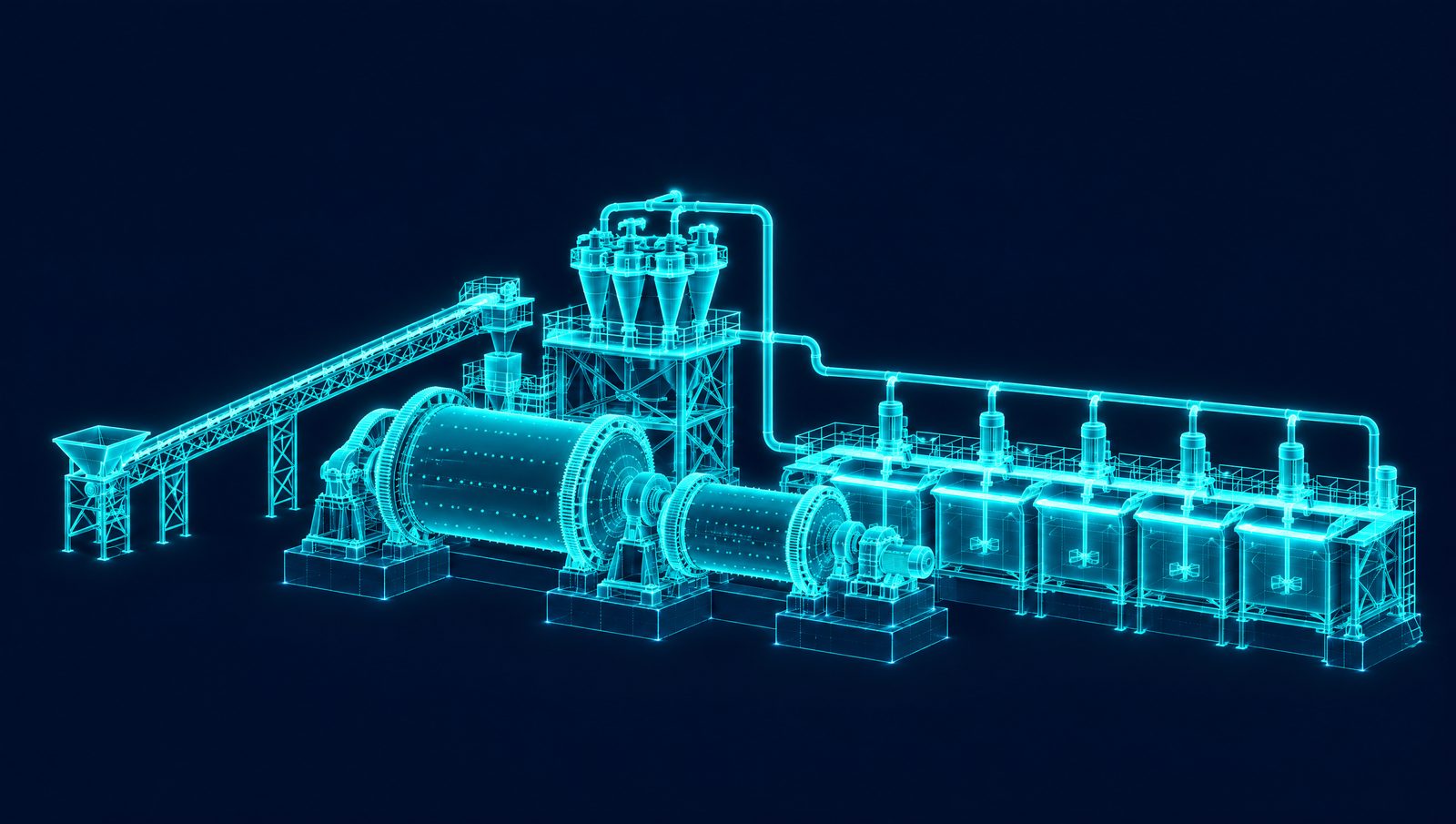
Energy strategies for a more sustainable mining industry
Why energy efficiency is the quickest route to lower emissions in mining, with practical measures and a five-phase roadmap from baseline to land rehabilitation.
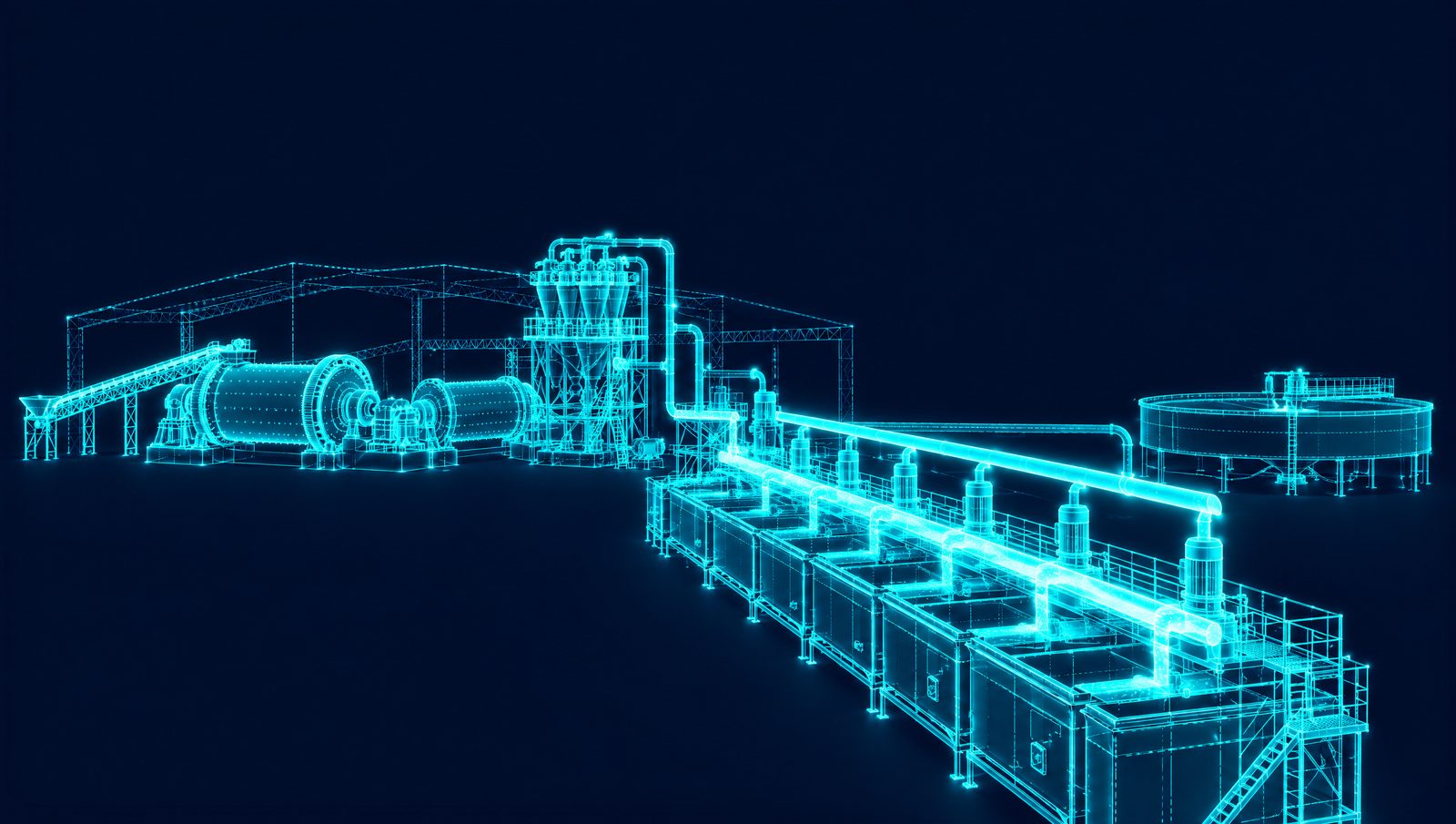
Copper processing plant optimization with AI
How learned models and closed-loop control raise throughput, flotation recovery and grinding energy efficiency in copper concentrators as ore grades fall.
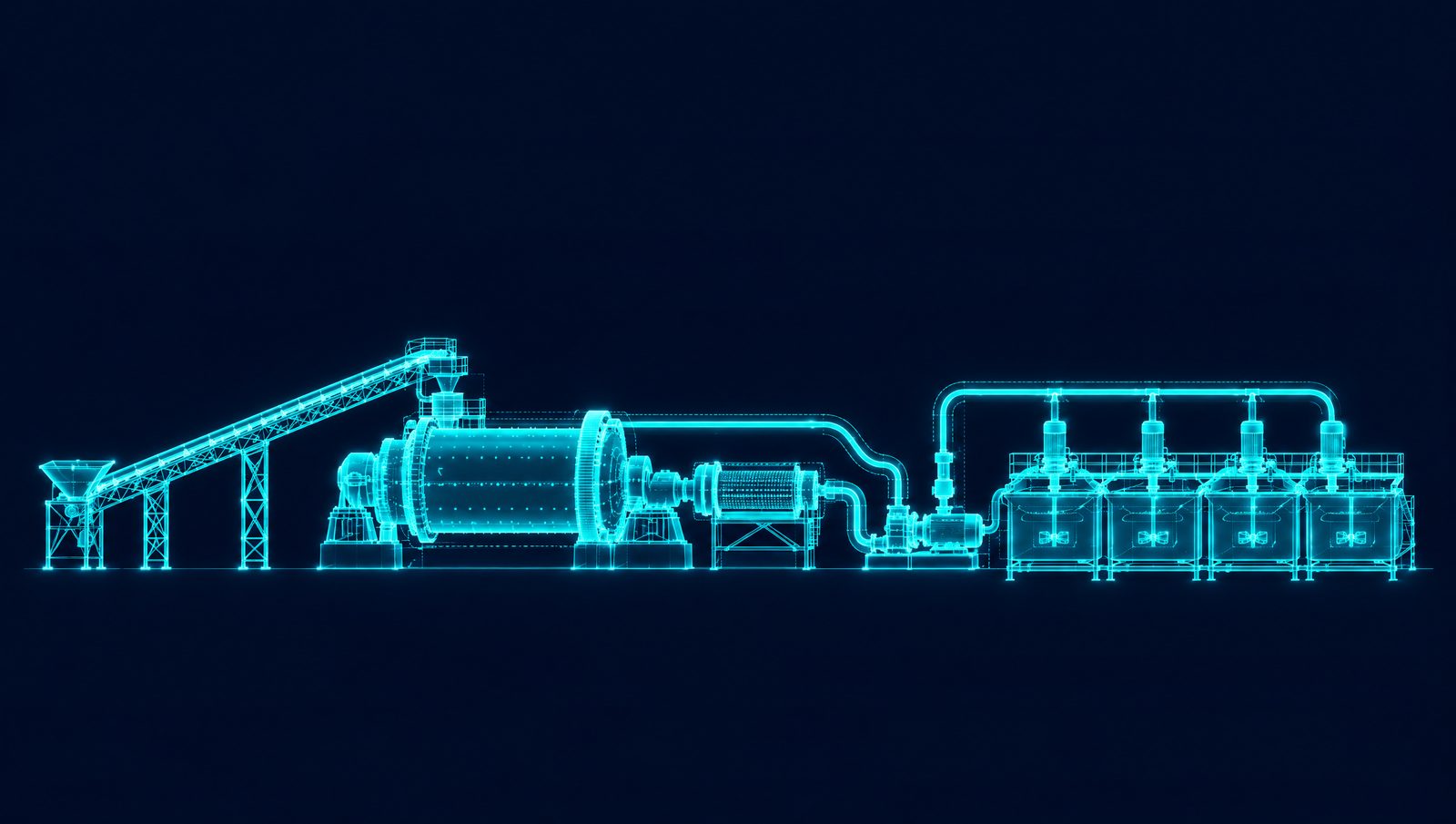
AI in mining: from processing plant optimization to workforce readiness
Where AI adds value in mining, with a focus on the processing plant: coordinated grinding and flotation, the operator's role, and workforce readiness.
Gas
11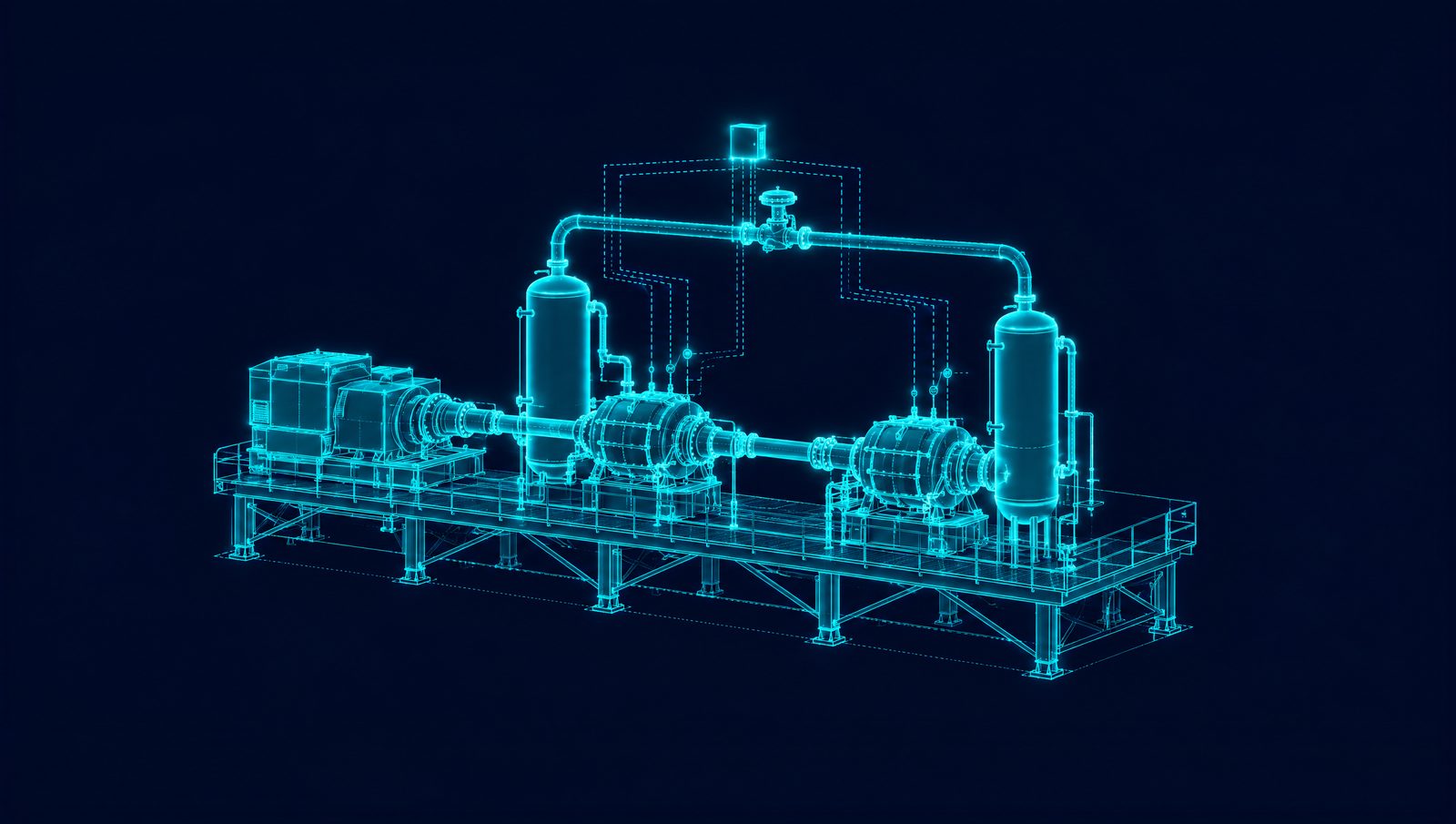
Refrigerant compressors in LNG plants: efficiency and load optimization
How recycle, exchanger fouling, ambient swings and refrigerant drift raise LNG compressor specific power, and why system-level loading recovers capacity.
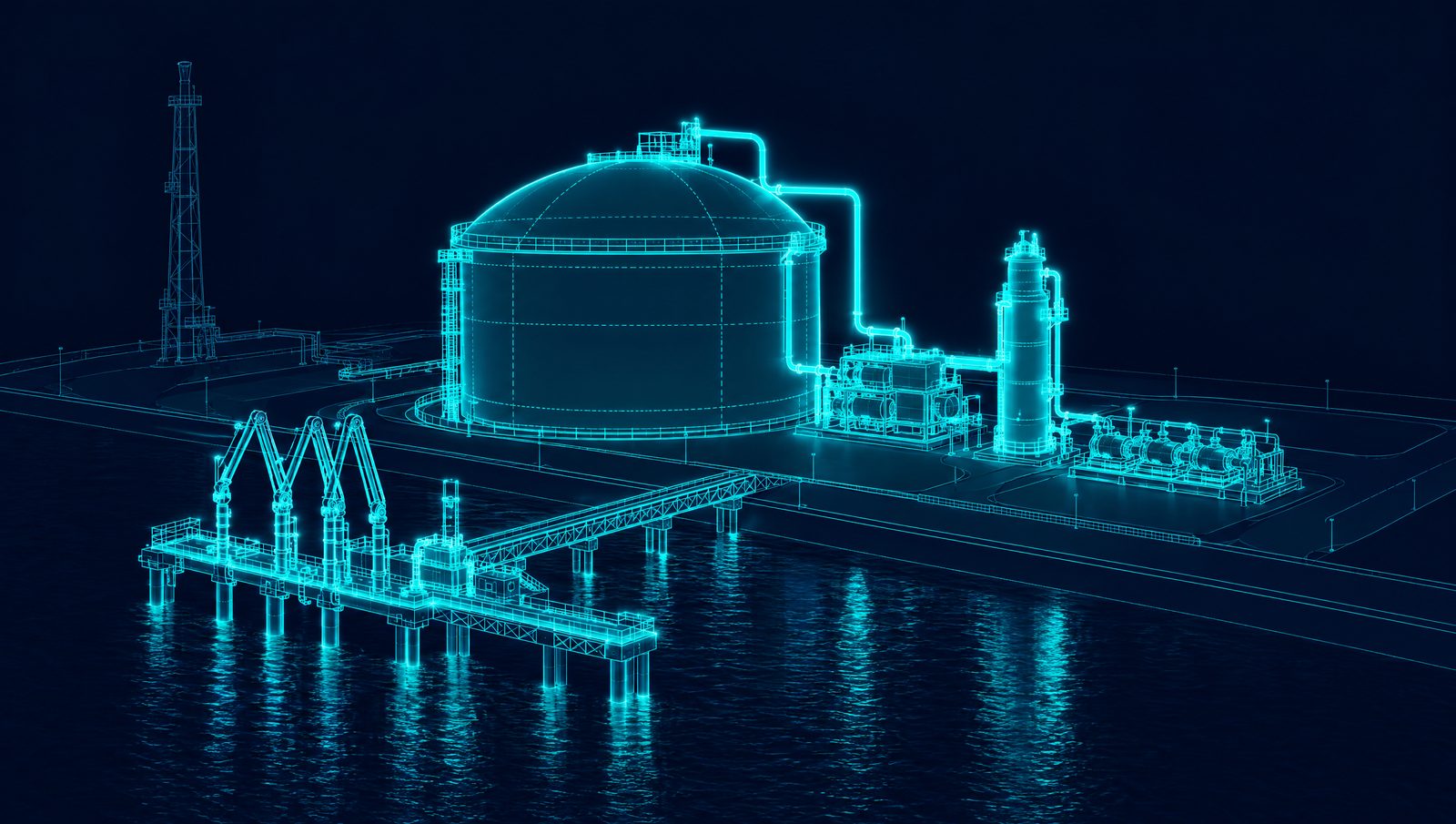
Reducing boil-off gas losses in LNG loading, recovery and storage
Why LNG transfer and loading create most boil-off gas losses, why recovery systems fall short in transients, and how coordinated control recovers more vapor.
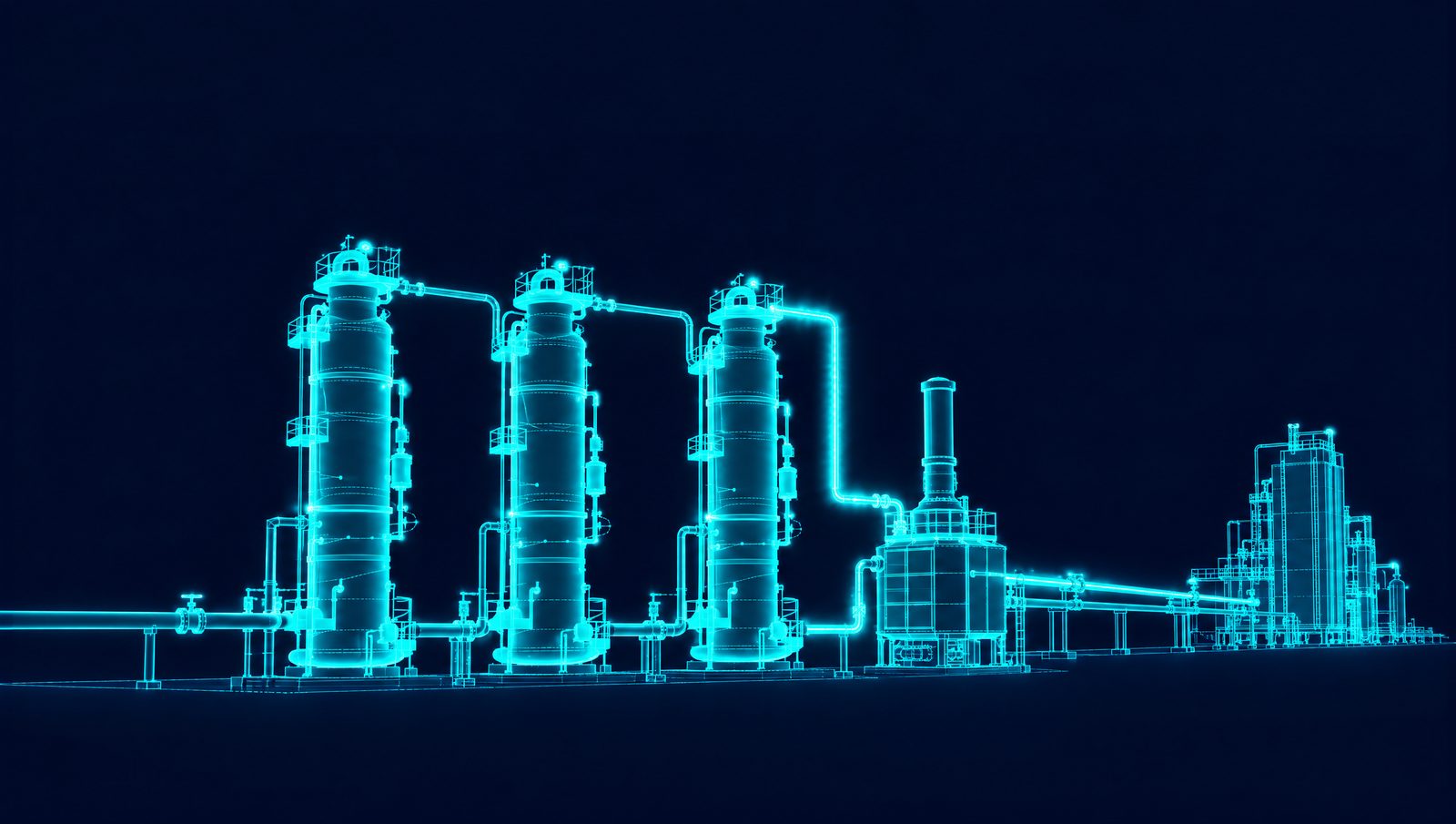
Optimizing molecular sieve dehydration in LNG operations
How bed sizing, regeneration practice and upstream carryover set molecular sieve life in LNG, and why condition-based switching beats fixed timers.
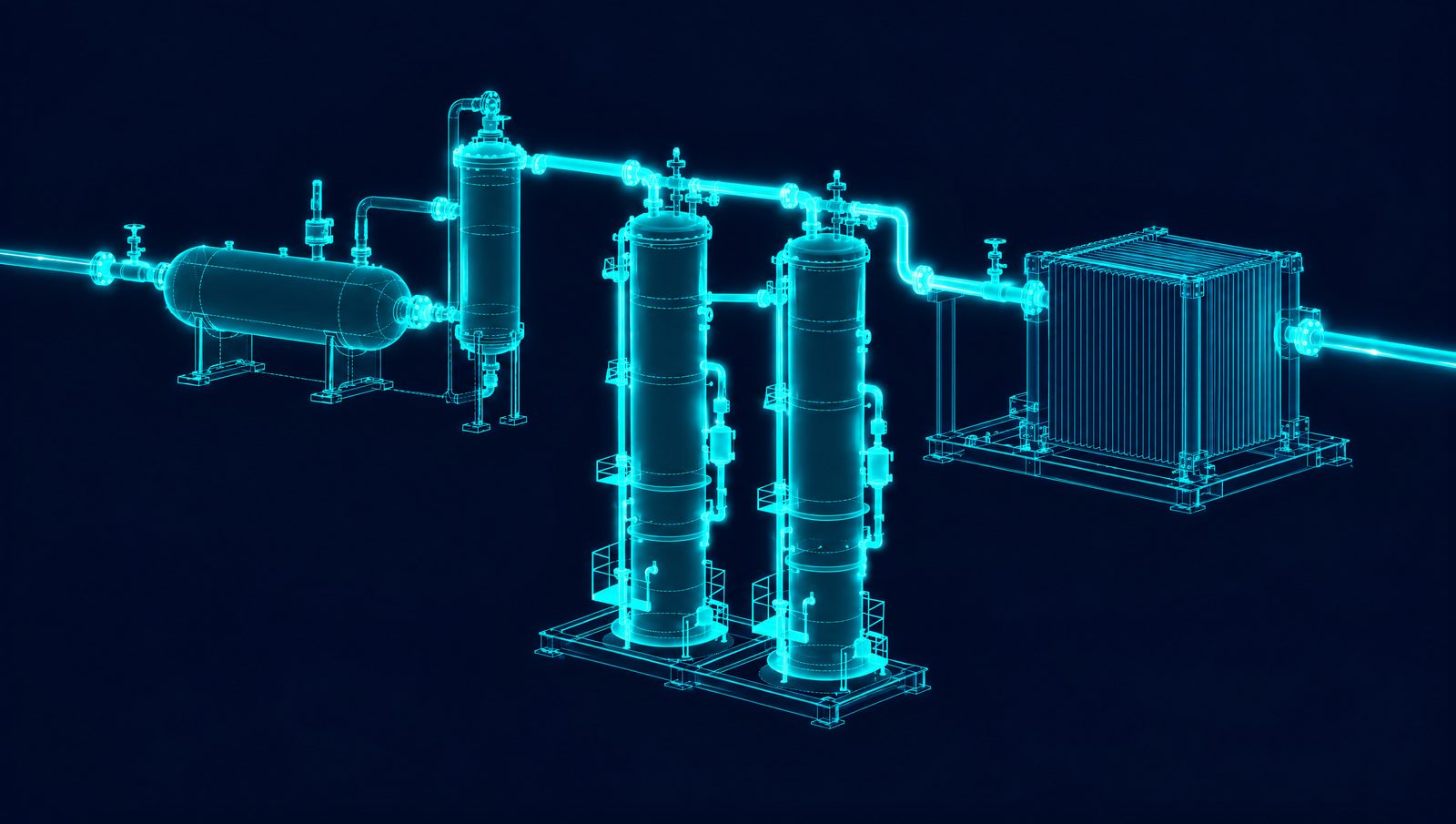
Mercury removal in LNG and guard bed management
How mercury damages LNG cryogenic equipment, why upstream conditioning sets guard bed life, and how outlet and pressure-drop trends time changeouts.
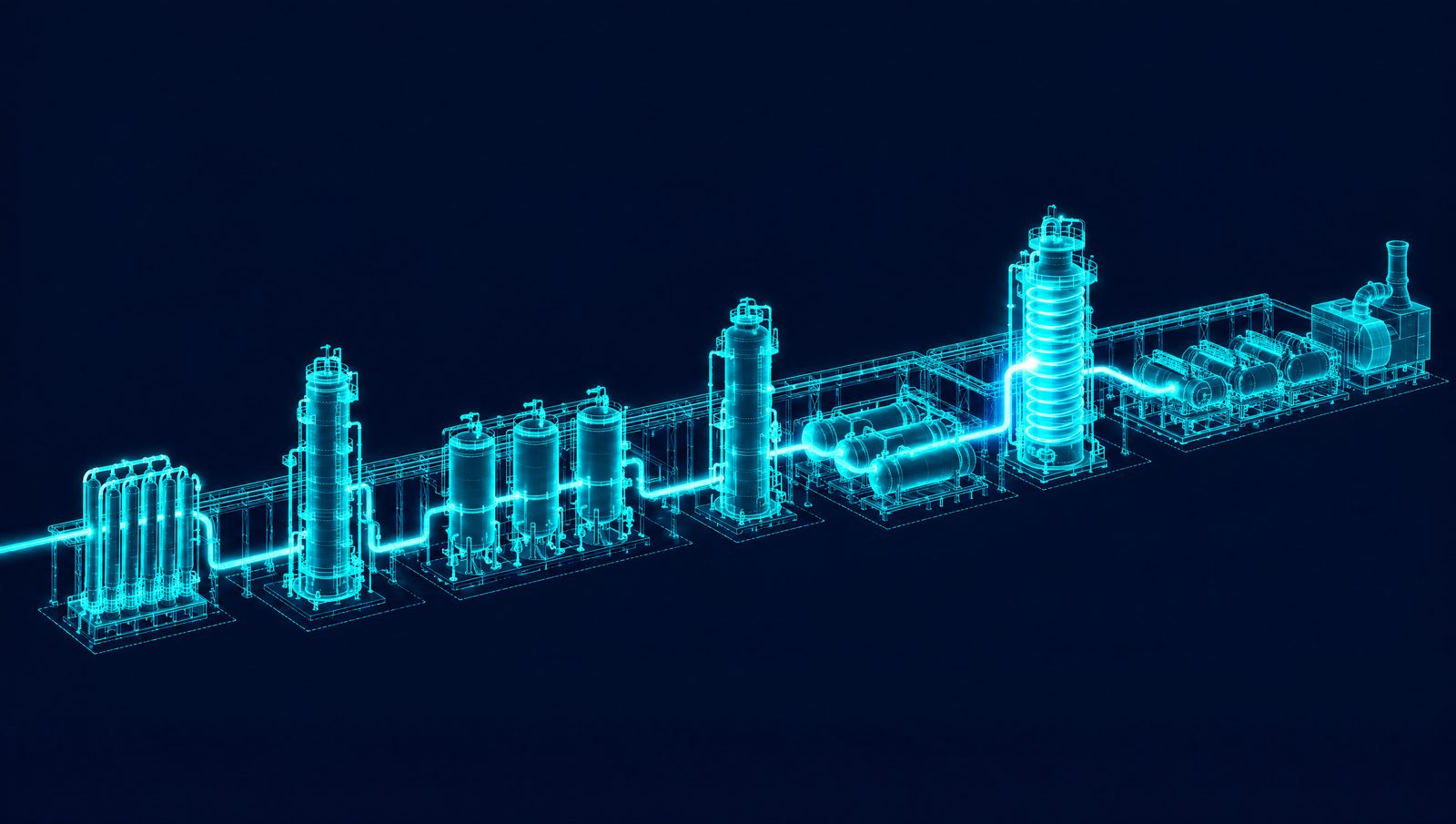
LNG train performance: how process dependencies limit liquefaction capacity
How AGRU loading, dehydration, scrub column behavior, ambient derating and fouling interact to hold LNG train output below nameplate capacity.
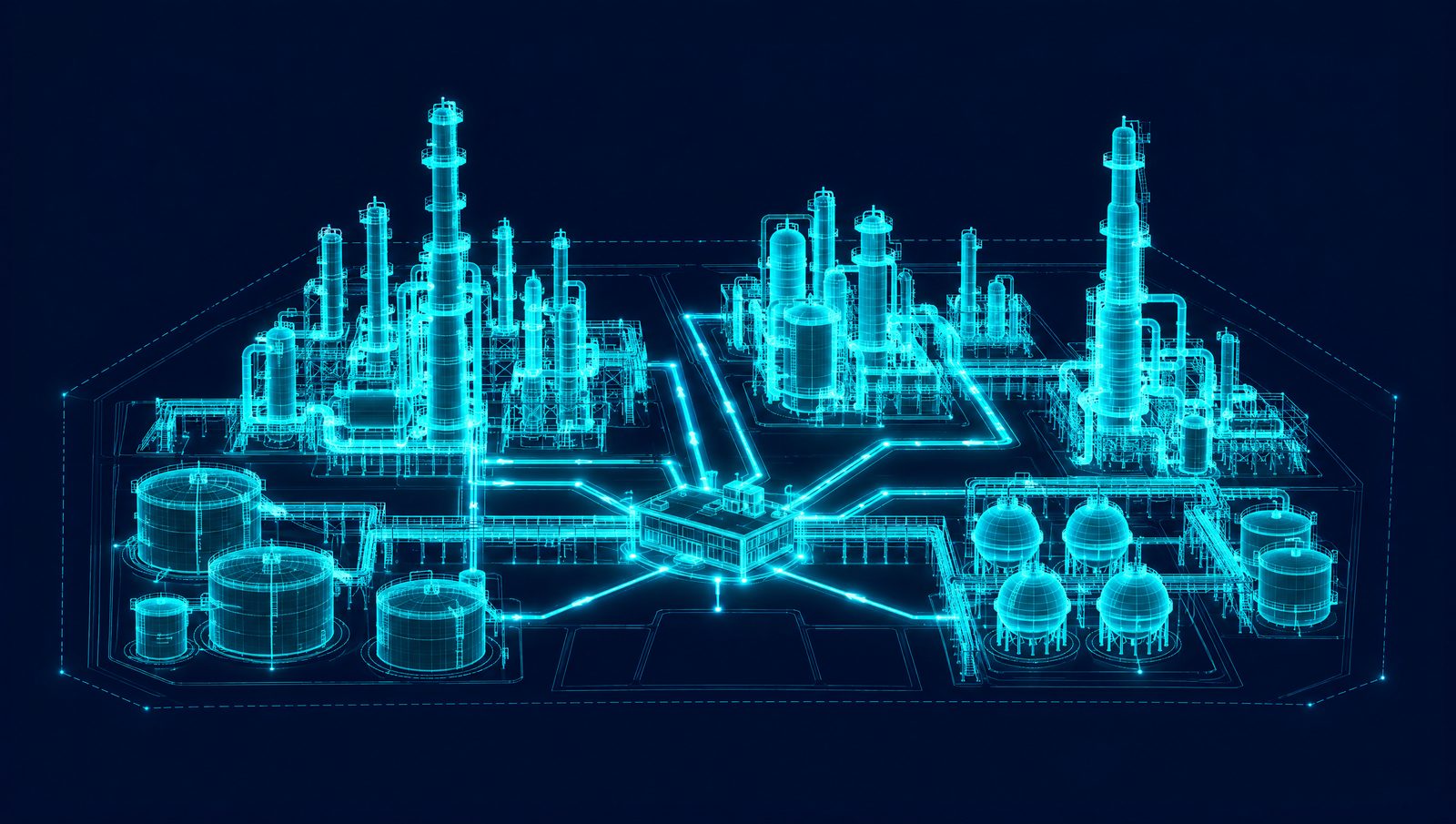
How to structure AI implementation teams in oil and gas
Practical steps for building the cross-functional team behind an oil and gas AI program, from ownership and core roles to safety, metrics and scale.
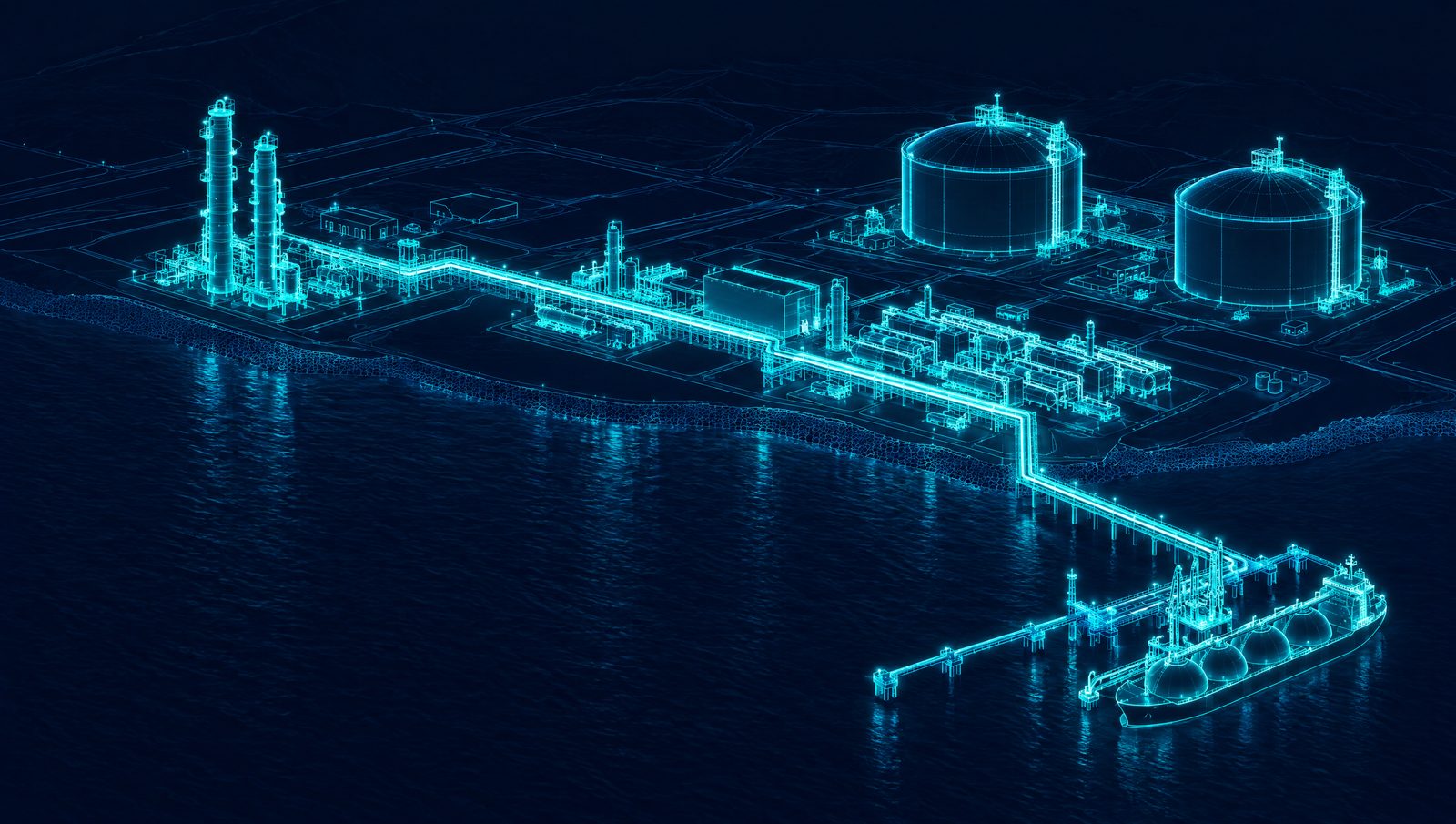
How amine treating works in LNG service and how to optimize it
How LNG amine units hold the 50 ppmv CO₂ limit, why foaming, corrosion and heat stable salts threaten train availability, and where reboiler energy goes.
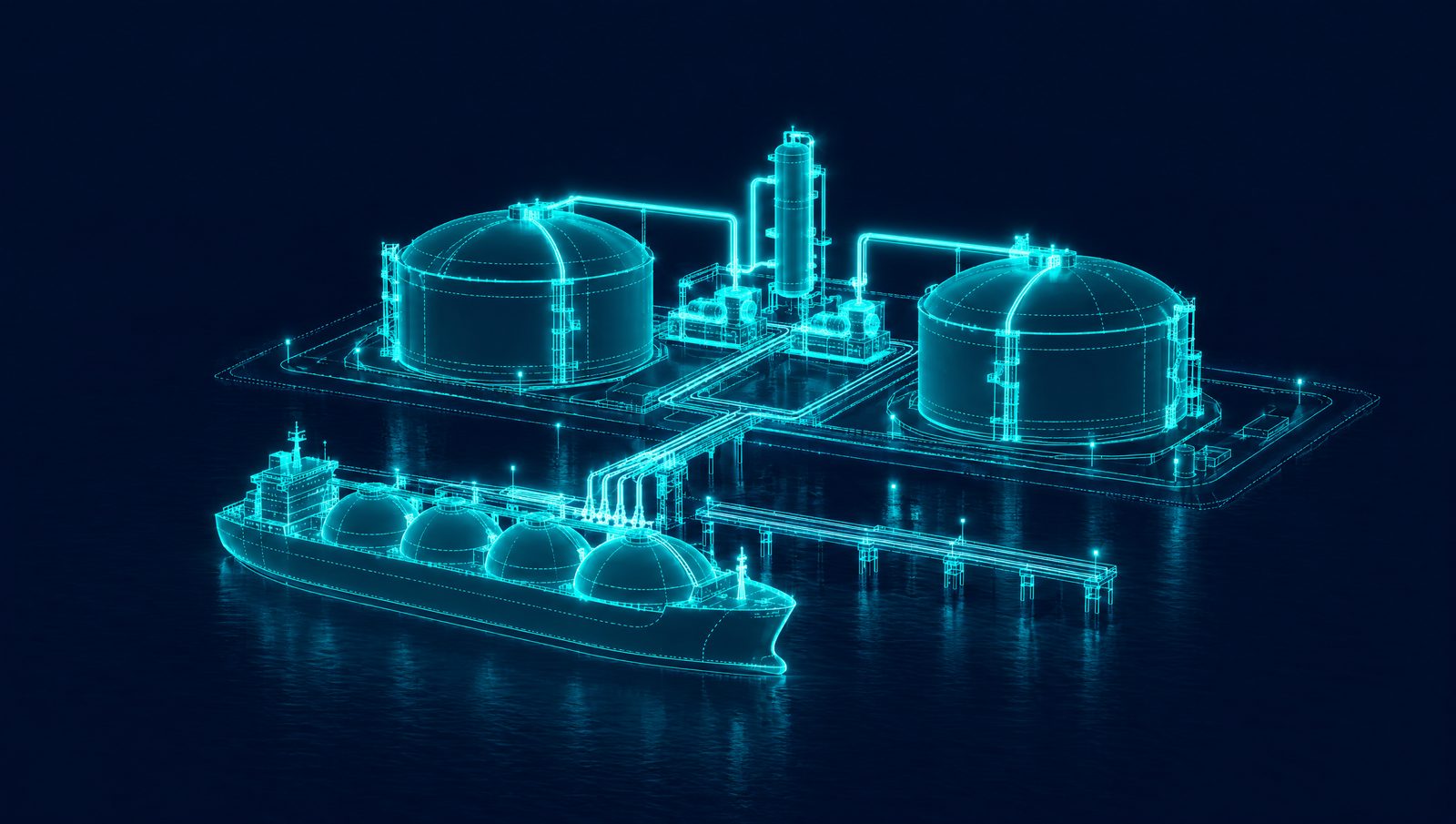
Controlling LNG storage tank pressure and boil-off gas across operating modes
How sendout, unloading and zero-sendout change LNG tank pressure, why actual boil-off drifts above design, and how to match BOG disposal to each mode.
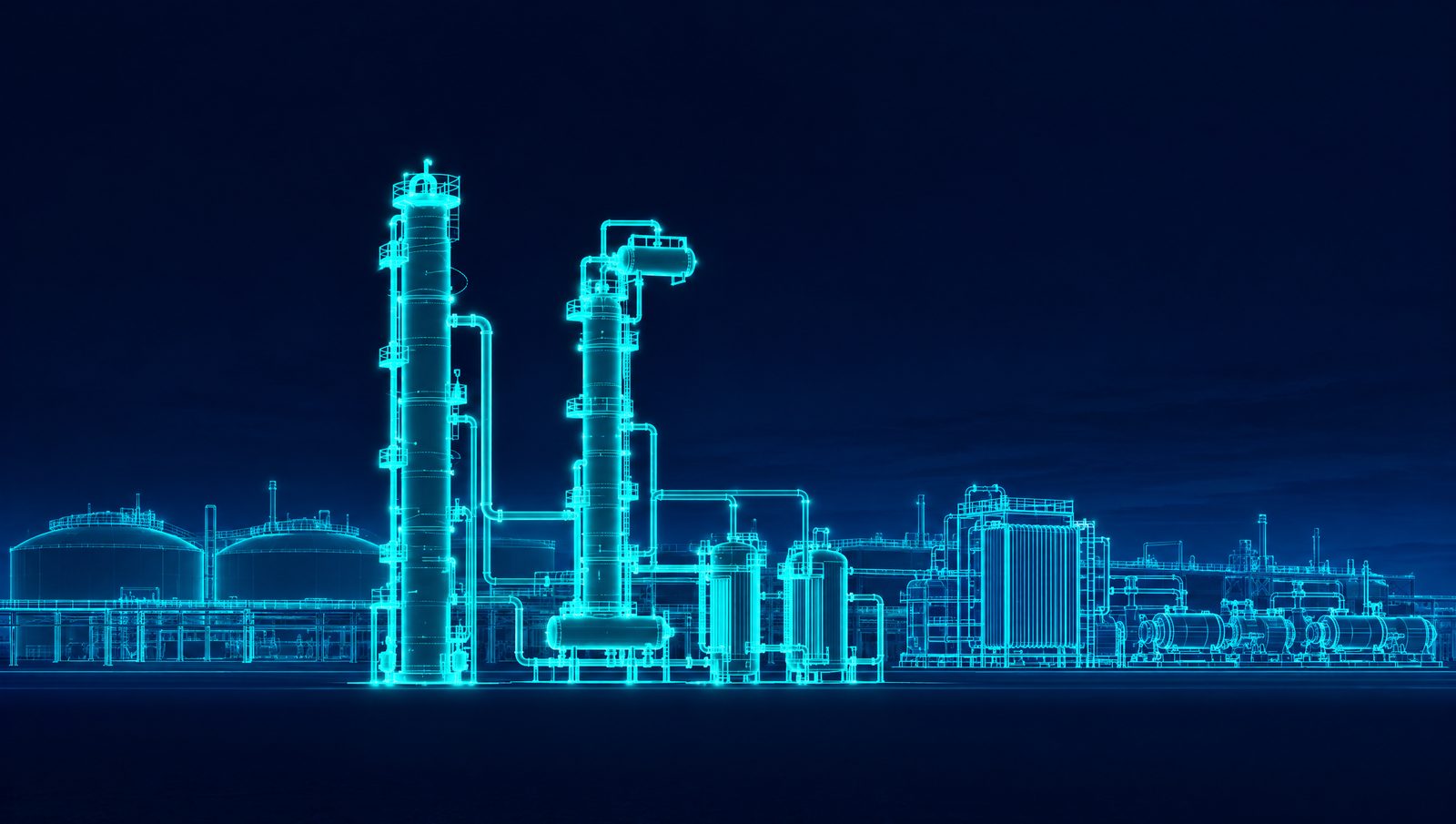
Acid gas removal optimization for LNG and gas processing
Why regeneration energy, amine circulation and feed variability set AGRU cost in LNG plants, and how a learned model targets minimum reboiler duty.
AI implementation strategy for oil and gas operations
Why sequencing decides whether AI holds up in oil and gas operations, from operating outcome and dependable data to operator trust and scaling.
A step-by-step path to a self-optimizing gas processing plant
Six phases for a gas processing plant, from instrument accuracy and loop tuning through APC and advisory models to closed-loop optimization.
Cross-industry
52
What separates industrial AI that delivers in process plants
Why many industrial AI pilots stall in process plants, and the integration, domain fit, adaptation, metrics and operator trust that set lasting ones apart.

What each plant automation layer does and where value leaks
How the DCS, APC, RTO and planning layers divide plant decisions by timescale, where each one's reach ends, and how a learned closed-loop layer fills the gaps.
Turning process engineers into citizen data scientists
A six-step roadmap for giving process engineers the data tools, skills and feedback loops to build plant models without waiting on data scientists.
Three industrial applications of reinforcement learning
How reinforcement learning works in process plants, and how it applies to closed-loop process control, maintenance scheduling and energy management.
Six operational efficiency metrics you can improve with closed-loop AI
How closed-loop control improves availability, throughput, energy intensity, yield, maintenance cost and OEE in process plants, and how the six metrics connect.

Process simulation in real-time operations: where models help and where they stall
Where steady-state, dynamic and real-time simulation support plant operations, why models drift after commissioning, and how learned models fill the gap.
Process plant optimization beyond conventional models
Why linear programs, steady-state simulators and spreadsheets miss nonlinear plant behavior, and how a model learned from plant data writes better setpoints.
Process modeling and the gap between planning targets and the plant
Why LP, APC and simulator models drift from the plant, how modeling approaches differ in upkeep, and how continuously learning models narrow the gap.
Process control with AI, from APC to closed loop
Where linear APC runs out of room, and a six-step roadmap for adding a learned closed-loop controller on top of existing APC and DCS, with operators in charge.
Plant operator training for the process industries
How process plants build operator skill, keep unit knowledge as veterans retire, and train on simulators built from the plant's own operating data.
Manufacturing KPIs that drive margin in process plants
Why process plant KPI frameworks stop at reporting, and how to tie yield, energy, throughput and quality to margin while the unit is still running.
Industrial machine learning in process plant operations
How supervised, unsupervised, reinforcement and deep learning apply in process plants, where they add value, and why continuous units need a different approach.
Industrial intelligence meets AI: from plant data to real-time decisions
How process plants turn historian, lab and control data into real-time decisions: data context, choosing an optimization approach, and moving to closed loop.
Industrial decarbonization: four ways AI reduces plant emissions
How learned process models and closed-loop control cut Scope 1 and 2 emissions in energy-intensive plants while protecting throughput and margin.
Industrial AI for process optimization in heavy industry
How industrial AI applies in refining and gas, polymers, cement, chemicals and mining, unit by unit, on top of the control systems plants already run.
Improving manufacturing throughput without capital expenditure
How plants raise throughput on existing equipment by finding the real system constraint, with learned process models and closed-loop control.
How to reduce natural gas consumption in process plants
Five ways AI reduces natural gas use in process plants: finding hidden losses, adjusting setpoints, preventing spikes, balancing units and guiding operators.
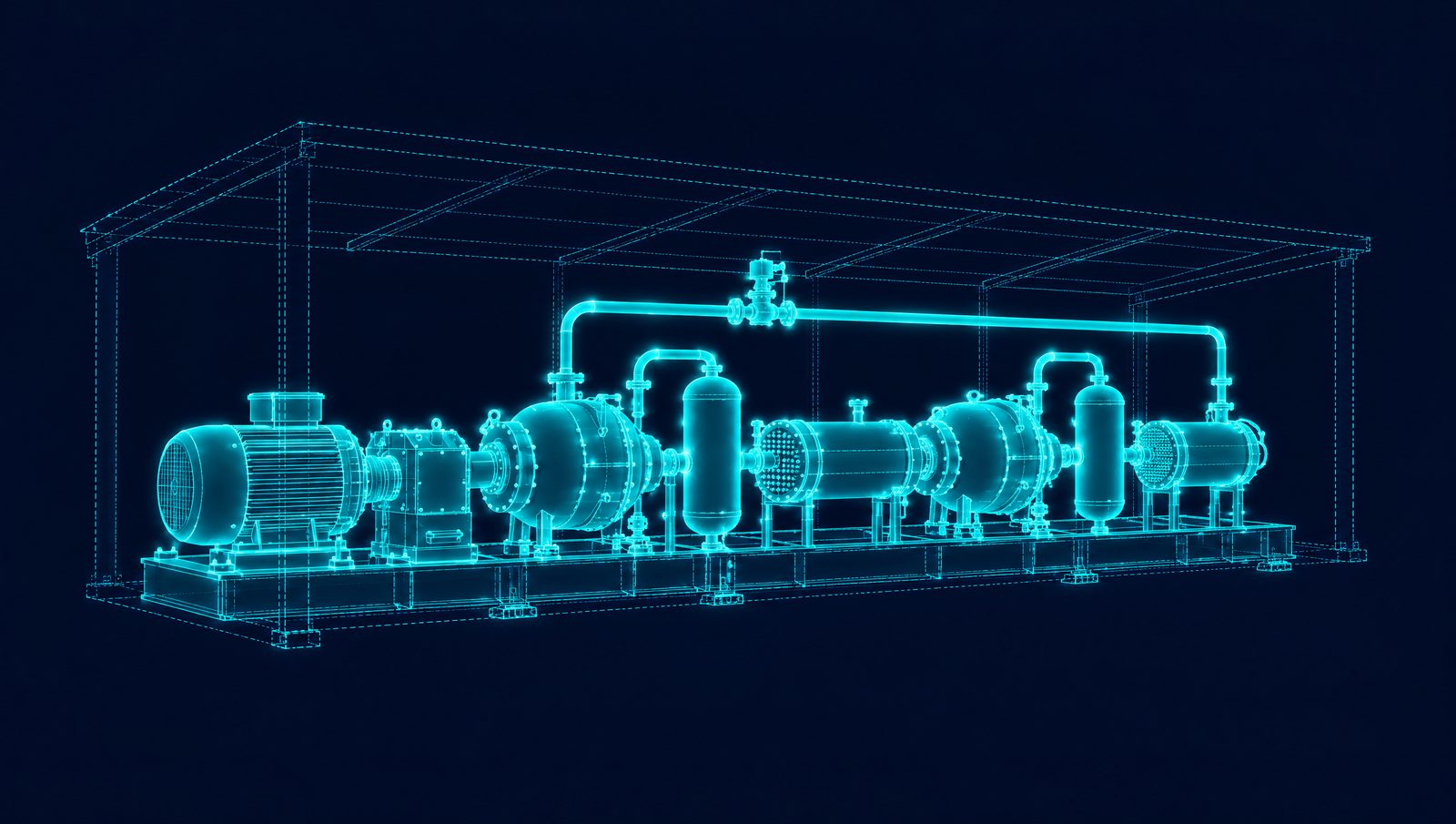
How to recover centrifugal compressor efficiency in process plants
Why centrifugal compressors lose efficiency to recycle, off-design loading and static control, and how a model learned from plant data recovers power.

How to plan and secure an AI budget for process plants
What goes into an AI budget for a process plant, why phased funding wins approval, and how to frame the return in terms finance and the board trust.
How to improve production efficiency in process plants
The production efficiency formula, the KPIs that show where efficiency is lost, why APC and lean programs plateau, and what closed-loop optimization adds.
How to build human-AI collaboration in process plants
Five practical ways to build human-AI collaboration in process plants: role design, AI literacy, clear interfaces, operator feedback and focused use cases.

How to align industrial AI with business goals
A practical order for tying a plant AI project to one business goal, from plant KPIs and data readiness to the move from advisory mode to closed loop.
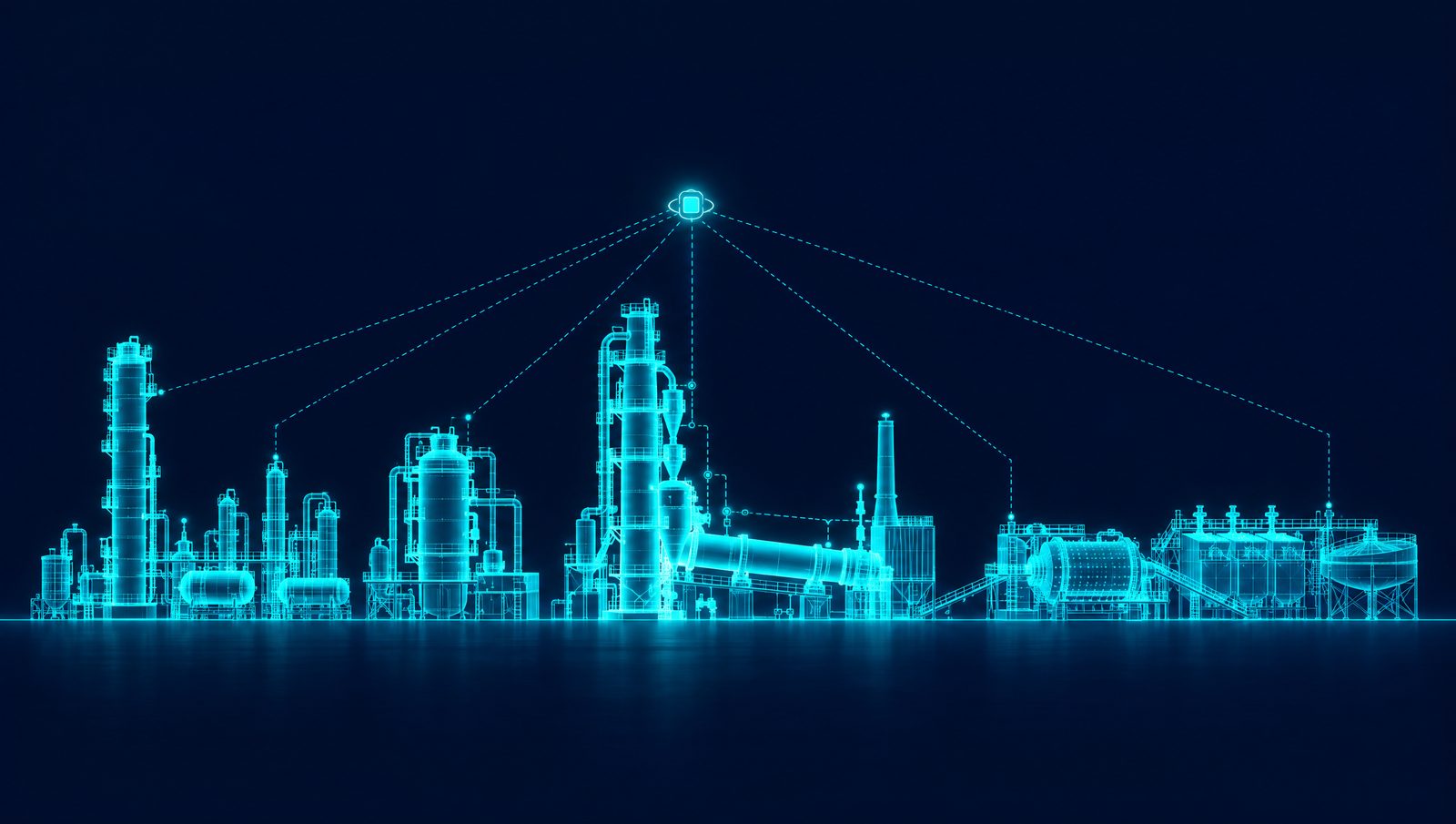
How closed-loop AI works in process manufacturing
What closed-loop AI is, how its data, model and setpoint loop works, and how a plant takes one unit from offline model to closed loop.
How AI supports knowledge management in the process industries
How AI captures plant data and veteran expertise, makes it searchable across shifts, and supports continuous operator training in process plants.
How AI speeds up decision-making across the plant
How real-time data, predictive models, ranked alerts and closed-loop setpoints shorten the time between a process change and the right corrective move.
How AI protects margins in continuous flow manufacturing
Where continuous process plants lose margin to feed variability, energy, waste, downtime and transitions, and how learned models and closed-loop control help.
How AI implementation works in process industries
Where generic AI playbooks break down in process plants, what drives cost beyond licensing, and how advisory mode builds the trust closed loop needs.
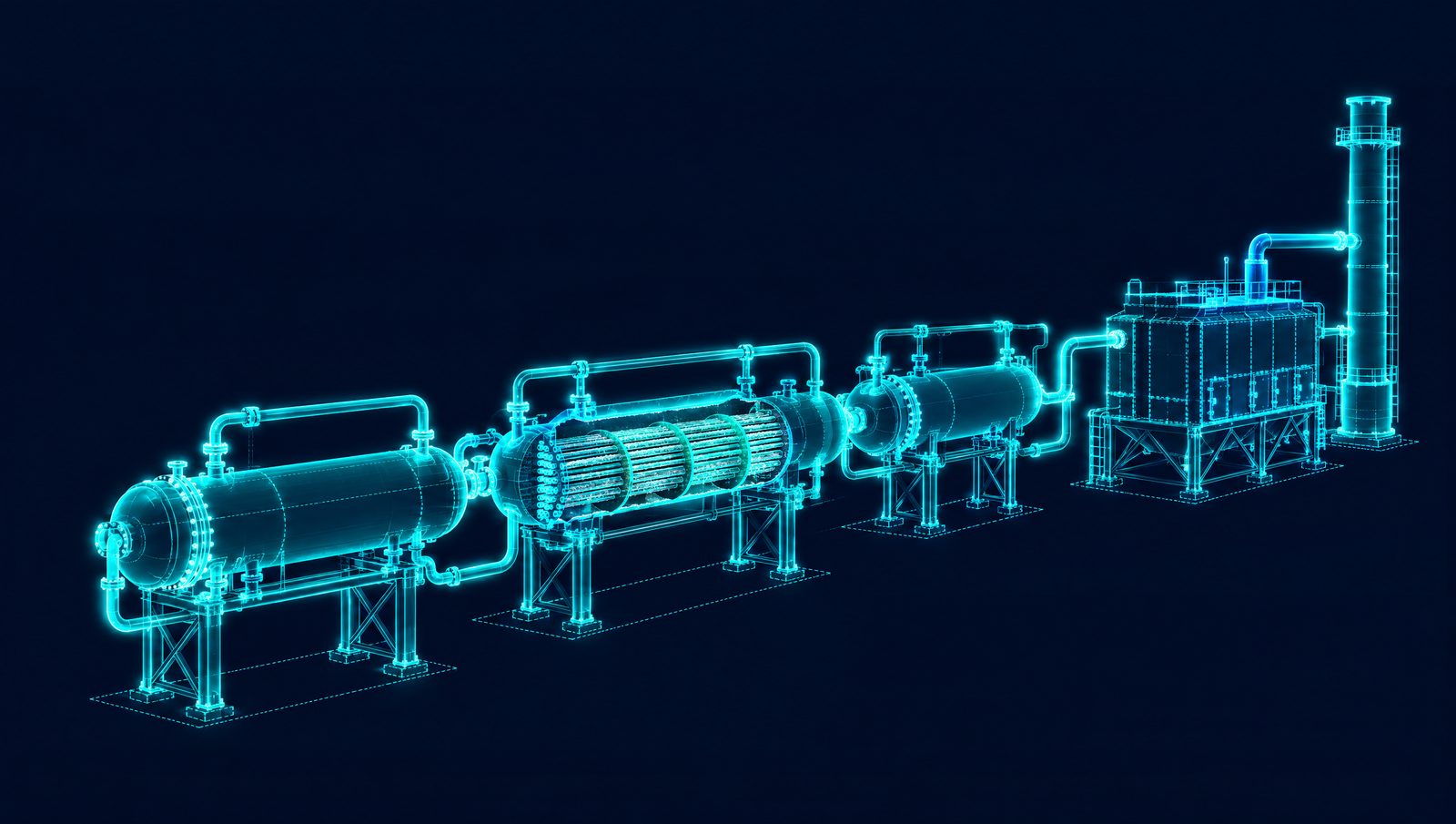
Heat exchanger fouling: monitoring, mechanisms and mitigation
Why fouling costs more than maintenance budgets show, how mechanisms compound across exchanger networks, and how condition monitoring improves cleaning.

Four steps to AI-driven knowledge transfer in the process industries
A four-step plan to keep retiring operators' expertise in the plant: assess the gaps, choose the tools, build the training, then measure and improve.
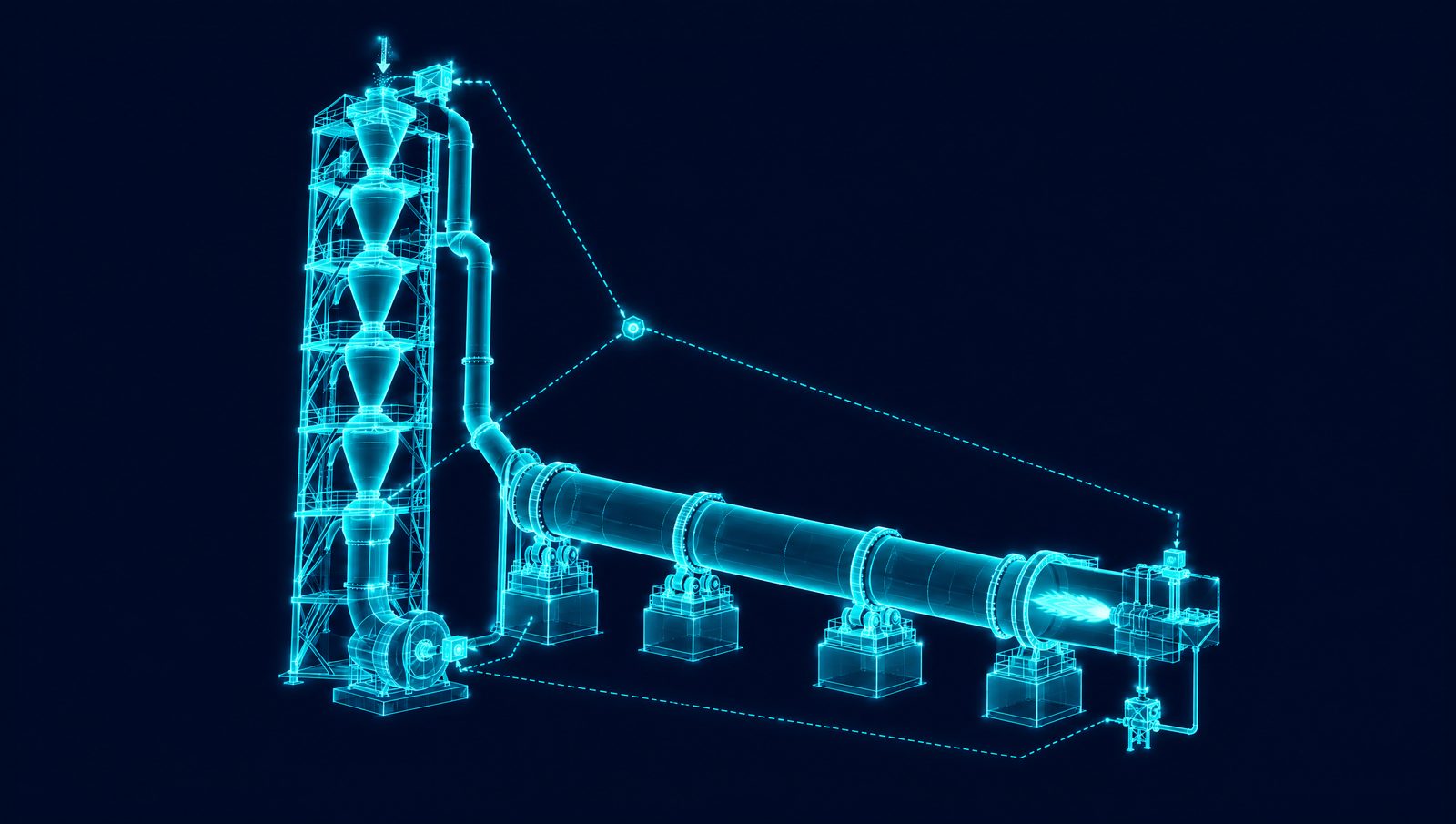
Five ways industrial AI learns from expert operators
As experienced operators retire, industrial AI can retain what they know by learning from plant history, adapting in real time and predicting upsets.
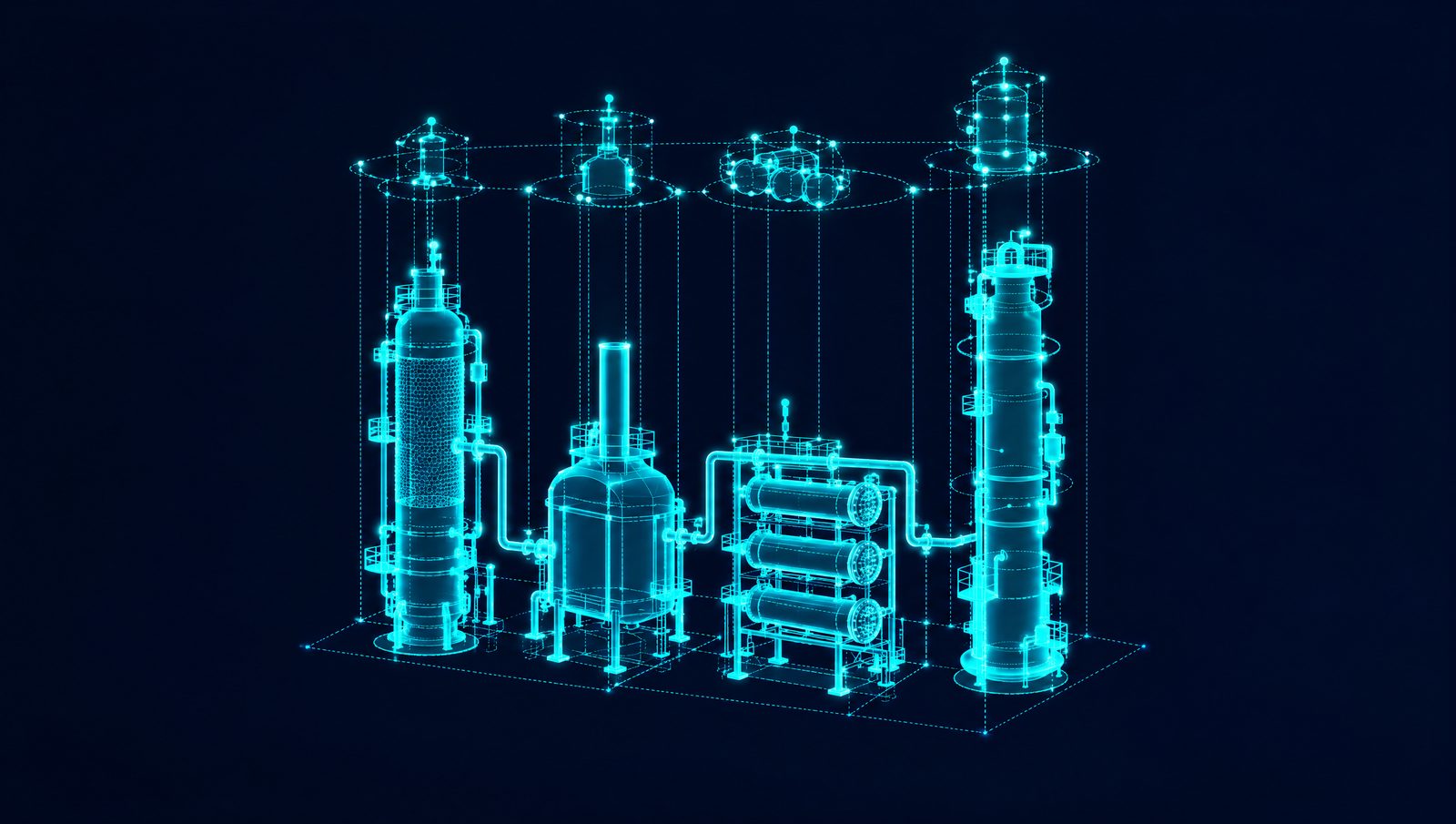
Five ways AI is attracting young talent to the process industries
How AI changes plant work for early-career engineers, from modern control rooms and new technical roles to simulator training, safer work and faster feedback.
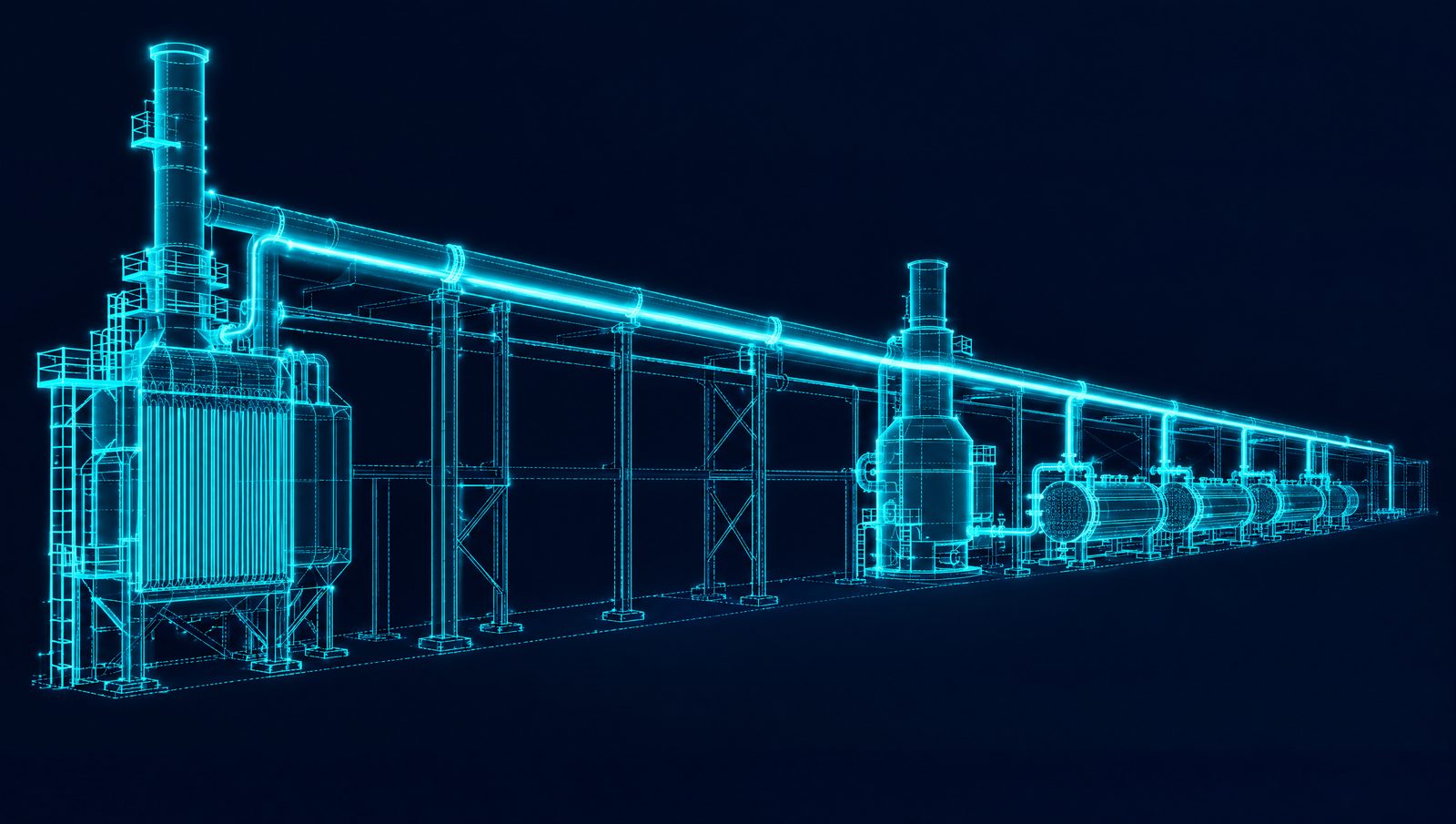
Five ways AI cuts energy waste in industrial plants
Five AI applications for plant energy efficiency: spotting waste, optimizing setpoints, predicting demand, balancing loads and supporting operators.
Five hidden barriers to AI adoption in the process industries
Waiting for perfect data, resistance framed as technical doubt, misaligned metrics, poor pilot scope and underestimated adoption time stall industrial AI.
Five cybersecurity risks in industrial control systems
Five cybersecurity risks in industrial control systems, from legacy protocols to cyber-physical attacks, and practical steps that protect safety and uptime.

Five challenges of AI adoption in manufacturing, and how to address them
Fragmented data, skills gaps, unclear ROI, legacy control systems and weak change management stall industrial AI, and each one has practical remedies.
Five AI applications in use at process plants
Five AI applications already running in process plants: real-time optimization, predictive maintenance, energy, process safety and planning.
Five AI advances changing plant automation
How learned process control, OT and IT integration, edge computing, fault detection and unified views are changing plant automation, and what each one needs.
Energy management in the process industries
Why energy is hard to optimize in process plants, and how real-time visibility, learned process models and closed-loop control bring consumption down.

Driving the energy transition in the process industries with AI
A four-phase plan for cutting energy use and CO₂ in process plants with closed-loop optimization, and how to measure the carbon and margin results.
Data governance for AI in the process industries
Eight data governance practices that turn plant historian, lab and tag data into a reliable foundation for closed-loop AI in process plants.
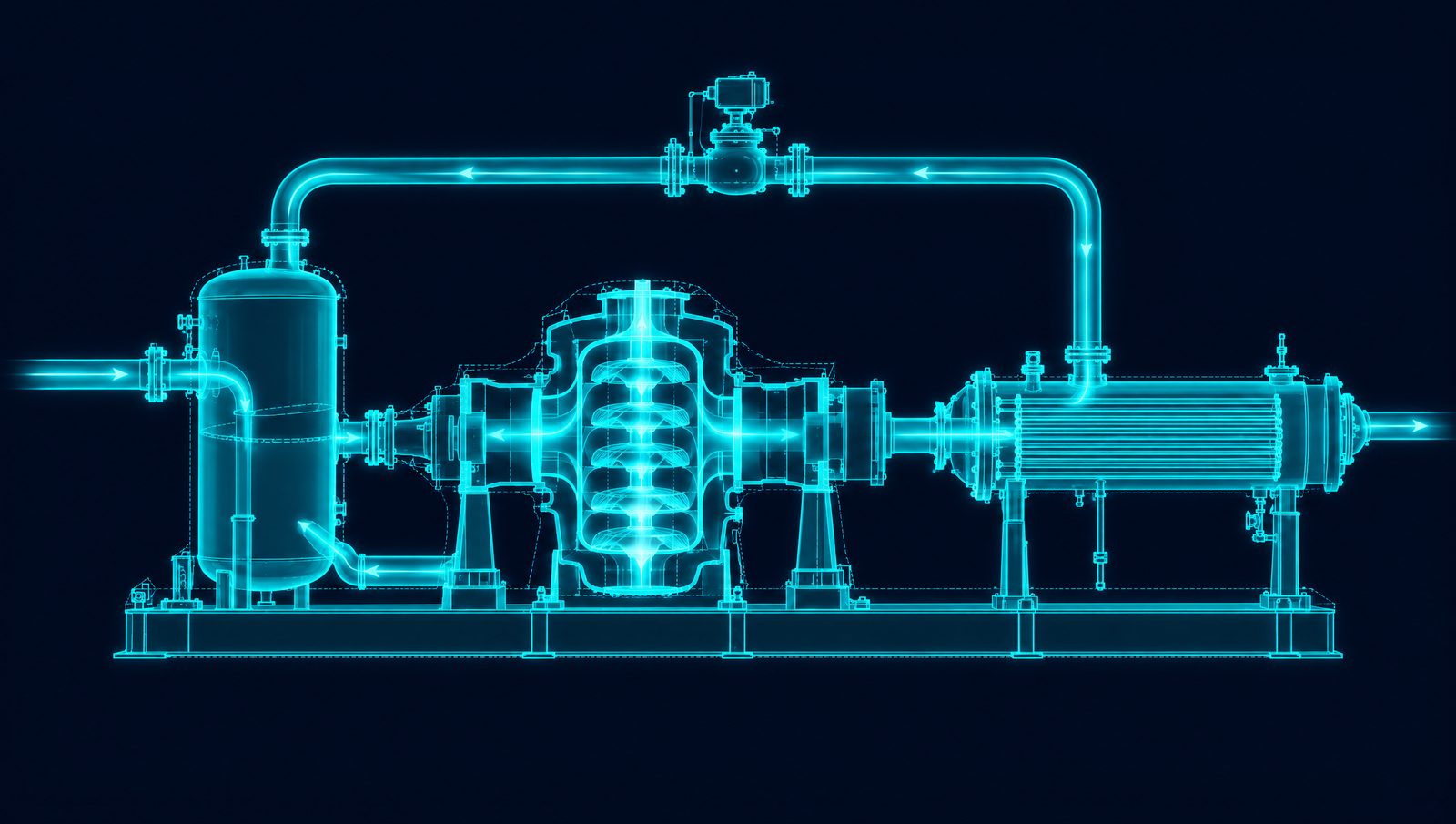
Compressor surge causes, detection and control in process plants
Why compressor surge happens, which signals catch it early, and how adaptive control above anti-surge protection cuts wasted recycle and driver power.
Closed-loop AI for manufacturing process control
How a closed-loop learned controller works above APC and DCS, from data readiness and offline training to advisory pilots, closed loop and common pitfalls.
Bridging the manufacturing skills gap with AI in the process industries
How process plants can keep operating know-how as experienced staff retire, using unit simulators, learned process models and early operator involvement.
Adding AI to existing process control: a five-step roadmap
A five-step roadmap for adding AI-driven optimization to the DCS, APC and historian a process plant already runs, from value audit to closed loop.
AI skills that build the future-proof plant operator
Seven skills plant operators need as AI moves into the control room, from data fluency and systems thinking to working with a closed-loop controller.
AI risk mitigation tactics for process industry pilots
Seven tactics that keep process industry AI pilots from stalling, from clear KPIs and context-rich data to operator engagement, validation and governance.
AI and manufacturing data analytics: from reactive to proactive operations
How process manufacturers use data analytics and AI to move from reactive reporting to proactive optimization, and the data foundations it needs.

AI and carbon emissions, the full picture for industrial operations
AI data centers add emissions, but AI applied to fired heaters, boilers, kilns and conversion units in process plants can cut far more than it adds.
A four-stage roadmap to a self-optimizing plant
How a process plant moves from a sound data foundation through predictive models and a closed-loop pilot to closed-loop optimization across the site.
A five-step framework for manufacturing workforce development
A five-step framework for closing the manufacturing skills gap: diagnose needs, design a skills framework, build pipelines, upskill teams and measure.
8 tasks ready for workforce automation in process industries
Eight process plant tasks where automation and closed-loop AI ease the skills gap, from capturing retiring experts' know-how to predictive maintenance.
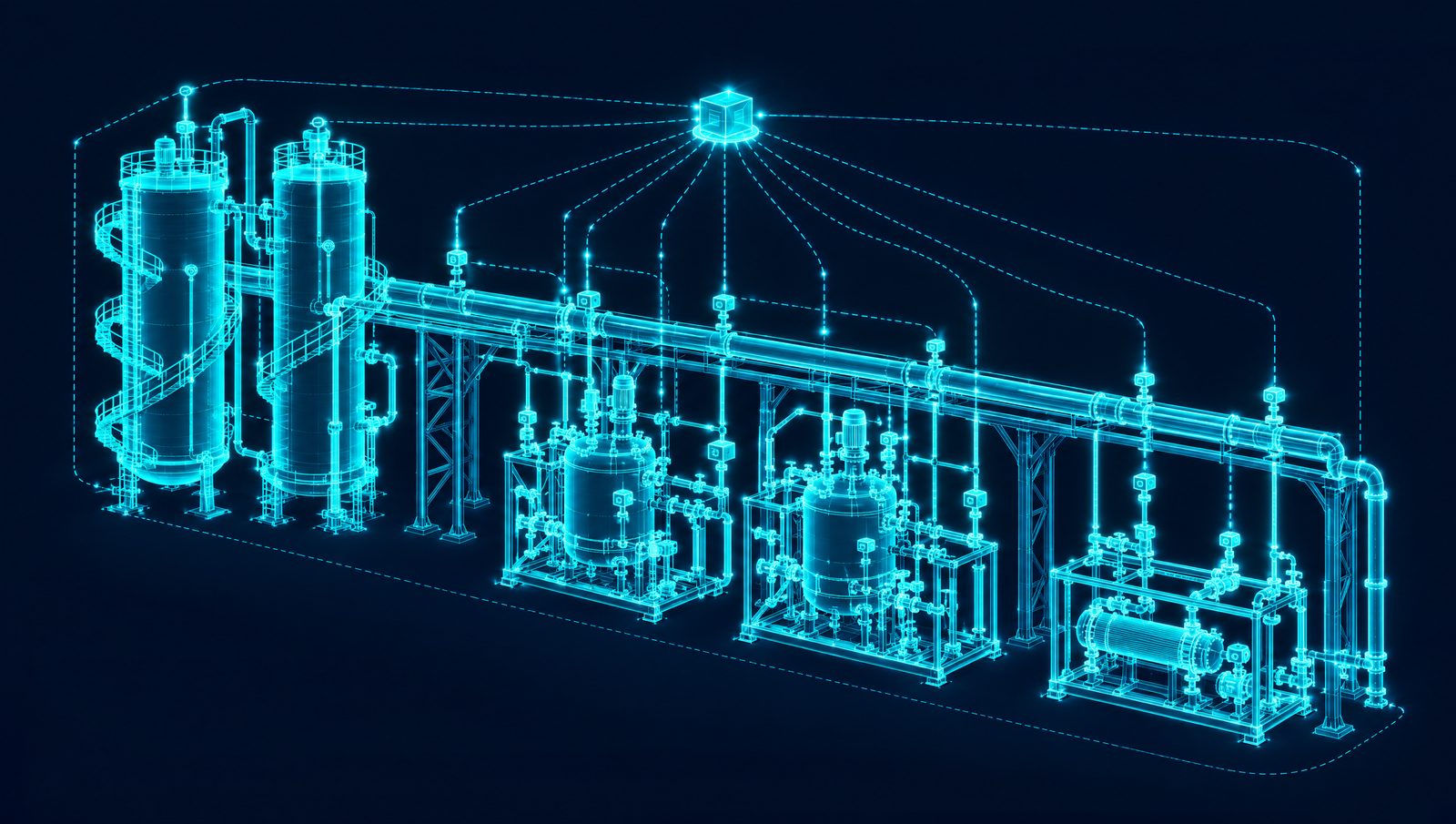
3 ways AI is driving ROI in smart manufacturing
Three ways AI adds return in process plants: faster decisions, a changed role for operators, and closed-loop control on top of APC and the DCS.
Find out what your gap to plan is costing you.
One to two hours for your team to prepare and upload the data package
Results within a few working days of approval
No workshops
Send your data as it is. Gaps, outages and noisy tags are normal, and our engineers screen and clean them in the platform. If anything limits a use case, we tell you.