Every process plant depends on skilled operators to keep units running safely and efficiently, and the way plants build that skill is changing. According to McKinsey (2025), the share of U.S. manufacturing workers over 55 more than doubled in twenty years, and retirement rates have surged. Experienced operators are leaving faster than most plants can manage knowledge transfer, and decades of unit-specific judgment leave with them.
Traditional training methods do not solve that on their own. Plants need training that builds foundational competence, transfers operating knowledge efficiently, and prepares operators for the data-rich control rooms that modern optimization tools create.
What makes process-industry operator training different
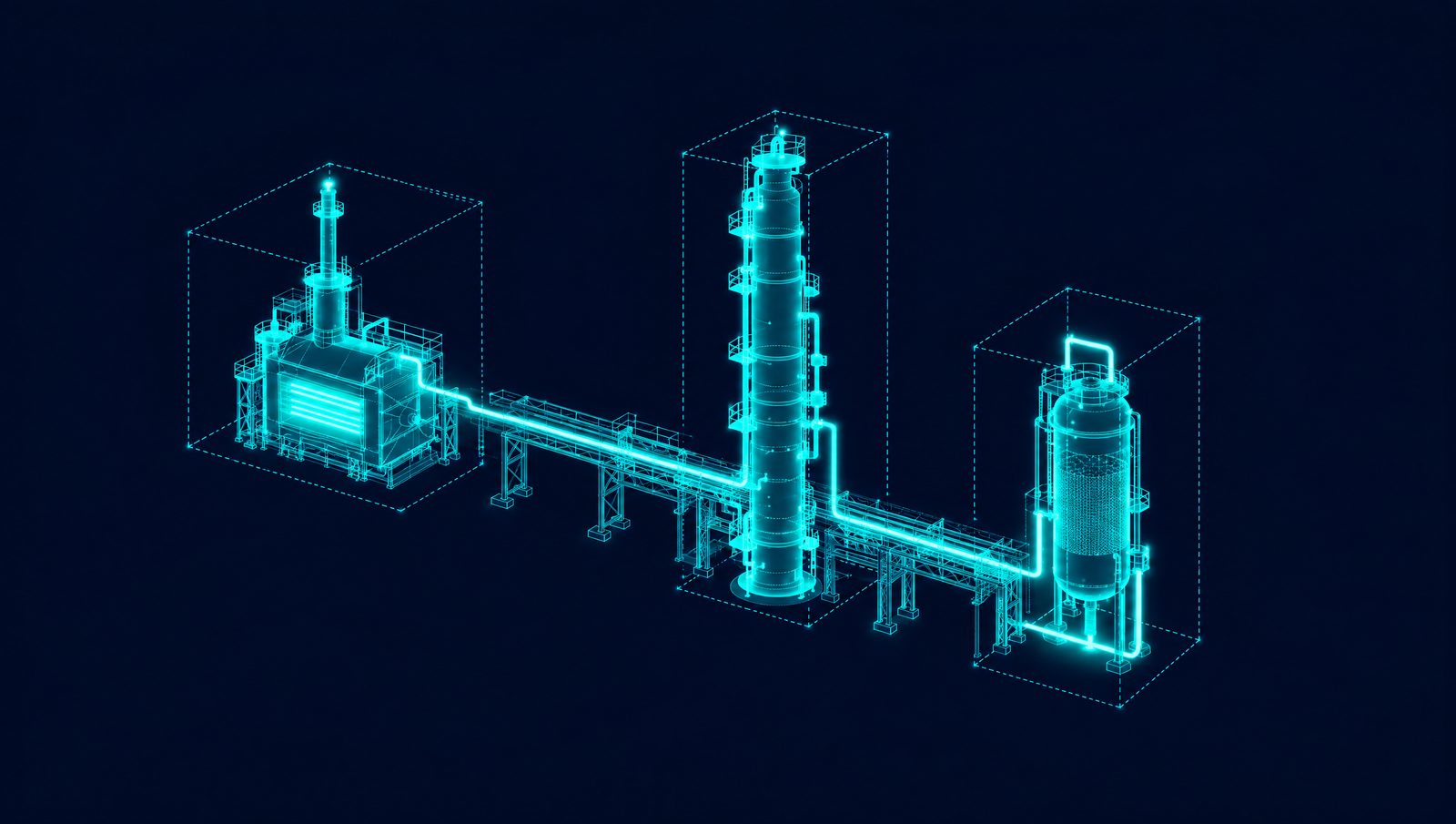
Operator training in the process industries looks little like training in discrete manufacturing or construction. Operators manage continuous or batch processes through a distributed control system (DCS) and watch hundreds of variables at once. A temperature change in one part of a unit can cascade through heat exchangers, separation columns and downstream equipment within minutes.
That interconnection shapes what operators need to learn:
- Process fundamentals. Thermodynamics, heat transfer and reaction behavior are the basis for reading a trend line and deciding whether to adjust a setpoint or call the engineer.
- Safety and compliance. Lockout/tagout, emergency shutdown procedures and hazard communication are required whatever the technology environment.
- Equipment fluency. Knowing how pumps, valves, compressors and sensors actually behave lets operators diagnose problems instead of responding to alarms.
The hardest part is learning how these domains interact on a specific unit, under real operating conditions, with the constraints and quirks that textbooks leave out. That unit-specific knowledge takes years to build, and it is the knowledge plants lose when experienced operators retire.
Why traditional training falls short
Most operator training still relies on classroom instruction, standard operating procedure (SOP) reviews and supervised field rotations. Under that approach, reaching full proficiency on a complex process unit can take several years, and the gap grows each time an experienced operator retires.
Veteran operators hold years of knowledge that formal documentation never captures. Knowledge management programs and cross-training preserve some of it, but three gaps persist.
- Knowledge lives in people. A 30-year operator who can hear when a compressor is running off balance carries judgment that no SOP captures. Traditional training transfers procedures and struggles to transfer the reasoning behind them.
- Unit-specific context is missing. Generic training materials teach principles but rarely reflect the constraints and behavior of a specific unit. A new operator trained on general plant optimization theory still needs months of hands-on experience to learn how the unit responds under real conditions. On every shift in that period, there is a gap between what the operator knows and what the unit demands.
- Shift-to-shift variability persists. Different crews often run the same unit differently, based on experience and preference. Without a common reference for good operation, production efficiency depends on who is at the board. Tracked by shift rather than in monthly aggregates, the spread is plain to see: one crew runs close to the constraint limits while another holds wider margins.
That spread is recoverable capacity. Most plants know it exists and find it hard to close through conventional training alone.
Simulators built from plant data
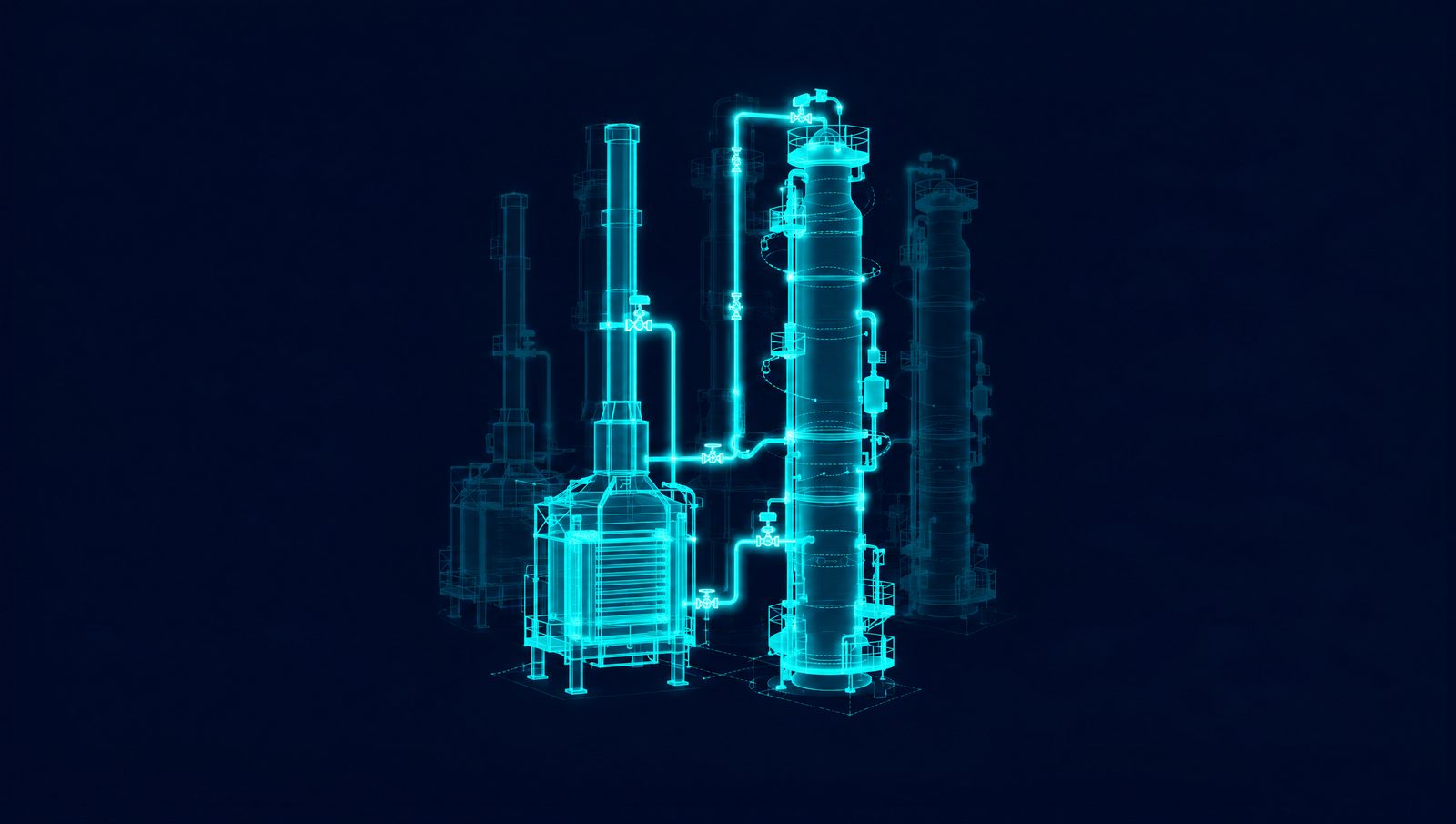
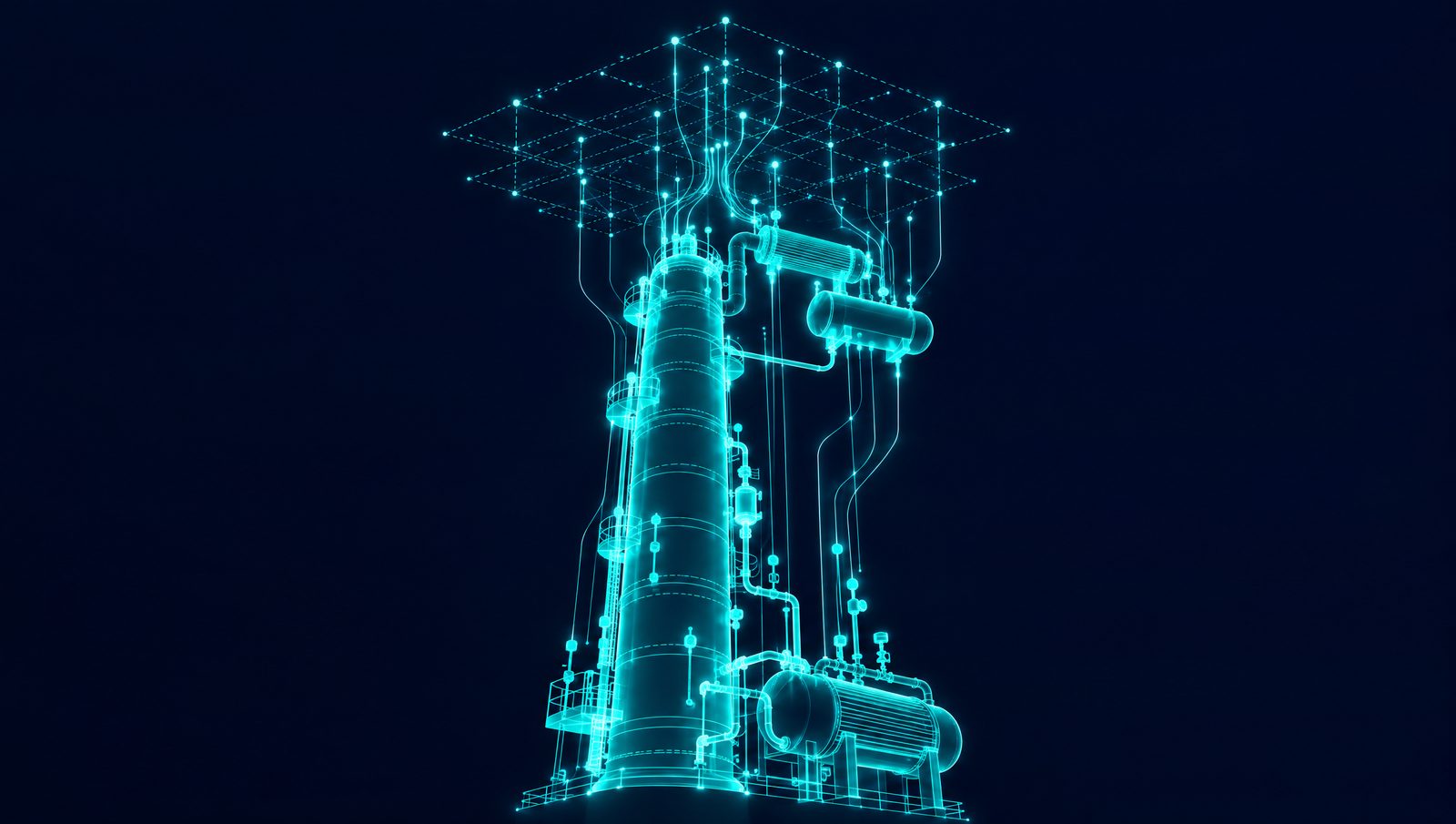
More plants are building simulation environments from their own operating data. Instead of generic textbook exercises, these simulators reproduce the behavior of a specific unit, learned from years of its operating history.
That is the difference from a conventional training simulator. A generic simulator teaches how a process works in principle. A simulator built from plant data teaches how this unit behaves: the feed quality variations it sees, the equipment constraints that limit throughput on certain days, and the energy trade-offs that shift with seasonal demand. Trainees practice the scenarios their unit actually faces and build intuition before they take responsibility for live production, which shortens the path from classroom learning to independent operation and supports wider workforce development.
Simulation adds to existing certification and qualification programs. Safety certifications, regulatory compliance and equipment-specific qualifications remain the foundation, and a plant-specific simulator adds the unit-level practice that generic programs cannot give.
Keeping what experienced operators know
A simulator that reflects real unit behavior also captures operating knowledge that would otherwise live in people's heads. The operating strategies experienced operators developed over decades are part of the history the model learns from. New hires learn from the unit's whole operating record as well as from whoever mentors them on a given shift, and the plant depends less on individual mentors.
Practice for every experience level
Experienced operators use the same simulators to explore trade-offs and test strategies with no risk to the plant. In advisory mode, AI tools recommend operating moves, and operators weigh each one against their own experience before any change reaches the control system. That kind of human and AI collaboration makes simulation a tool for continuous skill development across the crew, from the newest trainee to the most experienced board operator.
What an effective training program looks like
The strongest operator training programs share a few characteristics that set them apart from compliance exercises.
Build on existing expertise
- Assess skills first. Strong programs start by finding where operators lack proficiency, both in technical fundamentals and in reading data-rich displays. An operator may excel at field troubleshooting and struggle to interpret multivariable trends on a plantwide control interface. The assessment works best when it is specific to the unit.
- Let experienced operators shape the content. Operators near retirement are the most valuable training resource a plant has. Involving them as mentors and as contributors to simulator development keeps their knowledge in a structured, reusable form. When senior operators see their own decision logic reflected in the training model, the program earns credibility with the crew, and other operators are more willing to use a tool that reflects how the unit actually runs.
Connect training to outcomes
- Tie training to operational efficiency metrics. Programs that track their effect on specific indicators, such as shift-to-shift variability, operator-error incidents and time to competence, build support and justify continued investment. Without that link, training budgets are among the first line items cut when margins tighten.
- Align functions around one model of the plant. Training that brings operators, process engineers and maintenance staff together around a shared model of plant behavior breaks down the silos that lead to misaligned decisions. An operator who understands why the planning team set a target, and a planner who understands the constraints behind a missed target, solve problems faster than either function alone.
- Build data literacy gradually. As plants adopt more AI tools, operators need to interpret model recommendations, read trend data, and judge when a recommendation fits the unit and when to rely on their own judgment. Strong programs add these skills step by step, on top of operators' process knowledge, and tie data interpretation to the operations the operator already understands. Operators who combine deep process fundamentals with data interpretation are how a plant closes the manufacturing skills gap, and the same combination is what future-proofs an operator.
How Imubit applies this
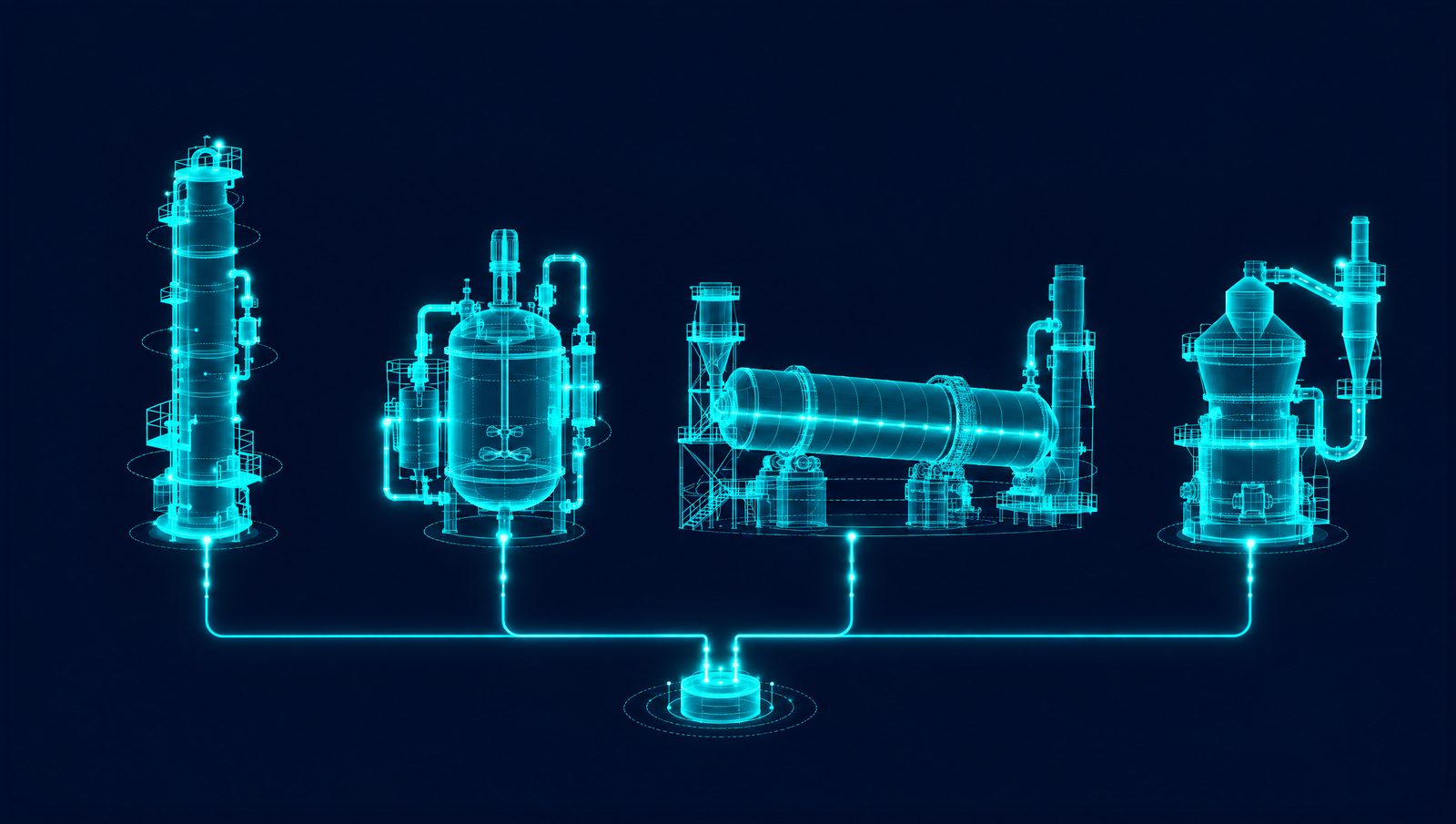
Competency is one of the five areas where the gap between the plan and the plant shows up, alongside safety, reliability, margin and compliance. The Imubit Platform applies Map, Model and Control across refining, chemicals and polymers, cement, and mining and minerals. Map traces each gap to the recurring decisions behind it. Model learns each unit's behavior from its own history with Deep Learning Process Control® (DLPC®), and operators and engineers use the DLPC® Sim App for hands-on training and what-if analysis, so they can see the result of a change before they make it. Control takes the critical decisions to closed loop on top of the existing APC and DCS, inside limits set by plant engineers. Plants can start with recommendations that operators evaluate and move to closed loop as confidence builds. See how the platform works.