Energy is one of a plant's largest operating costs, and part of it never turns into useful work. According to the U.S. Department of Energy, leaks in a compressed air system often waste as much as 20 to 30% of the compressor's output. Waste heat leaving furnaces and kilns carries away a large part of the fuel burned. Aging pumps, oversized motors and manual scheduling add to the bill, and energy can be a significant share of operating cost in refining, chemicals, cement, metals and food processing, depending on the facility.
Rising utility prices, tighter emissions rules and corporate carbon commitments make that loss harder to accept every quarter. Industrial AI can capture efficiency improvements without new equipment. The five applications below build on infrastructure plants already have, and they lay the groundwork for deeper, plant-wide optimization.
1. Spot energy waste as it happens
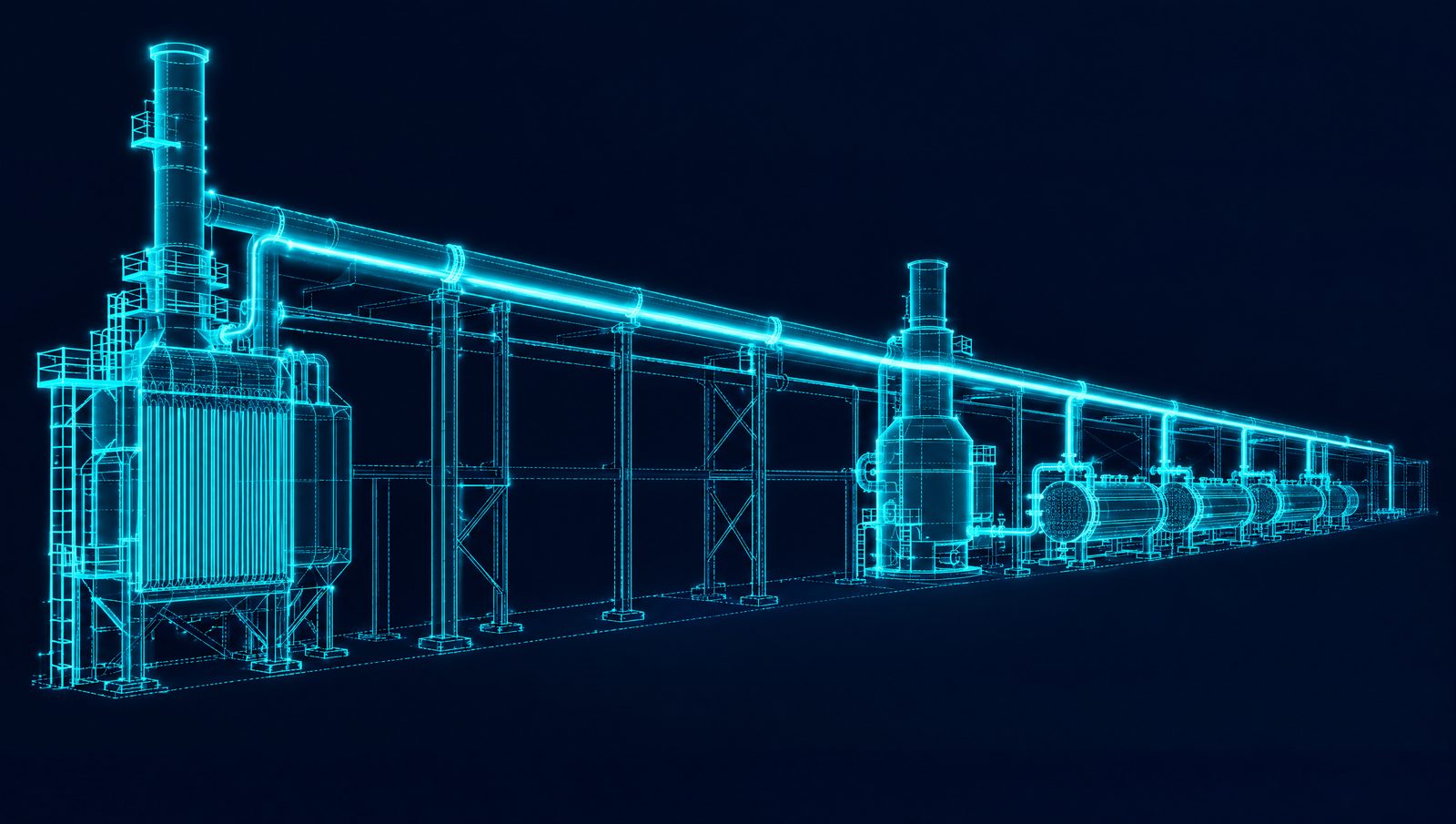
Energy losses often hide during routine rounds. Steam traps that bleed heat, poorly insulated pipes and compressed air leaks raise utility costs every hour they go unchecked. A lightly fouled heat exchanger, or a kiln running slightly rich, can burn more fuel than operations realize.
Pattern-recognition models running on existing historian and distributed control system (DCS) data learn normal behavior across interconnected systems. They flag subtle deviations before they grow into waste, pointing to heat exchanger fouling, poor furnace combustion or small but costly compressed air leaks.
Because the models run on infrastructure already in place, they need little capital, and the improvement can be measured against a baseline in kWh per tonne or MMBtu per barrel. The findings give the team a data-driven list of where to go next.
2. Optimize setpoints continuously
Conventional advanced process control (APC) keeps a plant on target until something changes. Its linear models and manual retuning mean a heater, mill or reactor can drift for hours before an engineer notices. Those models need continual expert attention and still struggle with feed changes and equipment aging.
Setpoint optimization built on reinforcement learning takes a different path. It learns a dynamic model of unit interactions from the plant's historian data and writes updated setpoints to the existing APC or DCS minute by minute. Because the model is learned from the plant's own history, it reduces dependence on the step testing and re-identification a linear model needs when the unit changes. It runs on top of existing controls with little capital outlay.
The black-box concern is fair. A well-built system shows which variables drove each move, logs every action and respects the hard safety limits the plant defines. Operators stay in command while the model handles the small, continuous adjustments that remove waste hour after hour.
3. Predict high energy demand before it happens
Unexpected demand spikes drive up costs and strain equipment. Models trained on historian and live sensor data use multivariate time-series methods to flag a surge before it arrives.
That warning lets the team stagger power-hungry steps, pre-heat during off-peak hours or adjust utility headers before meters spike. Flattening a peak reduces demand charges and can lower Scope 2 emissions by running loads when the grid is cleaner. Batch operations, from chemical reactors to food ovens, see fewer trips and steadier quality.
Start small. Monitor one header, confirm avoided penalties against a baseline, then extend the model to the rest of the site.
4. Balance loads across systems
When each furnace, chiller or turbine chases its own efficiency target, the plant often ends up fighting itself. Steam headers swing, compressors short-cycle and peak-demand charges creep in. Local consumption falls, but the larger opportunity in the handoffs between systems is missed.
A plant-wide model treats the site as one system. It reads data from utility and production assets and calculates the combination of setpoints that minimizes total energy per barrel or per tonne. It weighs fuel prices, weather, throughput goals and equipment constraints, then writes targets to the DCS.
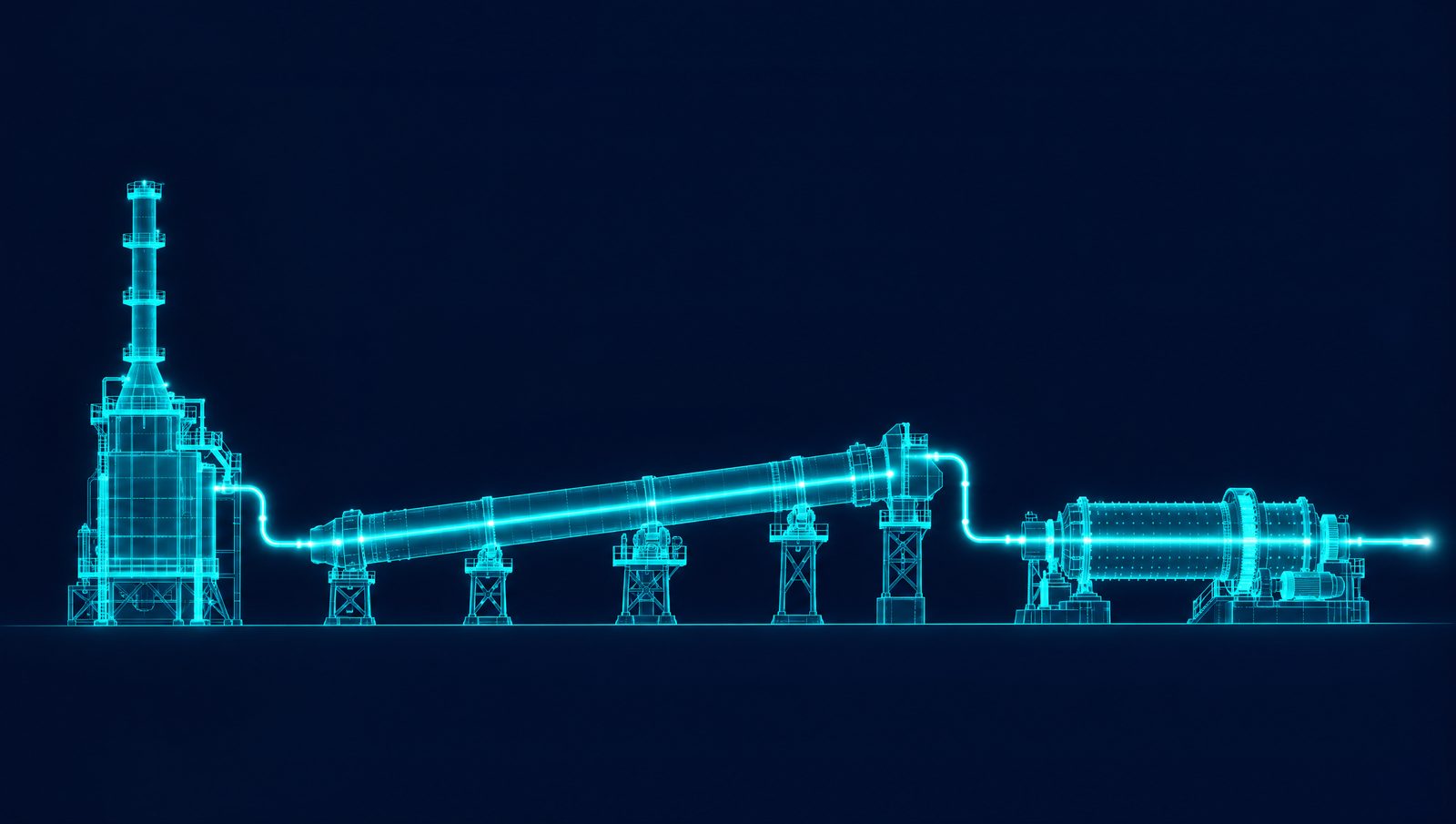
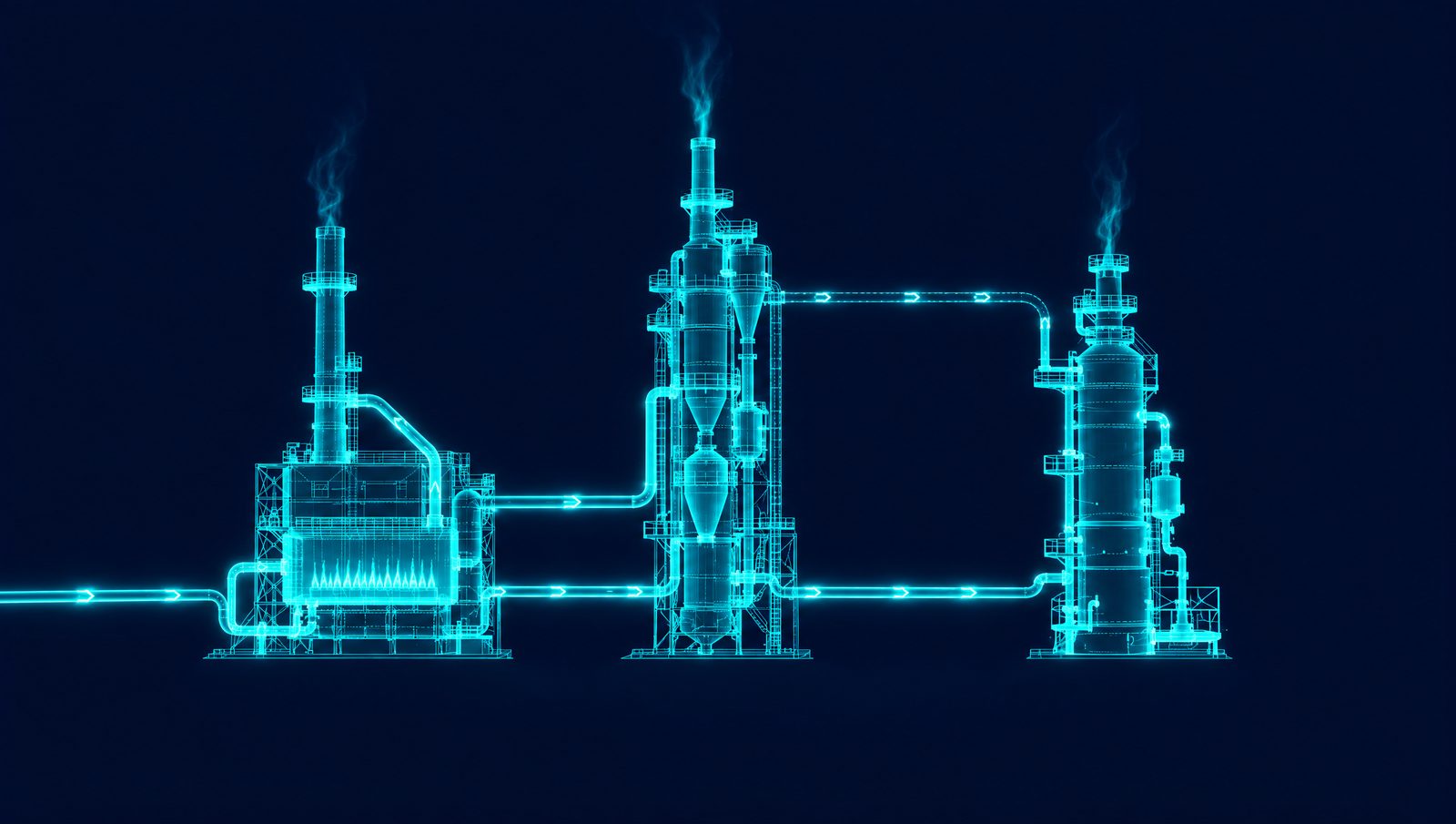
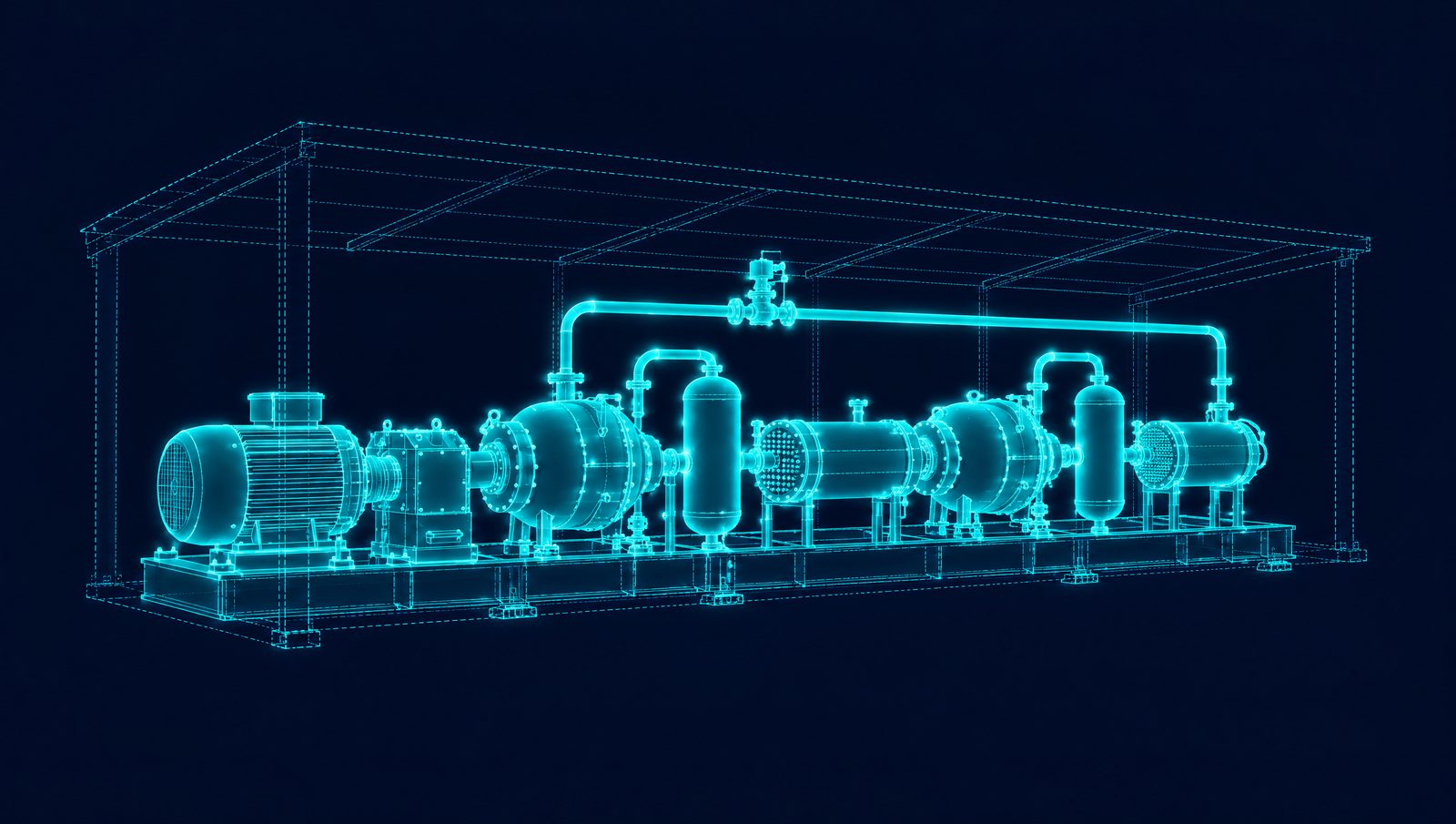
The effect shows up across industries. Refinery steam networks stay in balance instead of venting excess. A cement kiln and mill share a power cap without throttling output. Chemical reactor and distillation sequences coordinate heat integration instead of over-firing reboilers. Compressor performance matters here too; see recovering centrifugal compressor efficiency.
Most sites start with one high-impact subsystem and extend the same model to boilers, compressors and renewable assets as confidence grows, until the utilities and the production units are optimized together.
5. Support operators with clear recommendations
The tools that help most give operators actionable recommendations and leave the decision with them. Alerts arrive with a specific recommended action, so the response is faster. Simulation lets an operator test a scenario and see the result of a change before making it.
A shared model also gives operations, engineering and planning the same view of how the plant behaves, which improves consistency across shifts and functions. Explanations and audit trails show how each recommendation was reached.
To measure success, track alarm response time, energy consumed per unit of output and the rate at which operators accept the model's recommendations. Together these show both the immediate effect and whether the tool is earning trust.
From one unit to plant-wide control
These applications fit a simple sequence: assess and prioritize, prove the value on one unit against a baseline, implement and optimize, then scale and sustain. Each step builds the data foundation and operator confidence that plant-wide, closed-loop control depends on. For a broader view, see energy management in the process industries.
In refining, chemicals and polymers, cement, and mining and minerals, Imubit applies Map, Model and Control to energy. Map traces excess fuel, steam and power use to the recurring decisions behind it. Model learns each unit's nonlinear behavior from its own history with Deep Learning Process Control® (DLPC®), guided by first principles. Control takes those decisions to closed loop on top of the existing APC and DCS, inside limits set by plant engineers. Where energy is the optimization target, deployments have delivered a 15 to 30% reduction in energy consumption. Read more about the Imubit Platform.