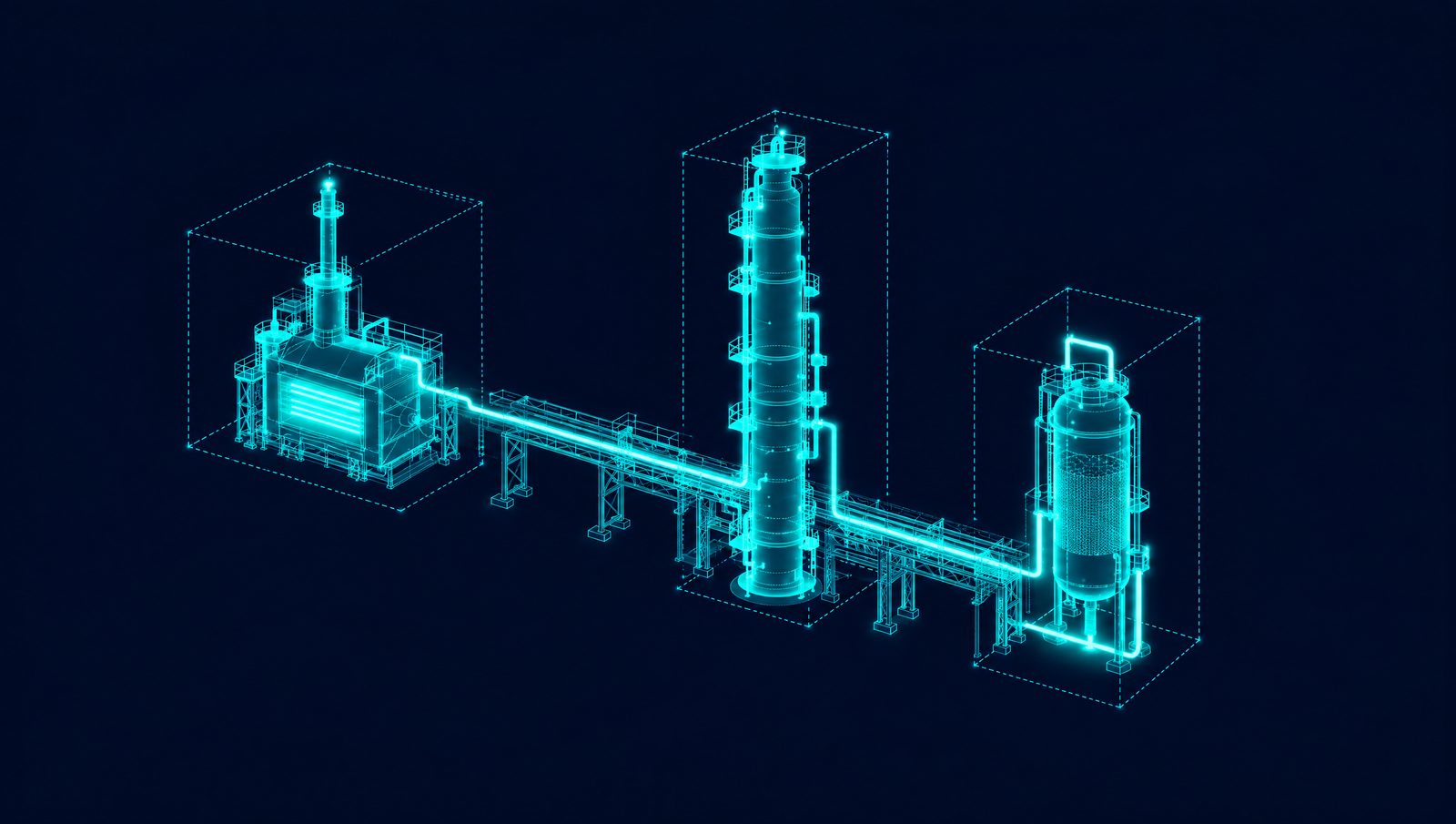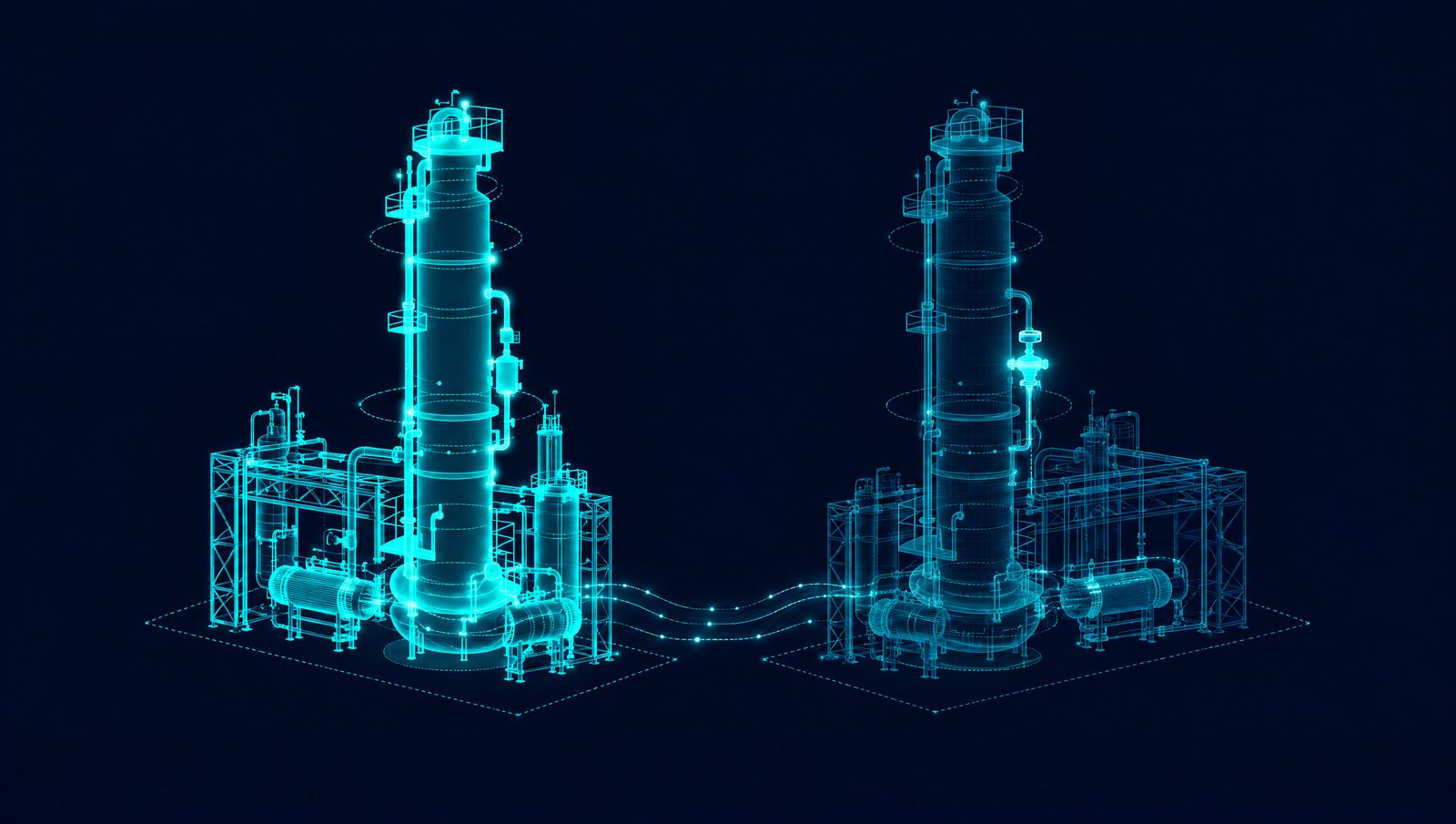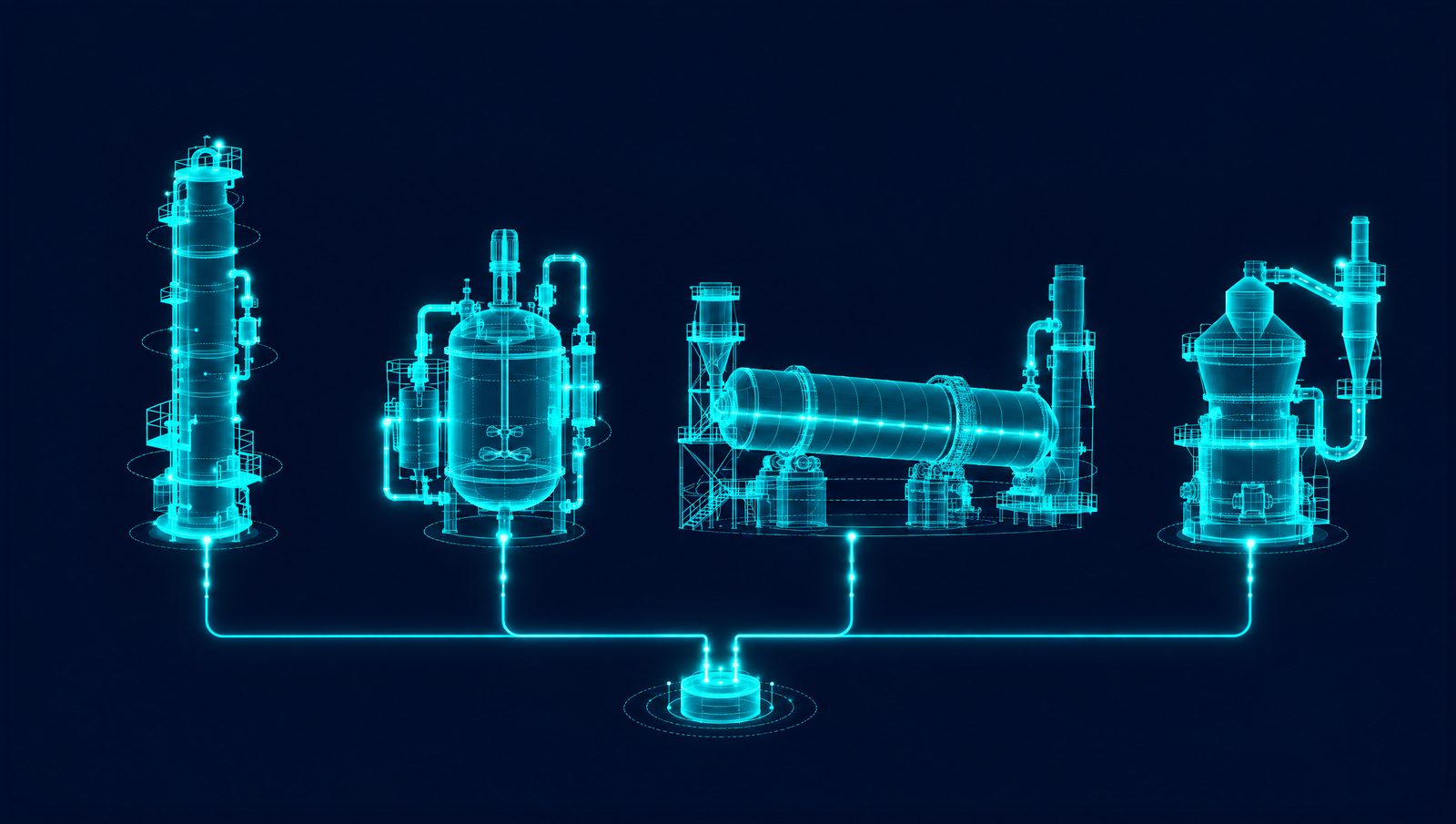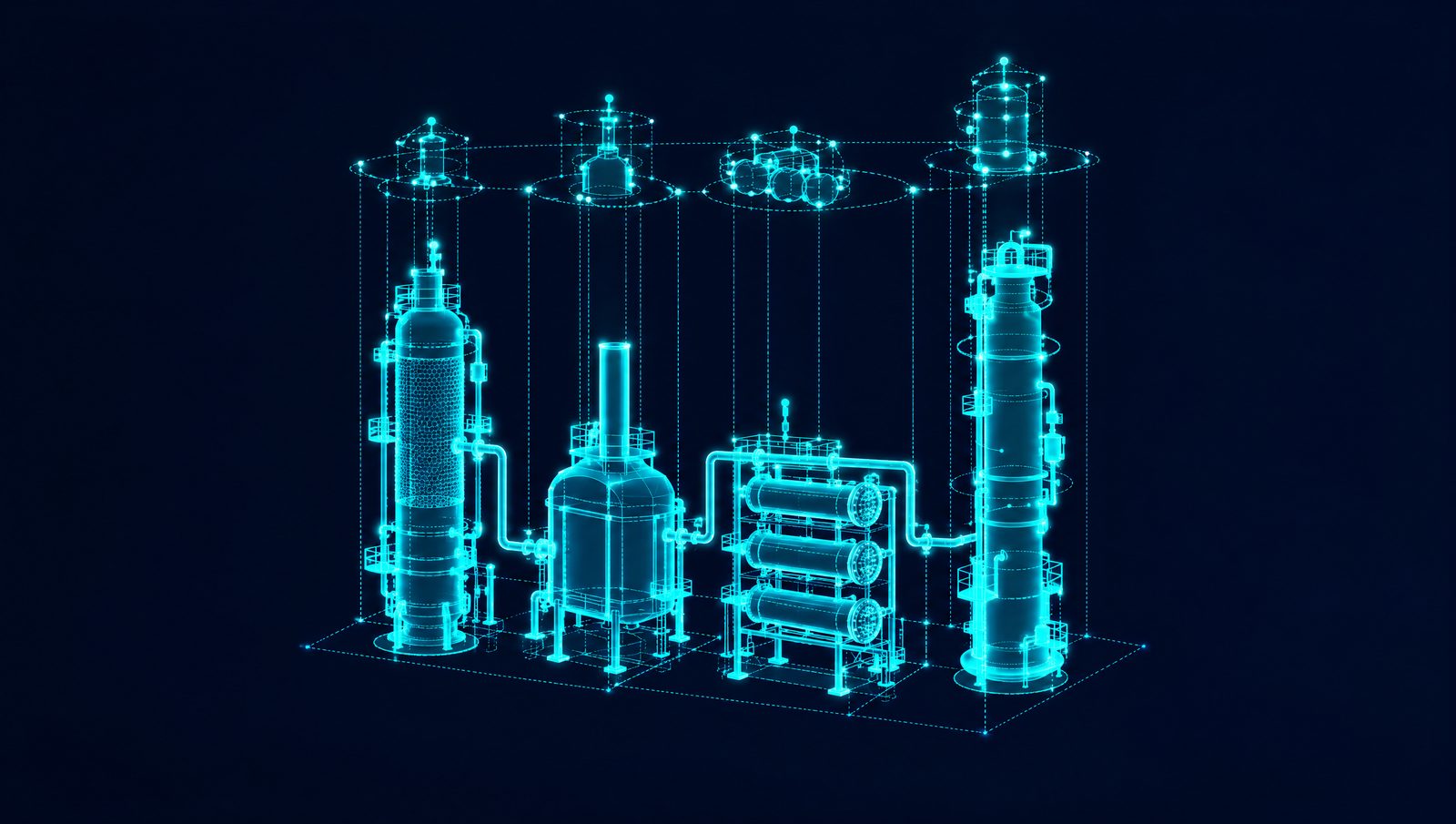
Process plants need skilled people just as many experienced ones are leaving. According to McKinsey (2025), the share of US manufacturing workers over 55 more than doubled in twenty years, and retirement rates have surged. Filling that gap is harder because many younger engineers still see the sector as outdated and look elsewhere for technical, purpose-driven careers.
AI is changing what front-line work looks like. Learned models in the control room, process simulators built from plant data, and tools that let engineers build models without writing code turn plant operations into a data-rich technical environment. Five changes matter most for recruiting and keeping early-career talent.
1. A more accurate picture of the work
Young professionals still picture smoky plants and repetitive shifts, so many look elsewhere just when the sector needs their digital skills. That perception drives talent away as much as any skills shortage.
Modern control rooms look different. Data from thousands of sensors feeds models that recommend setpoint changes and show the expected effect on energy use or emissions. Operators work alongside these systems and stay in charge of the unit. A plant that runs this way offers the technical, high-impact work that younger engineers are looking for.
2. Technical career paths inside operations
Younger candidates want to work with current technology, and AI adoption is creating new technical roles in front-line operations. Industrial data scientists turn sensor data into process improvements. Automation engineers integrate collaborative robots and new control equipment. Model engineers build and maintain the models behind reinforcement learning controllers that keep units on target.
These roles sit where data analytics meets plant-specific operations, and they give digitally fluent graduates a clear technical career ladder. Internal training programs and cross-disciplinary model-building work formalize the progression, so new hires can grow from analyst to architect on the tools they want to use.
3. Learning on a model of the plant
Limited career development keeps young talent from joining and from staying. AI in training programs can turn that weakness into a recruiting advantage.
Instead of generic slide decks, historical operating data can feed process simulators in which new hires practice rare upsets safely. A model learned from the plant's own history shows how the unit would respond to each move, so trainees learn the unit's behavior before they meet it at the board. That kind of operator training builds understanding faster than time on shift alone.
Skills can also be tracked against what people have demonstrated, which helps employers recruit beyond traditional engineering graduates and close experience gaps with targeted guidance.
4. Safer work
Safety sits high on any career checklist for heavy industry. Automation moves people away from hazards and creates roles that rely more on judgment than on physical exposure.
Machine learning models trained on years of equipment logs can flag the patterns that come before failures. Vision systems can spot missing PPE or unsafe hand positions and raise an alarm. Robotics extends the buffer further, as collaborative robots handle lifting and repetitive motion while workers program, monitor and improve their routines.
5. Seeing the effect of your ideas
Early-career engineers want to see their ideas make a difference. On a plant where models already recommend or write setpoints, an engineer can test an idea in a simulator against a model of the unit, then in advisory mode with the operators, and see its effect on plant metrics without waiting years for a capital project to close.
Low-code tools let people who are stronger in operations than in coding build and test models. When improvements show up in shared plant dashboards, early-career engineers earn credibility and see the bottom-line effect of their work. A short path from concept to measurable result addresses a long-standing frustration in the process industries, and it keeps young professionals engaged.
How the Imubit Platform applies
Competency is one of the five areas where the gap between the plan and the plant shows up, alongside safety, reliability, margin and compliance. The Imubit Platform applies Map, Model and Control across refining, chemicals and polymers, cement, and mining and minerals. Map traces each gap to the recurring decisions behind it. In Model, process engineers build Deep Learning Process Control® (DLPC®) models in DLPC® Builder with no Python and no machine-learning background, and use DLPC® Sim App to see the result of a change before they make it. Control takes the critical decisions to closed loop on top of the existing APC and DCS, with operators able to take over at any time. See how the platform works.