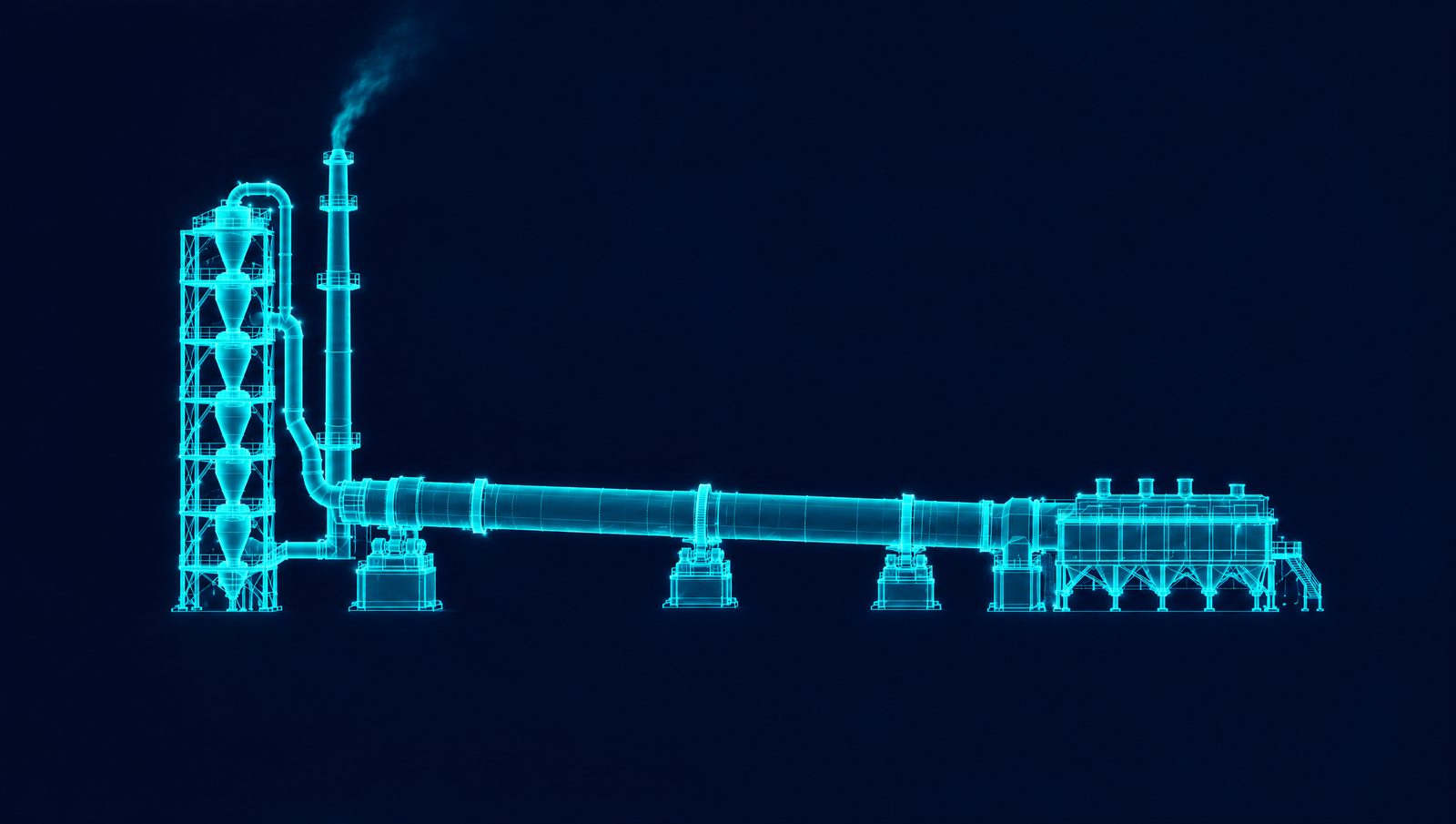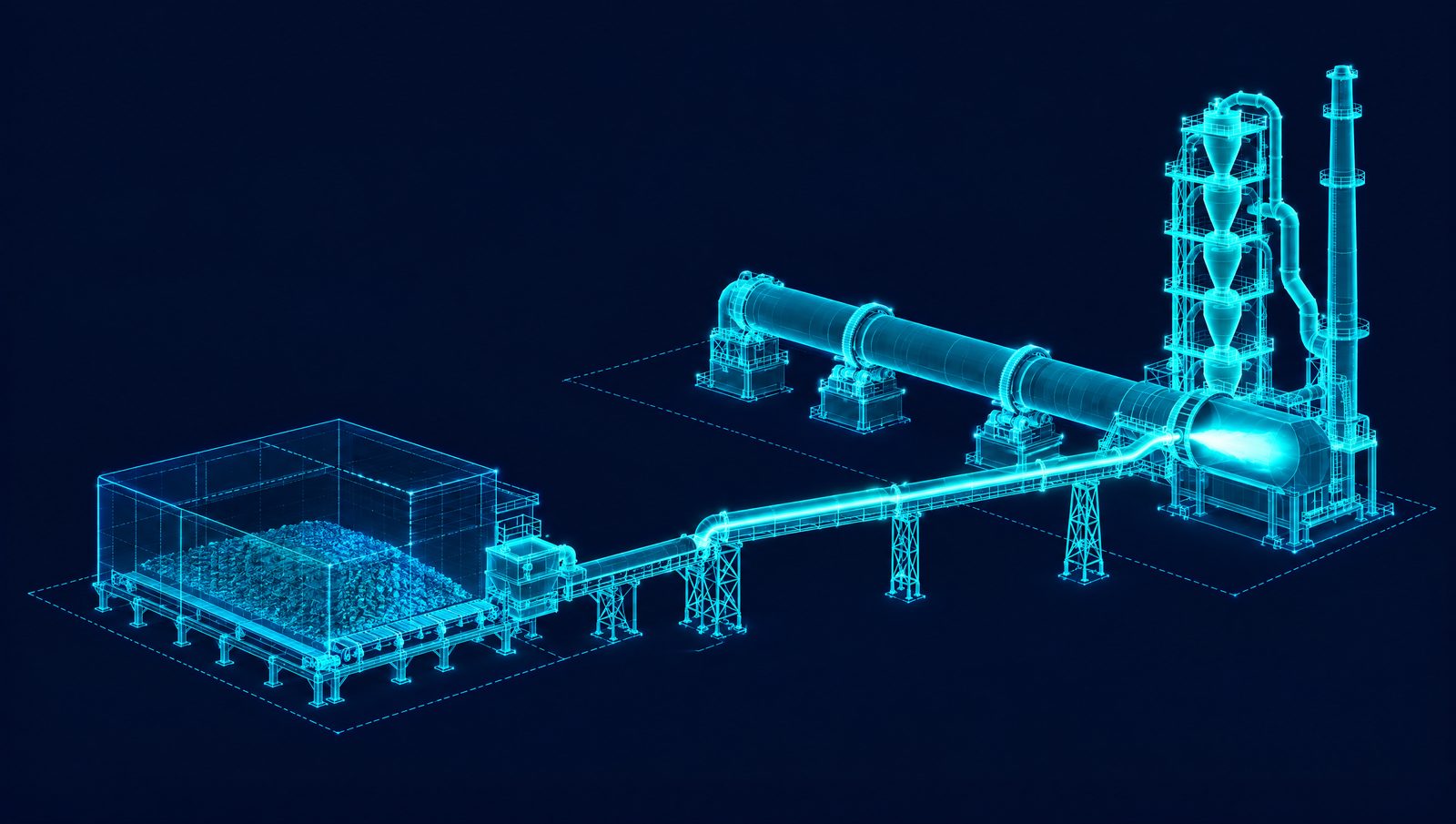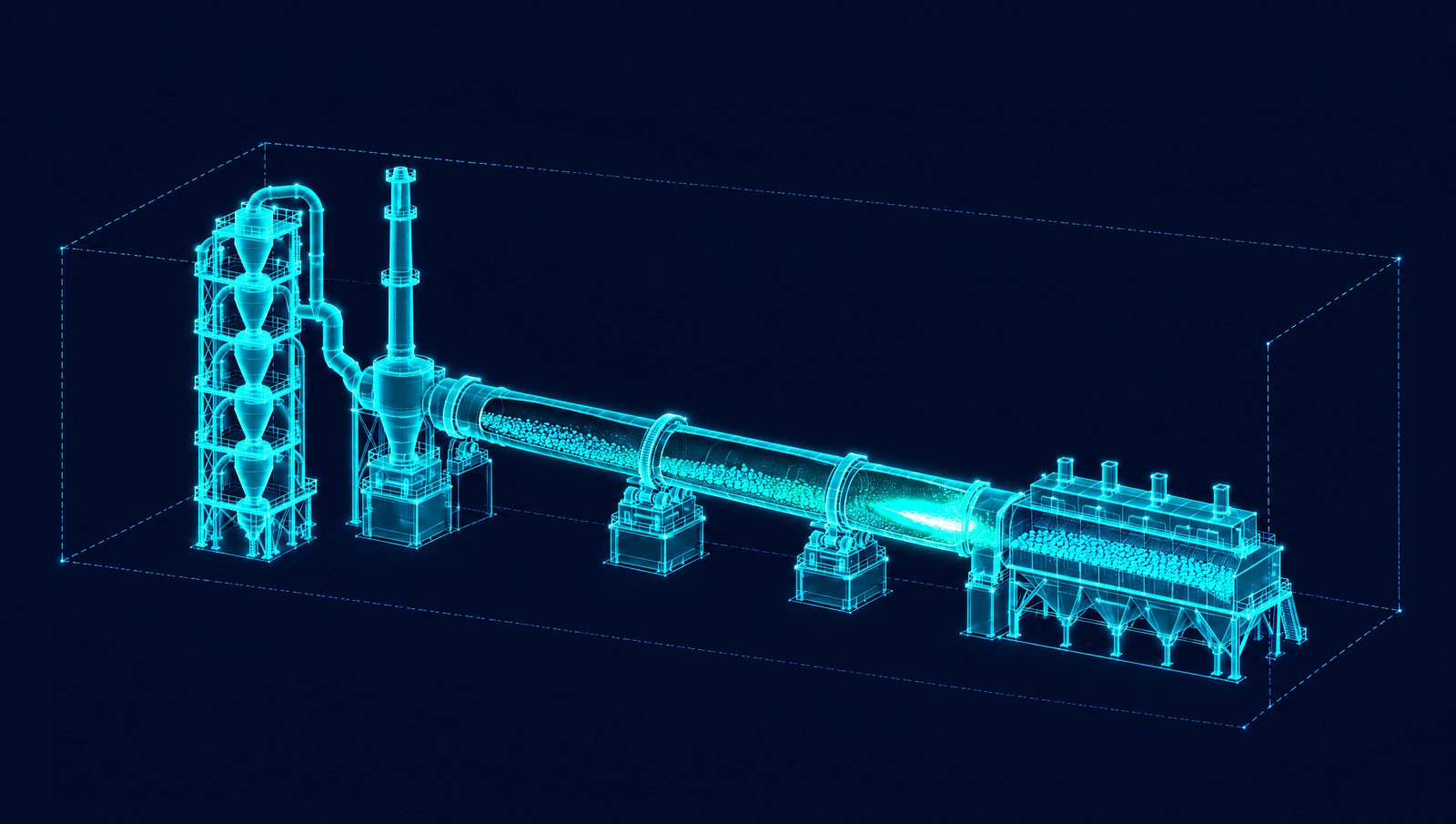
Molly Pace, Cement Economics and Implementation Engineer at Imubit, wrote this special report for World Cement on closed-loop control in cement manufacturing.
The article starts from operating problems most cement plants share. Raw materials arrive in uneven volumes and quality, and aging equipment limits capacity and efficiency. Changes in raw material quality disrupt clinker formation. Variability in fuel shifts the kiln temperature profile, which can leave clinker over-burned or under-burned. These problems cut productivity, make clinker quality harder to hold and raise emissions.
It then turns to decarbonization. One lever is a lower clinker factor, replacing clinker with supplementary cementitious materials such as fly ash, calcined clay and slag. A higher share of these materials tends to cost mortar strength. Plants offset that with finer cement, which takes more grinding energy, or with more reactive clinker. Alternative fuels reduce the fossil fuel burned in the kiln. Against that background, the article presents closed-loop control, adjusting the process in real time, as a way to raise efficiency and cut emissions.
World Cement asks readers to register to read the full article. For how Imubit applies Map, Model and Control to kilns, mills and coolers, see cement.