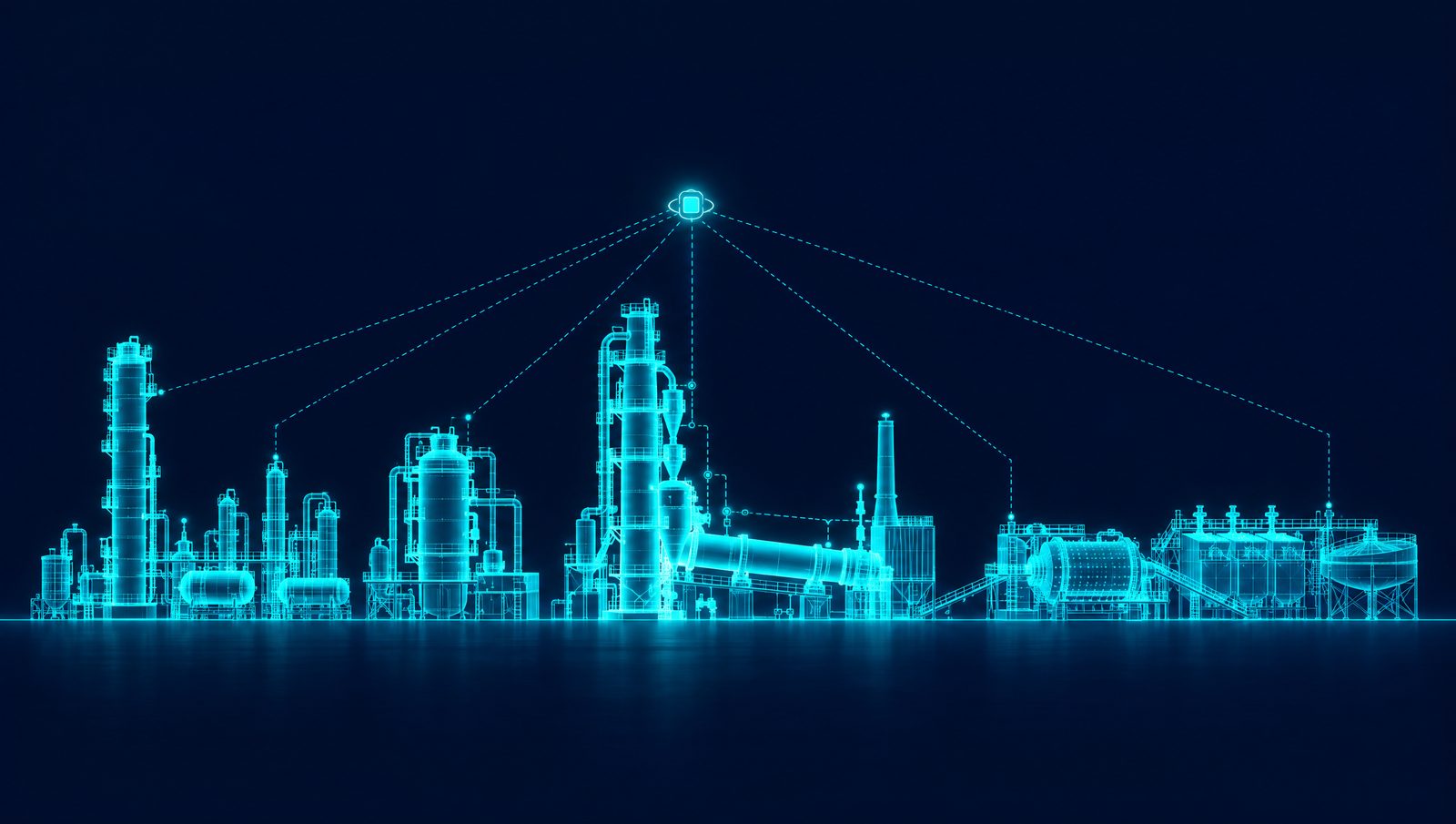
Process plants lose margin to inefficiencies that conventional optimization models do not see. Whether the site is a refinery, a chemical complex, a cement plant or a mining concentrator, first-principles simulators and spreadsheet optimizers struggle with noisy sensors, equipment degradation and tighter emissions limits.
Industrial AI learns from the plant's own data instead of idealized assumptions. It can capture nonlinear interactions, anticipate trouble before it reaches the board, and write setpoints to the APC or distributed control system (DCS) in real time. The result is better margin, lower energy intensity and a steadier plant.
Why conventional models fall short
First-principles simulators, linear model predictive control and spreadsheet macros have guided optimization decisions for decades. They lean on simplified physics and historical averages, and they treat the plant as a steady-state machine. The plant that operators run every shift is dynamic, and it depends on how people run it.
Several gaps follow from that:
- The models assume sensor readings are correct, so drift or a calibration lapse feeds them bad information.
- They rarely connect maintenance, production and quality systems, so key context stays in separate databases.
- The math is linear. It misses the nonlinear relationships that appear during start-ups, grade changes and feed swings.
- Differences in operator technique, procedure changes between crews and gradual equipment degradation go unmodeled.
Conventional models describe the plant as designed. The difference between that plant and the one actually running leaves efficiency, yield and margin on the table.
Why the pressure on optimization is rising
Margins are thin, and external pressures are tightening faster than conventional tuning can respond. Energy is a large share of operating cost in most process plants, and fuel prices can spike with little warning. Carbon pricing and emissions caps are expanding across major economies, which turns excess energy use into a regulatory risk as well as a cost.
Resource constraints add complexity. Water availability is tightening, feed quality varies, and aging equipment adds variability that traditional optimization glosses over. Boards and investors expect visible progress on environmental goals, so sustainability targets now carry weight alongside throughput.
These pressures leave little room for trial-and-error tuning. Plants need optimization that learns from current operation, captures nonlinear effects, and balances cost, compliance and reliability as conditions change.
How a learned model differs
Industrial AI combines machine learning and reinforcement learning to learn plant-specific behavior from historian, lab and real-time data. A linear program fixes the relationships at one operating point. A deep learning model can represent the nonlinear, time-varying interactions that govern yield, energy use and emissions across the operating range.
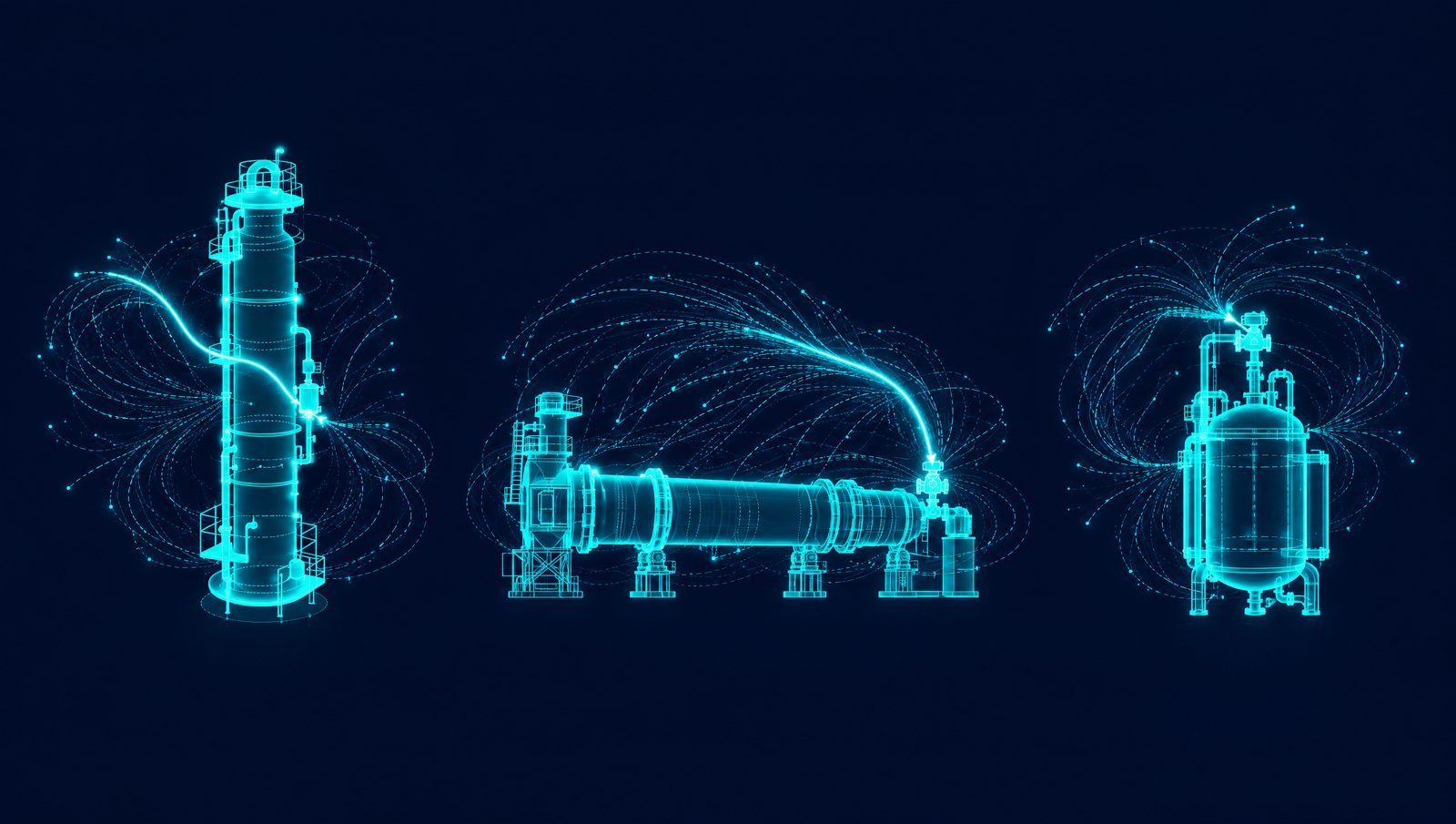
Running in closed loop, the model takes in live data, accounts for disturbances, feed changes and equipment degradation, and writes setpoints to the APC or DCS. It can pick up predictive patterns, such as rising energy intensity or an approaching off-spec product, hours before a conventional dashboard reacts. Weighting those signals by economics points engineers at the constraints worth the most.
Operators and engineers need to see why the model recommends a move: which variables drive it, and how confident the model is. That transparency is what lets closed-loop optimization run with the operators' trust.
Where AI finds losses in a process plant
Losses that conventional models hide tend to show up in four places:
- Energy efficiency. Streaming analytics flag steam leaks and mis-tuned compressors that routine reports miss, trimming utilities and emissions.
- Predictive quality control. Pattern recognition warns of drift hours before lab results arrive, so off-spec product can be avoided.
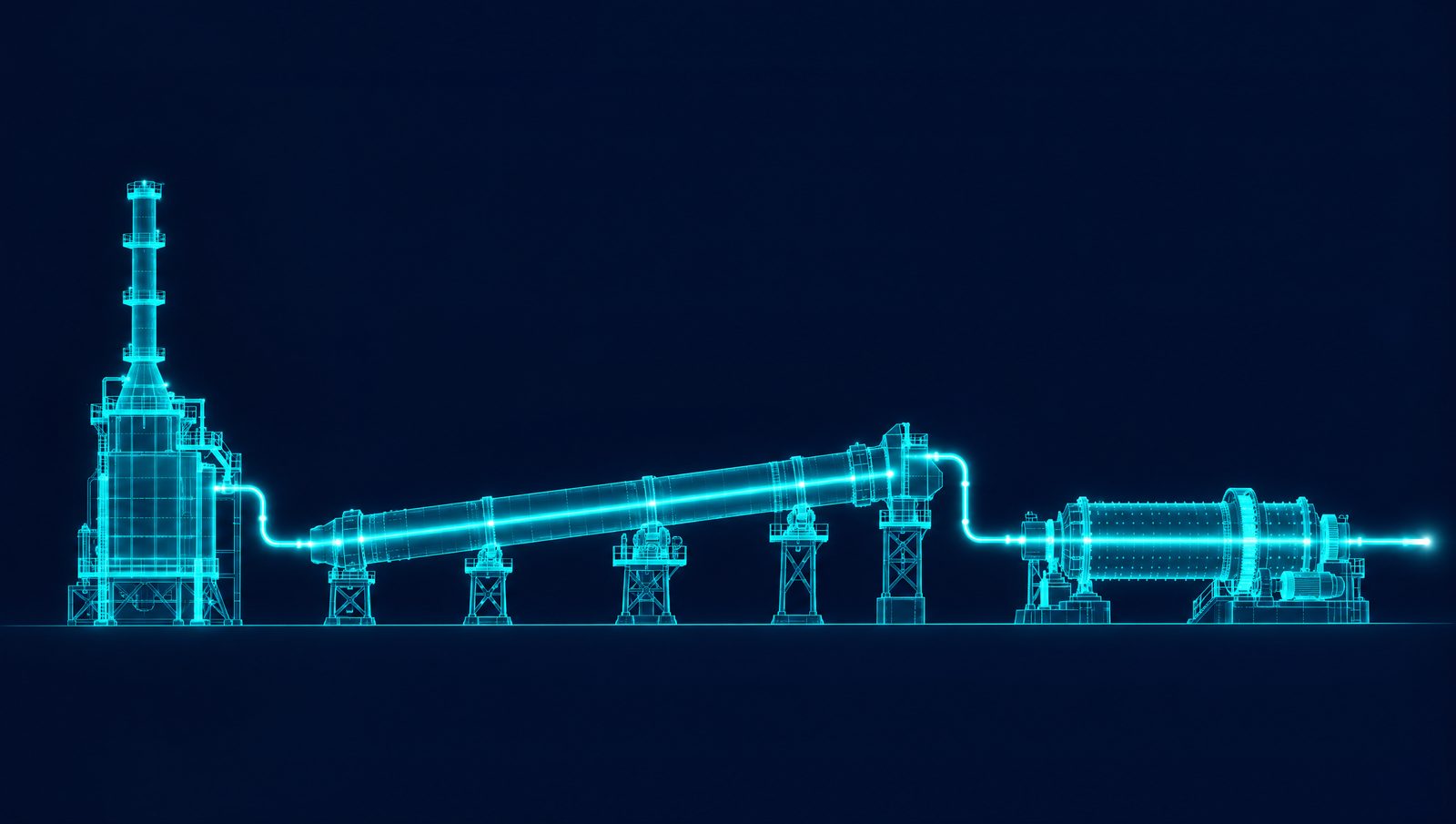
- Plant-wide coordination. A learned model shows which exchanger or separator is capping throughput, and setpoints can be re-optimized across units.
- Forecasting against limits. Forecasts balance higher rates against safety and environmental limits, so the plant meets demand without compliance surprises.
These improvements reinforce each other, because energy, quality and throughput are bound by the same constraints.
From data to decisions
Most process leaders want to see the economics before they commit. The value is built through five steps that turn historian data into margin while keeping operators in control:
- Gather and cleanse historical data from the historian, lab results and maintenance logs. Remove obvious gaps and reconcile tags scattered across separate systems, an issue that often derails conventional projects.
- Train models on plant-specific operation. Deep learning and reinforcement learning capture the plant's constraints and nonlinear behavior.
- Validate against economics and KPIs. Simulated runs confirm that the recommended setpoints hold safety margins while improving profit.
- Deploy in advisory mode, then closed loop. Most plants start in advisory mode to benchmark the recommendations, then let the model write setpoints to the APC or DCS once trust is established.
- Sustain performance. Monitor the model against live operation and update it as the unit, the feed and the equipment change.
Showing technical metrics alongside economic impact lets process engineers, operators and planners work from one view of the plant. That shared view speeds adoption and keeps the improvements in place.
Early and longer-term value
Early improvements usually come from yield, throughput stability and energy on the targeted unit. Over time, the same data shows deeper energy losses in areas such as furnace efficiency, steam balance and cooling water.
When operators, engineers and finance work from one model of the plant, the team builds skills in data-driven decision making and cross-functional work. Those skills carry into larger decarbonization projects and outlast the initial application.
Implementation pitfalls
The data is where the trouble usually starts. Sensor drift, idle tags and other bad data corrupt model training until the results look erratic. Even after cleansing, fragmented historians and lab records slow progress unless the plant builds a central monitoring layer.
People issues follow. Operators are wary of unfamiliar technology, and without deliberate change management the best recommendations will be ignored during the next upset. Clear model rationale, field-level training and an advisory phase earn trust before closed-loop control goes live.
Technical integration can be just as hard. Rigid legacy systems and poor interoperability force extra middleware and slow real-time response. Regular model updates, automated validation and a working group of vendor, operations and engineering staff keep performance from drifting, and they turn skepticism about the return into documented value.
How the Imubit Platform applies
The Imubit Platform applies this approach across refining, chemicals and polymers, cement, and mining and minerals. Map traces plan-to-plant gaps to the recurring operating decisions behind them. Model learns each unit's nonlinear dynamics from its own history with Deep Learning Process Control® (DLPC®), guided by first principles. Control takes the critical decisions to closed loop, writing setpoints to the APC and DCS, inside limits set by plant engineers. Across deployments, Imubit has delivered a 1 to 3% average yield improvement. See how the platform works.