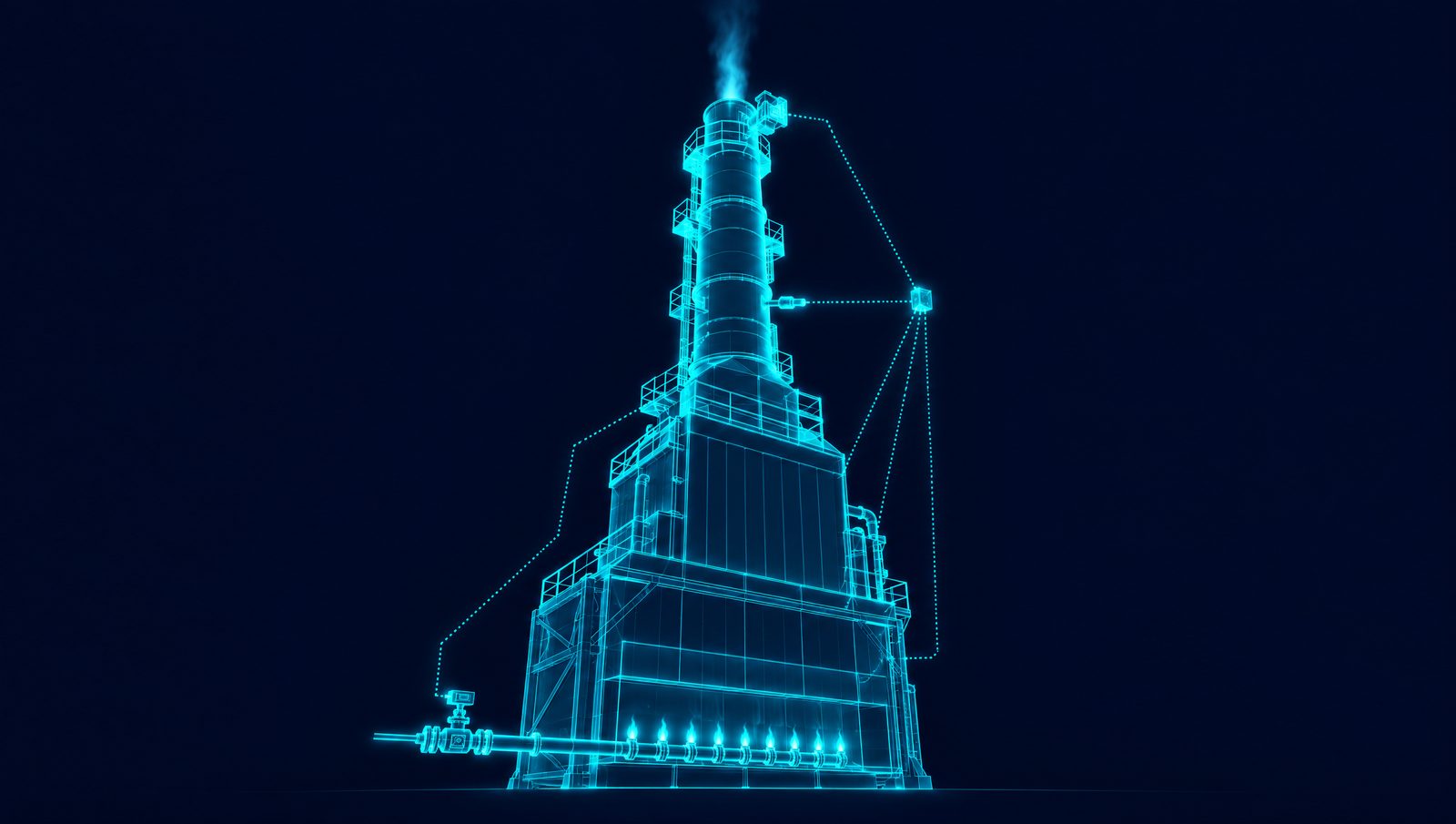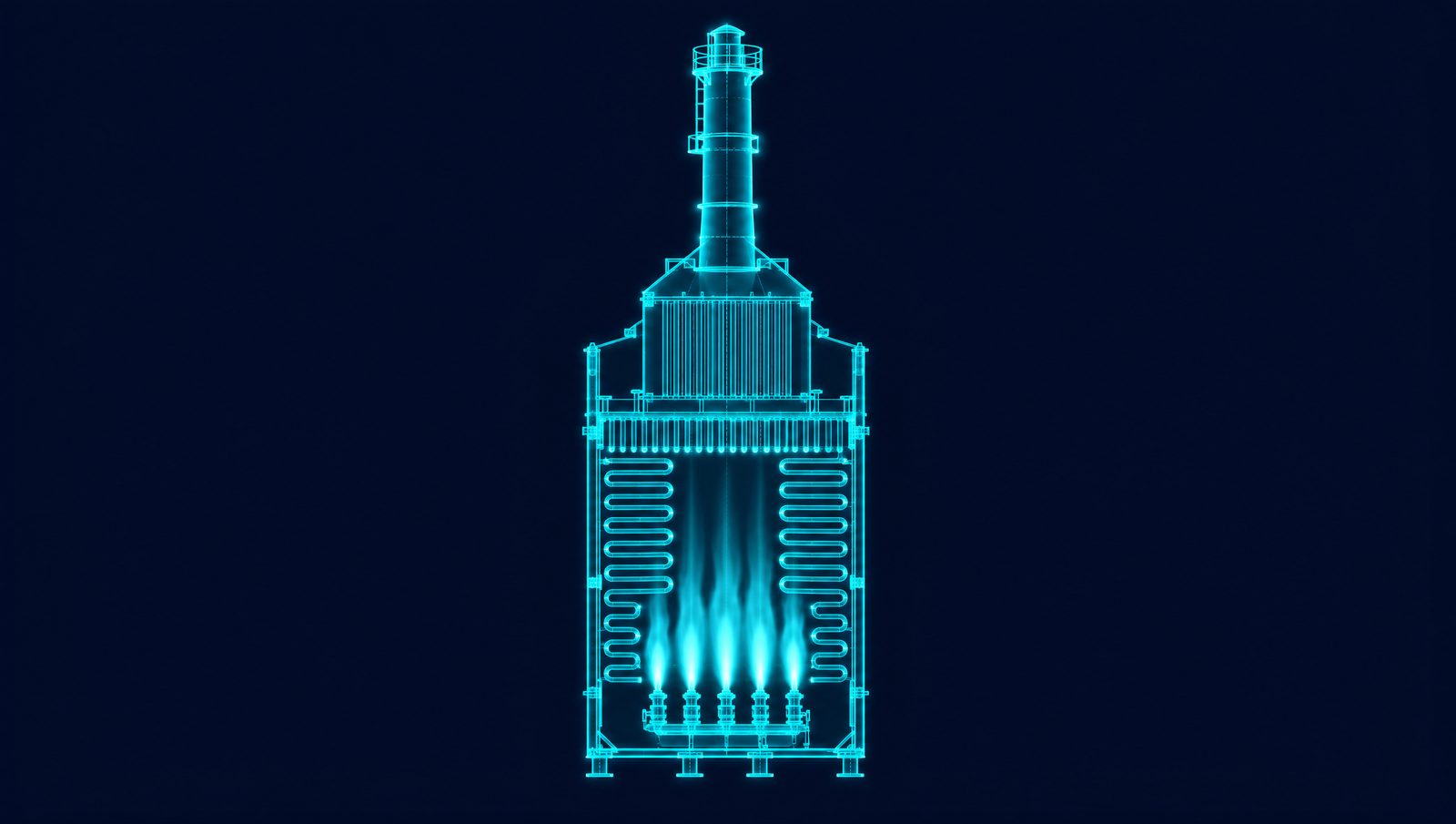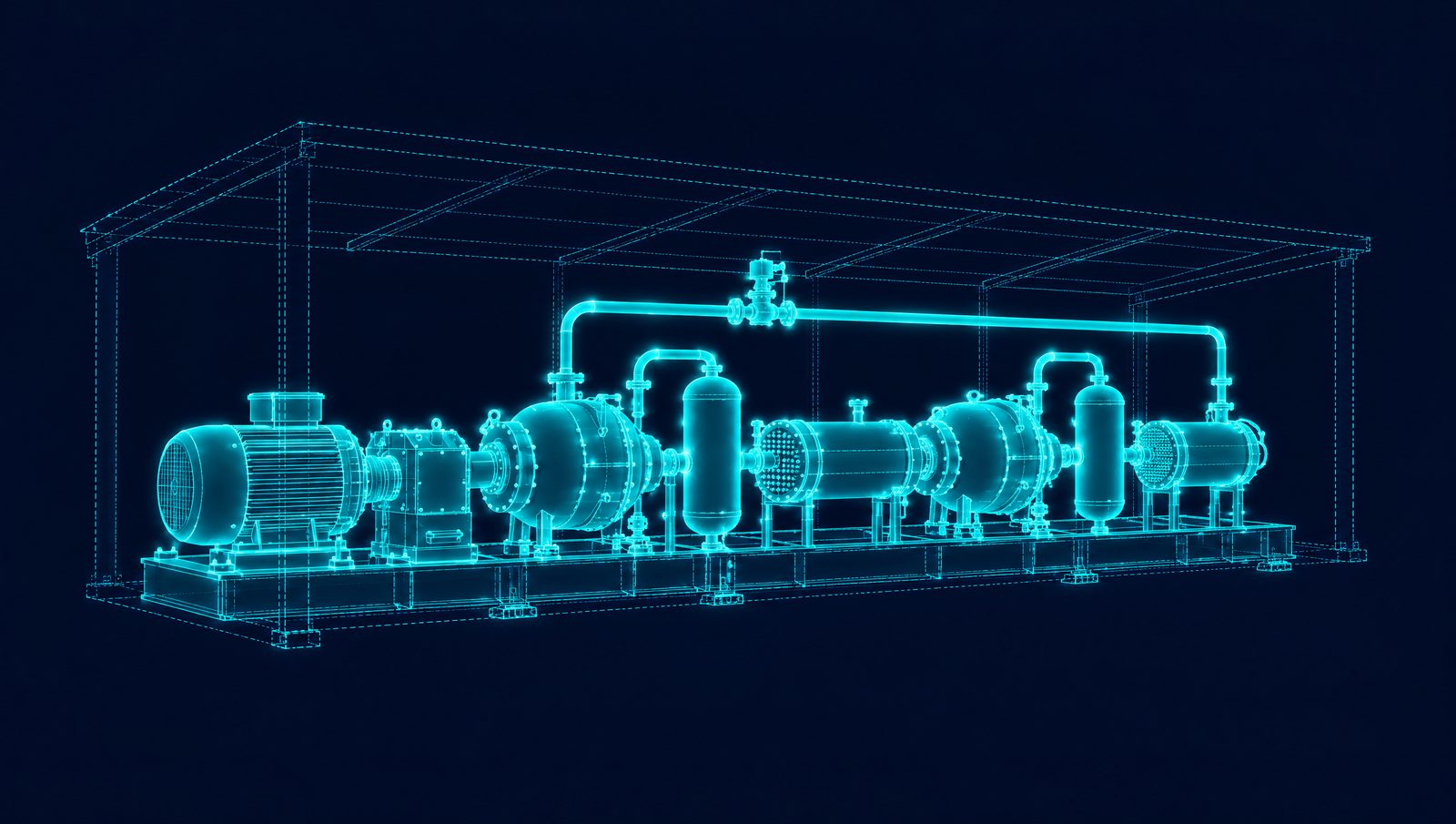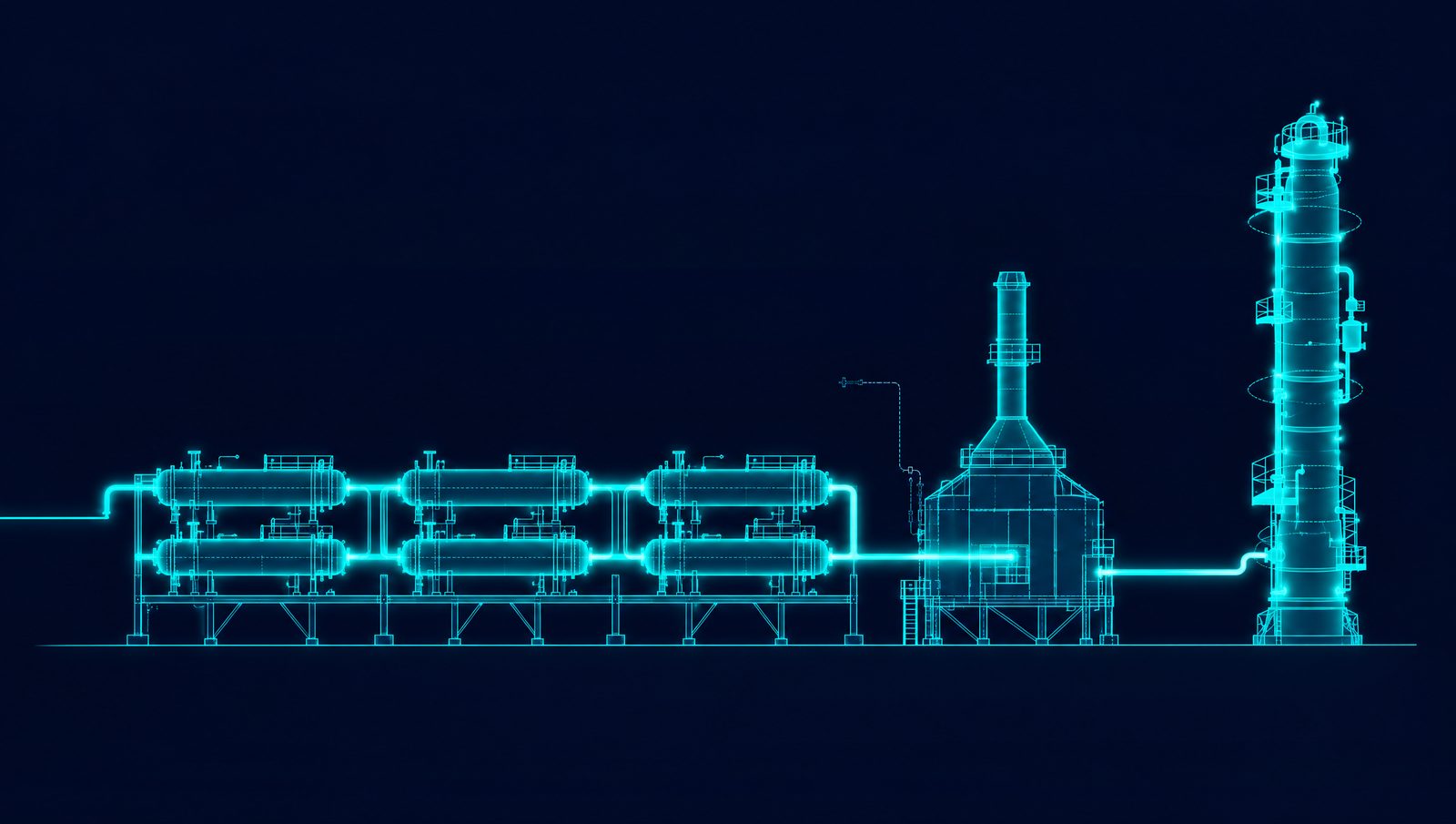
Energy is one of the largest operating expenses in oil and gas. Its price volatility amplifies the cost when equipment trips or a process drifts, and every hour of unplanned downtime erases revenue.
Operators face two demands at once: lower costs and tighter emissions targets. The Energy Institute's Statistical Review of World Energy reports that global energy demand, fossil fuel use and energy-related CO₂ emissions all reached record highs in 2024. For an operator, that pressure lands on the fuel and power each site uses, and reducing it calls for data-driven action.
Three strategies, applied in order, reduce fuel and power bills and emissions without major capital outlay: make energy use visible in real time, link process conditions to consumption, and automate the energy-intensive setpoints.
Why energy is hard to manage in oil and gas
Fuel and power sit at the center of every well, pipeline and processing unit, and keeping them efficient is getting harder:
- Processes are spread across remote sites.
- Feed quality can swing hourly.
- Much of the infrastructure was installed long before real-time optimization was possible.
- Many decisions are still guided by operator intuition and monthly utility bills instead of live data, so abnormal consumption goes unchecked.
Policy is also moving toward whole-system planning, which asks operators to integrate low-carbon technologies without compromising reliability. Most of the long-term scenarios compared in Resources for the Future's Global Energy Outlook 2025 show global oil demand peaking and declining by 2030. With demand expected to peak, margin depends more on how well each unit runs.
1. Make energy use visible in real time
For many assets, the first sign of a power spike is the monthly utility bill. By then, an abnormal steam draw or a compressor surge is long past. Connecting field meters, SCADA streams and time-series historians changes that.
Real-time dashboards fed by smart power meters, fuel gas flowmeters and other sensors flag anomalies within minutes instead of weeks. Streaming that data to a central operations center catches abnormal kW or MMBtu patterns early, which reduces both waste and the unplanned outages that follow equipment stress. Remote monitoring extends the same coverage to wells, pipelines and terminals that are hard to reach.
To get started:
- Inventory every major load. Compressors, furnaces and pumps each need a calibrated meter with a clean data tag.
- Route the signals to a historian and apply basic data quality checks.
- Build mode-aware KPI dashboards that compare kWh, fuel gas and steam rates against rolling baselines for each operating mode.
- Train operators to treat power alarms like any other process alarm.
- Use edge buffering so a lost connection never hides a consumption spike.
This monitoring foundation has to be in place before consumption can be tied to the process conditions that drive it.
2. Link process conditions to energy performance
Power and fuel consumption mirror how the plant runs. Small changes in distillation pressure, compressor recycle setpoints or furnace excess oxygen can shift fuel or electricity draw substantially. Finding those links takes disciplined data analysis.
Ipieca's energy efficiency compendium recommends energy KPI targets that shift with unit rates, operating conditions, fluid composition and the desired products. In practice that means pairing each KPI with the variables that influence it, such as feed quality, throughput and ambient temperature. Multivariate regression and correlation plots show which variables matter most.
At the equipment level, heat-integration studies, supported by process simulation and thermodynamic analysis, often show that lowering a column's operating pressure reduces furnace or reboiler duty without hurting yield.
Cross-functional reviews turn these findings into action:
- Process engineers adjust setpoints.
- Maintenance teams target fouled exchangers.
- Operations teams watch the dashboard to confirm the expected drop in kWh or MMBtu per barrel.
Manual intervention has limits. Holding the efficient setpoints around the clock, as feed and ambient conditions change, calls for automation.
3. Automate energy-intensive setpoints in closed loop
A closed-loop controller writes setpoints to the distributed control system (DCS) at a steady cadence, steering the unit toward lower consumption while it honors quality, throughput and safety limits. Operators can take it out of service at any time. Because it holds the unit closer to its real constraints, it removes some of the conservative margin operators keep against uncertainty, which cuts fuel and power while production targets hold.
Deep learning models capture the nonlinear relationships across a unit's tags. Reinforcement learning then trains a control policy that decides, as conditions change, how to trim furnace fuel, balance compressor loads or adjust column pressure.
Start with the levers that carry the most energy:
- furnace air-to-fuel ratio and excess oxygen
- distillation reflux and column pressure
- compressor header pressures and recycle
A staged sequence builds operator confidence while limiting risk:
- Start with units that have clear KPIs and reliable instrumentation.
- Test the models offline, run them in advisory mode, then close the loop once operators trust the recommendations.
- Train operators on simulators that mirror live plant behavior.
- Monitor model performance and retrain periodically to handle changes in feed or equipment.
Automating the most energy-intensive decisions locks in the improvements found in the first two strategies, with no new equipment. Because the controller writes to the DCS around the clock, the gains persist as feed quality, ambient temperature and equipment health shift, and engineers spend less time on manual tuning.
How the Imubit Platform applies
In refining and gas processing, Map traces excess fuel and power use to the recurring decisions behind it, such as heater firing, column pressure and compressor targets. Model learns each unit's nonlinear behavior from its own history with Deep Learning Process Control® (DLPC®). Control takes those decisions to closed loop, inside limits set by plant engineers, writing setpoints to the APC and DCS already in place. Where energy is the optimization target, deployments have delivered a 15 to 30% reduction in energy consumption.