
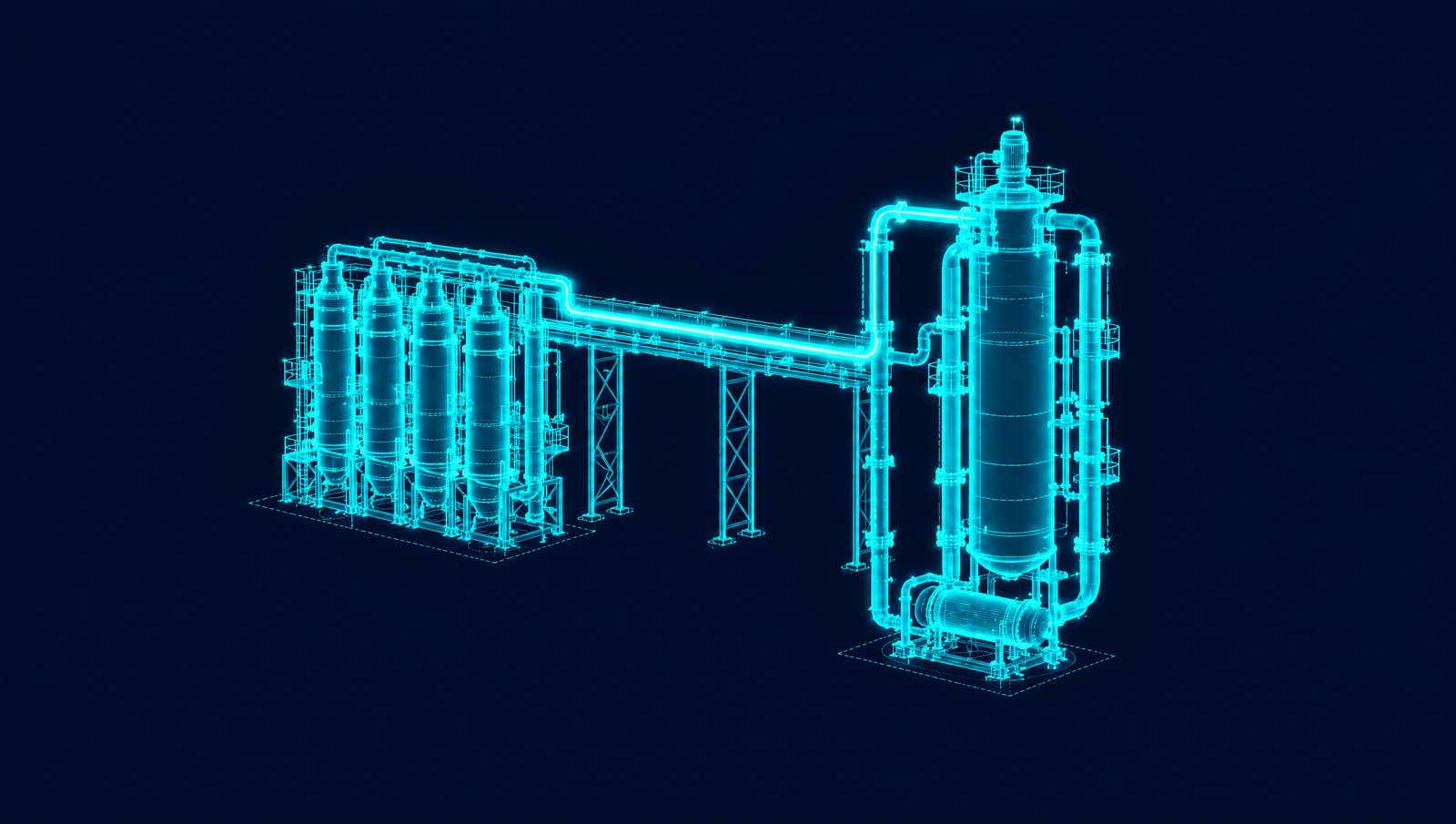
Chemicals, petrochemicals and polymers
Closed-loop autonomous control for steam crackers, polymer reactors, grade transitions and separation trains, inside limits your engineers set.
- 0.5 to 1%increase in yield across multiple sites, at the Model step, for a multi-site chemical manufacturer
- 1 to 3%average yield improvement across deployments
- 15 to 30%reduction in energy consumption where energy is the optimization target
- Over 100closed-loop controllers deployed worldwide
Plants keep a wide cushion while the binding limit moves.
Catalyst deactivates, coils coke, exchangers foul and every new feed shifts the binding limit. Decisions sit with planning, operations, engineering and the lab, so plants run conservatively: wider cushions against specification, slower transitions, extra reflux, lower severity. Closed loop follows the limit as it moves and runs the unit against it.
Where margin is lost.
Feed and catalyst
The reactor temperature that maximizes conversion moves with catalyst activity and fouling, and missing it costs more as feed and catalyst prices rise.
Off-spec and downgrades
Melt flow index and density arrive from the lab hours later, so a drifting reactor can fill silos with material of uncertain quality.
Energy
Firing, column pressure and reflux, and compression set the energy per pound of product, and severity at the furnace adds load downstream.
Run length
One pass that cokes faster can force a decoke early, and the most constrained furnace can hold the whole bank to conservative targets.
Unit by unit.
Each unit has its own recurring decisions. The model learns them from the unit's own history, and the controller makes them minute by minute, inside the limits your engineers set.
Every furnace in the bank, against its own coking state.
Each feed change calls for different severity, steam-to-hydrocarbon ratio and separation settings, and coke builds unevenly across passes and furnaces through the run.
The controller coordinates severity, firing and feed across the bank against each furnace's coking state and the load downstream, so the most constrained furnace no longer sets targets for the rest.
Ethylene cracker efficiency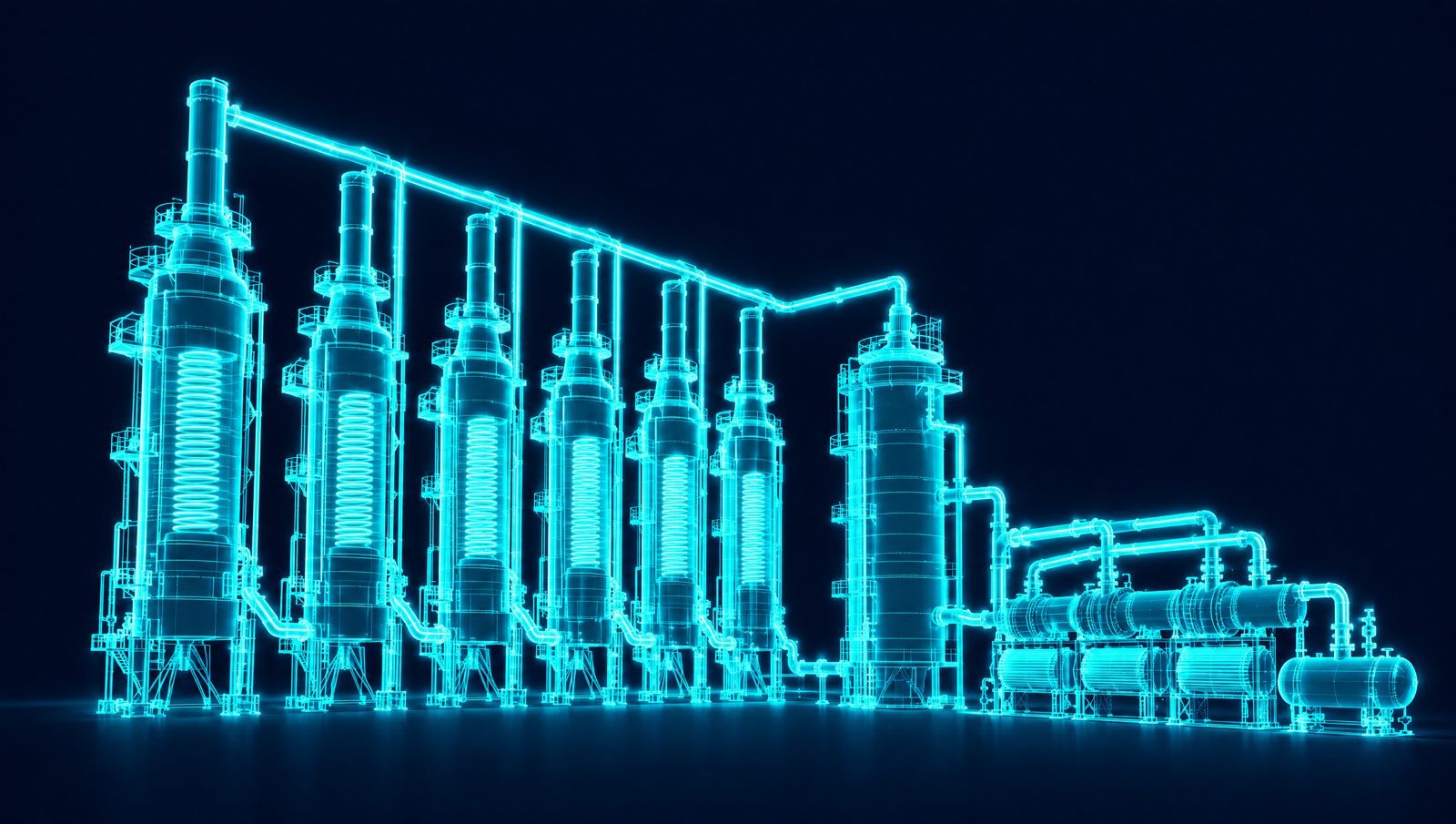
Quality held as the catalyst ages.
Temperature, residence time, feed ratios and catalyst activity fix molecular weight, branching and crosslinking as the chain forms, and nothing downstream can correct them.
The model infers melt flow index and density from the process signals already in the historian. When an inferred property drifts toward a limit, the controller adjusts hydrogen, temperature or comonomer within the plant's safety constraints.
Polymer reactor types and constraints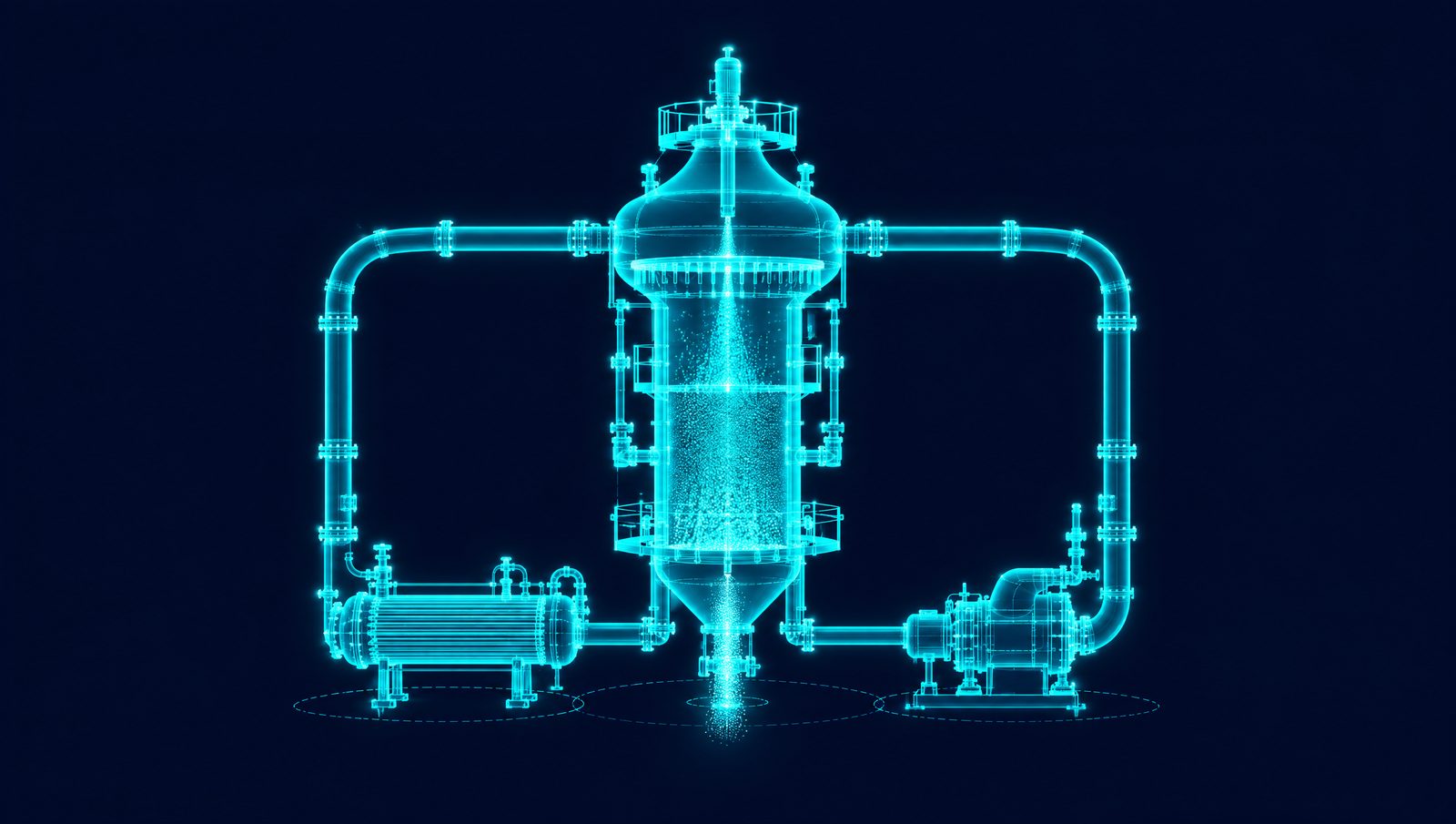
Less off-spec at every change on the wheel.
With lab results arriving hours later, the safe choice is a slow transition and a wide cushion against specification, and both cost capacity.
From historical transitions the model finds setpoint sequences that move between grades with less off-spec material, and the controller carries them out. Across a year of transitions, the time recovered adds capacity without new equipment.
Reducing off-spec in chemical plants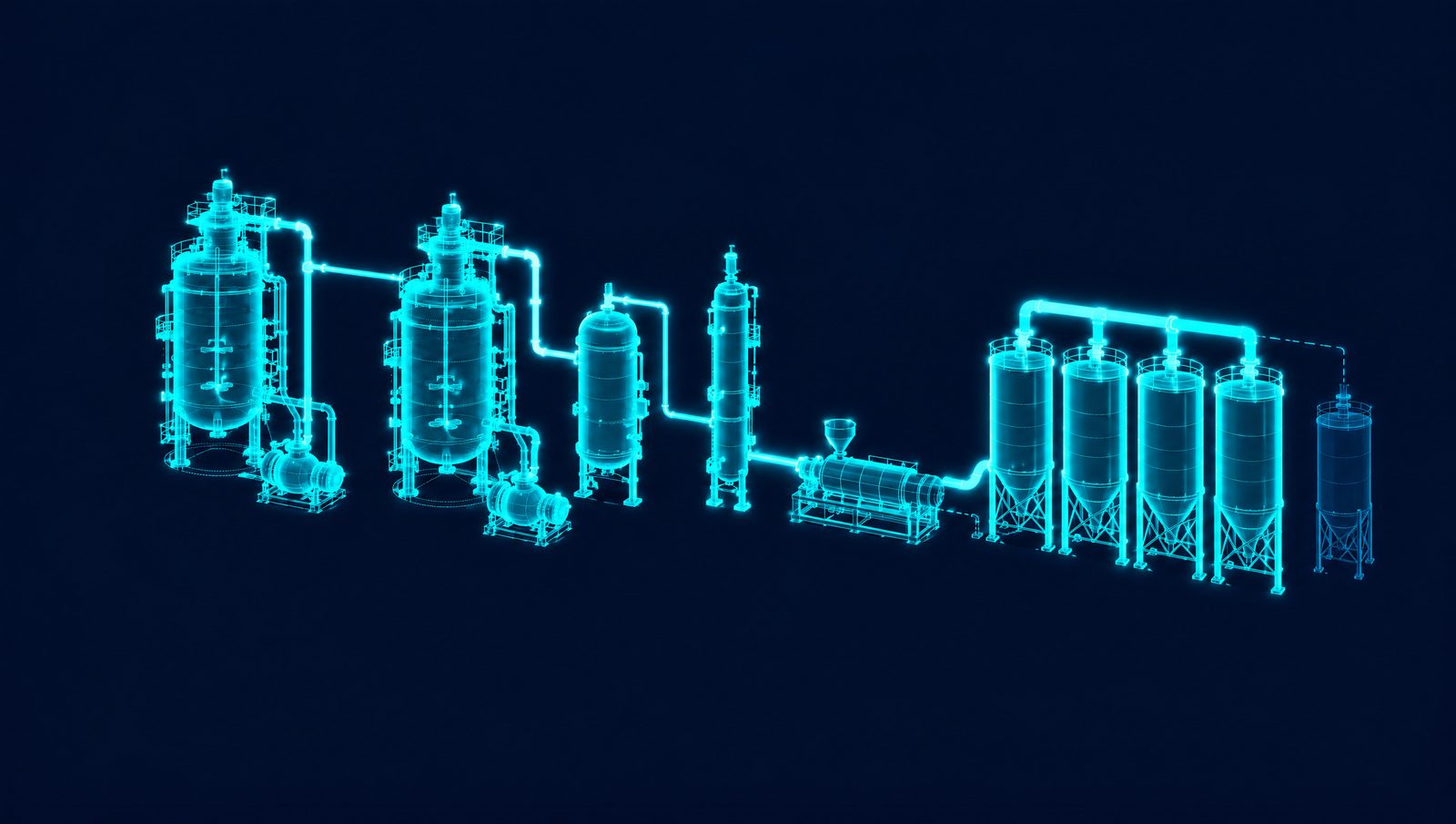
Purity held at the specification.
The demethanizer, deethanizer and splitters must hold tight purity at an energy cost, and losses build as small cushions, conservative pressure targets and extra reflux.
The model ties column pressure, reflux and draws to the furnace and reactor decisions upstream, so the separation train and the units feeding it run against the same targets.
Demethanizer optimization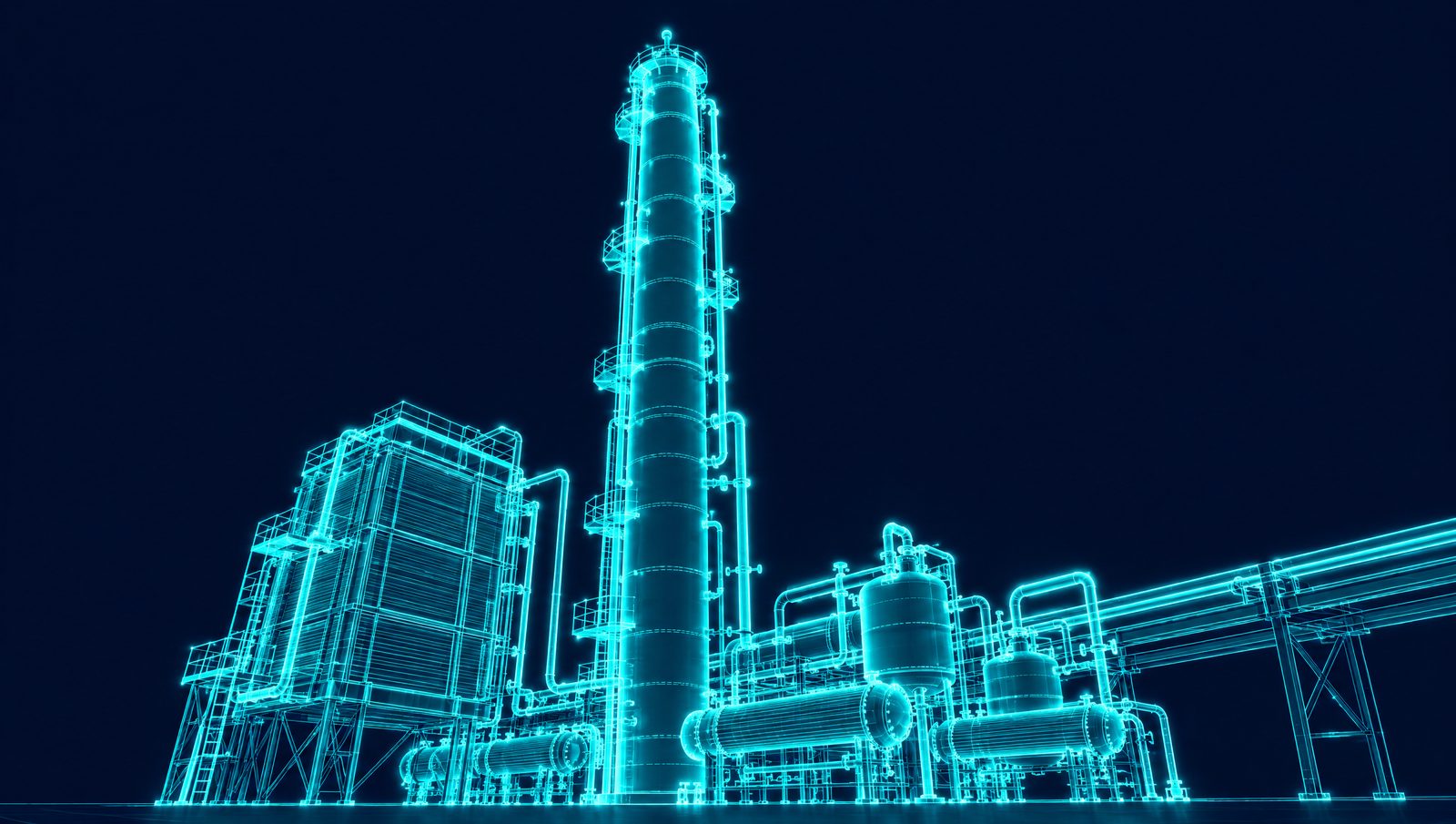
Less energy in every pound of product.
Higher yield, less off-spec rework and fewer unplanned shutdowns all lower the energy input per pound of finished product.
The same models relate operating decisions to energy use, which gives engineers a basis for including carbon reduction when they justify a debottlenecking project.
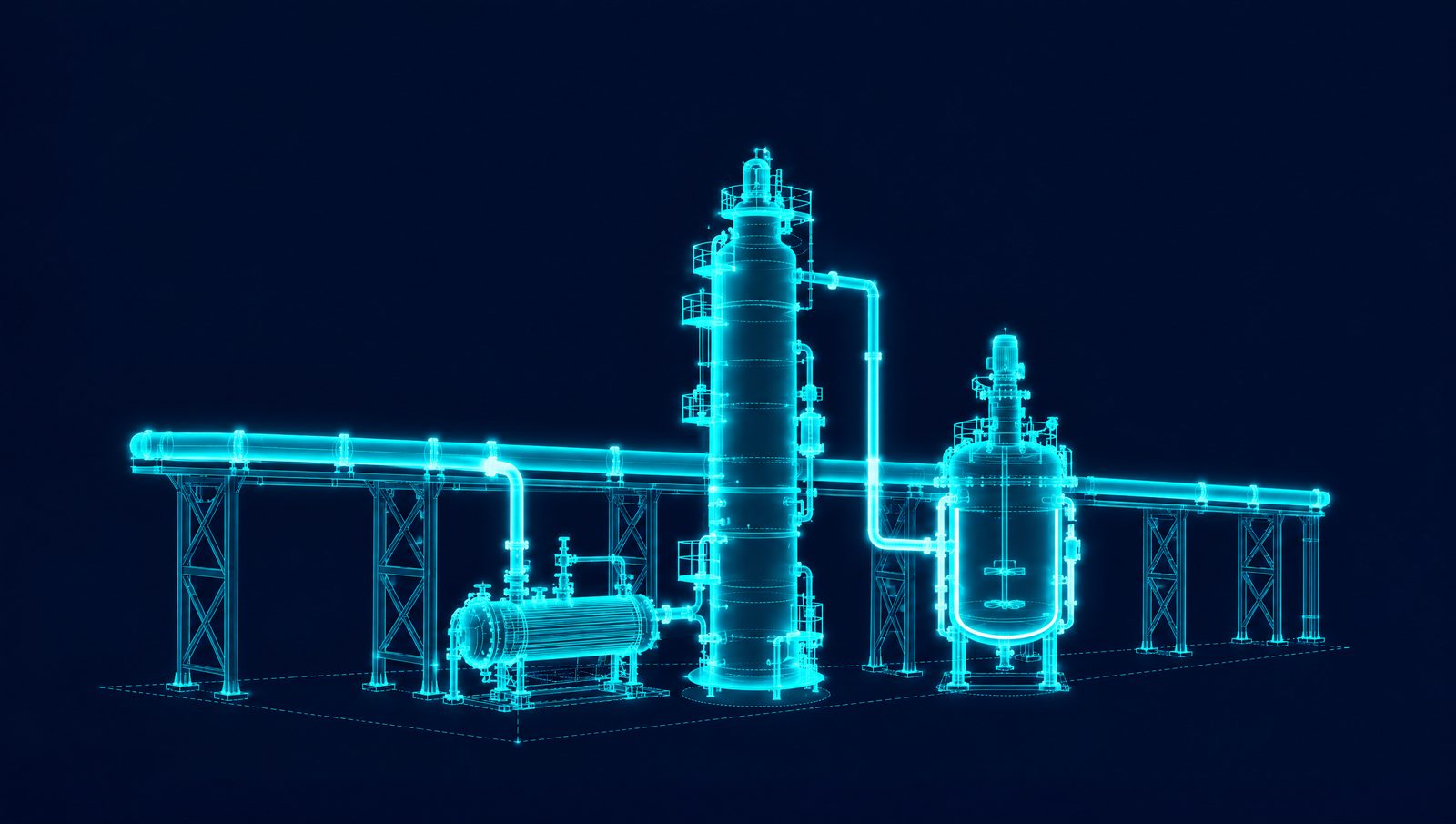
Map, Model and Control.
Map
Traces each plan-to-plant gap to the recurring decision behind it, and to the teams and systems that share it.
How Map worksModel
Process engineers build a nonlinear dynamic model of the unit in DLPC® Builder, with no Python and no machine-learning background.
How Model worksControl
A controller trained by reinforcement learning writes setpoints to the APC or DCS minute by minute, inside limits your engineers set.
How Control works
Results.
At the Model step, a multi-site chemical manufacturer modeled a critical unit that runs across a dozen operating regimes and achieved a 0.5 to 1% increase in yield, reducing feed costs, across multiple sites.
It’s very exciting to see a plant that’s been around for 60 some years changing the way that it operates fundamentally. This is a new level of optimization that we’re embarking on with Imubit’s help.
Process Technical Services Manager, Major Petrochemical Manufacturer
Where to start.
Five problems a plant can bring us, and the step where each one starts.
Off-spec material at every grade transition
Model transition sequences from your own history
Polymer quality known only hours later from the lab
Model melt flow index and density inferred from process signals
Furnaces run against average coking, not their own
Control severity and firing coordinated across the bank
Columns held beyond purity specification at an energy cost
Model column settings tied to upstream decisions
A plan spread across several systems
Map the plan pieced together, gaps traced to decisions
Can closed-loop AI run a steam cracker?
Yes. The controller coordinates severity, firing and feed across the furnace bank, against each furnace's own coking state, inside limits your engineers set.
How does Imubit handle grade transitions?
From your historical transitions, the model finds setpoint sequences that move between grades with less off-spec material, instead of a slow transition and a wide cushion while lab results arrive hours later.
What results do chemical producers see?
A 0.5 to 1% increase in yield across multiple sites, at the Model step, for a multi-site chemical manufacturer. Across deployments: 1 to 3% average yield improvement, and a 15 to 30% reduction in energy consumption where energy is the optimization target.
Our plan lives in several systems. Can Imubit still help?
Yes. Where the plan lives in multiple places, as it often does outside refining, Map pieces them together.
In depth
The gap between the plan and the plant
The plan sets the feed slate, production rates and the grade wheel. In many chemical plants the plan lives in multiple places, and Map pieces them together. Between plans, the plant depends on recurring decisions made by different people every shift. Meanwhile catalyst deactivates, furnace coils coke, exchangers foul, feed composition shifts with each new supply, and summer heat cuts condenser duty and compressor capacity.
The binding constraint moves with these changes. As catalyst deactivates, operators raise reactor inlet temperatures to compensate, which can push the constraint from the reactor to the cracker furnace or the recycle gas compressor. After a feed change, a fractionation section that ran comfortably within its design limits can become hydraulically limited.
The decisions that respond to these changes sit with planning, operations, process engineering and the quality lab. Operating strategies are fragmented across those teams, their systems, their KPIs and their rhythms. Everyone can do their job well and the plant still runs inconsistently, because no one owns the whole trade-off. The usual response is conservative operation, with wider cushions against specification, slower grade transitions, extra reflux and lower severity than the equipment could sustain.
Where margin is lost
- Feed and catalyst. The reactor temperature that maximizes conversion changes with catalyst activity and fouling, so finding and holding it is a recurring decision. The cost of missing it rises with the price of feed and catalyst.
- Off-spec and downgrades. Polymer properties such as melt flow index and density come from lab samples that take hours. A drifting reactor can fill silos with material of uncertain quality before the result returns, and every grade transition passes through a window where old and new material mix.
- Energy. Furnace firing, column pressure and reflux, and compression load set the energy per pound of product. A severity increase that looks good at the furnace makes more methane and hydrogen, which the separation train must compress and separate.
- Run length. In a cracking furnace, one pass that cokes faster than the others can force a decoke before the rest reach their limit. Across a bank, the most constrained furnace can hold the others to conservative targets even when they have headroom.
Physics-based simulators struggle with much of this. Polymer products are tailored to specific end applications, their key properties are sampled slowly, and the links between temperature, chain-transfer agent, catalyst state and product properties are hard to represent from first principles. Linear APC models hold targets well near their design basis and lose accuracy as the process drifts away from it.
Map, Model and Control
The Imubit Platform works on these decisions in three steps.
Map
Map traces each plan-to-plant gap to the recurring decision behind it and to the teams and systems that share that decision. In chemical and polymer plants these decisions include:
- reactor temperature and feed ratios as catalyst ages and fouling builds
- cracking severity, steam-to-hydrocarbon ratio and firing against coking rate and run length
- the sequence and timing of grade transitions
- feed allocation across furnaces and trains as the binding constraint moves
- column pressure, reflux and draws against purity specifications and energy use
Model
The technology behind the Model and Control steps is Deep Learning Process Control® (DLPC®). In the Model step, a Deep Learning Predictor learns a nonlinear dynamic model of the unit from its own operating history, guided by first principles. It captures interactions that linear models miss: how catalyst age changes the reactor's response to a feed change, how fouling shifts the relationship between jacket temperature and reactor temperature, and how a severity move on one furnace adds load on cracked gas compression and the demethanizer.
Process engineers build these models themselves in DLPC® Builder, with no Python and no machine-learning background. They evaluate them in DLPC® Explorer and test operating moves in the DLPC® Sim App. See the result of a change before you make it.
The same models can infer slow-sampled properties such as melt flow index and density from the process signals already in the historian, so operators see quality drift before the lab confirms it.
Control
A Deep Learning Controller, trained by reinforcement learning across millions of simulations, learns the control policy for the unit. It runs on-premise and writes setpoints to the APC or DCS minute by minute, inside limits your engineers set. It moves several setpoints together, which matters in units where much of the loss comes from interactions between variables.
Operators stay in charge. ARC Advisory Group describes this as human on the loop: the AI calculates and executes, and the operator moves from manual controller to high-level supervisor. Plants can start with recommendations that operators review at the board, then move to Autonomous closed-loop operation as engineers and operators gain confidence in the model.
Unit by unit
Steam crackers and olefins plants
Feed choice sets cracker economics, and each feed change calls for different furnace severity, steam-to-hydrocarbon ratio and separation settings. Ethane needs higher severity to reach target conversion. Heavier feeds such as naphtha and LPG produce a wider co-product slate, including propylene and butadiene, that shifts load onto the fractionation train.
Through the run, coke builds in the coils, tube metal temperatures rise and convection sections foul, often unevenly across passes and across the furnaces in a bank. The model learns this behavior furnace by furnace from plant history. In closed loop, the controller coordinates severity, firing and feed across the bank against each furnace's coking state, the run-length target and the load on compression and separation downstream, so that the most constrained furnace does not set conservative targets for furnaces that still have headroom.
Read more on ethylene cracker efficiency and olefins plant operations.
Chemical and polymer reactors
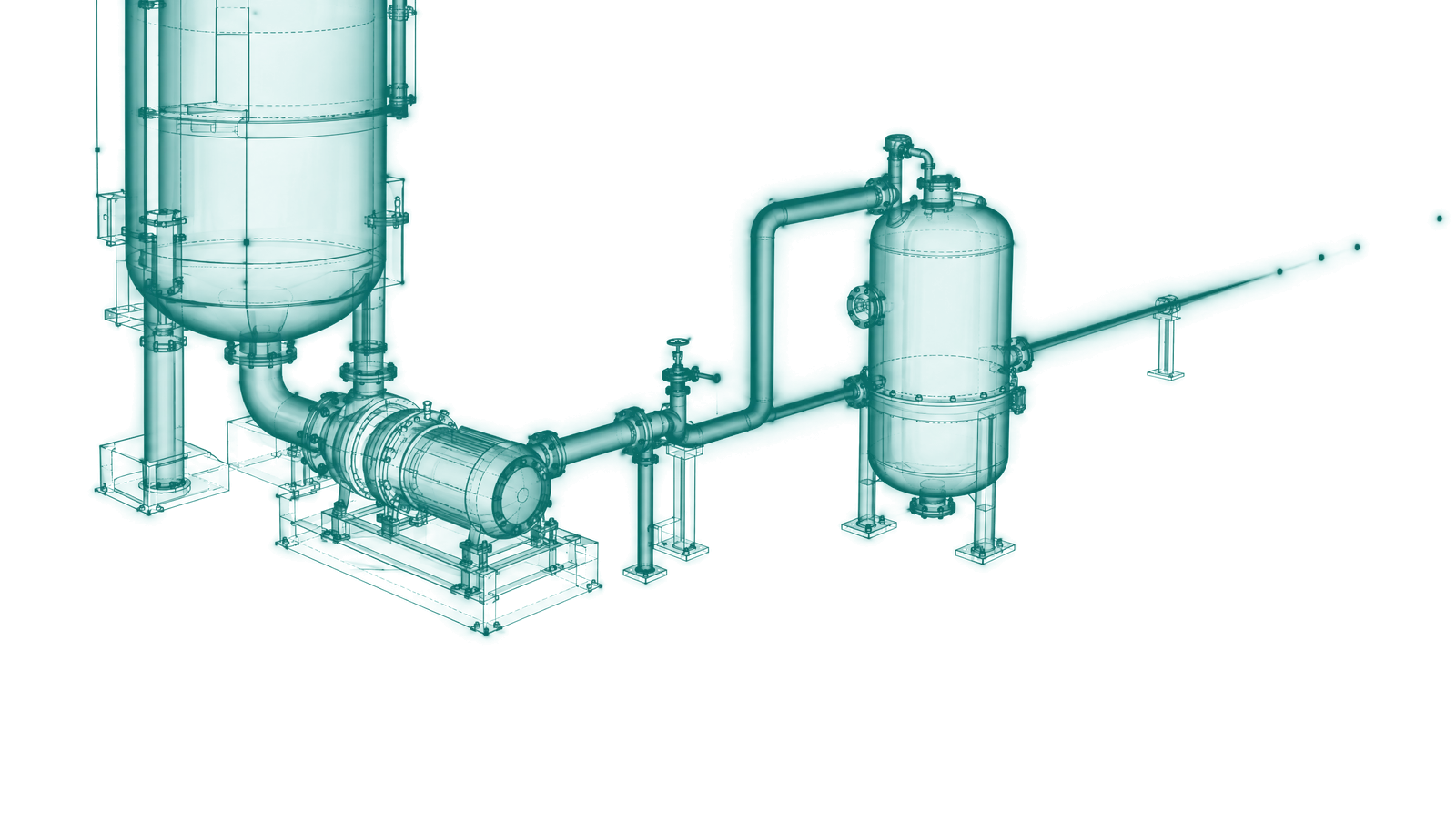
Temperature, residence time, feed ratios and catalyst activity set conversion and selectivity. In polymer reactors they also fix molecular weight distribution, branching and crosslinking as the chain forms, and no downstream step can correct them. Each reactor configuration has its own limit:
- Tubular reactors risk hot spots and thermal runaway as pipe diameter grows, because heat must travel from the center of the pipe to the cooling jacket.
- Fluidized bed reactors, standard for HDPE and LLDPE, risk particles overheating, melting and agglomerating.
- Loop reactors must hold uniform residence time as polymer concentration changes flow patterns.
- Stirred tank reactors lose mixing as viscosity rises at high conversion.
Catalyst aging shifts the relationship between temperature and molecular weight over weeks, while feed quality can change kinetics within hours, and the two effects interact. The model learns these interactions from the reactor's own data. When an inferred property drifts toward a limit, the controller adjusts hydrogen feed, reactor temperature or comonomer ratio within the plant's safety constraints.
Read more on polymer reactor types and constraints.
Grade transitions and off-spec
Each change on the grade wheel takes the reactor through a period where quality is in flux. With melt flow index and density arriving from the lab hours later, the safe choice is a slow transition and a wide cushion against specification, and both cost capacity and margin. Inferred quality models give a continuous estimate between lab results. From historical transition data, the model identifies setpoint sequences that move between specifications with less off-spec material, and the controller carries them out. For plants running many grades, the time recovered across a year of transitions can add capacity without new equipment.
Read more on melt flow index in production and reducing off-spec in chemical plants.
Distillation and separation
In an olefins separation train, the demethanizer, deethanizer and C2 splitter must hold tight purity specifications at an energy cost. Lower demethanizer pressure improves recovery but can raise total energy demand, and operating limits restrict how low it can go. Over-hydrogenation in acetylene removal converts ethylene to ethane. The C3 splitter separates propylene from propane, which boil close together, inside a narrow hydraulic envelope bounded by flooding and weeping. Losses build as small specification cushions, conservative pressure targets and extra reflux.
Feed changes and high ambient temperatures move these limits, so a column that ran comfortably last month can become the bottleneck. The model ties column pressure, reflux and draws to the furnace and reactor decisions upstream, so the separation train and the units feeding it run against the same targets.
Read more on demethanizer optimization and debottlenecking petrochemical plants.
Energy and emissions
Higher yield, less off-spec rework and fewer unplanned shutdowns all lower the energy input per pound of finished product. The same models relate operating decisions to energy use, which gives engineers a basis for including carbon reduction when they justify a debottlenecking project.
Read more on decarbonizing chemical plants.
Results
- At the Model step, a multi-site chemical manufacturer modeled a critical unit that runs across a dozen operating regimes and achieved a 0.5 to 1% increase in yield, reducing feed costs, across multiple sites.
- Across deployments, Imubit reports a 1 to 3% average yield improvement.
- Where energy is the optimization target, deployments show a 15 to 30% reduction in energy consumption.
- The Imubit Platform runs in refining, chemicals and polymers, cement, and mining and minerals, with over 100 closed-loop controllers deployed worldwide, the largest install base in the industry, and 7+ years of closed-loop engagement in production.
It’s very exciting to see a plant that’s been around for 60 some years changing the way that it operates fundamentally. This is a new level of optimization that we’re embarking on with Imubit’s help.
Related reading
All articlesEthylene cracker efficiency: where margin erodes and how to recover it
Ethylene cracker margin erodes across feed, furnaces, coking and separation as conditions drift from the APC design basis, and much of it can be recovered.
Polymer reactor types and the control constraints they create
How CSTR, tubular, loop and fluidized bed polymer reactors create distinct control constraints, and where learned models reduce off-spec production.
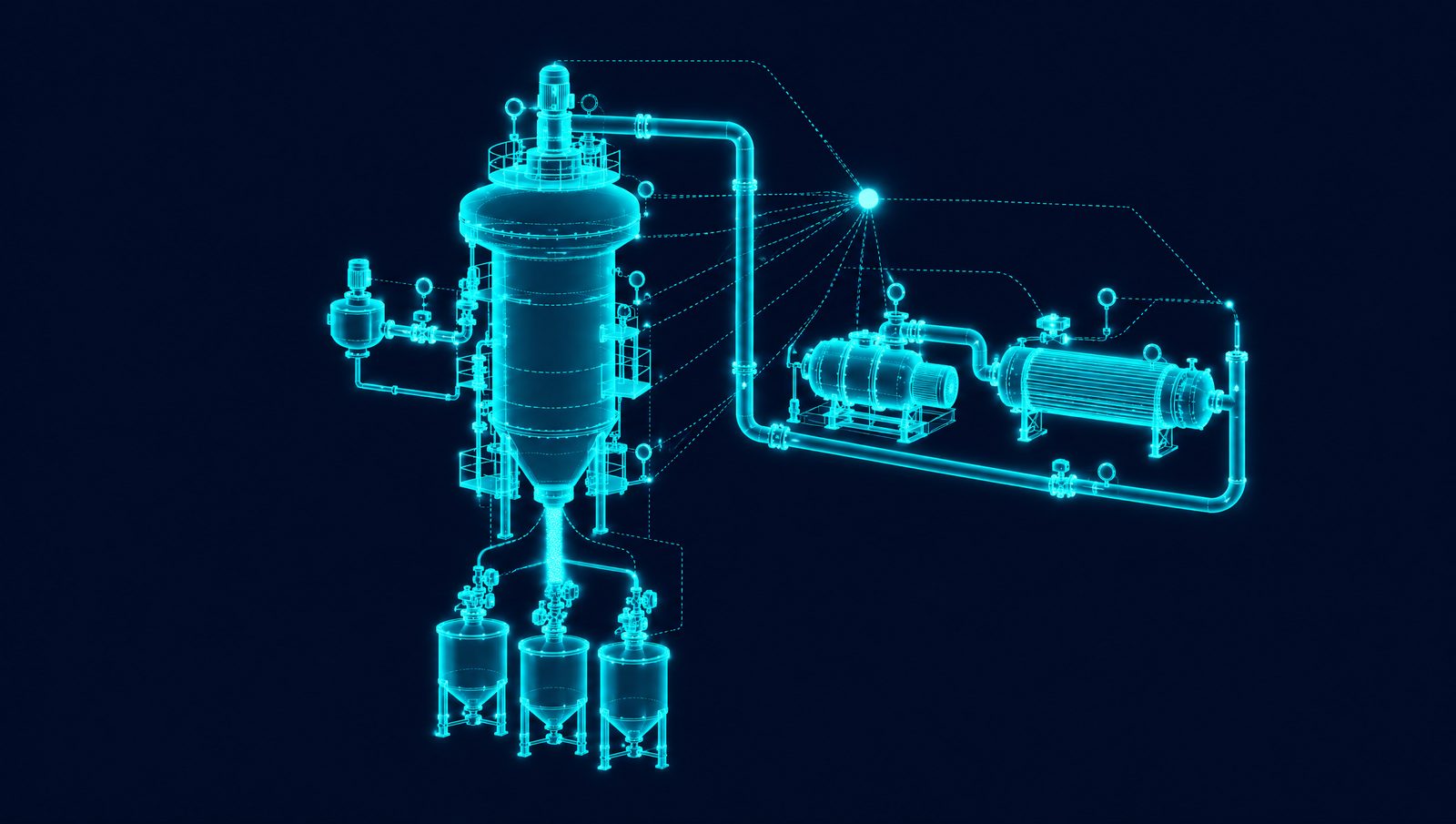
Five polymer production challenges closed-loop control addresses
How closed-loop AI control handles off-spec production, feedstock swings, energy intensity, catalyst wear and quality records in polymer plants.
Find out what your gap to plan is costing you.
We start by mapping your site's highest-impact plan-to-plant gaps to the decisions behind them, placing each decision on the maturity ladder, from Undefined and Reactive through Deliberate and Augmented to Autonomous, and showing how to close them.
One to two hours for your team to prepare and upload the data package
Results within a few working days of approval
No workshops
Send your data as it is. Gaps, outages and noisy tags are normal, and our engineers screen and clean them in the platform. If anything limits a use case, we tell you.