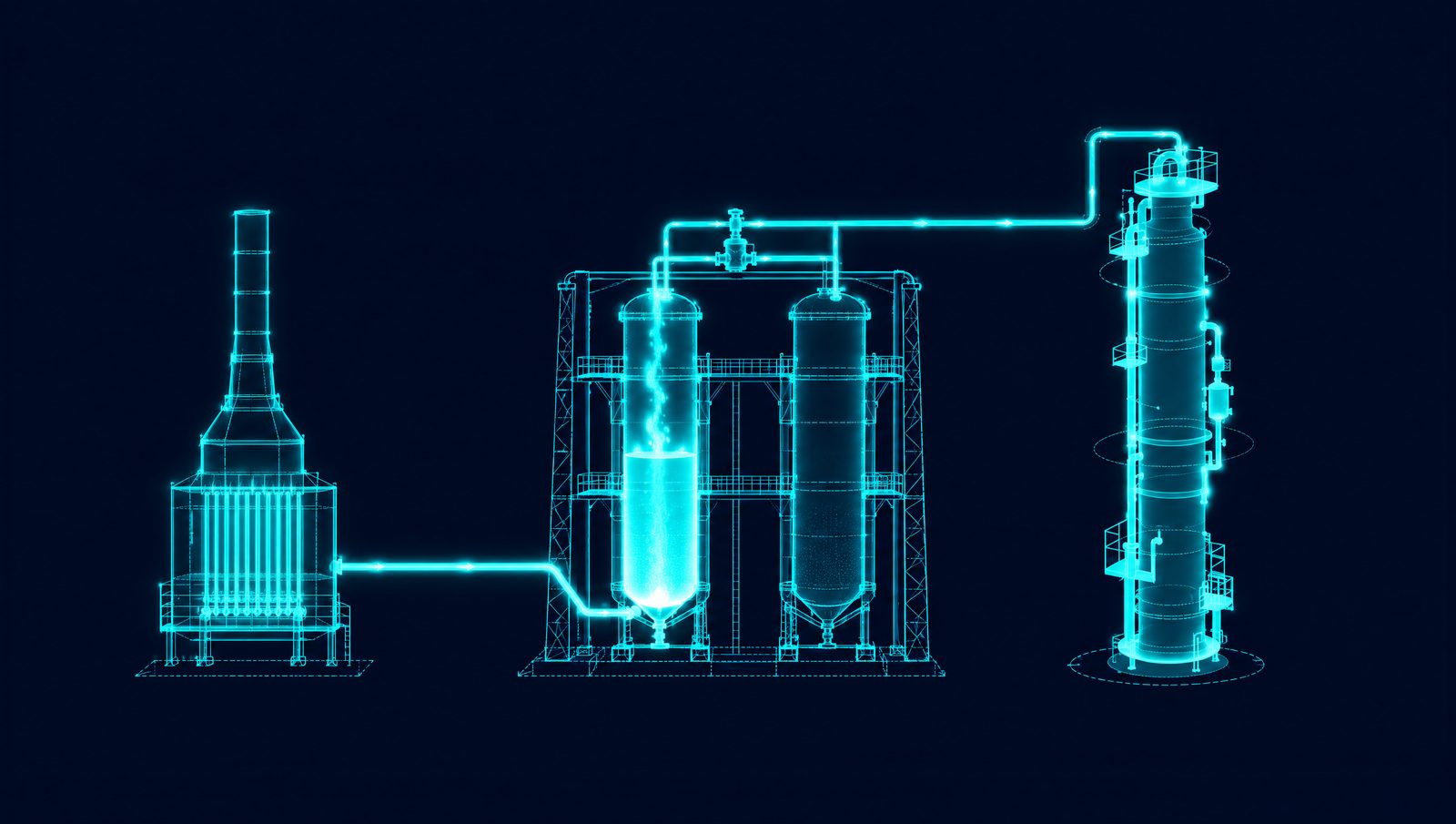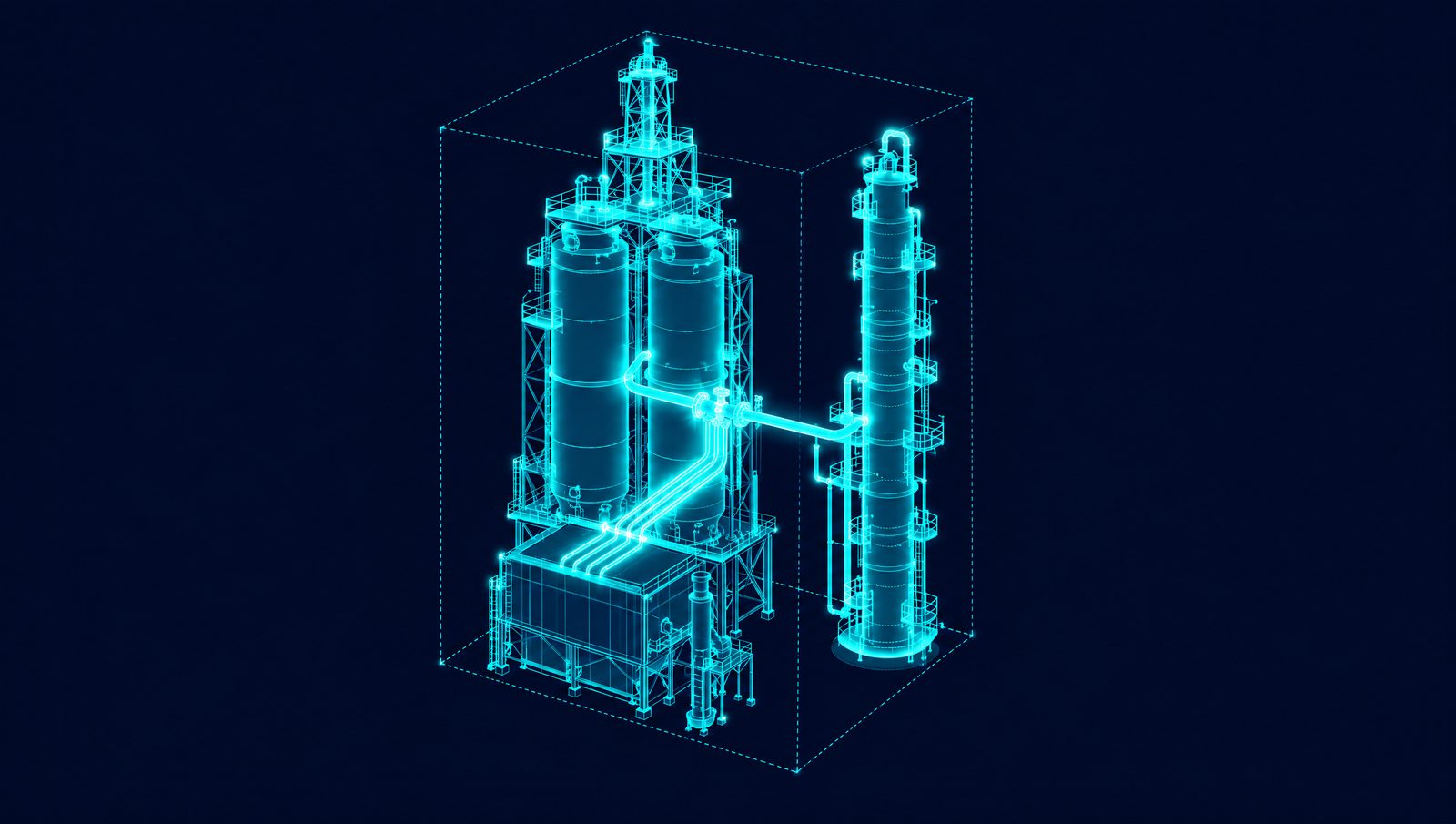
An unplanned outage on a delayed coker rarely stays local. It can ripple across the refinery, and the losses build quickly. Equipment failures and maintenance delays cause many of these outages. Uneven fouling in the heater tubes contributes, usually alongside other causes.
Predictive analytics and closed-loop control give refineries a way to balance tube flows, predict fouling patterns and correct course before a shutdown becomes unavoidable. The five practices below build on each other, from a single heater to the whole residue chain.
1. Balance heater pass flows
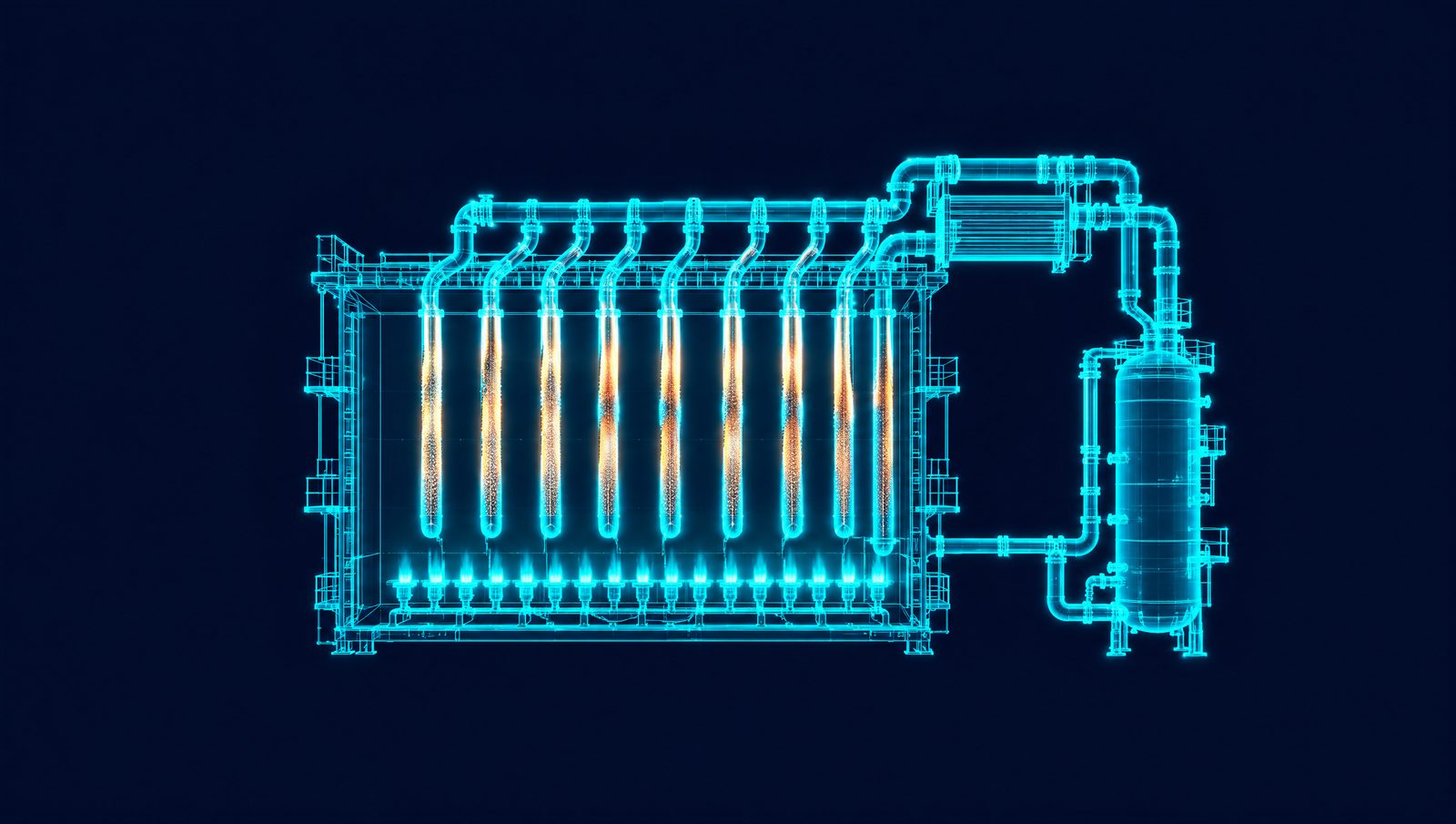
Uneven fouling in a single radiant coil can force an unplanned decoke that cuts the coker's rate or takes it off line. Continuously redistributing heater duty and pass flows so that every coil fouls at a similar rate removes the weak-link tube. Heater run length is then set by the average pass instead of the worst one.
A closed-loop controller learns this behavior from the unit's operating history and writes new setpoints to the distributed control system (DCS). Fewer hot spots also lower the chance of a long emergency outage.
Before going live, validate the tube-level temperature, pressure and flow signals. The models need clean data to pick out the subtle patterns that signal early fouling.
2. Make coordinated corrective moves ahead of alarms
Conventional practice depends on operators spotting temperature spikes or pressure-drop alarms, then cutting firing or adding steam. Those moves come after the deviation, so they often overcorrect and push the unit away from its optimum, which sets up the next cycle of instability.
Models trained on historical operating data can recognize the patterns that precede runaway fouling and propose corrective moves minutes, sometimes hours, before an operator would normally react. Instead of adjusting one handle, they balance feed rate, coil outlet temperature and steam together, keeping every variable inside its constraint window. Because the model learns from each outcome, its proposals improve over time.
Build those proposals into existing procedures and workflows, so that every recommendation is reviewed, logged and auditable.
3. Predict fouling before it becomes critical
Soft-sensor models can detect early signs of coke formation hours or days before they show on routine trend screens. They learn the heater's normal patterns and flag deviations early enough for maintenance teams to act on their own schedule rather than the unit's.
The inputs are temperatures, pressures, flow rates and historical performance data. Combined, they give a clearer picture of tube health, which the model can express as a single coke-risk score tracked from shift to shift.
Before deploying the model:
- confirm that critical transmitters are calibrated and correctly mapped
- compare the fouling forecasts with the turnaround plan, so manpower and parts line up
- set alarm thresholds sensitive enough to give early warning without creating nuisance alerts
4. Optimize continuously in closed loop
Closed-loop control keeps the coker heater on target when feed quality, ambient temperature or equipment health shift. By learning plant-specific behavior from historian data and live sensor feeds, the model adapts minute by minute and steers the unit back toward its economic optimum.
Reinforcement learning lets the controller look across the residue chain instead of chasing single tags. It works the key handles together to prevent runaway fouling and wasted energy:
- velocity steam, to manage coil velocity and residence time
- recycle, to set thermal severity
- heater duty, to balance coil outlet temperature
- quench, to protect downstream stability
On each cycle the controller reads fresh process data, calculates setpoints and writes them to the DCS, within limits the operators set. Operators can open a move log that explains each adjustment, which turns the model into a practical coaching tool for the team. A live view of the unit's economics lets reliability teams see the value of the moves as it accumulates.
5. Stabilize the connected units of the residue chain
The vacuum heater, visbreaker and delayed coker can be run as one connected system instead of separate units. A closed-loop controller takes in live data from each unit, learns their cause-and-effect relationships and adjusts setpoints in the DCS to keep the whole chain on track as feed quality varies and equipment ages.
Consider a rise in visbreaker outlet temperature that could over-pressure the coke drums. A coordinated controller responds by adjusting coker heater duty while trimming recycle and steam ratios downstream, keeping pressure, yields and metallurgy within safe limits. Coordinated moves like these can also reduce flaring and wasted energy.
Loop-by-loop control cannot anticipate these cross-unit effects, so operators hold wide safety margins that cost throughput and yield. To start, map the historian tags across every residue-handling unit. A shared data foundation helps a multi-unit model learn faster.
How Imubit applies this
Imubit applies Map, Model and Control to cokers and the residue chain in refining. Map traces lost run length and rate to the recurring decisions behind them, such as pass balancing, firing and recycle targets. Model uses Deep Learning Process Control® (DLPC®) to learn a nonlinear dynamic model of the heater and drums from their own history, guided by first principles. Control takes those decisions to closed loop, writing setpoints to the existing APC or DCS minute by minute, inside limits set by plant engineers.