Process plants are under pressure to run closer to their limits while energy costs rise and the pool of experienced control engineers shrinks. Conventional advanced process control (APC) has carried most of the optimization load for decades, and it has known limits.
Where conventional APC runs out of room
Most APC is built on linear models identified from step tests around an operating point. Those models describe small moves well. They describe a nonlinear unit poorly once it moves away from where the test was run, and they drift as catalyst ages, exchangers foul and feed changes. Keeping them current takes re-testing and manual tuning by APC engineers, who are scarce.
The usual limits of a conventional APC program follow from that:
- High setup cost, because each controller needs step testing and model identification.
- Dependence on a small number of specialists to build and maintain the models.
- Conservative targets, because the model is less reliable away from its test conditions.
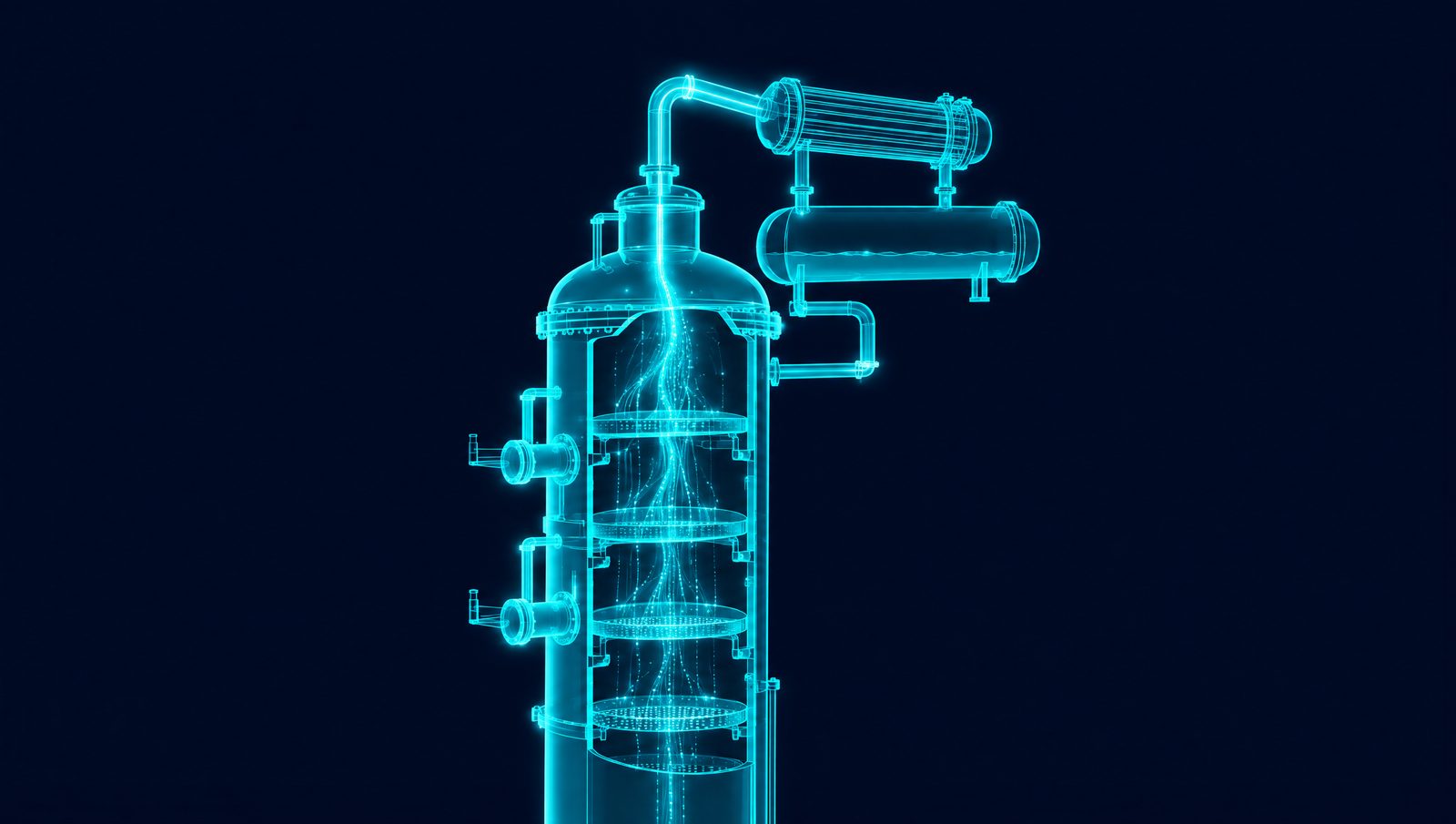
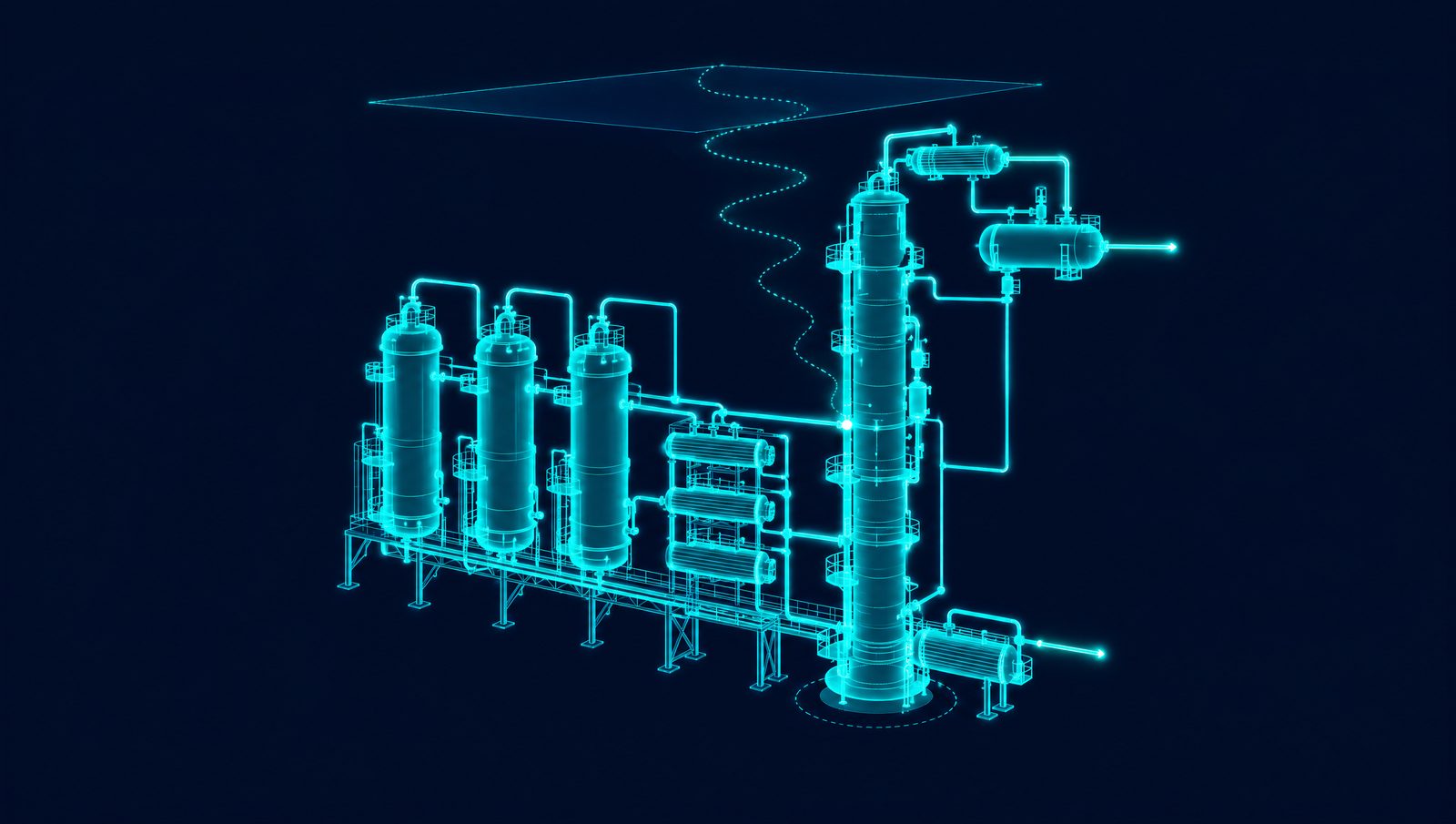
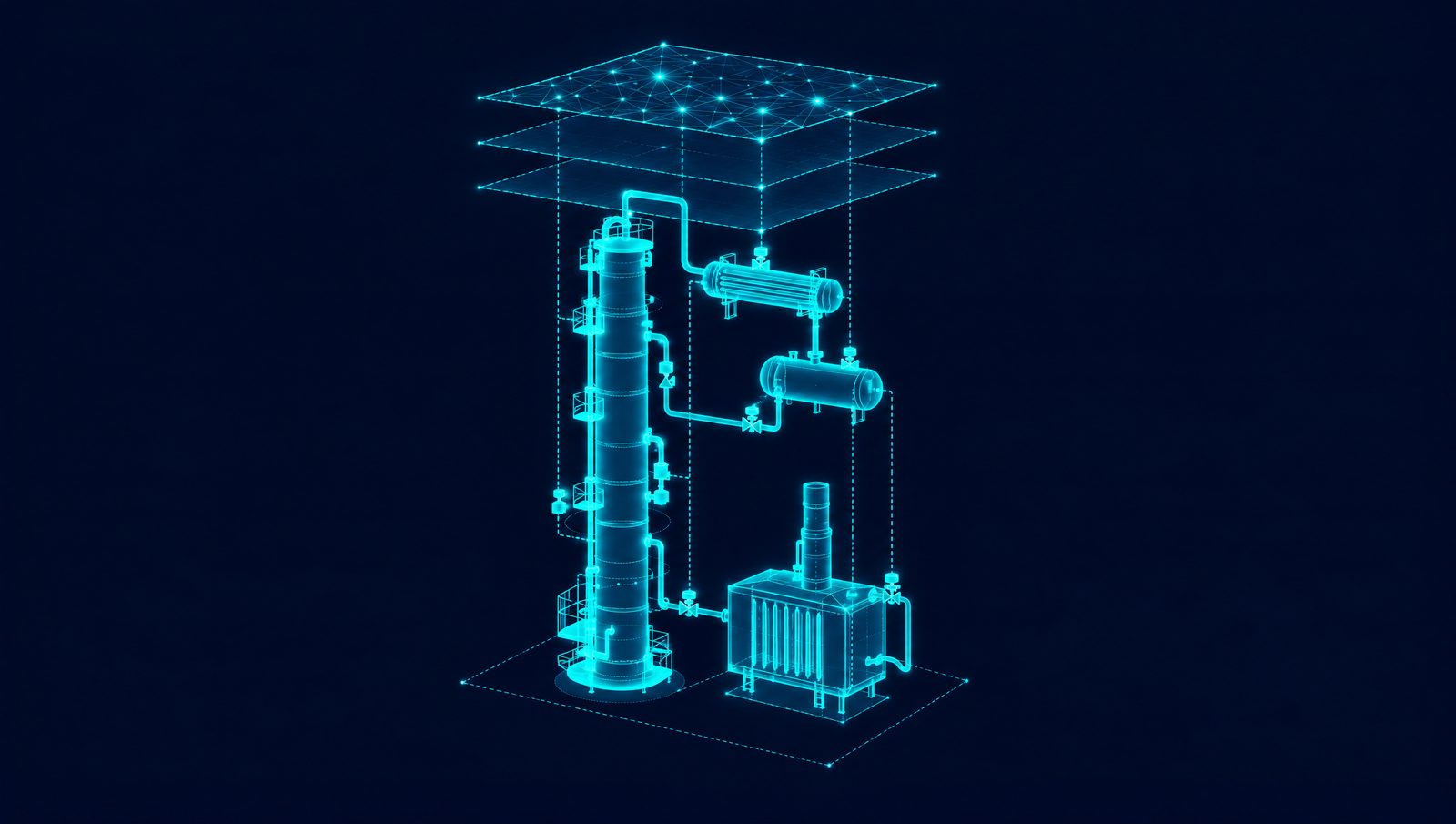
A learned approach starts from the operating history the plant already holds, in place of a step test. A process model learned from that history, guided by first principles, captures nonlinear behavior across the range the unit has operated in. A controller trained by reinforcement learning in simulation on that model learns how to move the unit toward its constraints. It sits on top of the existing APC and DCS and writes setpoints to them, so the plant does not need new control hardware or a large capital project. For how such a model differs from first-principles and linear models, see what a learning process model is.
Start with a scoped pilot
The hardest part of moving beyond APC is often organizational. The technical team has to show plant management that the approach adds value before it asks for a larger commitment. A focused pilot on the highest-value constraint loops does that while operators keep full control. The existing DCS and APC stay in place. The pilot shows whether a learned controller can improve on what they already do.
Pick the target and record a baseline
Pick one or two constraint areas where small improvements carry large returns: energy-intensive units, throughput bottlenecks, or quality-critical operations where multivariable optimization is hard for conventional APC. Record the current KPIs for energy intensity, throughput and emissions. That baseline is what the results will be measured against.
Check the historian. A learned model needs continuous, good-quality data that covers the operating scenarios the unit sees: feed changes, seasonal swings and the disturbances that matter. The more of the unit's operating range the history covers, the stronger the model.
The pilot then runs in advisory mode before anything writes to the DCS, as described in step 5 below.
What the pilot needs
- A complete DCS tag map.
- IT security approval for historian access.
- A cross-functional champion who coordinates operations, engineering and IT.
A six-step roadmap from APC to closed loop
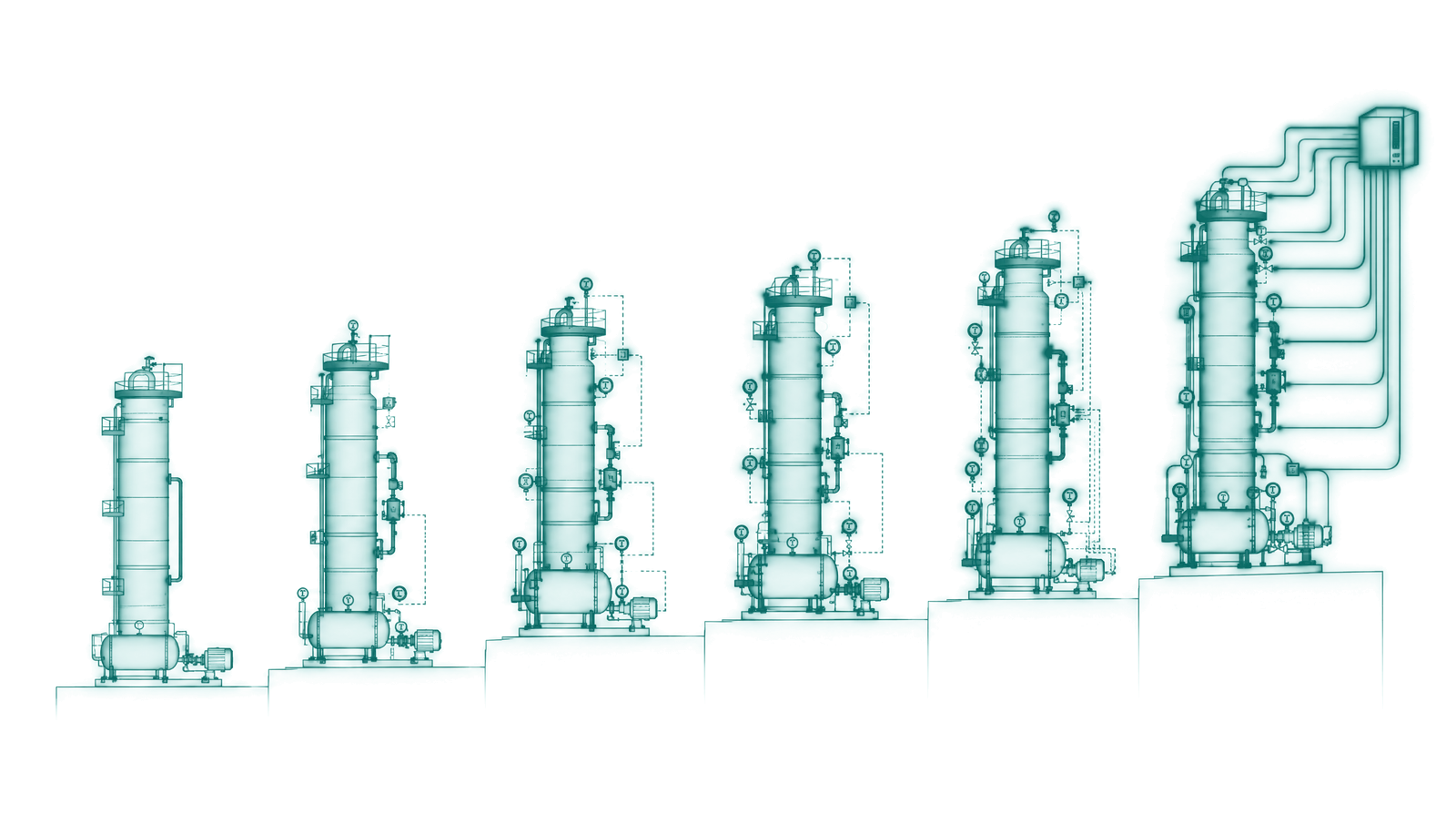
1. Define business-critical KPIs
The operations team sets the success metrics, such as margin dollars per hour, CO₂ per tonne of product and overall equipment effectiveness. The output is a prioritized KPI set with baseline values and targets. Plant management, process engineering and front-line operations should agree on what a meaningful gain looks like before any modeling starts.
2. Audit the existing control strategy
Process engineers list the active loops, document where performance varies, and map the interdependencies between units. The output is a ranked list of constraint bottlenecks and the opportunities with the largest margin at stake.
3. Clean and contextualize historian data
The IT and OT team validates historian tags and adds the metadata that connects process conditions to business outcomes. Fragmented and poor-quality data are major hurdles for industrial AI, so this step deserves real effort.
4. Build and train the model
The process model is learned from the historian data. The controller then learns a control policy through simulated trial and error with reinforcement learning. The deliverable is a model that performs stably across historical operating scenarios, with documented safety boundaries and constraint handling.
5. Validate in advisory mode
Operations and process engineering oversee a validation period in which the controller reads live process data and recommends moves without writing setpoints to the DCS. The team sees exactly what it would do and compares that with what operators did. Operators can question the logic and confirm that the model respects their constraints before anything runs in closed loop, which answers the black-box concern directly. Useful criteria include prediction accuracy inside the established safety limits and operator confidence in the logic, though there is no universal formal benchmark.
6. Move to closed loop
Plant management authorizes the transition once operator training is complete, safety interlocks are in place, and the management of change punch list is closed. The controller then optimizes setpoints continuously, and operators can take it out of service at any time.
Integration and change management
The technical path
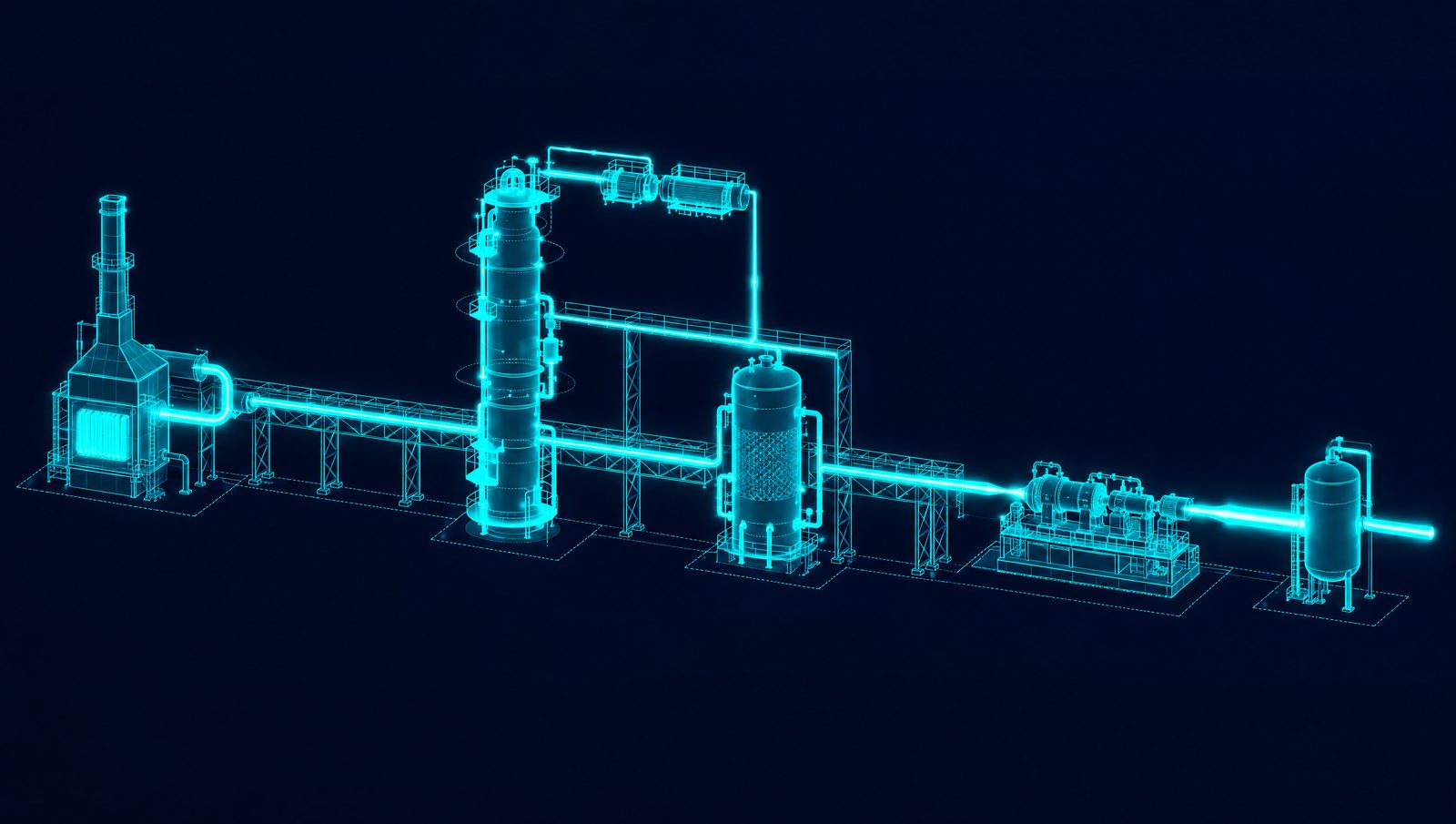
The plant historian feeds data through a secure edge gateway, and the controller writes setpoints back to the DCS or APC. The existing control system stays in charge of regulatory control and safety, so disruption to it is small.
Governance has to cover three areas:
- OT and IT cybersecurity protocols that protect both operational technology and information systems.
- Fail-safe interlocks that keep the plant safe during maintenance, unexpected failures or disengagement of the controller.
- Management of change documentation that satisfies corporate risk committees and regulators.
The workforce
Workforce adoption decides whether the system stays in service. Run operator workshops on offline simulators so teams can practice with the new system without affecting production. Put KPI scoreboards in the control room so energy, throughput and emissions results are visible to the people running the unit. Involve every operator, engineer and supervisor who works with the unit.
Common obstacles
- System compatibility. Solved with a modular deployment that connects to the existing DCS.
- Data management. Addressed with standardized data collection and clear data governance.
- Operator concern. Eased when the controller is positioned as a tool that extends operator expertise and stays, inside limits set by plant engineers.
- Cybersecurity requirements. Met with security assessments such as SOC 2 audits and air-gapped test environments.
Phase the work: start with a unit where the value can be measured, then scale. That builds internal champions and keeps operational risk low.
From optimized units to autonomous operation
The direction of travel is toward autonomous operation of critical units, with people setting the limits rather than steering every move. ARC Advisory Group calls this human-on-the-loop operation, in which the AI calculates and executes and the operator moves from manual controller to high-level supervisor. Plants get there one rung at a time, from deliberate decisions, to decisions augmented with recommendations, to autonomous closed-loop control, and each rung is earned with evidence from the one before.
How the Imubit Platform applies
The Imubit Platform follows this path in refining, chemicals and polymers, cement, and mining and minerals. Map traces each plan-to-plant gap to the recurring decision behind it. Model learns the unit's causality from its own history with Deep Learning Process Control® (DLPC®). Control takes the critical decisions to closed loop on top of the APC and DCS already in place, backed by over 100 closed-loop controllers deployed worldwide. See how the platform works.