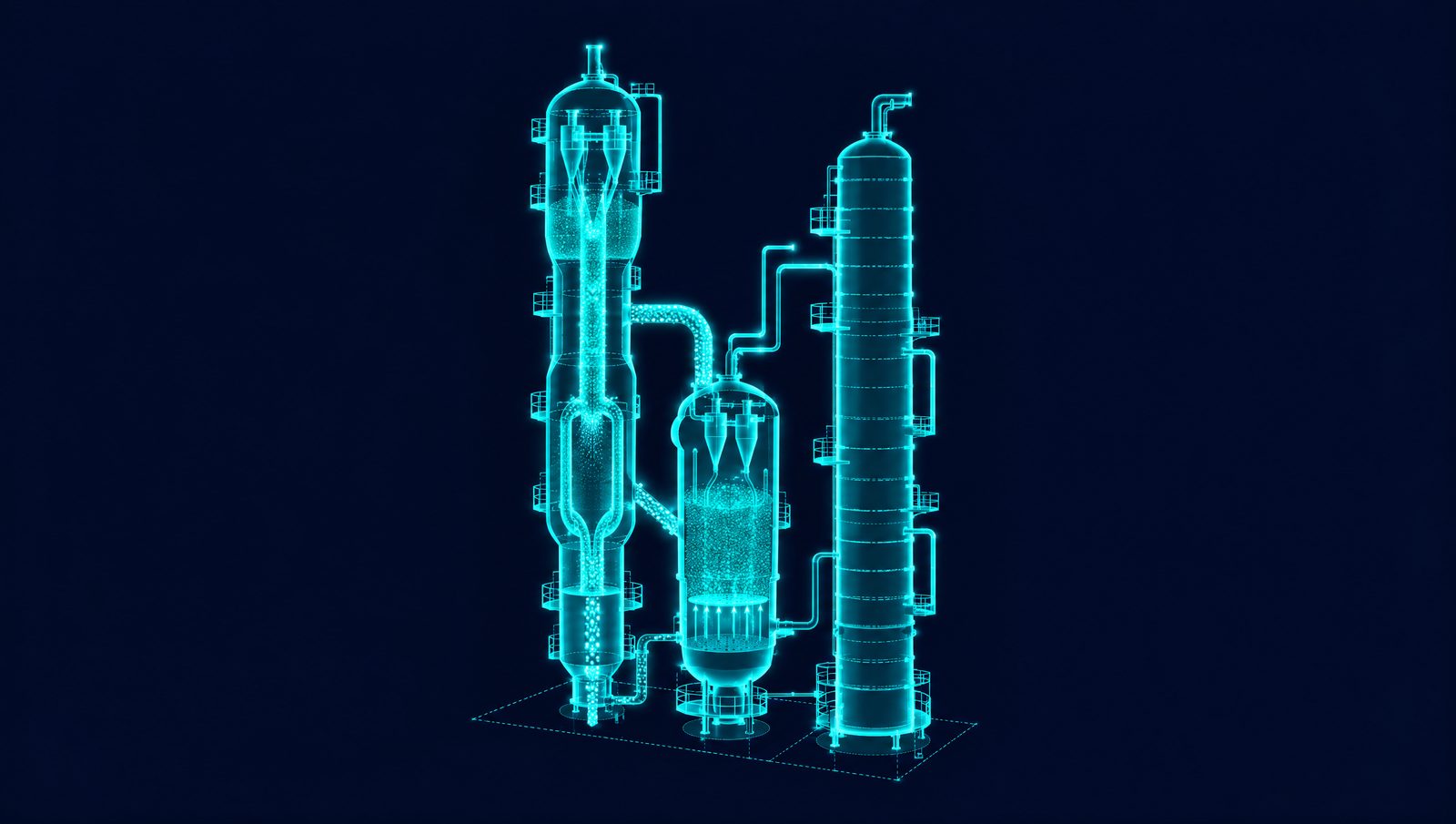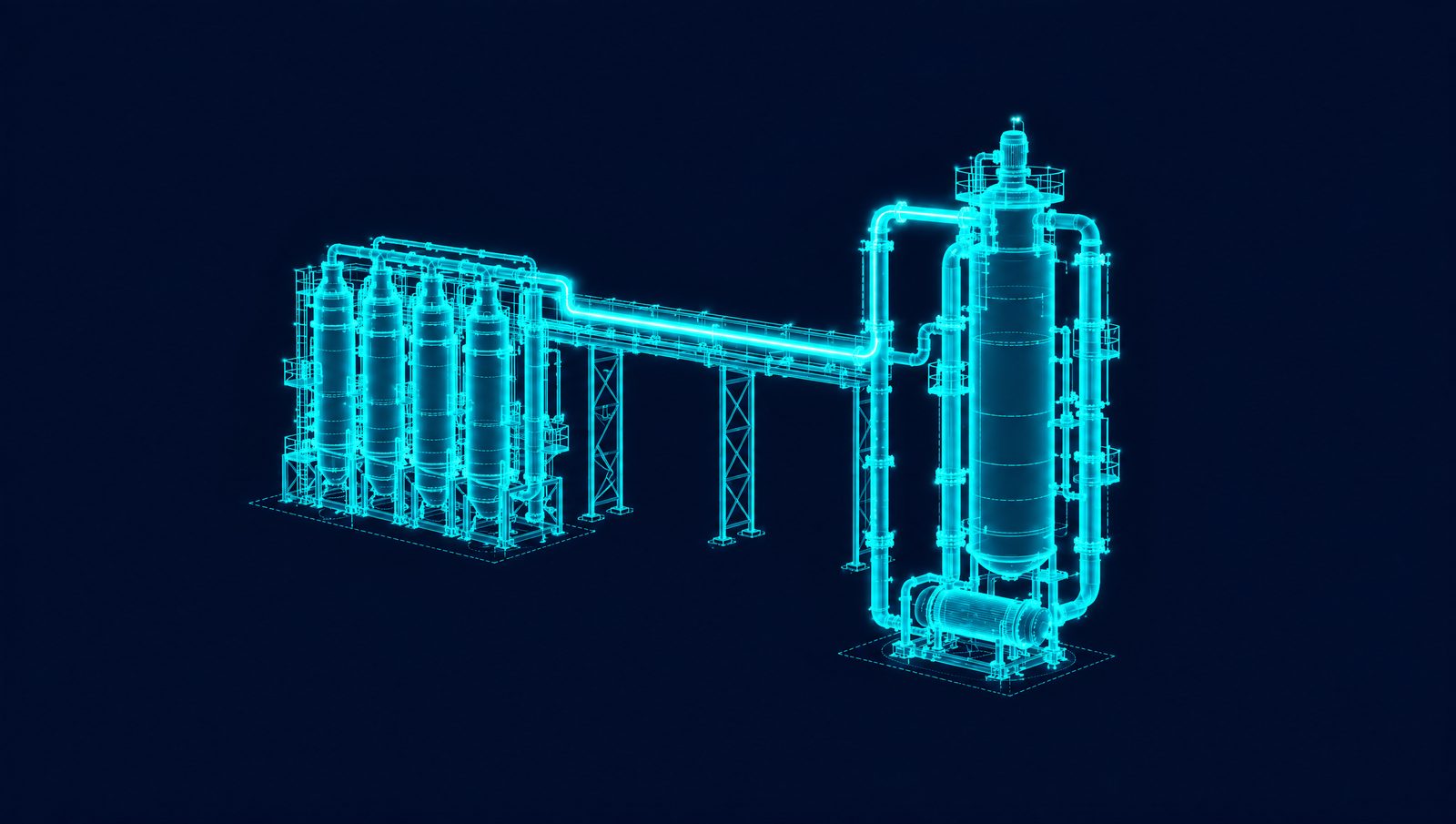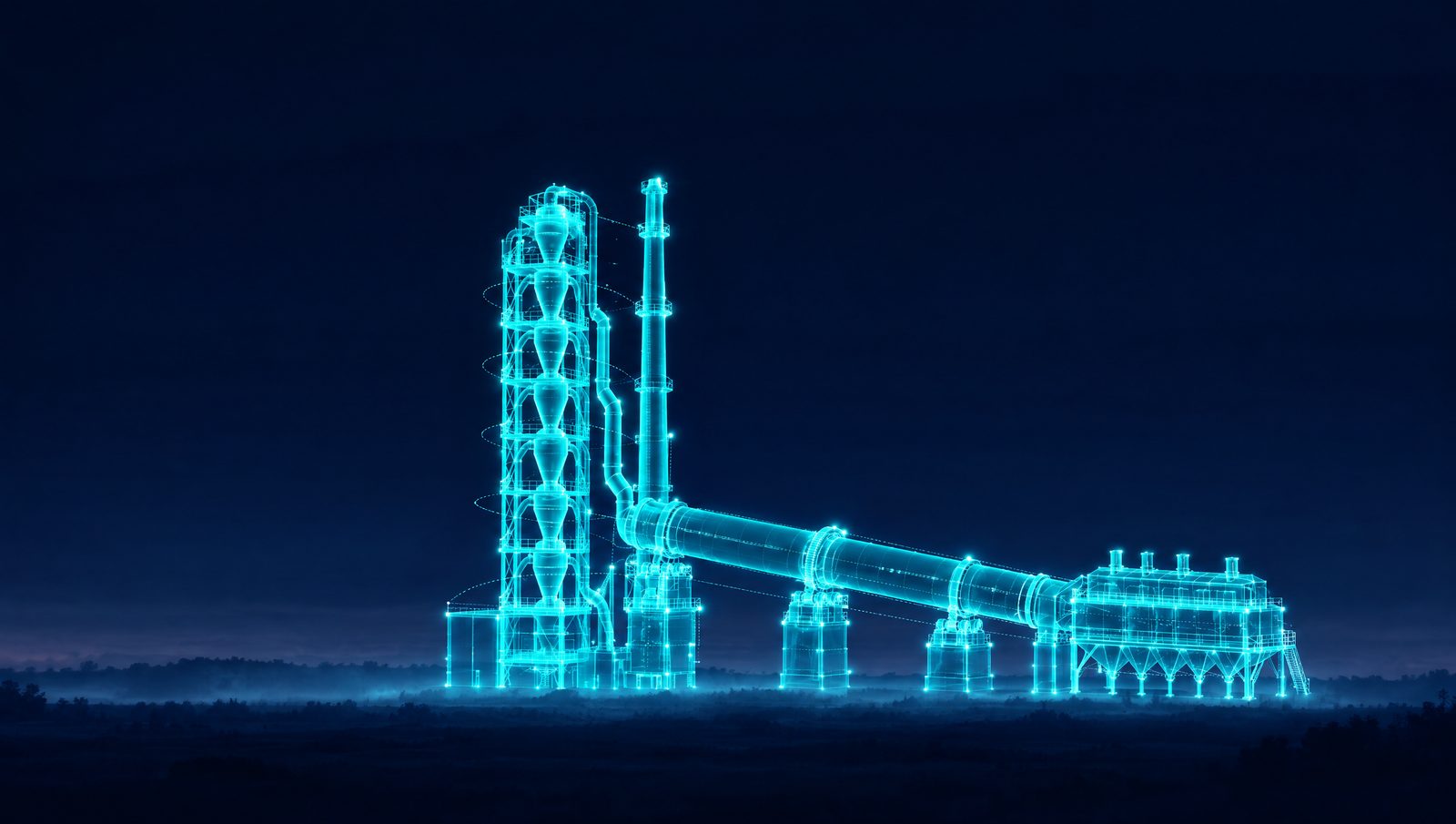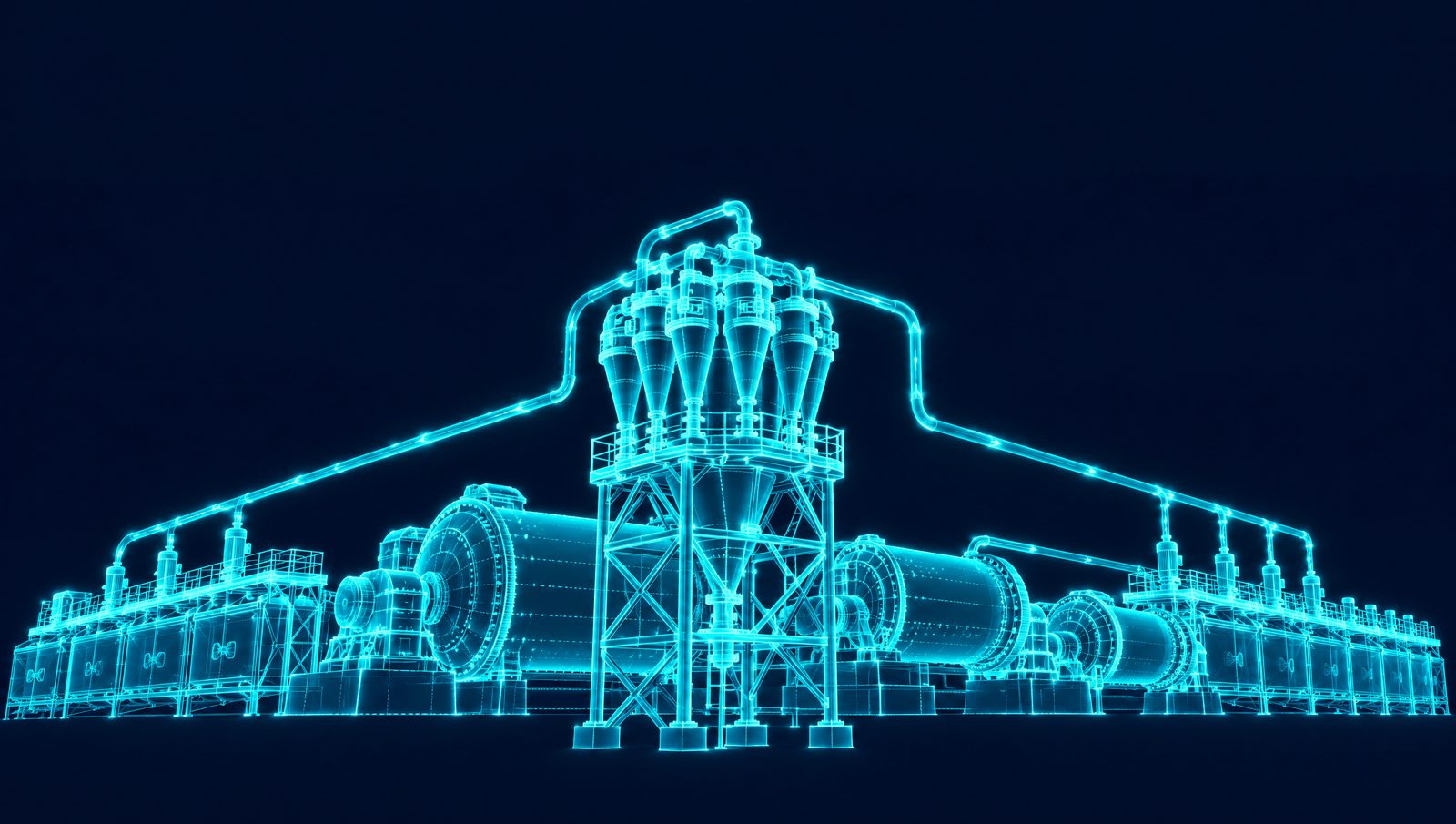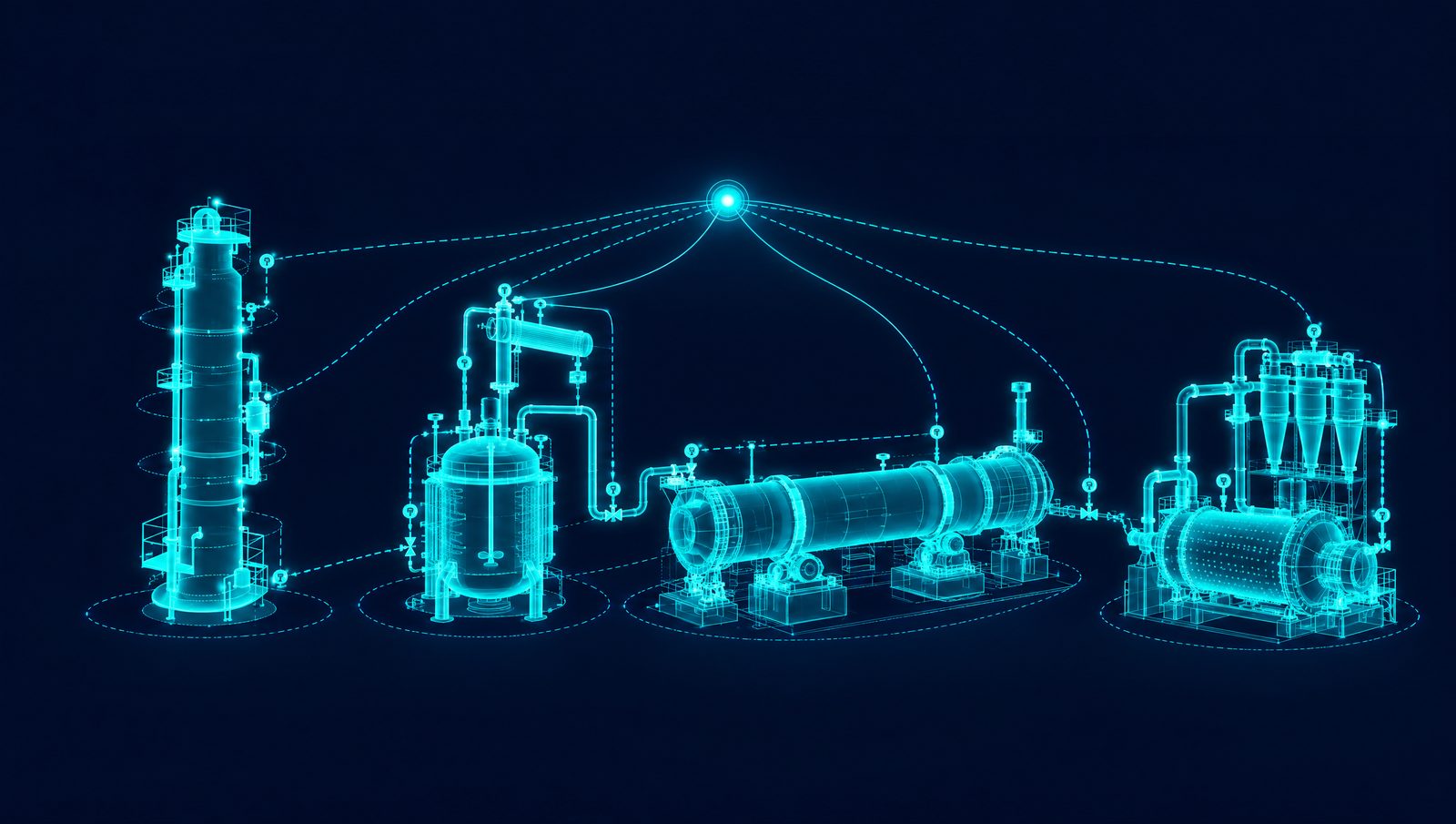
Wireframe of a refinery column, a chemical reactor, a rotary kiln and a grinding mill linked by one control loop
Customers

Customers and results

Plants in refining, chemicals and polymers, cement, and mining and minerals use Imubit to take critical operating decisions to closed-loop control, inside the envelope their engineers set. Each result here carries the unit and scope it applies to.

  • Over 100 closed-loop controllers deployed worldwide, the largest install base in the industry
  • 7+ years of closed-loop engagement in production
  • 7 of the top 10 U.S. refiners trust Imubit

Imubit is the only commercial solution applying closed-loop reinforcement learning at scale in a production environment.

Named references

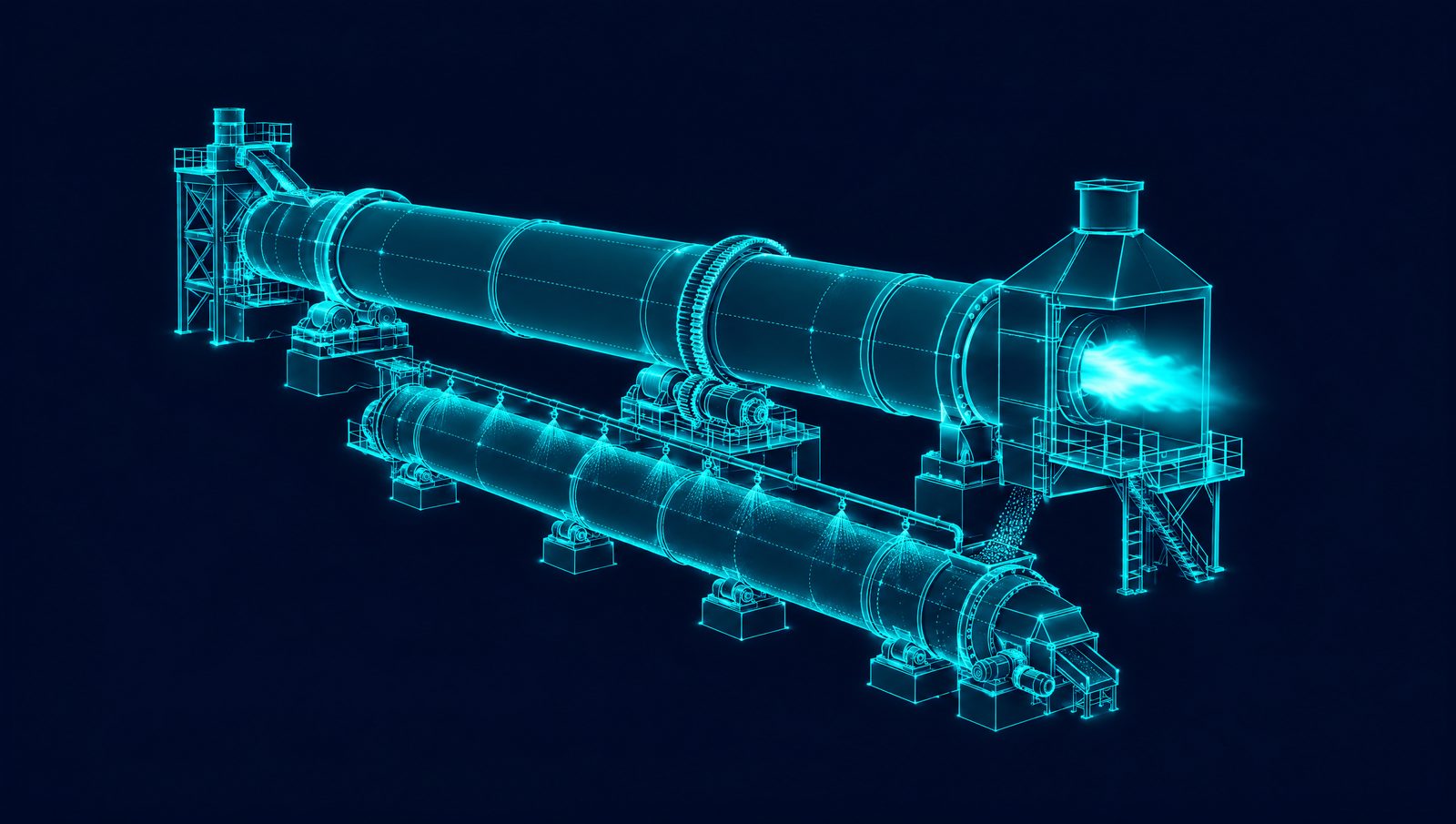
Rotary kiln calcining petroleum coke, with its burner hood and rotary cooler
Industry
Petroleum coke calcining
Unit
Rotary kiln
Control
Closed loop

Oxbow, a producer of calcined petroleum coke, runs its rotary kiln operations in closed loop with Imubit. The operation was under pressure to raise yield while reducing energy consumption. The controller anticipates volatility in the process and adapts the kiln's operation to it.

We have these younger, newer engineers that are coming in place of 30 year employees, who no longer have to wait 30 years to acquire that experience. With Imubit, they have an opportunity to come in and make their mark on the organization.

Kris Kissel-WeirVP, Manufacturing Systems & Data Analytics, Oxbow
Result

The kiln runs for higher yield and better energy efficiency while it consistently meets product specifications.

Oxbow's SmartKiln® petroleum coke calcination decarbonizes through that yield improvement, producing more calcined coke from the same kiln.

Read the Oxbow story
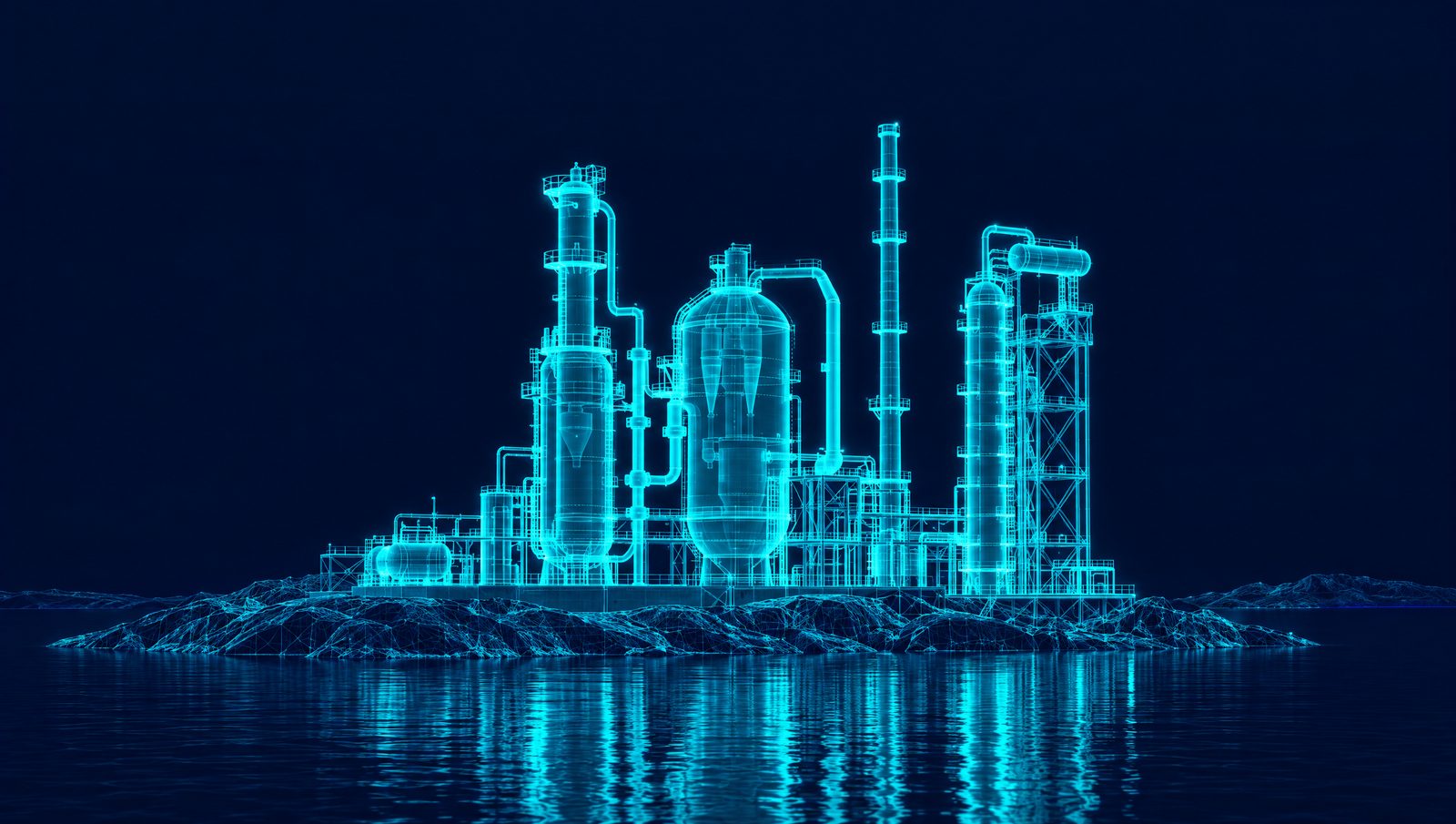
Fluid catalytic cracking unit with its reactor, regenerator and main fractionator at a coastal refinery
Industry
Refining
Unit
Fluid catalytic cracking (FCC)
Site
Lysekil refinery, Sweden

Preem, Sweden's largest fuel company, partnered with Imubit in 2025 to apply closed-loop optimization to the fluid catalytic cracking (FCC) unit at its Lysekil refinery.

Working with Imubit allows us to leverage cutting-edge AI to optimize our renewable processes while minimizing our carbon footprint.

Erika WikströmSVP of Technology, Preem
Aim

Reduce emissions and fuel use by improving the unit's yield profile and stabilizing the refinery's fuel gas balance.

Read the Preem announcement

How operators stay in control

ARC Advisory Group calls this kind of closed-loop control "human-on-the-loop". The AI calculates and executes, and the operator moves from manual controller to high-level supervisor. Imubit's closed-loop applications run this way.

  1. Deep Learning Controller calculates and executes
  2. Existing APC or DCS receives the setpoints minute by minute
  3. Operators can take over at any time

Results from anonymized deployments

Each result comes from one customer, anonymized by industry and unit. It is not a platform average, and it applies to the unit and scope stated with it. Closed loop marks results from Deep Learning Process Control® (DLPC®) running in closed loop. Model marks results from a DLPC® model of the unit that operators and engineers use to guide their decisions.

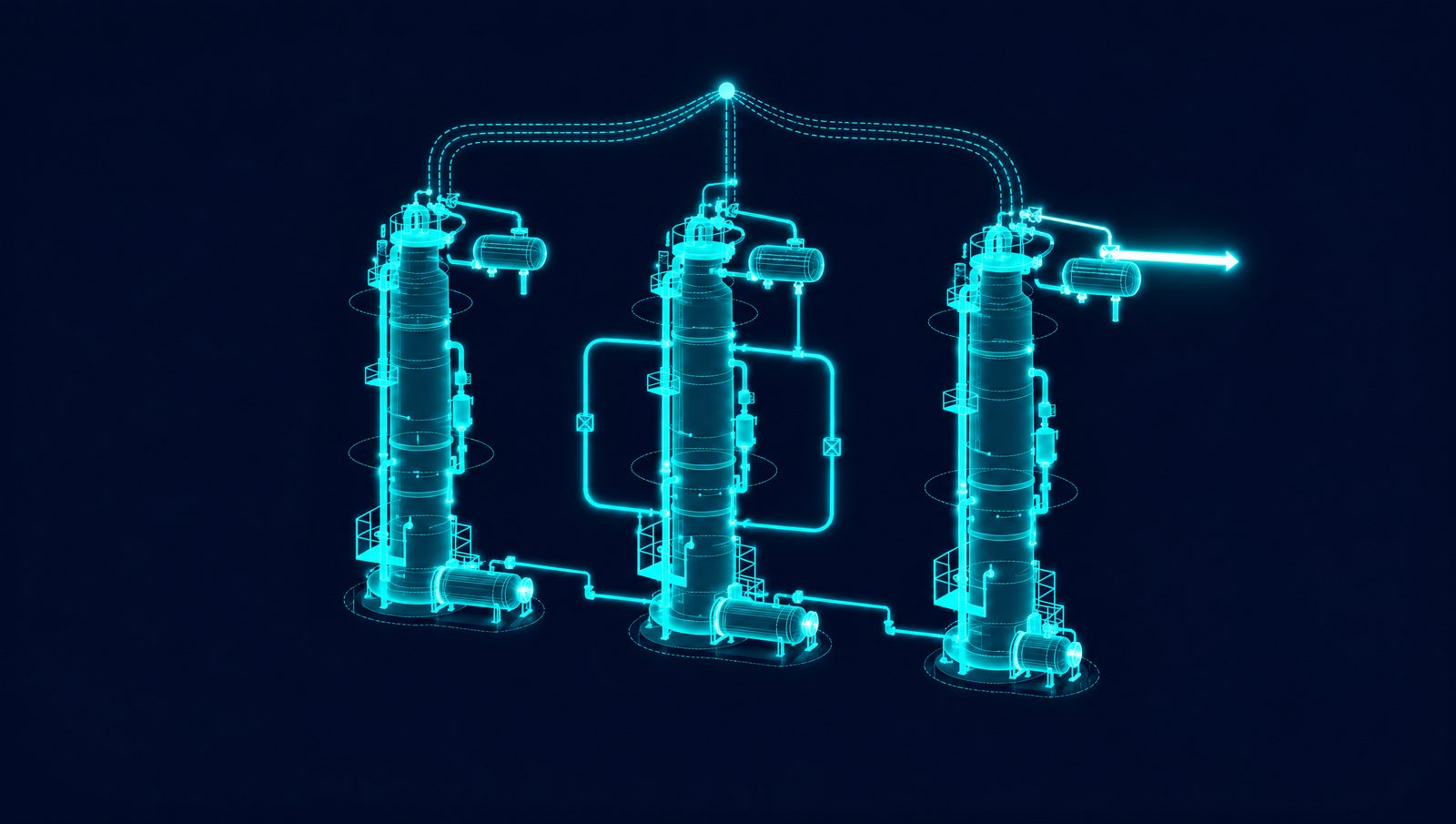
Three fractionation towers in a refinery naphtha and jet complex under one closed-loop controller
Naphtha and jet complexClosed loop

Refinery coordinates three fractionators to recover more jet

Challenge Fouling made three similar fractionators perform differently, and optimizing them one at a time left the complex giving away jet.

Result

2 to 3%

increase in jet recovery on top of existing APC, in one refinery naphtha and jet complex.

Downtime across the three-tower system fell, and steam use dropped as fouling was reduced.

How it worked

The complex runs the three towers under a mix of APC and regulatory control. DLPC® runs in closed loop on top of the existing APC, inside limits the site's engineers set. It adjusts the key operating handles to maximize margin and distributes load across the three towers according to each one's actual fouling and yield profile, reconciling system goals with individual equipment limits every few minutes.

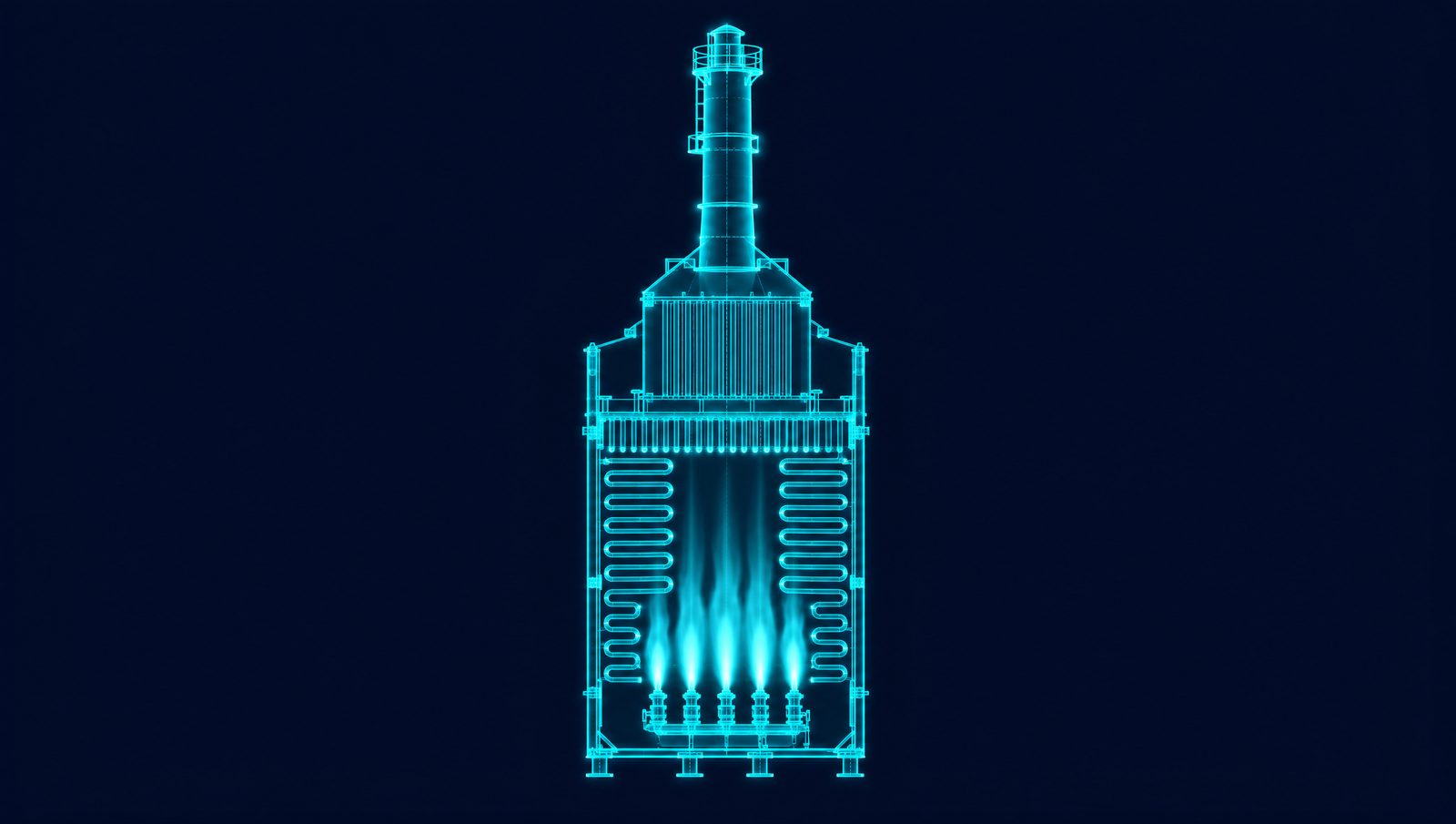
Cutaway of a crude unit fired heater with its burners, radiant tube coils and convection section
Crude furnaceModel

Refinery restores furnace reliability and reselects crudes after a spec change

Challenge After the 2020 IMO fuel oil specification change, a new crude diet raised furnace fouling, shutdowns and maintenance costs.

Result

33%

reduction in furnace downtime, on one crude furnace at one refinery after the 2020 IMO specification change.

The crude strategy was updated, with two high-risk crude types identified.

How it worked

Neither first-principles models nor traditional troubleshooting could explain the fouling rate. A DLPC® model trained on the unit's own operating history predicted fouling behavior and isolated the root causes behind changes in fouling rate, so operators could weigh profitability against reliability with evidence. The same model supported a crude diet study that quantified reliability impact by crude type and now informs crude selection.

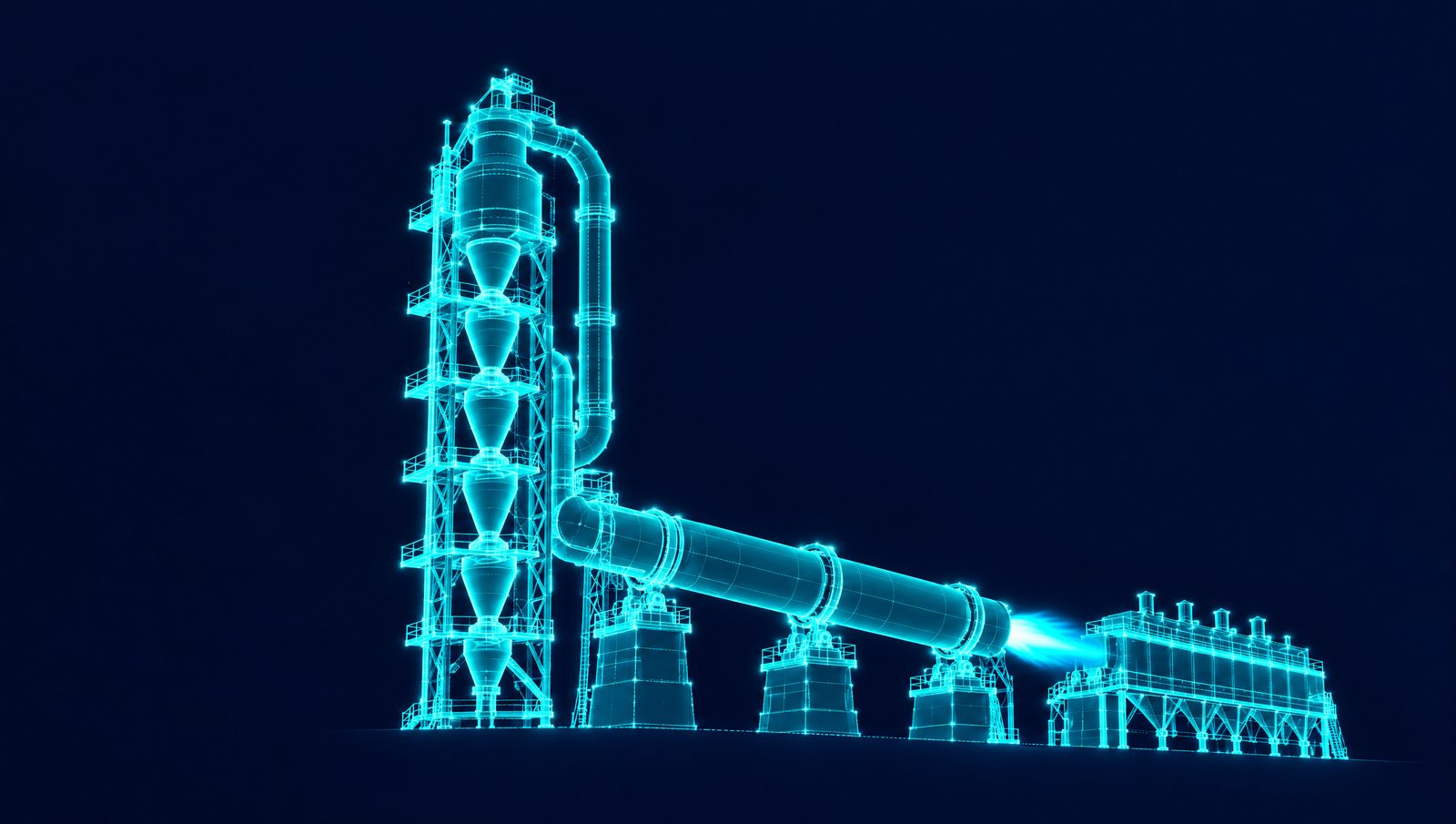
Preheater tower, rotary kiln and clinker cooler of a kiln pyroprocess
Kiln pyroprocessClosed loop

Kiln holds thermal control in closed loop

Challenge Burn zone temperature and product density drifted with feed and fuel, costing energy efficiency and yield.

Result

20 to 30%

reduction in process variability, on a kiln pyroprocess in closed loop.

How it worked

Kiln operations struggle with operability and consistency, and energy efficiency and yield are the two drivers that matter most in a pyroprocess. DLPC® runs the kiln in closed loop, holding burn zone temperature and product density on target as conditions move. It keeps re-optimizing toward energy efficiency and yield within the operator's constraints.

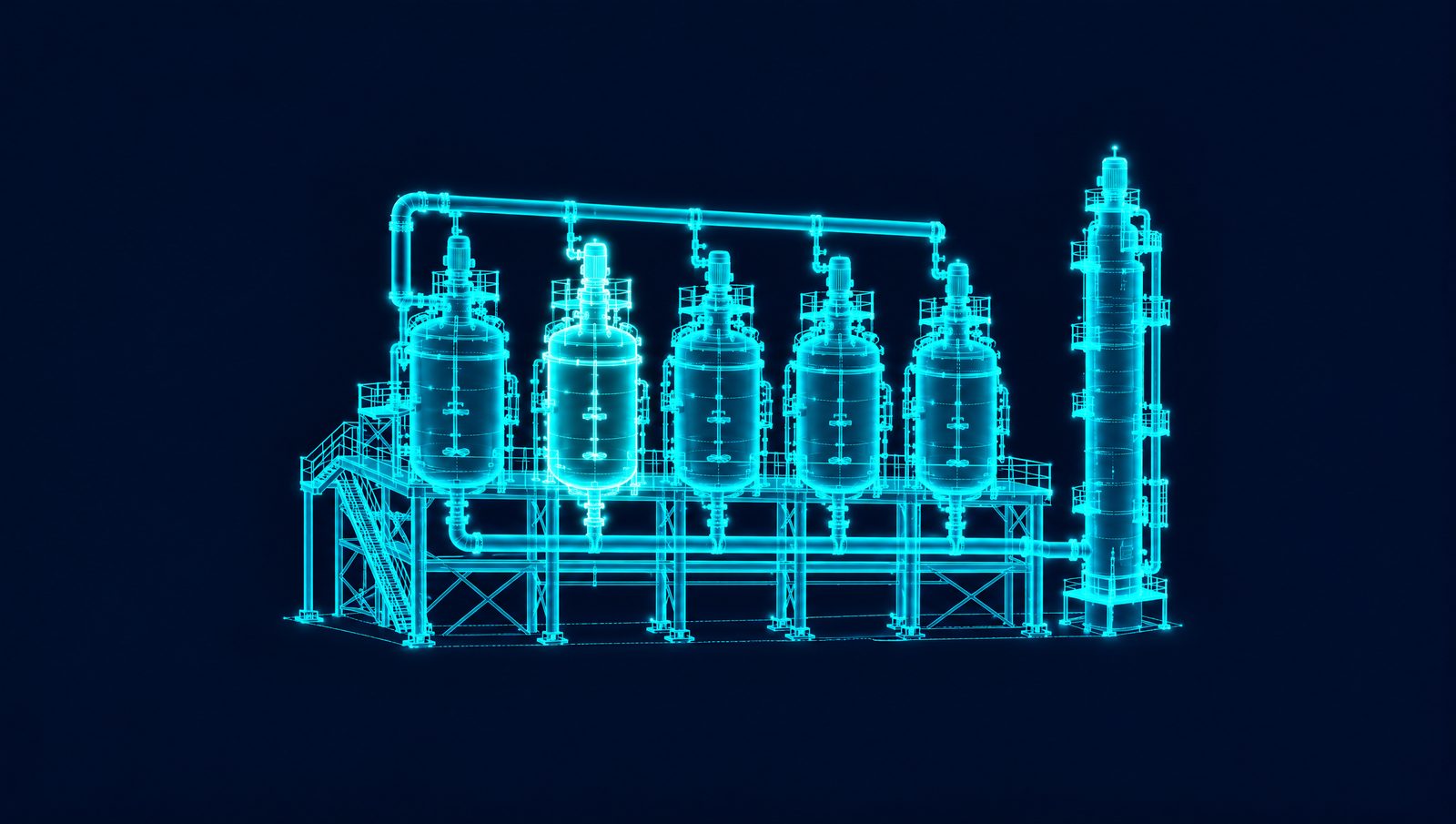
A row of parallel reactors in a chemical plant's critical unit, one reactor glowing brighter than the rest
Critical reactor unitModel

Chemical plant lifts yield across a dozen operating regimes

Challenge A critical unit ran across more than a dozen operating regimes that had never been optimized as a set, as feedstock costs rose sharply.

Result

0.5 to 1%

increase in yield, reducing feed costs, across multiple sites, on one critical unit at a multi-site chemical manufacturer.

Low-performing reactors were identified and the reactor strategy updated.

How it worked

Every point of yield became feed the company did not have to buy, and the team needed a way to find it without plantwide step tests. A DLPC® model built on the site's own historical data captured yield shifts too small to see by eye and too costly to reproduce with step testing. It shows which reactors carry the highest yield in each regime, so operators prioritize them with evidence rather than by trial and error.

Platform figures and their scope

Each figure applies within the scope shown with it.

  • Refining$0.25/bbl margin improvement
  • Across deployments1 to 3% average yield improvement
  • Where energy is the optimization target15 to 30% reduction in energy consumption
  • Mining, minerals and metals1 to 3% metal-recovery improvement
  • Mining, minerals and metals5 to 10% grinding-energy savings
  • Mining, minerals and metals2 to 5% throughput increase
Where to start

Find out what your gap to plan is costing you.

We start by mapping your highest-impact plan-to-plant gaps and the operating decisions to model and control to close them.

  • One to two hours for your team to prepare and upload the data package

  • Results within a few working days of approval

  • No workshops

Send your data as it is. Gaps, outages and noisy tags are normal, and our engineers screen and clean them in the platform. If anything limits a use case, we tell you.