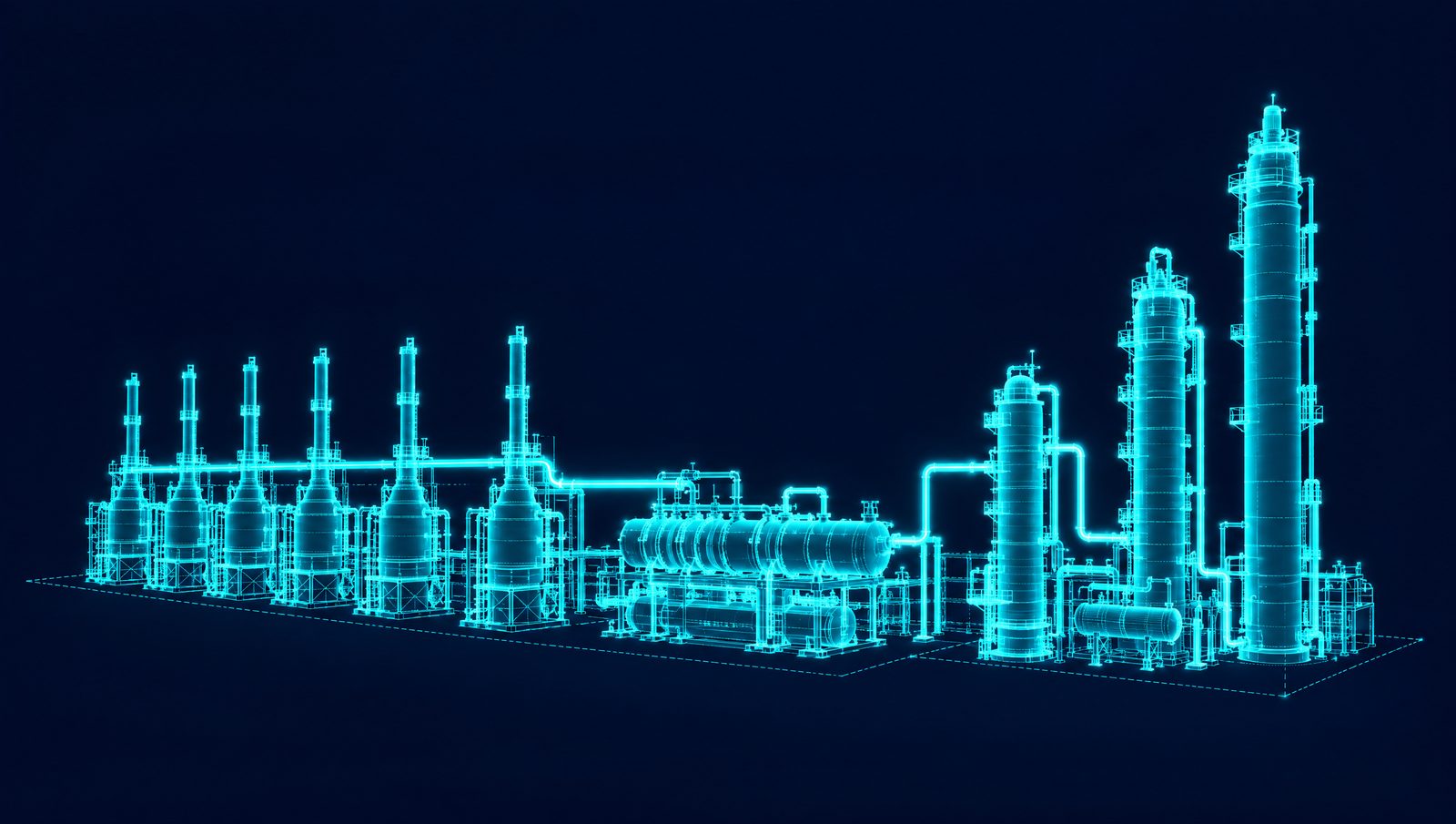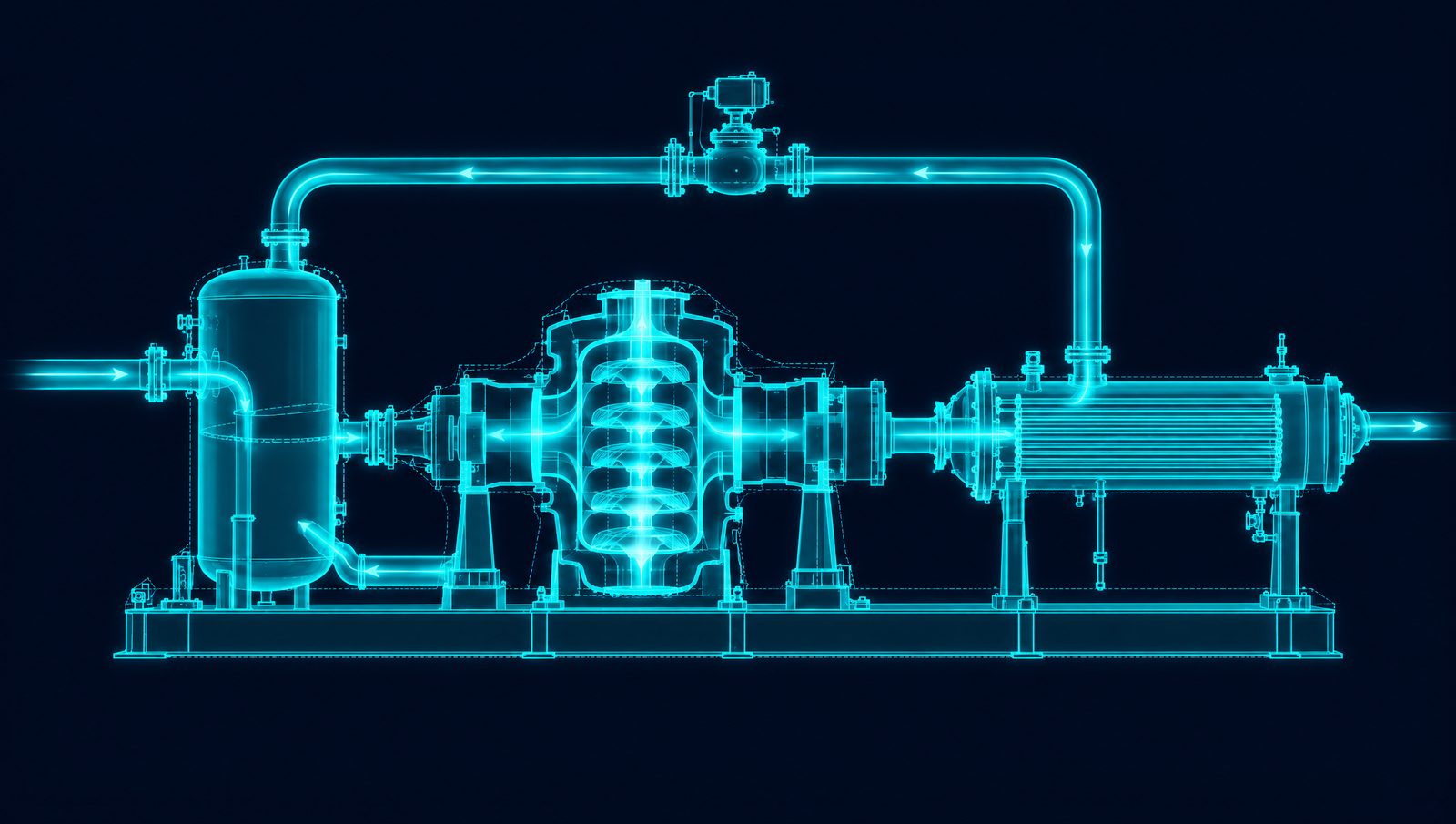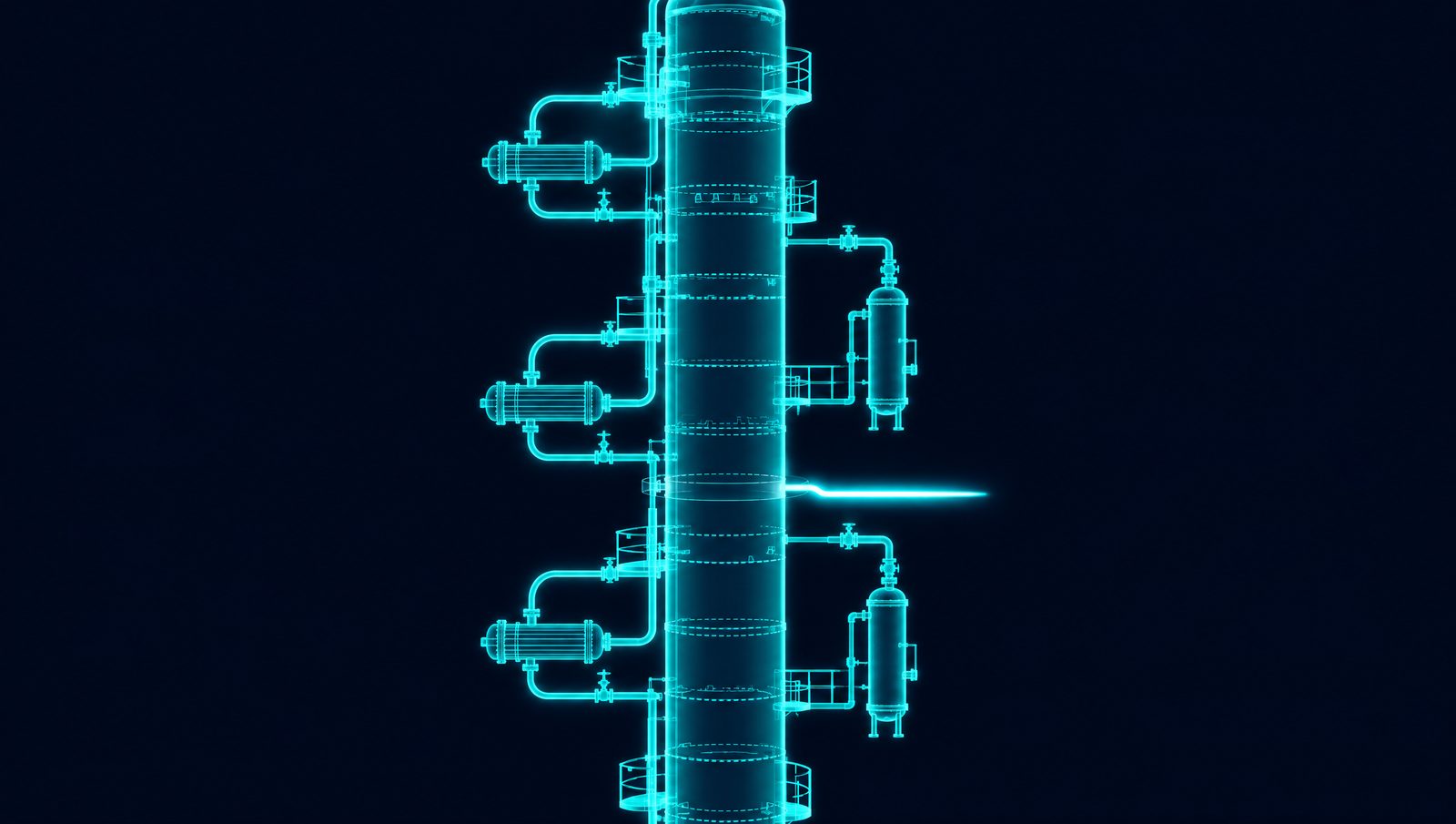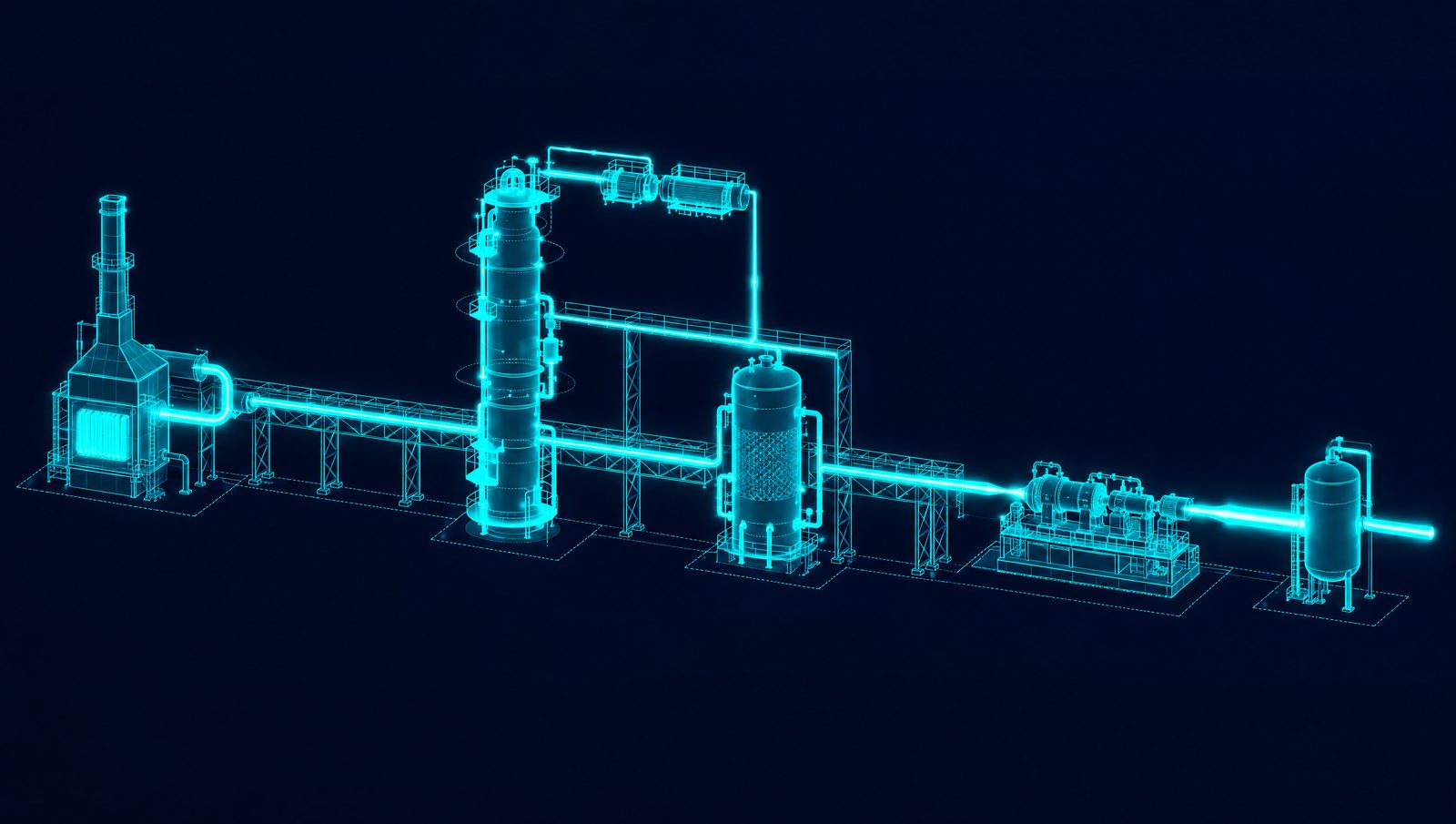
In refining, petrochemicals and specialty chemicals, more throughput has traditionally meant more equipment: new heat exchangers or compressors, retrofitted control systems, or a parallel production line. Those projects can cost tens or hundreds of millions of dollars, take years of planning, and disrupt operations while they are built.
Many plants now look for the capacity already inside their existing units before they commit capital. Learned process models built from historian data can show where the real constraint sits, predict how the plant will respond to a change, and adjust setpoints within process and safety limits as conditions shift. This article covers how that works and what makes the gains last.
The limits of capital debottlenecking
Capital has been the standard way to relieve a throughput constraint for decades, and its drawbacks are well known.
- Cost. Each project typically runs to millions of dollars.
- Time. Planning and execution often take years.
- Risk. The return has to clear the hurdle rate after the cost of disruption during construction and startup.
- Incomplete results. Upgrades often deliver less than planned because they do not address the operating inefficiencies around the equipment.
Relieving one bottleneck also tends to expose the next one. The constraint moves to another section of the process, and that section caps the gain.
Finding capacity in the existing plant
Optimization on existing assets starts with the plant's historical sensor data. From it, a model of the plant's behavior is learned, specific to that process, and updated as new data arrives.
The model can identify hidden constraints and nonlinear interactions between units that are too complex for conventional control or manual analysis to detect. A controller then adjusts setpoints within the established process and safety limits, and keeps adjusting as feed, ambient conditions and production targets change. The capacity comes from running the existing equipment closer to its real limits, without new hardware.
Practices that make the gains hold
Start with a high-impact, low-risk application
The starting application should have a measurable impact on throughput or margin. It should sit in a well-instrumented, data-rich process area, so the model has enough information to learn from. It should contain a known bottleneck or critical constraint. And it should stay clear of regulatory requirements and safety-critical operations.
Typical examples:
- Crude distillation. Maximize feed rate to the crude unit while keeping furnace coil outlet temperatures within safe operating limits.
- Reactors. Push throughput without breaching the conversion or selectivity limits that govern product quality and yield.
- Compression. Run compressors closer to their surge limits without crossing into the unstable zone that threatens equipment integrity.
Each of these recovers capacity inside existing equipment without compromising safety, reliability or quality. A clear result on one unit builds trust in operations and gives the plant a basis for extending the approach to others.
Look for the system constraint behind the equipment limit
Operators naturally watch local constraints such as furnace duty, reactor temperature or column pressure. Those limits matter, but they can hide the true throughput limit of the system, and a narrow focus on them misses gains across the wider process.
A model of the connected units can expose hidden or moving constraints. It looks at how multiple control loops interact, tracks real-time trends alongside delayed effects, and weighs trade-offs between constraints that are too complex to work through by hand.
Pushing a distillation column harder, for example, can look like a way to raise throughput but reduce product yield downstream. A model that captures that cause and effect can find the operating point that balances the competing constraints across the whole system. The same reasoning applies when debottlenecking petrochemical plants, where the constraint often moves after each fix.
Make every move transparent to operators
The systems that last work with operators rather than around them. They should explain each recommendation in plain language and show in real time how performance and key performance indicators respond, so teams can see the value for themselves.
The interface matters too. Operators engage with systems that fit their daily workflow and do not demand a steep learning curve. In the early stages, operators review and approve each move in advisory mode before the controller writes setpoints in closed loop. In closed loop, operators still set the limits, the arrangement ARC Advisory Group describes as human on the loop.
When operators trust the system, they use it, and steady use is what turns individual moves into consistent, measurable results across the plant.
Keep the models current as the plant changes
Feedstock changes, ambient conditions vary and production targets shift, so a static model loses accuracy. Models should be retrained on recent operating data so decisions stay accurate as conditions evolve. Constraints and boundaries should be updated when process variables, feed quality or production goals change.
The system should also detect when a model starts to drift, whether from changing conditions, equipment degradation or unexpected anomalies, so the drift is corrected before it erodes the throughput gain.
Measure, document and extend
After the starting unit, set up a feedback loop. Measure the gains, such as the percentage increase in throughput or the daily revenue uplift. Document what was learned in internal playbooks that guide the next application. Then pick the next unit, starting with similar systems or bottlenecks, and look for patterns that carry over: repeatable configurations, recurring constraints and common control problems.
Why process knowledge still matters
Generic AI tools often miss the details of complex manufacturing processes. Their recommendations can fail to improve performance, introduce safety risks or erode operator trust, which ends adoption. Look for a provider that understands chemical and energy operations and has a track record in refineries, chemical plants and polymer facilities. Look also for an approach that involves your own engineers and operators in designing and building the solution. Models grounded in real plant knowledge are more likely to be accepted, understood and used.
How Imubit applies this
Imubit applies Map, Model and Control to throughput constraints across refining, chemicals and polymers, cement, and mining and minerals. Map traces lost throughput to the recurring decisions behind it. Model uses Deep Learning Process Control® (DLPC®) to learn a nonlinear dynamic model of the connected units from their own history, guided by first principles. Control takes the critical decisions to closed loop, writing setpoints to the existing APC and DCS minute by minute, inside limits set by plant engineers, on the equipment already in place. Imubit has over 100 closed-loop controllers deployed worldwide. Read more about the platform.