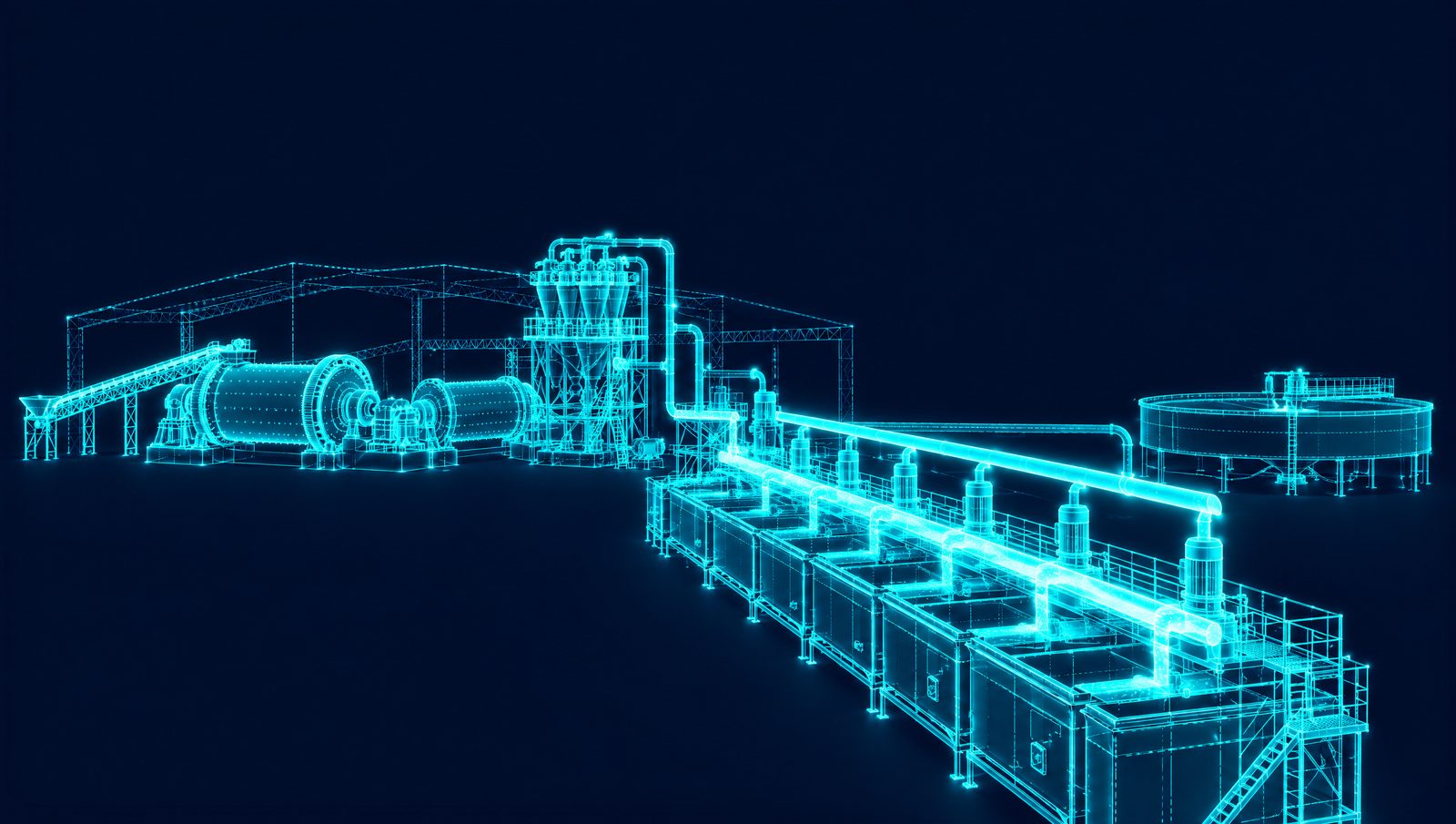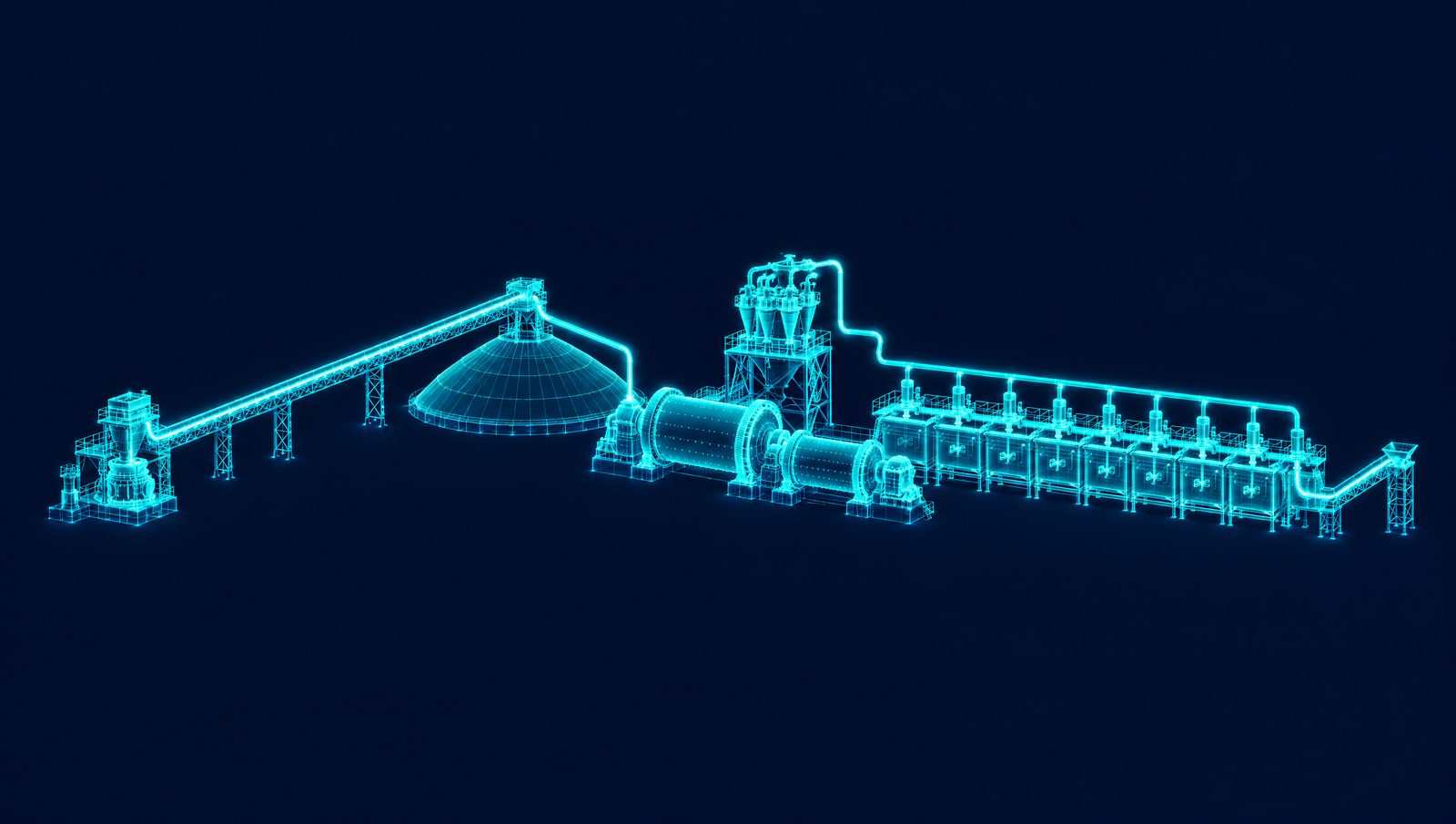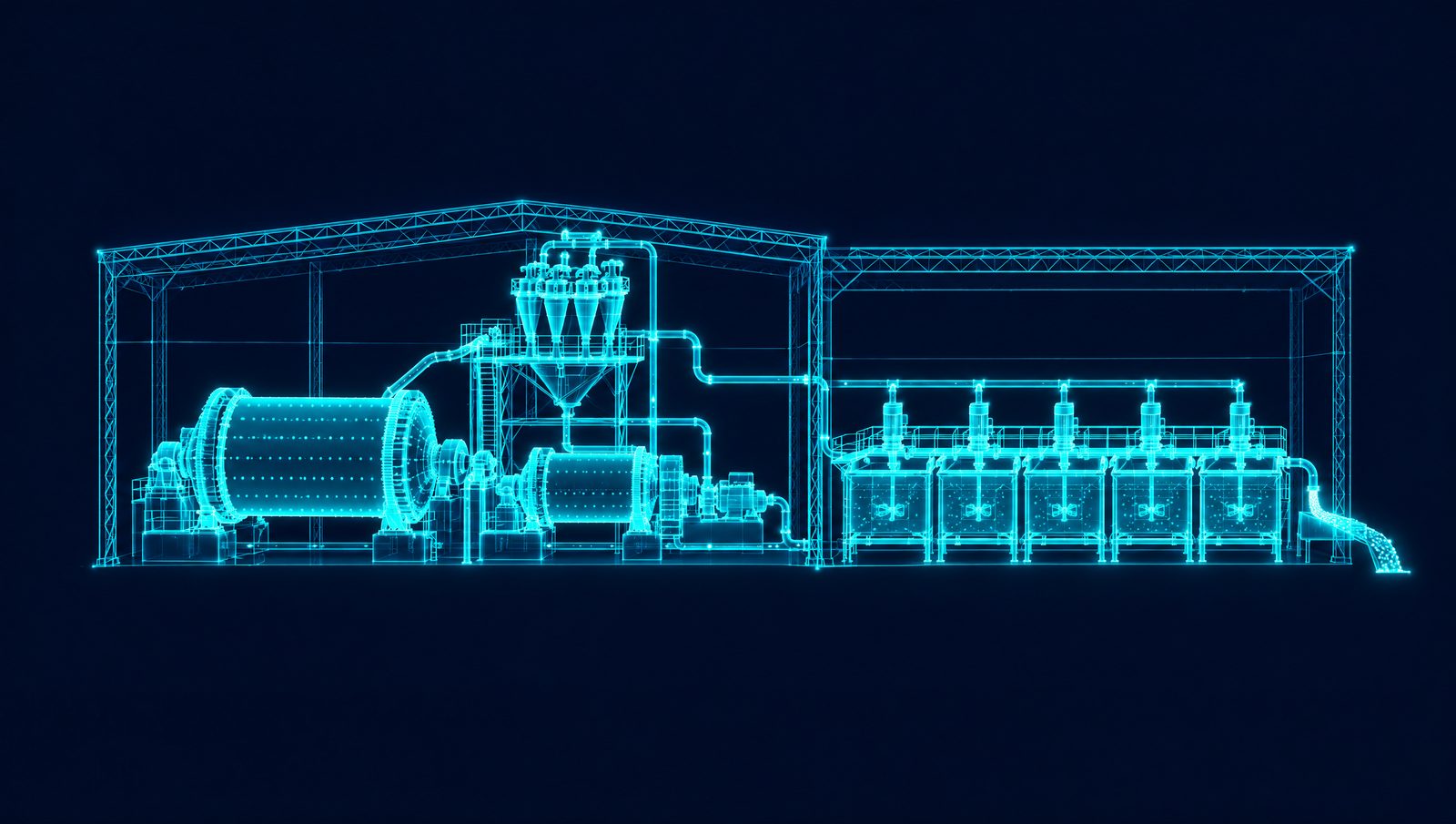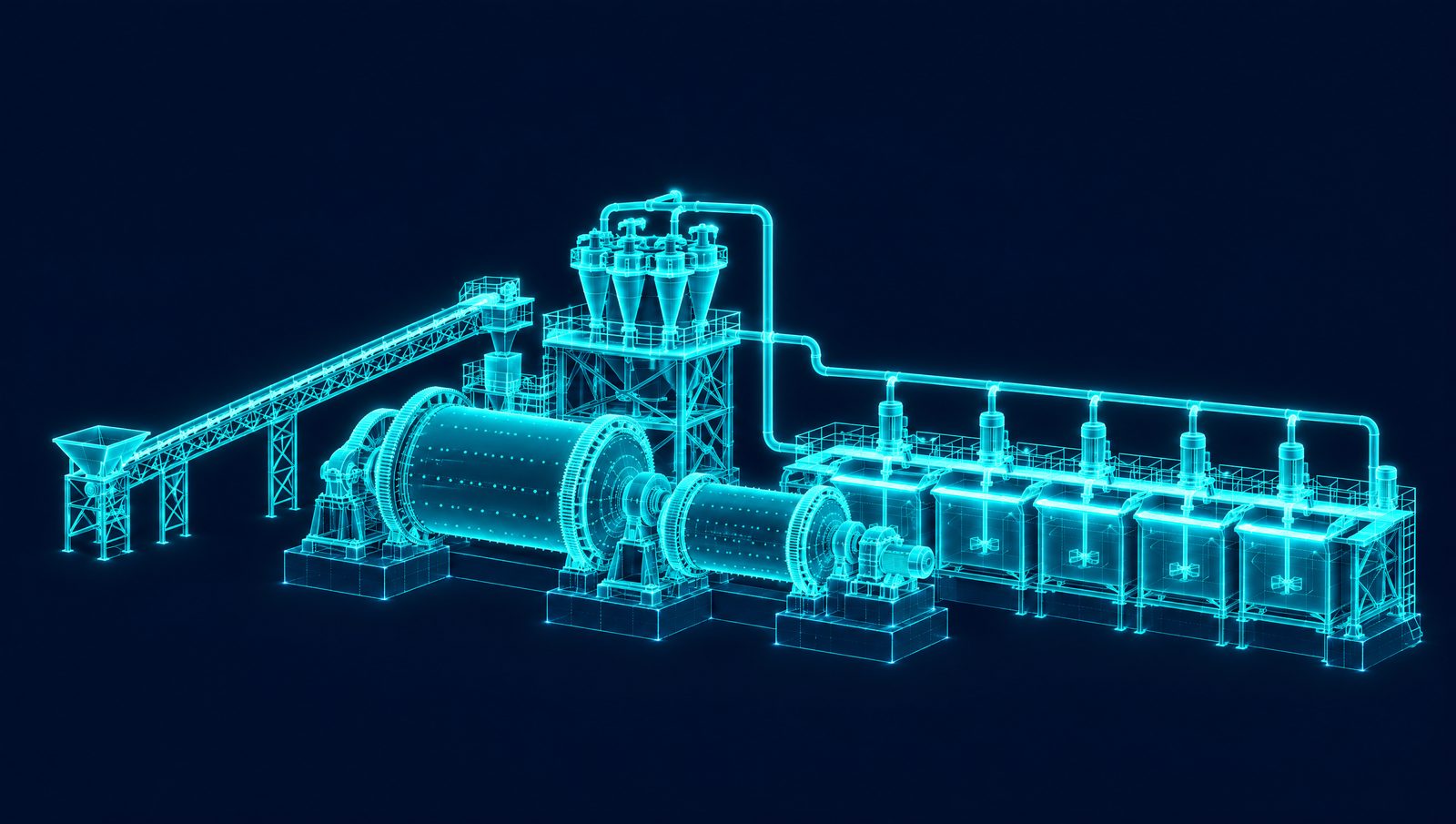
Mining supplies the lithium, cobalt and copper that electric vehicles, wind turbines, solar panels and grid infrastructure depend on. Mining and mineral processing are also significant sources of industrial carbon emissions, because extraction and processing use a great deal of energy. The industry has to raise output and lower emissions at the same time.
Copper shows the tension. Electrification is expected to push copper demand ahead of projected supply, and the constraint includes mineral processing capacity as well as mines. Holding production back would slow the build-out of renewable energy systems, so the goal is to produce more copper with less energy and less carbon per tonne.
Better energy strategies, data-driven technology and advanced process optimization let operators lower emissions without giving up throughput or profitability. This article sets out practical measures and a phased roadmap.
Why energy efficiency comes first
Energy accounts for 15 to 40% of operating expenses in mining, according to Appian Capital Advisory. It is also the main source of the industry's emissions, given its reliance on electricity and diesel-powered equipment, and volatile energy prices squeeze margins further.
Improving energy efficiency is the quickest and most cost-effective way to reduce a mining operation's carbon footprint. Fleet replacement and large infrastructure projects need heavy capital. Efficiency improvements often need little, and they reduce fuel and electricity consumption directly, which lowers both emissions and operating cost.
The complexity of mining operations, from grinding and flotation in the processing plant to ventilation in large underground mines, is both the challenge and the opportunity. Models trained on operating data can track patterns across many interacting variables that are hard to follow by hand, and adjust parameters to reduce energy use while maintaining or improving metal recovery.
Five measures to start with
Optimize grinding and flotation circuits
Models that adjust grinding mill loading, flotation aeration and reagent dosing can improve recovery and cut energy without disrupting production. In mining, minerals and metals, Imubit's published results are a 1 to 3% metal-recovery improvement, 5 to 10% grinding-energy savings and a 2 to 5% throughput increase.
Move haul trucks from diesel to electric
Electric haul trucks cut CO₂ emissions and maintenance costs compared with diesel. Combined with autonomous haulage and fleet management, they improve energy efficiency further.
Recover metal from tailings
Reprocessing tailings recovers metal that earlier processing left behind and reduces the legacy material held in storage. In the operating plant, every point of flotation recovery gained is metal that never reaches the tailings facility.
Buy renewable power through PPAs
Mining companies can buy solar or wind energy through long-term power purchase agreements without large upfront costs. PPAs reduce emissions and stabilize energy costs against grid price swings.
Control ventilation on demand
Sensors that monitor air quality and occupancy let underground ventilation fans run when and where they are needed. Ventilation can account for up to 49% of an underground mine's energy consumption, according to Minetek, a ventilation equipment supplier, so matching fan duty to demand saves a meaningful share of site energy.
A five-phase roadmap to sustainable, profitable operations
Scaling beyond the initial measures needs a structured framework. A phased roadmap takes an operation from data gathering to long-term rehabilitation and balances near-term return with long-term resilience.
Phase 1: benchmark the energy and emissions footprint
Establish a clear baseline of energy consumption, water use, tailings production and greenhouse gas emissions. Frameworks such as the GHG Protocol, guidance from the Science Based Targets initiative (SBTi) and the standards of the International Council on Mining and Metals (ICMM) standardize data collection and align stakeholders.
For metals such as copper, lithium and gold that are processed near the mine, processing emissions fall under Scope 1 and 2, which makes reducing them a direct operator responsibility. That is also the opportunity: clean power, efficiency and better control can cut those emissions materially. Setting SMART targets and validating the baseline builds trust with investors and regulators.
Phase 2: optimize existing processes with little capital
Next, improve current operations with minimal capital. Closed-loop optimization learns the relationships in complex processes, such as reagent addition and flotation dynamics, and writes setpoints through the existing control system. It improves energy efficiency and metal recovery, and linking process optimization with maintenance planning helps reduce downtime.
Poor data quality and operator resistance are the usual obstacles. Strict data cleansing protocols address the first. Involving operations early in model building addresses the second and speeds acceptance.
Phase 3: move to low-carbon energy sources
The third phase gradually replaces fossil energy with renewable sources: on-site solar and wind, renewable PPAs, and electric or hydrogen-powered haul trucks. Load balancing helps match energy demand to variable renewable supply and smooths operational disruptions. Green bonds and ESG-linked loans can finance the capital investment.
Phase 4: upgrade tailings, water and waste management
Tailings management is central to sustainability. Dry stacking, filtered tailings and closed water circuits reduce environmental risk. Higher recovery upstream means less metal and less value lost to the tailings facility.
Compliance with ICMM standards and early community involvement in water management protect the social license to operate and reduce reputational risk.
Phase 5: rehabilitate land and create long-term value
Plan post-mining land use that creates economic and environmental value. Progressive rehabilitation can include biodiversity offsets and uses such as solar farms, agriculture or eco-tourism. Early engagement with Indigenous communities supports culturally respectful restoration and long-term benefit sharing. Measure success by hectares restored, local employment created and revenue generated for communities.
Measuring and reporting the return
Sustainability work produces environmental and financial returns, and both need clear measurement. Quantify the energy saved, emissions avoided and metal recovered. Useful KPIs include cost per tonne processed, CO₂ emissions per ounce of metal and reduction in tailings volume.
Reporting aligned with frameworks such as GRI, SASB and the TCFD recommendations improves transparency and investor confidence. Live sustainability dashboards give continuous visibility, and third-party assurance makes the claims stand up to scrutiny.
Common implementation challenges
- Data integrity. Fragmented systems and inconsistent inputs undermine models. Standardized validation and cleansing protocols are the fix.
- Operator resistance. Staff may worry about job security or changing roles. Thorough training, pilot projects and performance incentives build trust.
- Coordination across departments. ESG governance suffers when functions work separately. A central steering committee keeps strategy and resources aligned.
- Funding. Low-carbon upgrades can be hard to finance, though green bonds, government grants and ESG-linked financing are making it easier.
How the Imubit Platform applies
In mining, minerals and metals, Imubit works in the processing plant, where grinding is a large share of the energy bill. Map traces lost energy, throughput and recovery to the recurring decisions behind them, such as mill feed rate, grind targets and reagent dosing. Model uses Deep Learning Process Control® (DLPC®) to learn a nonlinear dynamic model of the grinding and flotation circuits from their own history, guided by first principles. Control takes the critical decisions to closed loop, writing setpoints to the existing APC or DCS, inside limits set by plant engineers, so the plant can raise output while holding energy per tonne down.