By Gil Cohen, CEO and co-founder of Imubit
Most plants run on a collection of local models and logic, each built for one isolated problem. The list is familiar: linear programming (LP) for planning, first-principles process models, advanced process control (APC) applications, scheduling models and operator training systems. Each serves its purpose, and each needs its own manual input, tuning and task-specific optimization.
A foundation model for the plant
Foundation models changed what AI could do in software. Large language models such as ChatGPT are trained on broad datasets, with heavy investment from data scientists, engineers and computing power, and are then adapted to many different tasks.
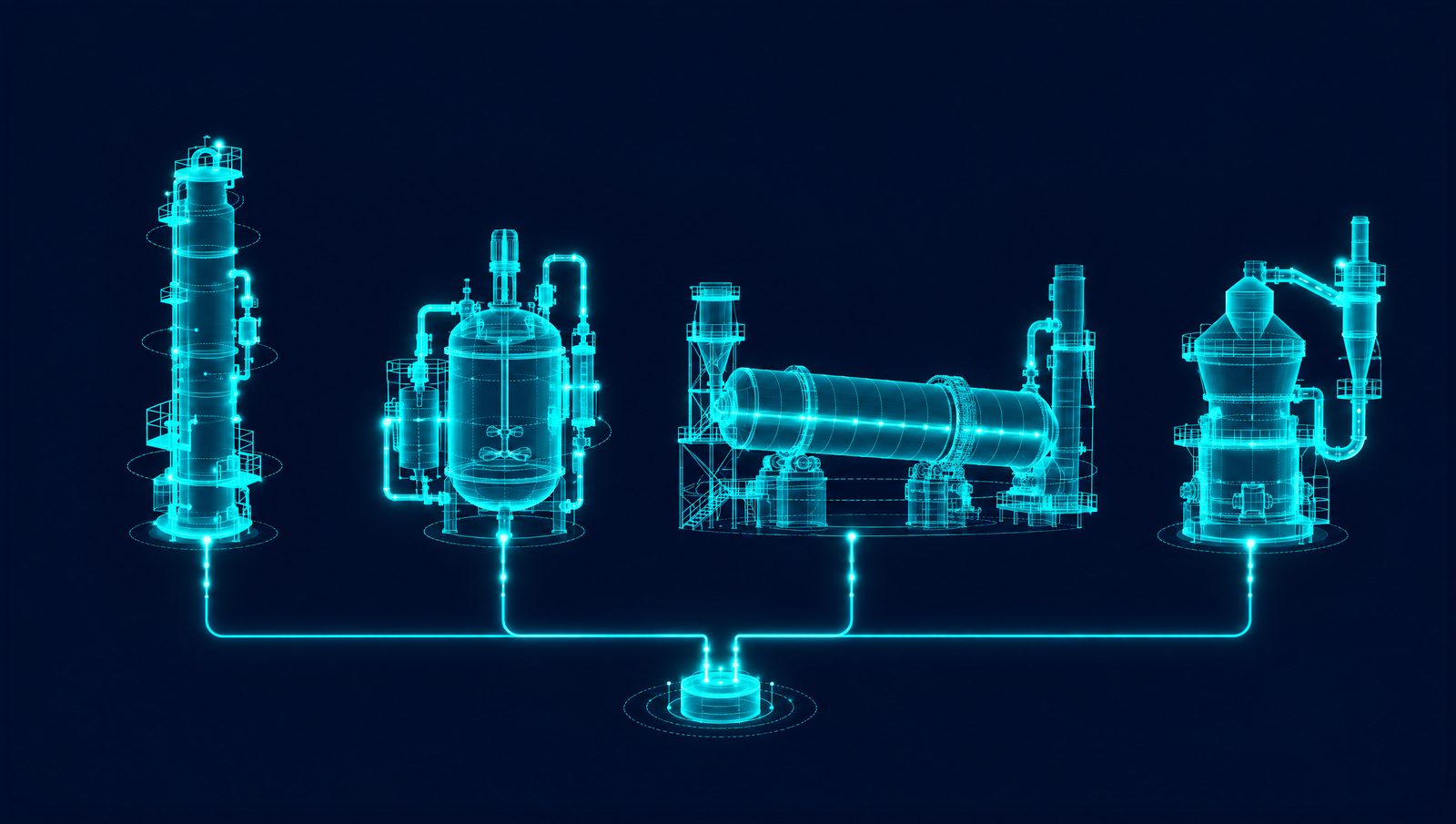
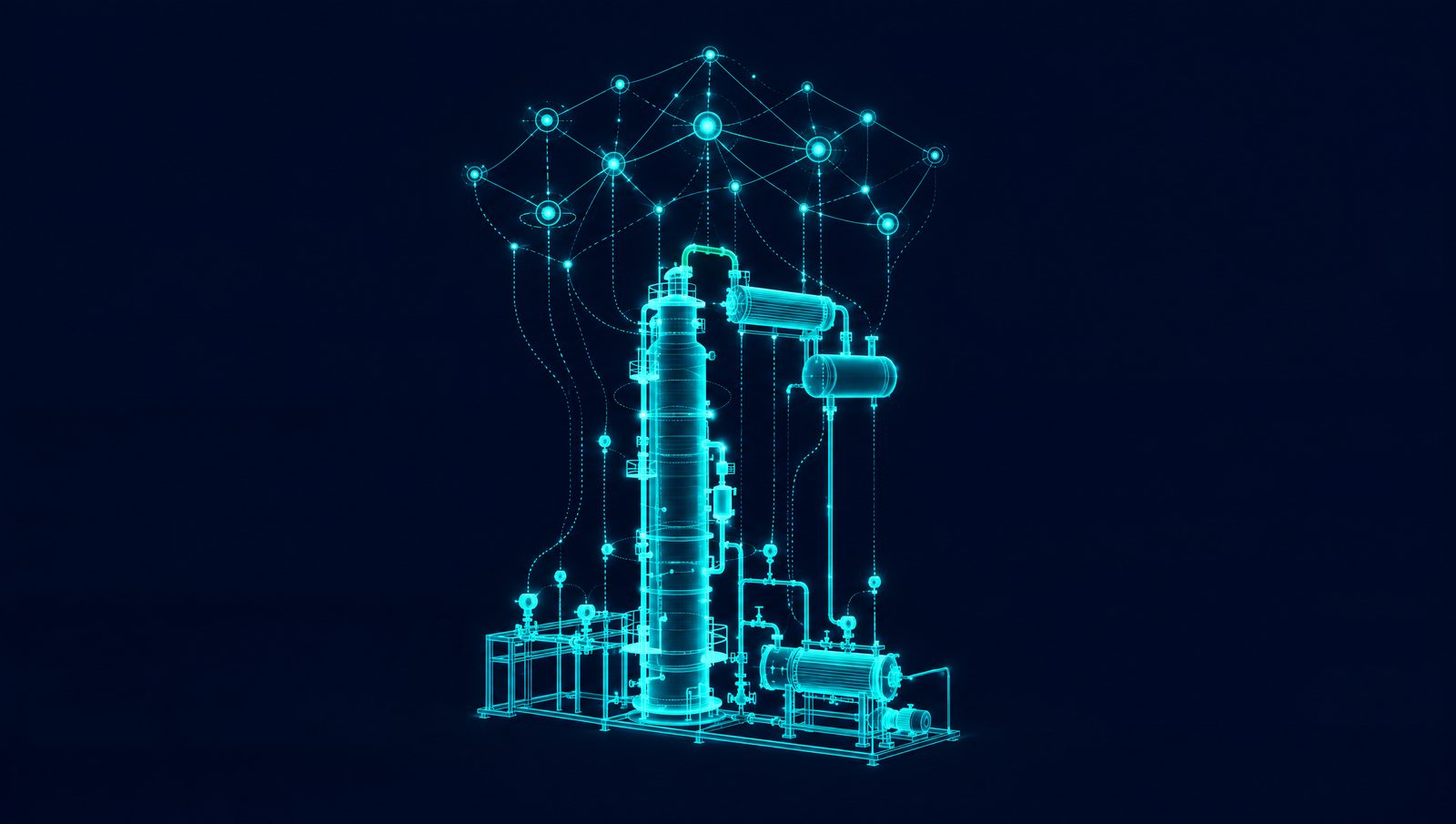
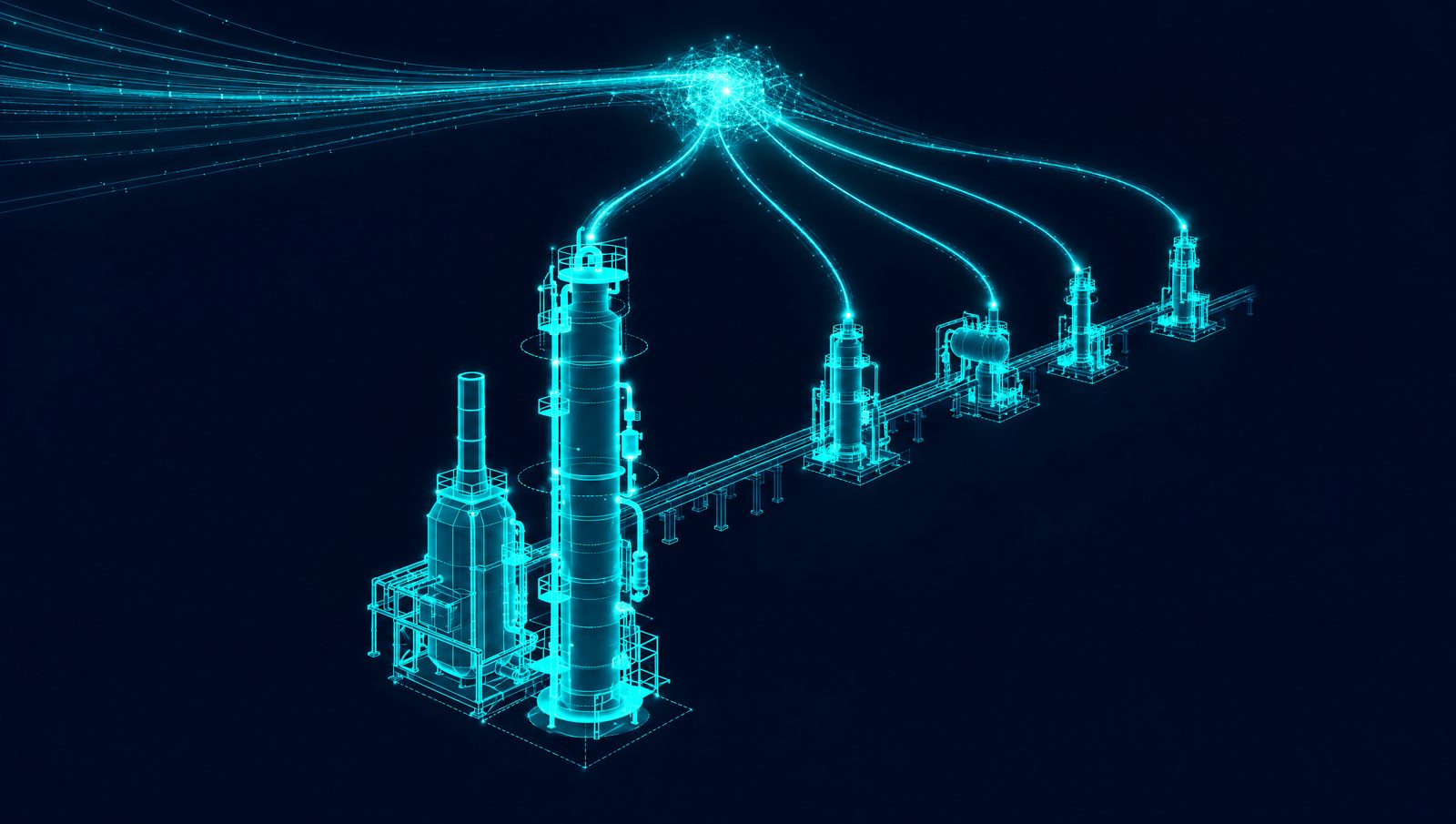
A similar shift is under way inside industrial plants. Plants are training deep learning models on large amounts of their own process data, with several disciplines contributing, to build a single model that serves a broad set of applications. At Imubit we call this the Foundation Process Model.
The LP, the APC and the training systems stay in place. One validated model of how the plant behaves can inform several of them, for example by updating the LP's shift vectors more often, or by training operators on a model of their own units.
How the model is built
Building a Foundation Process Model is a joint effort among the plant's technical teams. Engineers start from years of process data. They select and clean the data, and they bring in their knowledge of the process and the first principles that apply to it.
Once the model is trained, engineers validate it. They look at model accuracy and error margins, and at how well the model captures first-principles relationships. A model that passes becomes an asset of the plant. It stays current by training on fresh plant data, and it is reused to solve different problems across operations.
How plants are using it
At Imubit's Transcend AI Summit and Training, customers described how they already use Foundation Process Models:
- At a U.S. refiner, operators and engineers learn optimization strategies on models built from their own plant's data and its particular challenges, instead of on generic training simulators.
- At another U.S. refiner, LP modelers use the model to update shift vectors more often, so planning responds faster to how the units are running.
- At a site in Europe, the model tracks catalyst degradation in a conversion unit over several years, which gives the operations team more precise and timely direction.
Beyond day-to-day operations, teams use these models to justify capital projects with before-and-after gain analysis, to tune PID loops, and to work through other questions about how the plant behaves. In each case the team can see the result of a change on the model before making it in the plant. As more plants build and refine these models, we expect them to become standing assets of the plants that own them, retrained and reused as conditions change.
Where it fits
Foundation Process Models are part of the Imubit Platform. They belong to the Model step of Imubit's Map, Model, Control approach, where process engineers model the causality of their units with learning process models. In the platform, Deep Learning Process Control® (DLPC®) pairs learned process models with reinforcement learning to take critical decisions to closed loop, on top of the existing APC and DCS. The Imubit Platform serves refining, chemicals and polymers, cement, and mining and minerals.