About Oxbow
Oxbow is a global producer of calcined petroleum coke.
The challenge
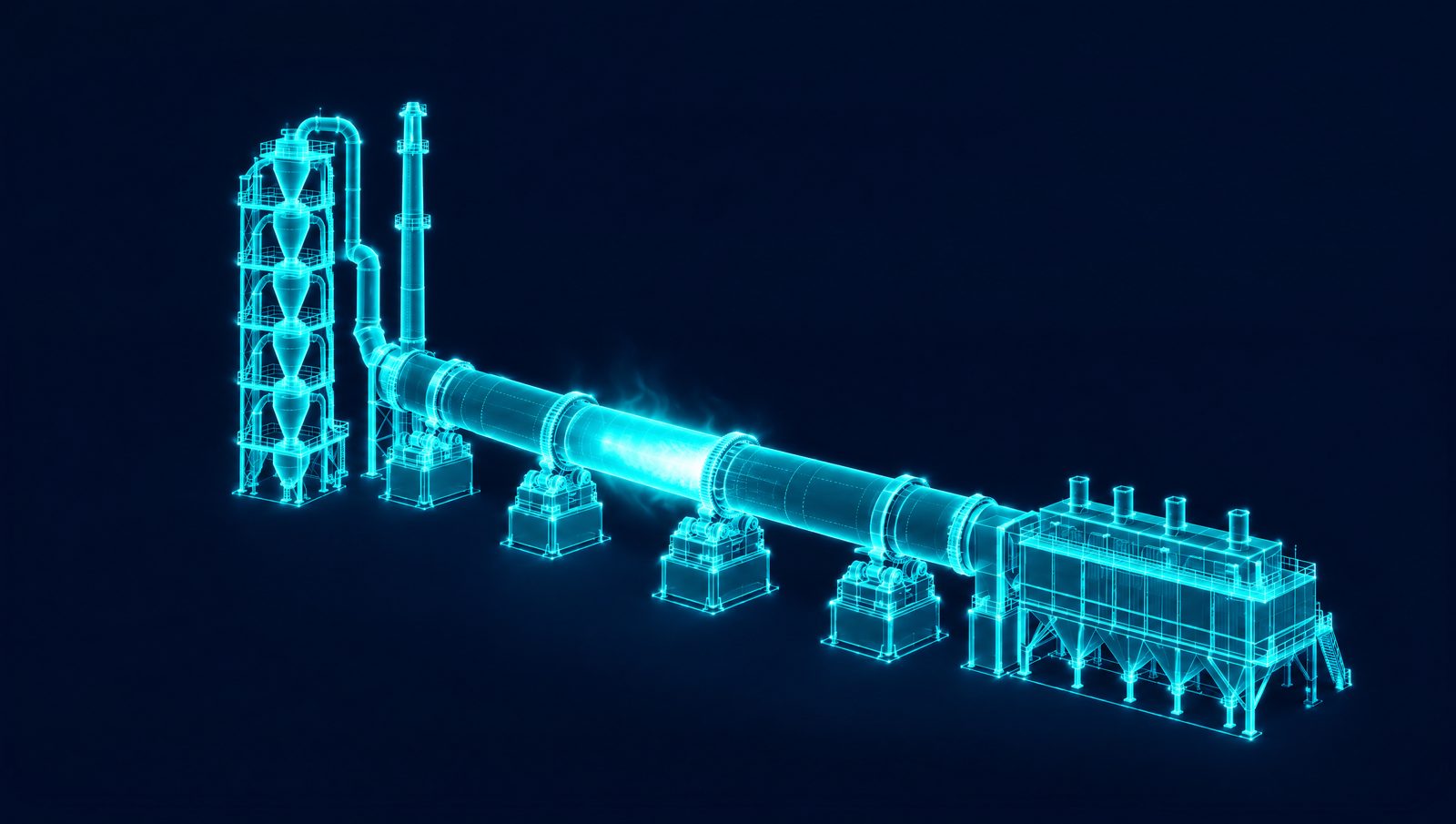
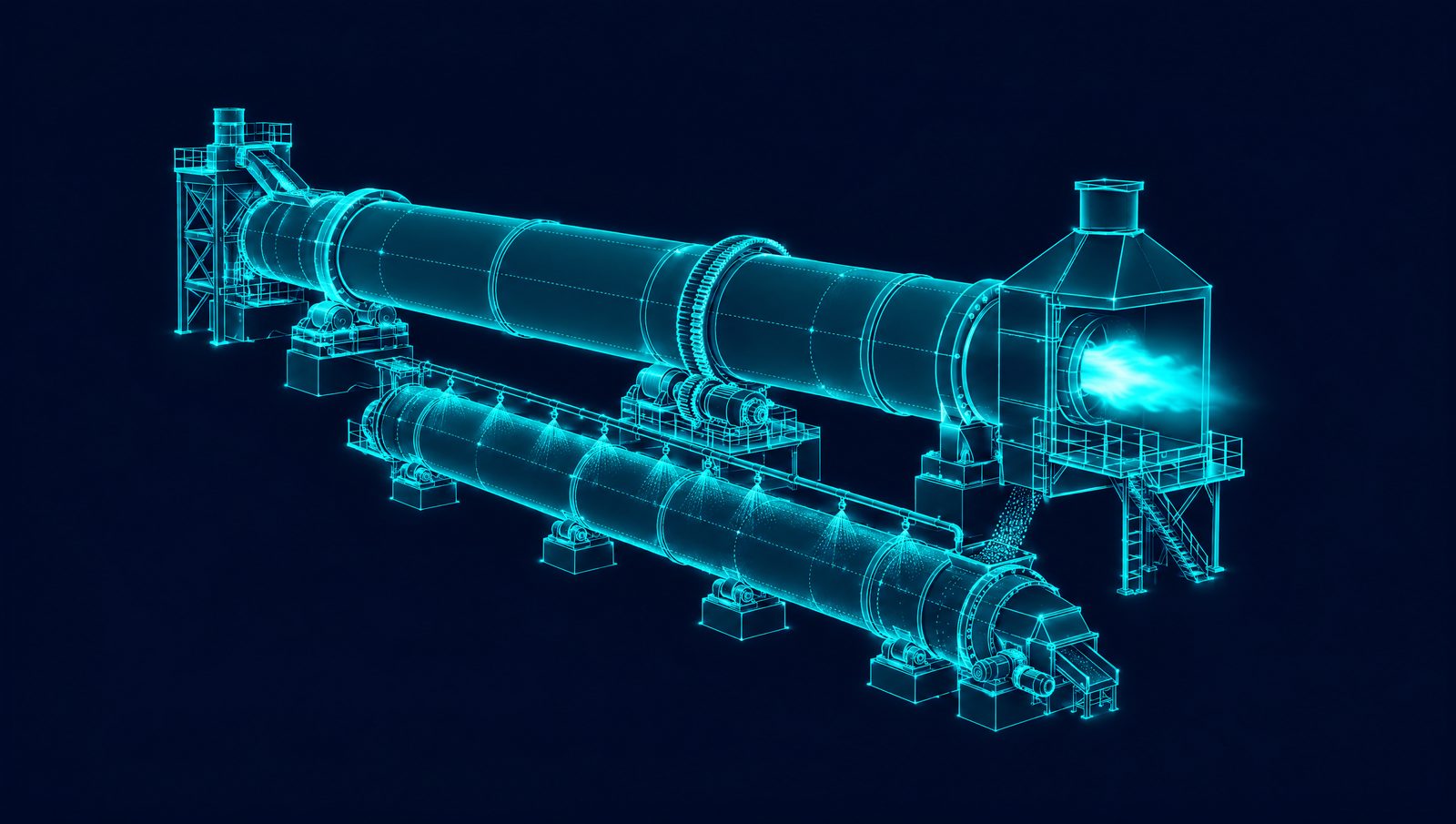
Oxbow faced pressure to raise yield from its calcining operations while reducing energy consumption. In a rotary calcining kiln, yield and energy trade against each other, and both have to be balanced against strict product specifications while feed and operating conditions vary.
The solution
Imubit applied closed-loop control to Oxbow's rotary kiln operations. The controller anticipates volatility in the process and adapts the kiln's operation to it, so the kiln can run for higher yield and better energy efficiency while consistently meeting product specifications.
Imubit's closed-loop control is built on Deep Learning Process Control® (DLPC®). A model learned from the unit's own operating history, guided by first principles, predicts how the process will respond. A controller trained by reinforcement learning writes setpoints to the APC or DCS minute by minute, inside limits set by plant engineers.
Results
Oxbow's kiln operations run at higher yield and with lower natural gas consumption, while consistently meeting product specifications. Oxbow's SmartKiln® is decarbonizing through that yield improvement, producing more calcined coke from each tonne of green coke.
What it means for Oxbow's engineers
We have these younger, newer engineers that are coming in place of 30 year employees, who no longer have to wait 30 years to acquire that experience. With Imubit, they have an opportunity to come in and make their mark on the organization.
Calcining kilns share many control problems with cement kilns. See closed-loop control for cement and kiln process optimization.