By Allison Buenemann, Product Marketing Manager, Imubit
At Imubit's Transcend AI Tech Summit, a panel of leaders from two U.S. refiners and from Oxbow, a petroleum coke calciner, shared what they learned rolling out AI in their organizations. The conversation centered on people, and on how different functions come together around a single Foundation Process Model, one deep learning model of the plant. The panelists covered the whole effort, from setting the right evaluation criteria to capturing value in every phase of a project. Five themes ran through what they described.
Match the technology to the right problem
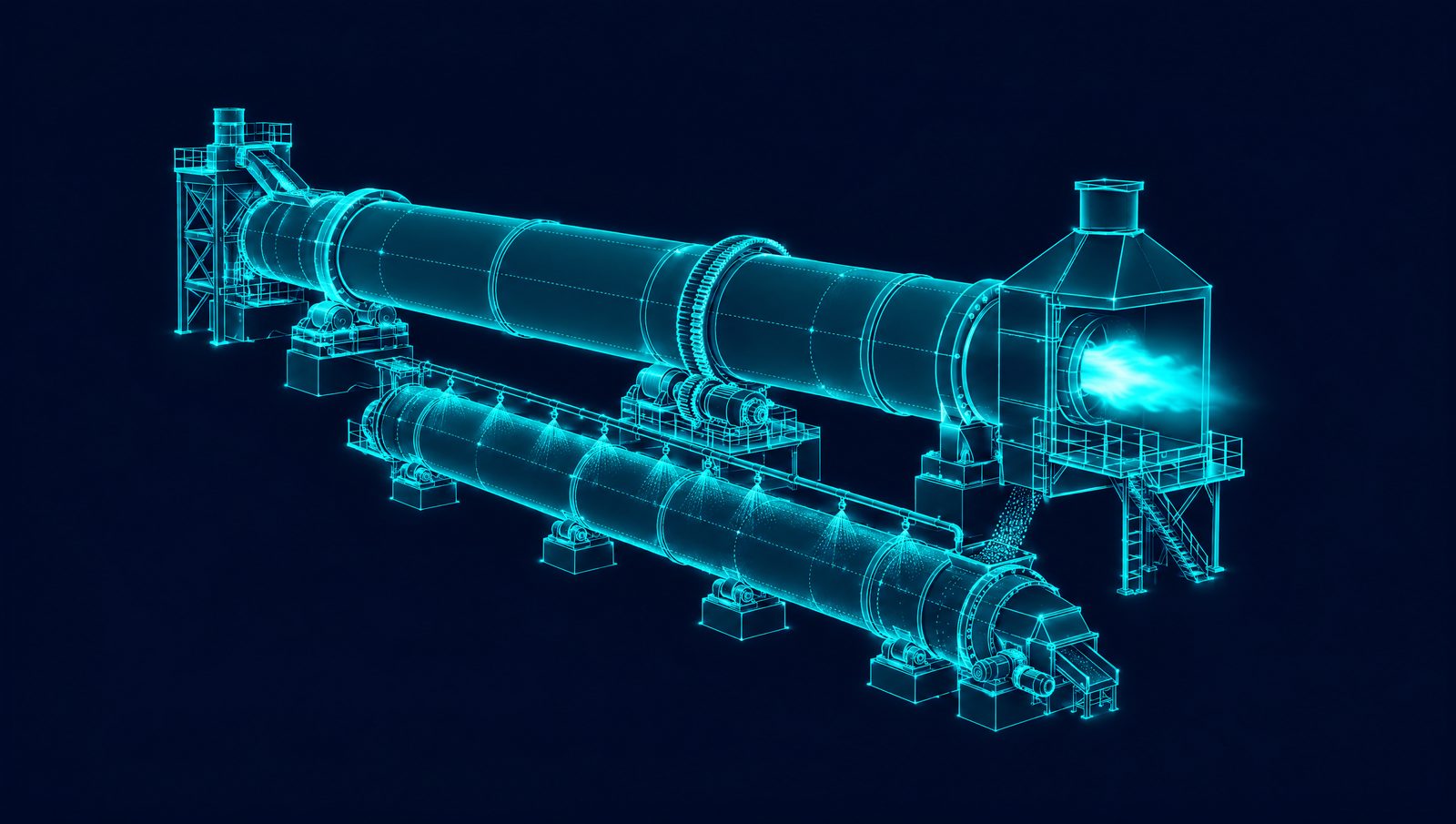
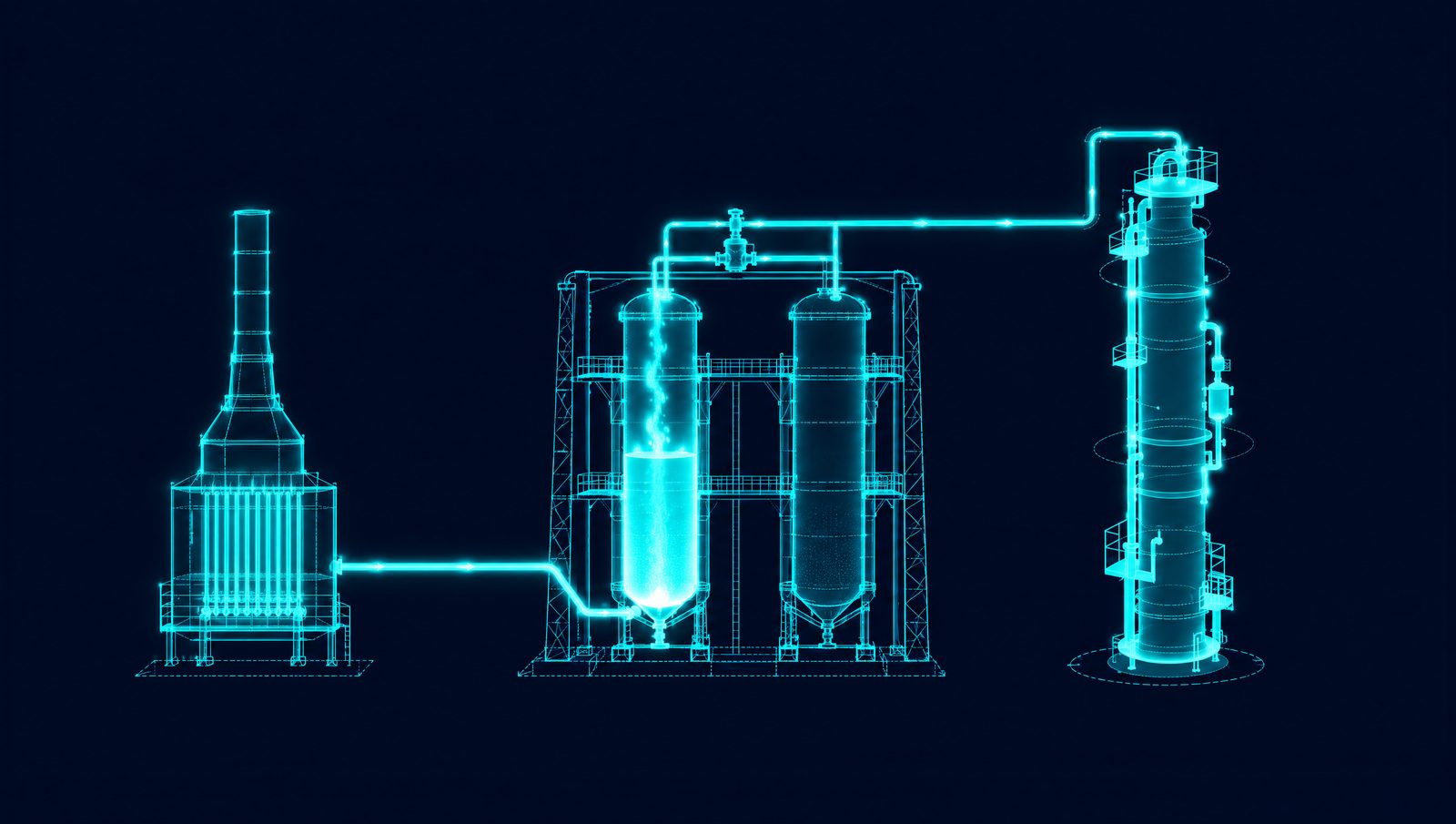
All three panelists valued closed-loop AI for optimizing complex processes that had not been solved before, though their problems were different. Oxbow modernized its kiln operations, moving from no process control to closed-loop AI. It needed closed-loop optimization and control that did not require it to build in-house APC expertise. One of the refiners worked on top of its existing APC to cut sub-optimal coke drum cycles on its delayed coker. It needed closed-loop AI to handle nonlinear process dynamics that APC alone had not been able to manage.
Attract and develop an upskilled workforce
The industry needs to build, attract and keep a workforce of people who champion and practice modern technology. Oxbow observed that bringing closed-loop AI into its operations helped it attract and keep young engineers, by giving them modern tools to learn from instead of the industry's standard spreadsheets. That lines up employees' own development goals with the company's goals, and builds a culture of curiosity in which people are encouraged to question how things have always been done. Kris Kissel-Weir of Oxbow has described the effect on the engineers joining the company.
We have these younger, newer engineers that are coming in place of 30 year employees, who no longer have to wait 30 years to acquire that experience. With Imubit, they have an opportunity to come in and make their mark on the organization.
Use both single-unit and multi-unit models
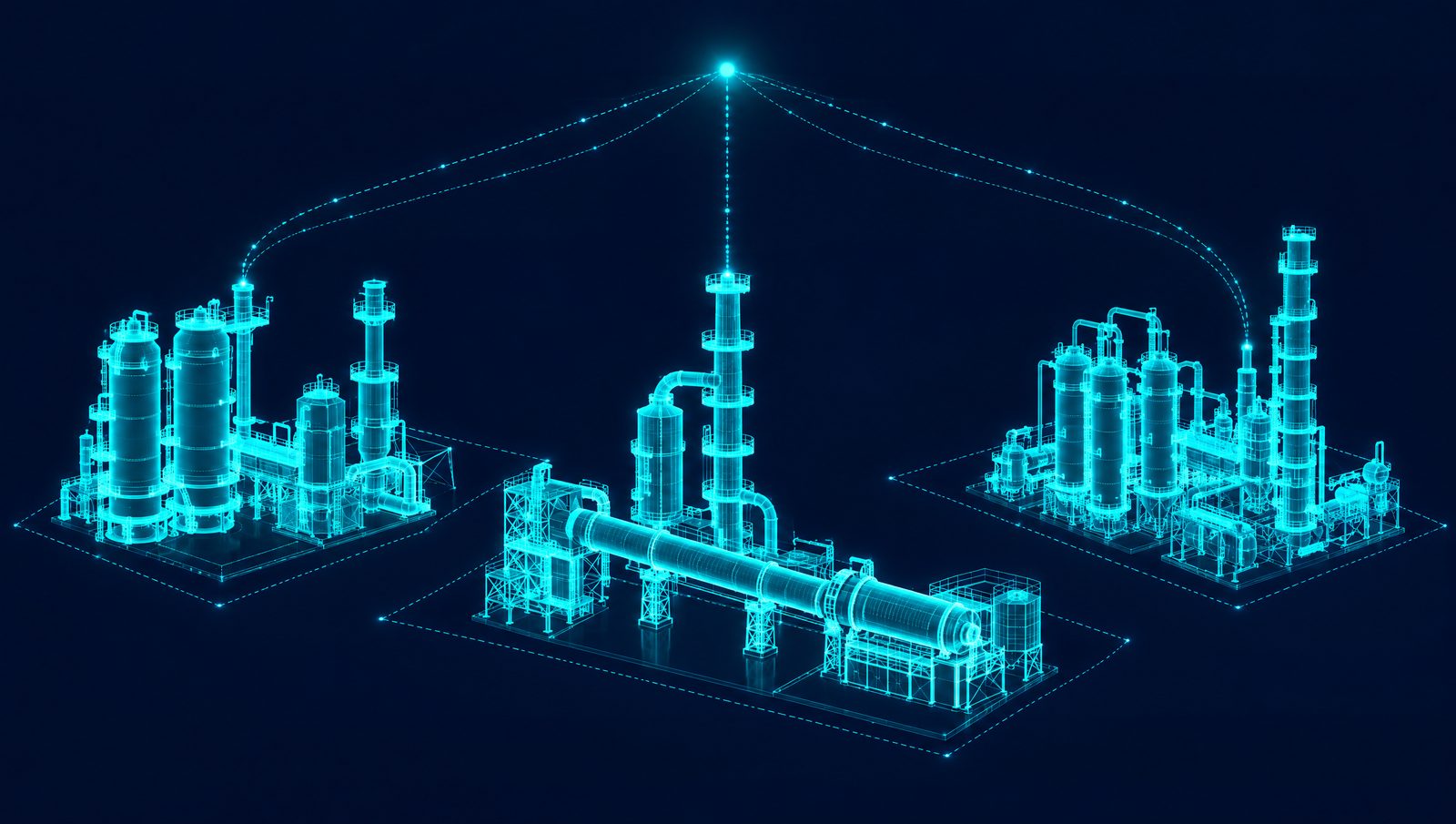
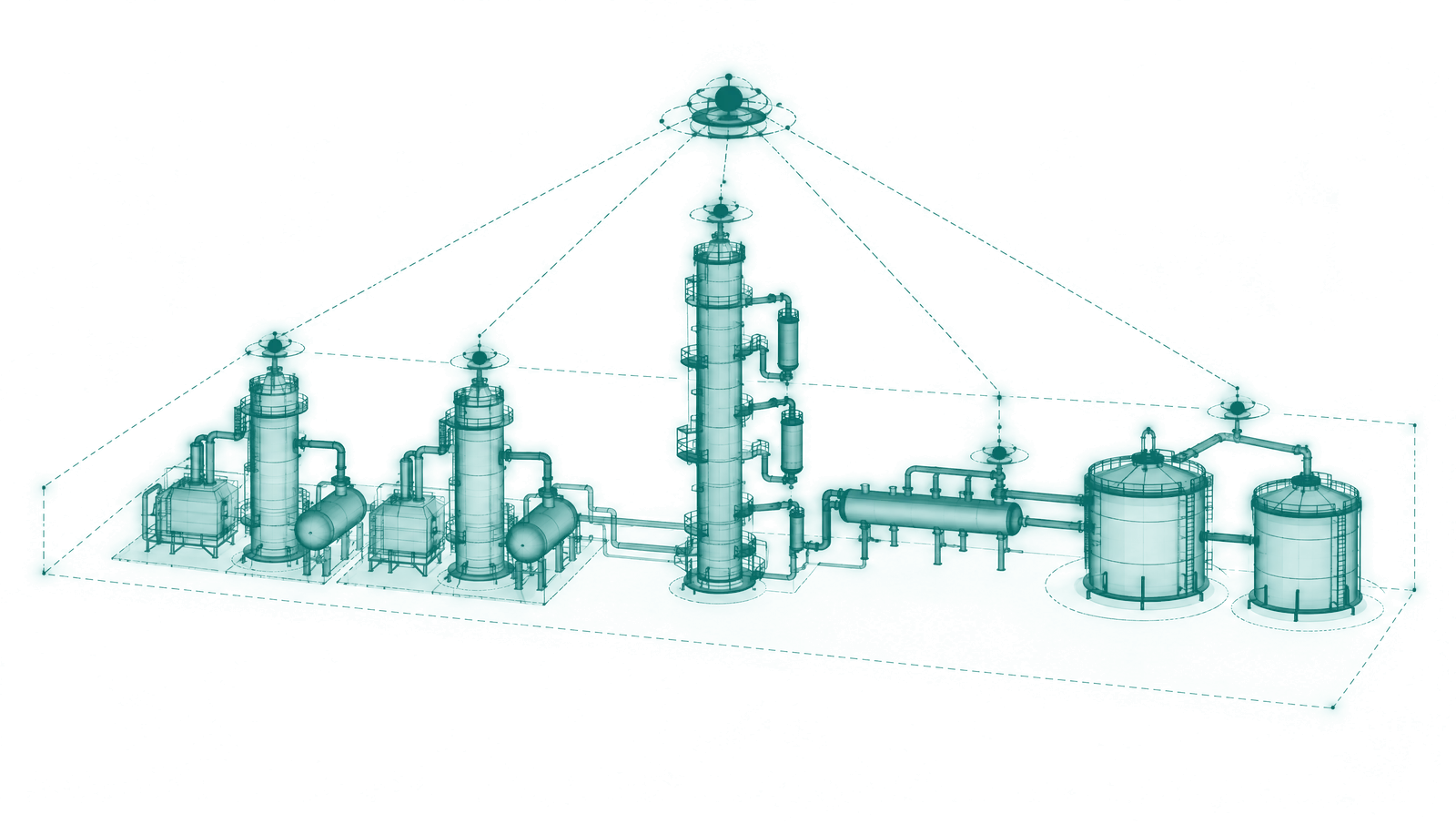
The second refiner's applications show the range of what the technology can do. They run from single units to multi-unit models that capture how each unit affects complex product streams, such as the refinery's distillate system. The team started with optimization models for individual units, then linked the models within one product system under a hierarchical parent model. The parent model looks for the system-wide optimum rather than each unit's own optimum, which moves the whole system toward the best economic outcome.
Be open to new ways of working
The panelists, and much of the wider audience, noted a change in how people see AI. People will never be fully removed from running industrial process plants. Once AI is seen as a tool that helps people do their jobs better, employees feel free to think creatively about how to use it, without worrying that they are making themselves irrelevant. In closed loop, operators stay in charge of the unit.
Promote collaboration and knowledge sharing
Imubit engineers take an active part in every closed-loop application. Part of commissioning a model is training the client's teams to use the technology, including using it across teams that historically had little contact with each other. The panel described how making AI accessible inside companies of every size is opening lines of communication that process optimization and control had not seen before.
A Foundation Process Model gives operations, process engineering, control and planning one shared view of the unit. For operating companies of any size, that common view supports efficiency, employee development and optimization across more of the operation.